
Ham Baked in Bread Dough (Schinken im Brotteig)
The Viennese Easter ham: a cured ham simmered with caraway, fennel and coriander, wrapped in a rye and wheat bread dough with a braided top, and baked until the crust is dark and the ham inside is steaming.
 Edited by JP Lambiase
Change the estimate
Swaps change the price only: cook any meat to its own safe temperature. Where these numbers come from
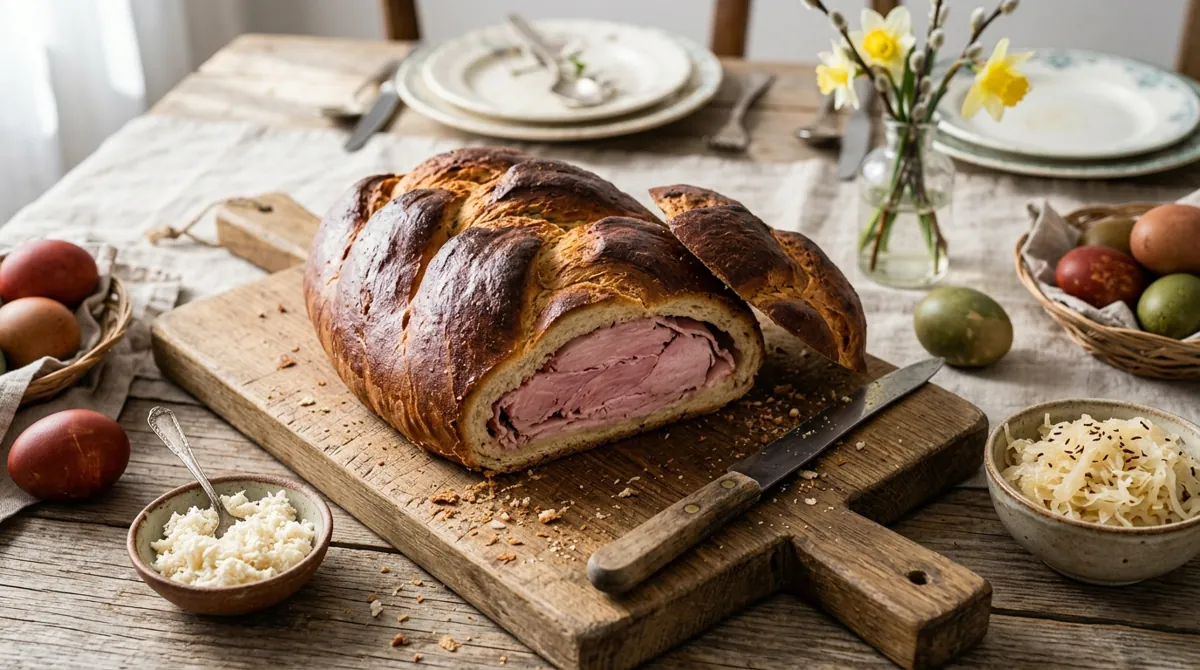
In Austria, Easter ends the Lenten fast with an Easter snack, the Osterjause, and the Tiroler Tageszeitung's tour of Austria's regional Easter food says Carinthia, Styria and Lower Austria serve their Easter ham with smoked sausages, eggs, horseradish and Easter bread, while in Vienna the ham is eaten baked in bread dough ("im Brotteig") (April 12, 2020:). Austria's public broadcaster ORF shows the dish on its Easter program, and the German food magazine kochen & genießen prints it as "Osterschinken im Brotteig", so it is cooked on both sides of the border. The bread is not just a crust: it holds the steam in so the ham stays juicy, and it is eaten with the slices.
📖 Origin story: Why Do We Eat Ham at Christmas and Easter? →
Why it works the kitchen science
A bread jacket
The dough seals the hot ham in its own steam while it bakes, so the meat stays moist, and the inside of the crust soaks up the juices.
Breadcrumbs under the ham
LECKER's thin bed of crumbs absorbs the juice where the ham sits, so the bottom crust bakes instead of turning soggy.
🧰 You'll need 7 items
Everything the steps call for. Tick off what you have before you start.
Appliances
Pans and pots
Tools
Supplies
Step by step
- Step 1
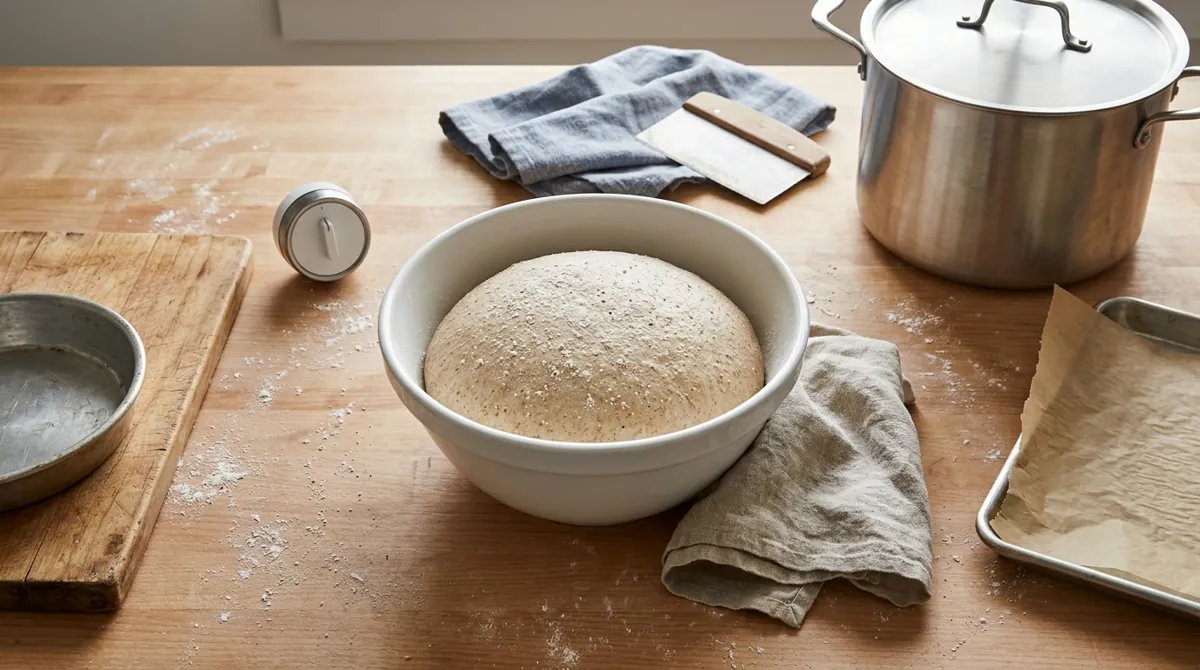
Make the dough: mix both flours, water, yeast, salt and bread spice, then knead slowly 10 minutes (low speed in a stand mixer) until smooth but still slightly sticky. Cover and let rise 2 hours at warm room temperature.
- Step 2
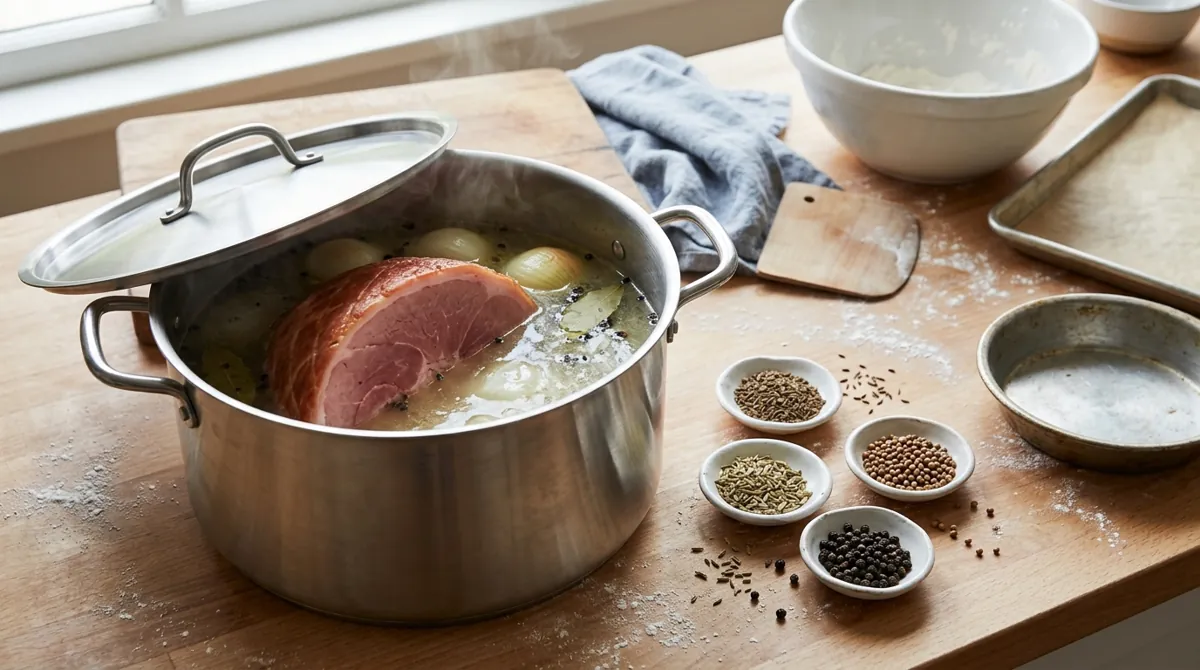
While it rises, put the ham, onions, bay leaves, 1 tsp each of the peppercorns, caraway, fennel and coriander, the salt and the water in a large pot. Bring to a boil, cover and simmer about 90 minutes, turning the ham after 45 minutes, until the center reads at least 145°F.
- Step 3
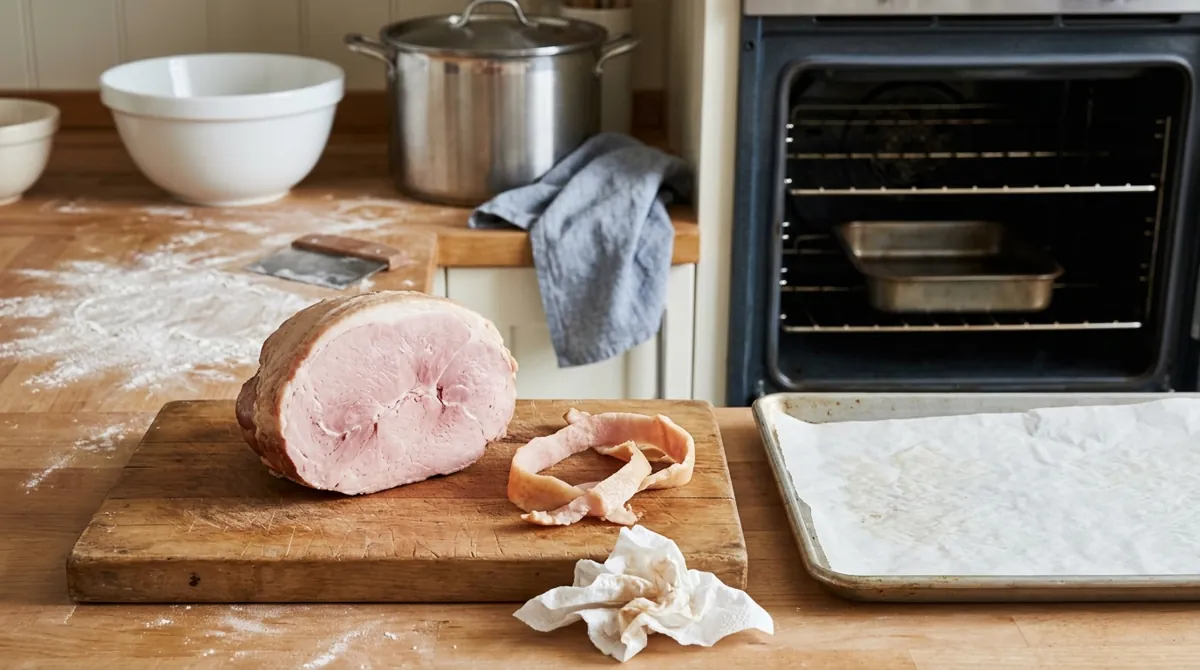
Lift out the ham, cut off the rind, pat it dry and let it cool 15 minutes. Heat the oven to 480°F with an empty metal pan on the bottom rack.
- Step 4
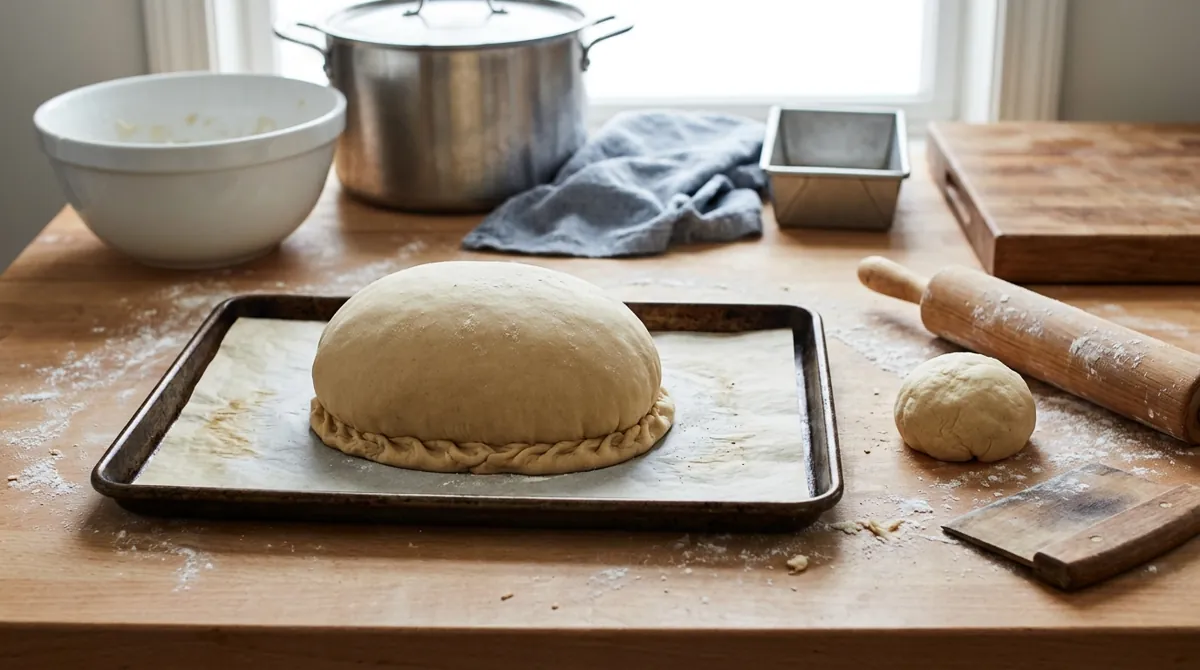
Pinch off a piece of dough the size of a large orange. Roll the rest on a floured surface to a rectangle about 12 by 16 inches and 1/2 inch thick. Sprinkle the breadcrumbs in the center, set the ham on them, fold the dough over and press the seams firmly shut. Set it seam side down on a parchment-lined baking sheet.
- Step 5
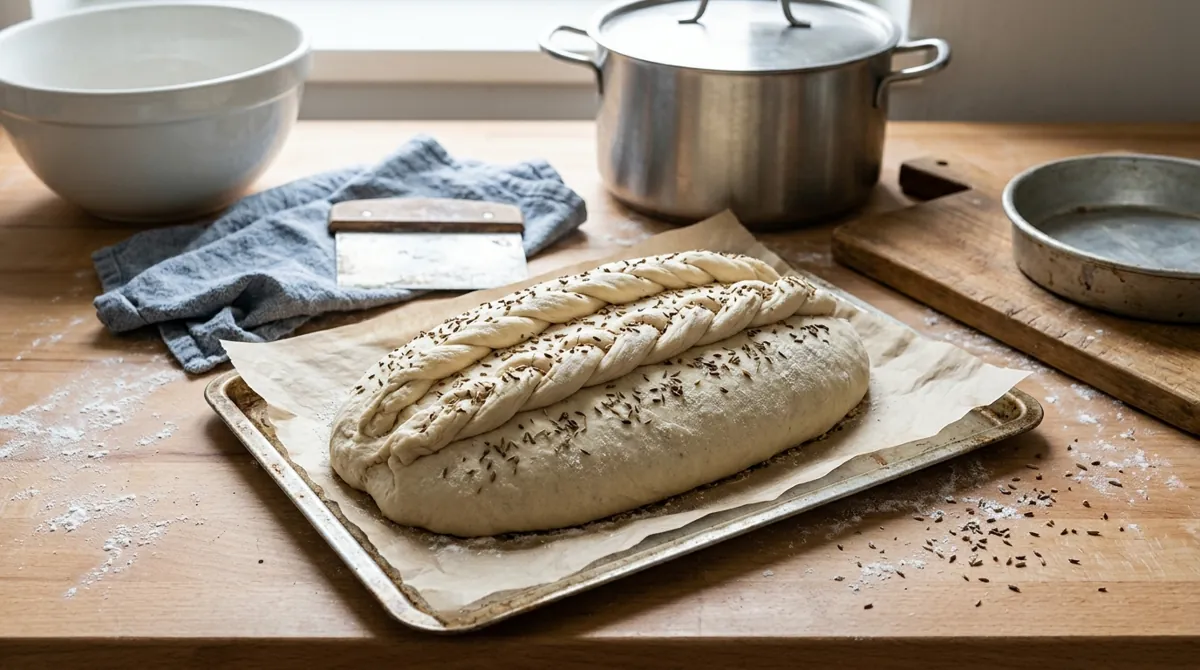
Roll the saved dough into 4 ropes about 20 inches long, twist them into 2 braids and lay them over the top. Press the remaining whole spices onto the dough.
- Step 6
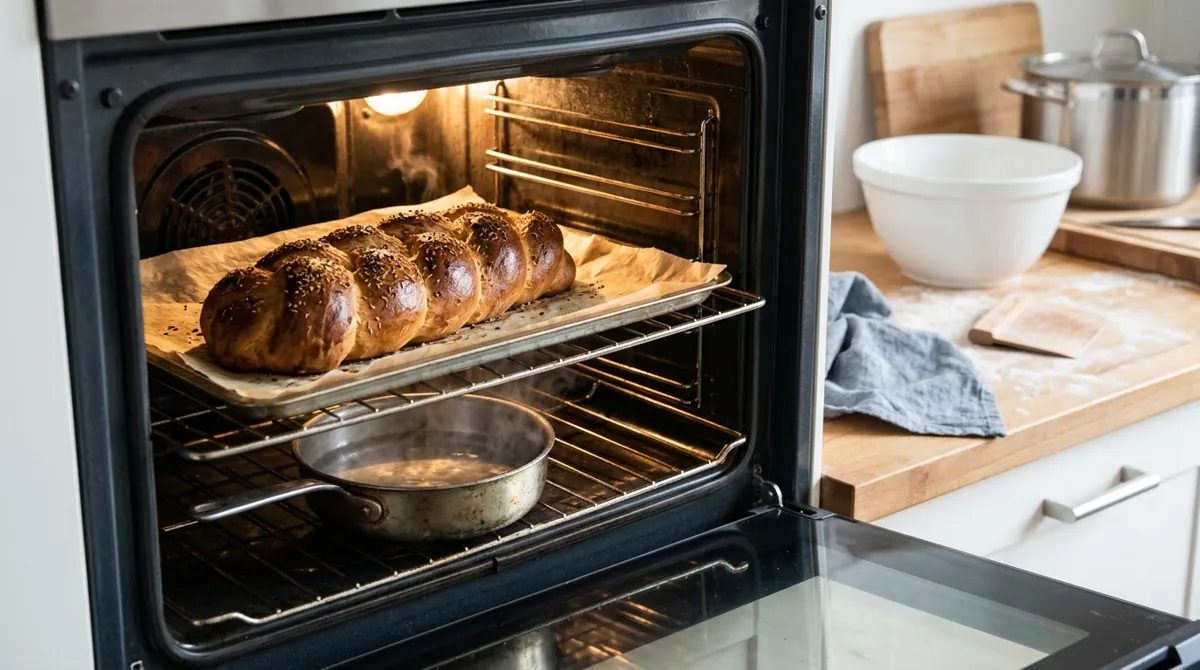
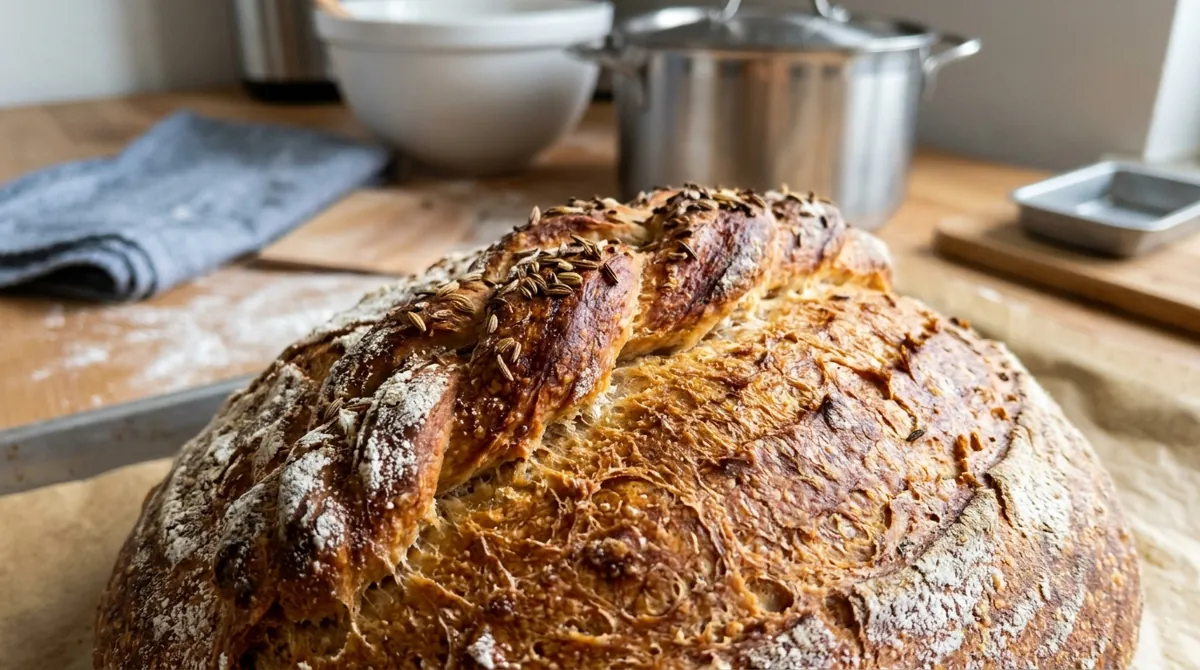
Put the loaf in the oven, pour 1 cup hot water into the empty pan for steam and bake 15 minutes. Lower the oven to 425°F and bake 30 minutes more, until the crust is deep brown.
✓ What it should look like - Step 7
Rest 10 minutes. Cut a lid off the top, lift out the ham, slice it thinly and return the slices to the bread to serve, with slices of the crust.
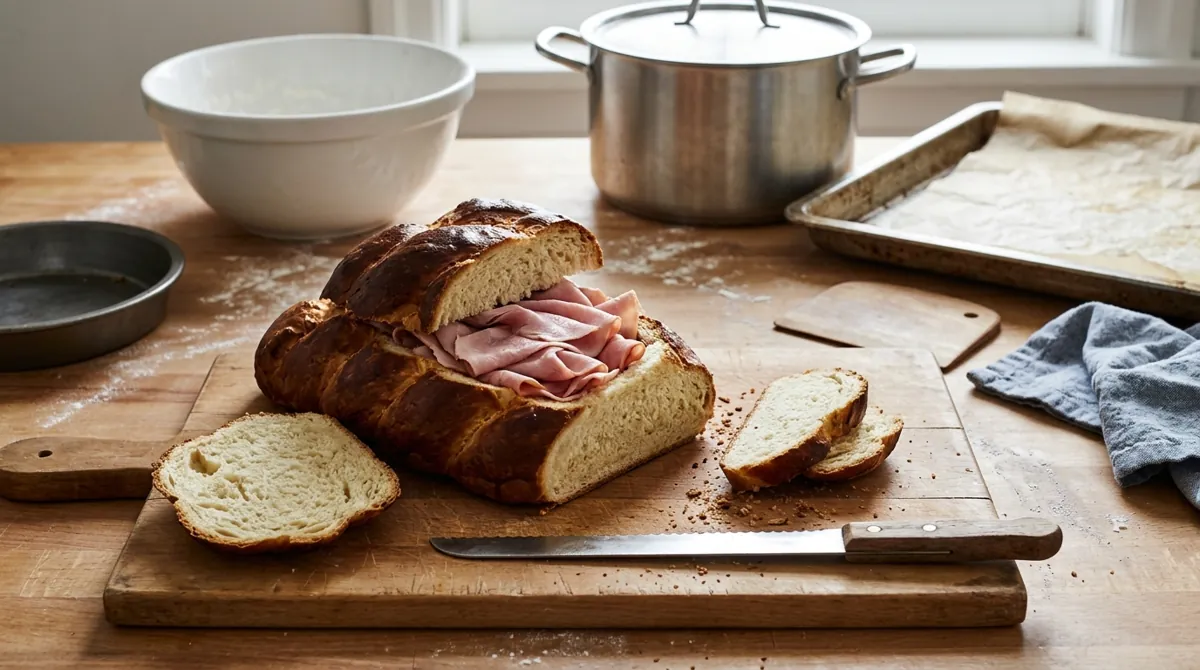
Ham Baked in Bread Dough (Schinken im Brotteig)
Serves 16 · one 6 lb ham inside a large loaf · 3 hr 35 min total
Ham
- 1 boneless, cook-before-eating cured ham with its rind (about 6 lb); order ahead from a butcher
- 2 onions, halved
- 2 bay leaves
- 2 tsp each black peppercorns, caraway seeds, fennel seeds and coriander seeds, divided
- 1 tsp salt
- 2 quarts water
Rye and wheat dough
- 5 3/4 cups (725 g) all-purpose flour, plus more for rolling
- 3 1/3 cups (400 g) medium rye flour
- 3 1/4 cups (775 g) lukewarm water
- 2 1/2 tsp (8 g) instant or active dry yeast
- 4 tsp (25 g) fine salt
- 1 tbsp bread spice (equal parts ground caraway, fennel and coriander)
To wrap
- 2 tbsp dry breadcrumbs
Equipment: Oven, Stand mixer (or a hand mixer), Rimmed baking sheet, Large pot, Chef's knife and cutting board, Measuring cups and spoons, Parchment paper
Method
- Make the dough: mix both flours, water, yeast, salt and bread spice, then knead slowly 10 minutes (low speed in a stand mixer) until smooth but still slightly sticky. Cover and let rise 2 hours at warm room temperature.
- While it rises, put the ham, onions, bay leaves, 1 tsp each of the peppercorns, caraway, fennel and coriander, the salt and the water in a large pot. Bring to a boil, cover and simmer about 90 minutes, turning the ham after 45 minutes, until the center reads at least 145°F.
- Lift out the ham, cut off the rind, pat it dry and let it cool 15 minutes. Heat the oven to 480°F with an empty metal pan on the bottom rack.
- Pinch off a piece of dough the size of a large orange. Roll the rest on a floured surface to a rectangle about 12 by 16 inches and 1/2 inch thick. Sprinkle the breadcrumbs in the center, set the ham on them, fold the dough over and press the seams firmly shut. Set it seam side down on a parchment-lined baking sheet.
- Roll the saved dough into 4 ropes about 20 inches long, twist them into 2 braids and lay them over the top. Press the remaining whole spices onto the dough.
- Put the loaf in the oven, pour 1 cup hot water into the empty pan for steam and bake 15 minutes. Lower the oven to 425°F and bake 30 minutes more, until the crust is deep brown.
- Rest 10 minutes. Cut a lid off the top, lift out the ham, slice it thinly and return the slices to the bread to serve, with slices of the crust.
Adapted from "Osterschinken im Brotteig," kochen & genießen 4/2019, via LECKER, for the ham and the bake. LECKER uses a 1 kg packaged farmhouse bread mix; for a scratch dough we use Austrian baker Julian Kutos's rye and wheat dough from ORF's Studio 2 (March 29, 2022). We fold his overnight starter (poolish) into one straight dough, which is our change, and use his oven temperatures (480°F with steam, then 425°F). Conversions are ours: 2.7 kg is about 6 lb; W700 flour is closest to US all-purpose; R960 rye is medium rye. The 145°F check is from USDA FSIS. Servings (16) follow FSIS's boneless guide plus the bread. LECKER. Ingredient list follows the source; the method is in our own words.
All sources (3)
Tips
- Kutos serves it with sauerkraut or a pea puree; freshly grated horseradish is the Austrian Easter partner.
- Save the broth from the ham; LECKER uses some of it to dress a potato salad.
- A fully cooked boneless ham works too: skip the simmer and bake until the center reads 140°F.
The rules people argue about
What the sources agree on, what they don't, and what is just a good story.
- Schinken im Brotteig is Austrian, not German. Disputed: the Tiroler Tageszeitung ties it to Vienna's Easter, and search summaries call it originally Austrian, but German magazines (kochen & genießen, LECKER) publish it as an Easter ham too.
- It is only for Easter. Folklore: both recipes are titled Osterschinken (Easter ham), but the dish appears year-round at parties.
- The ham must be cooked before wrapping. Documented for both recipes here: LECKER simmers it 90 minutes first. A raw cured ham would not reach 145°F inside the dough in 45 minutes.
- Easter food is blessed in church first. Disputed: Austrian sources describe Holy Saturday blessings of Easter baskets and food, but the Tiroler Tageszeitung names the Easter lamb and the Easter bread (Pinze), not the ham; a "Fleischweihe" (meat blessing) came only through search summaries.
Every other ham
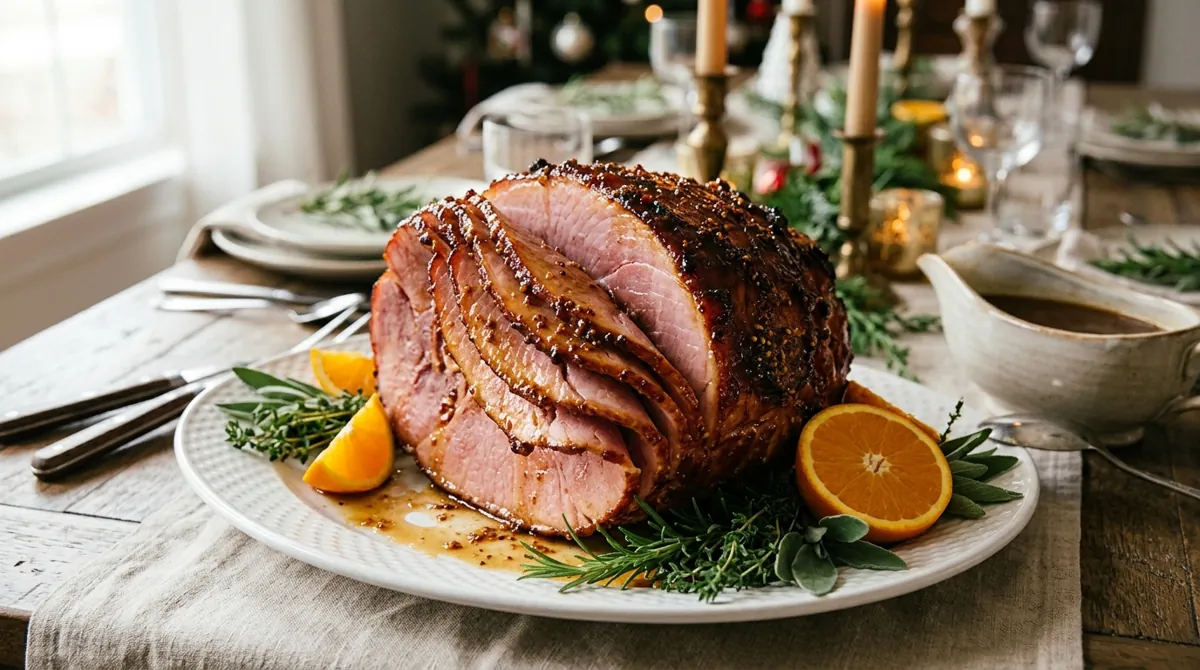
Brown Sugar and Mustard Glazed Spiral Ham
The American holiday centerpiece: a fully cooked spiral ham heated gently under foil, then brushed twice with a glaze of dark brown sugar, grainy mustard, cider vinegar and fresh orange until it is sticky and glossy.
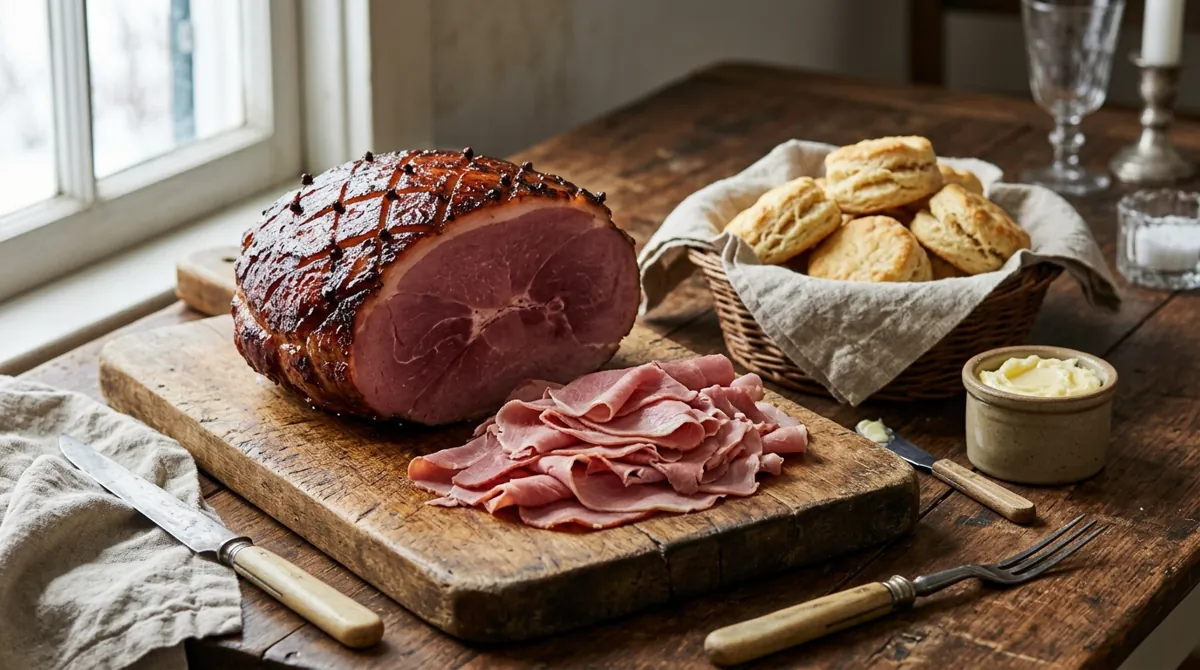
Virginia Country Ham, Soaked and Simmered
A dry-cured, aged country ham scrubbed, soaked overnight, held just below a simmer until tender, then rubbed with brown sugar and dry mustard and glazed in a hot oven, for paper-thin slices on biscuits.
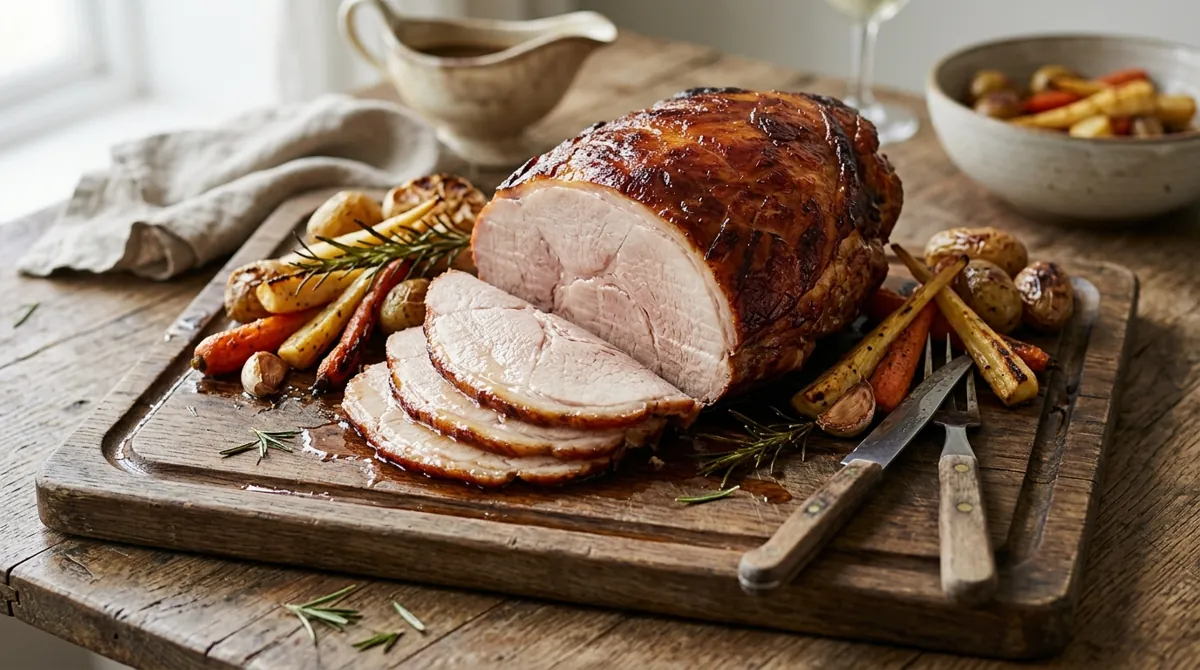
Slow-Roasted Fresh Ham
The leg before it becomes ham: an uncured, bone-in fresh ham salted overnight with brown sugar, rosemary and thyme, roasted slowly in an oven bag and finished with a maple, molasses and mustard glaze.
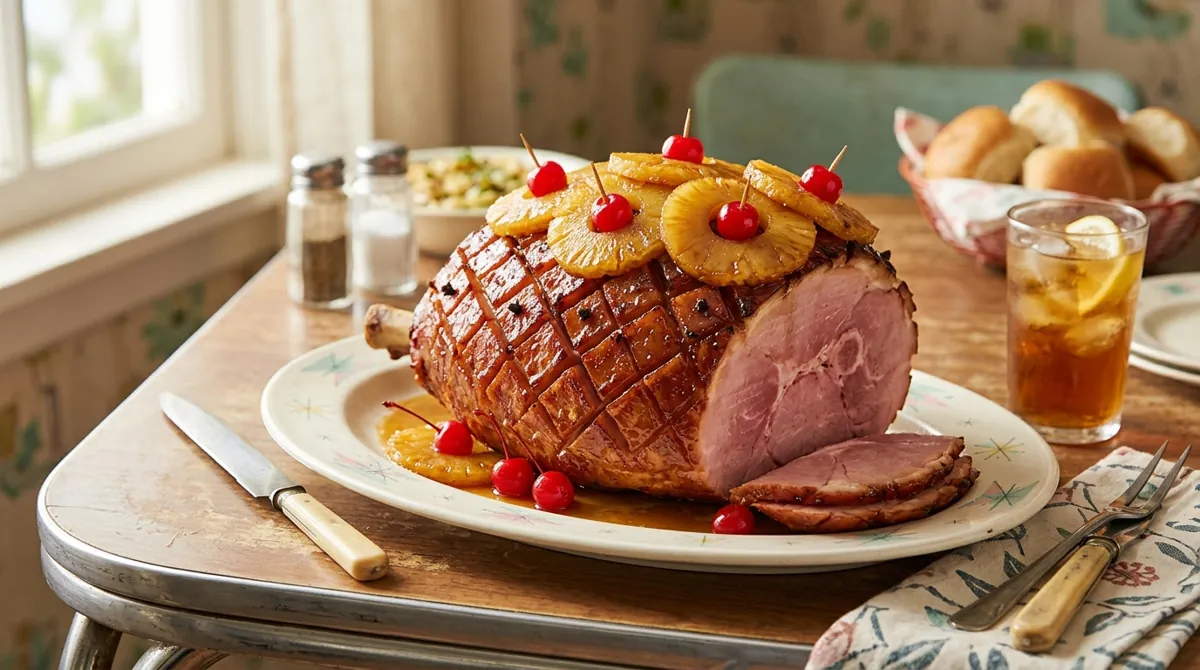
Pineapple and Brown Sugar Glazed Ham
The mid-century "Hawaiian" ham: a spiral ham pinned all over with canned pineapple rings, wrapped tight and baked low, then roasted hot with a brown sugar, pineapple juice and two-mustard glaze until sticky and golden.
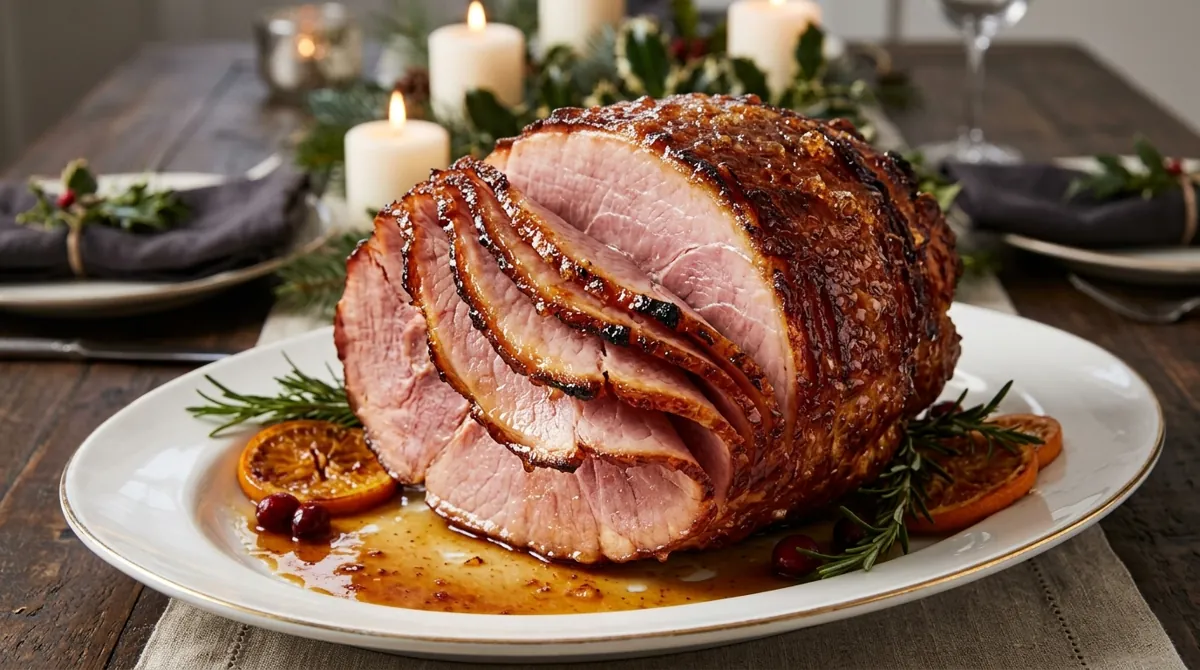
Crackly Honey-Glazed Spiral Ham (Copycat)
A spiral ham heated under foil with honey, then coated in a spiced sugar and melted with a kitchen torch or the broiler into a thin, crackly shell. Inspired by the HoneyBaked Ham Company's famous store ham; not official.
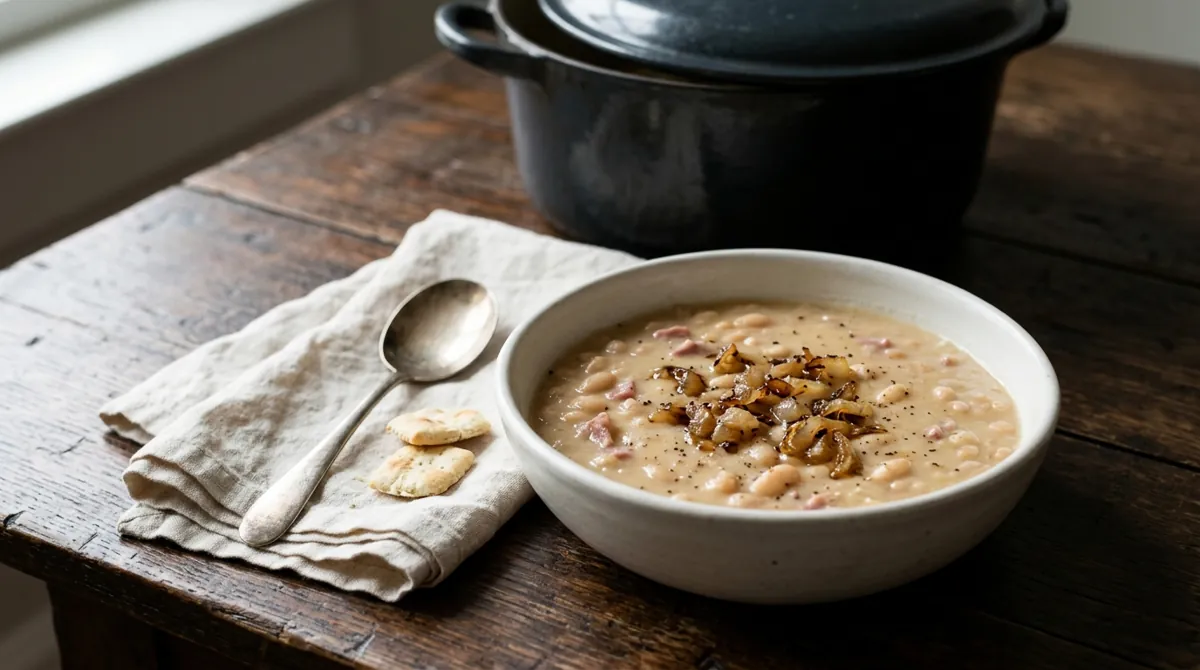
Senate Navy Bean Soup with the Leftover Ham Bone
The soup the US Senate restaurant has served for more than a century: dried navy beans simmered three hours with a meaty leftover ham bone, finished with diced ham and onion browned in butter.
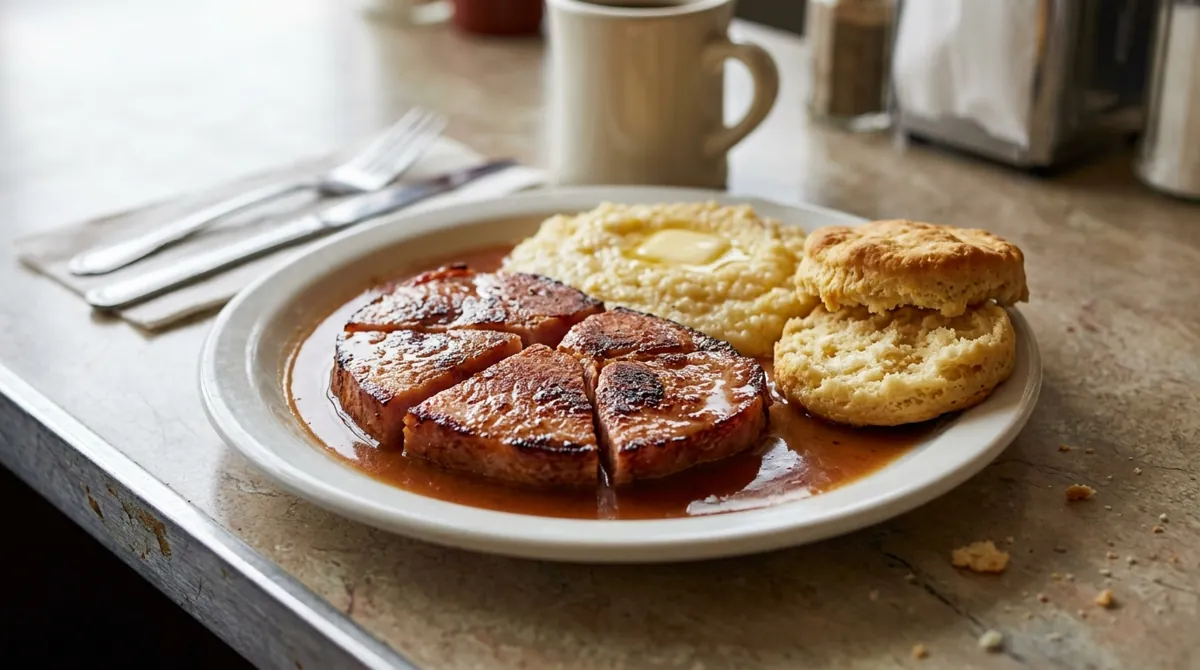
Skillet Ham Steak with Maple Red-Eye Gravy
A bone-in ham steak browned in bacon fat, then a quick pan gravy of broth, maple syrup and espresso powder, swirled with butter: the Southern country breakfast classic as a 30 minute dinner.
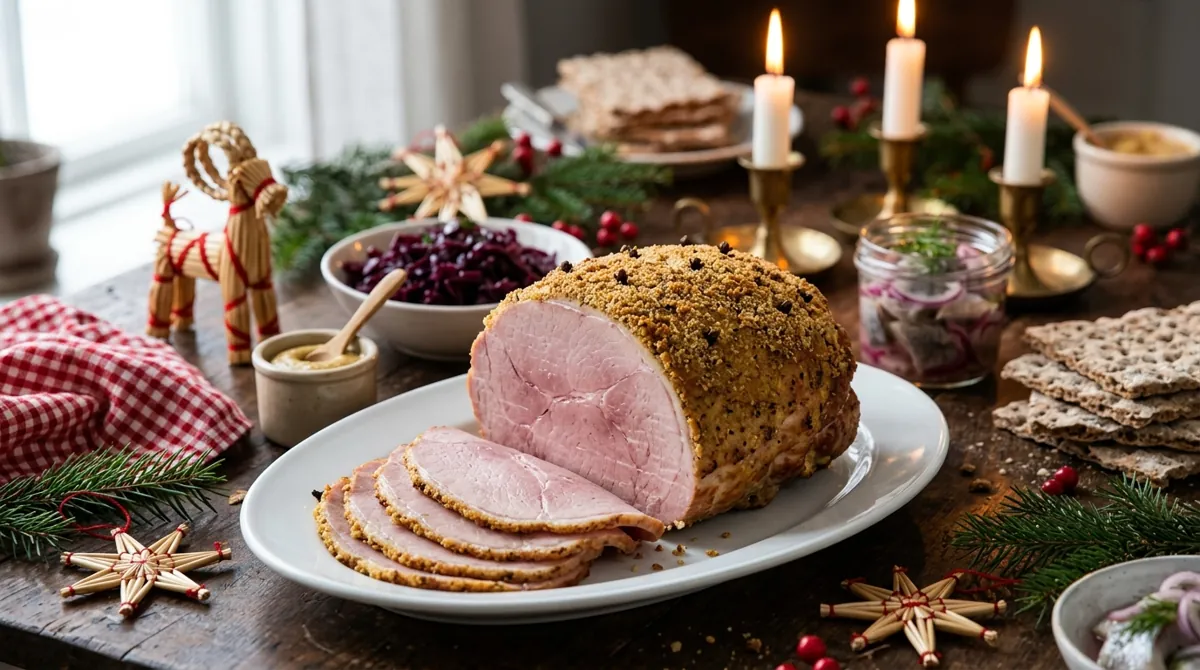
Swedish Christmas Ham with Mustard Crust (Julskinka)
Sweden's Christmas ham: a cured ham simmered gently until 158°F, cooled, then spread with egg, two mustards and sugar, dusted with breadcrumbs and baked hot into a golden crust, served cold on the julbord with the broth saved for dipping bread.
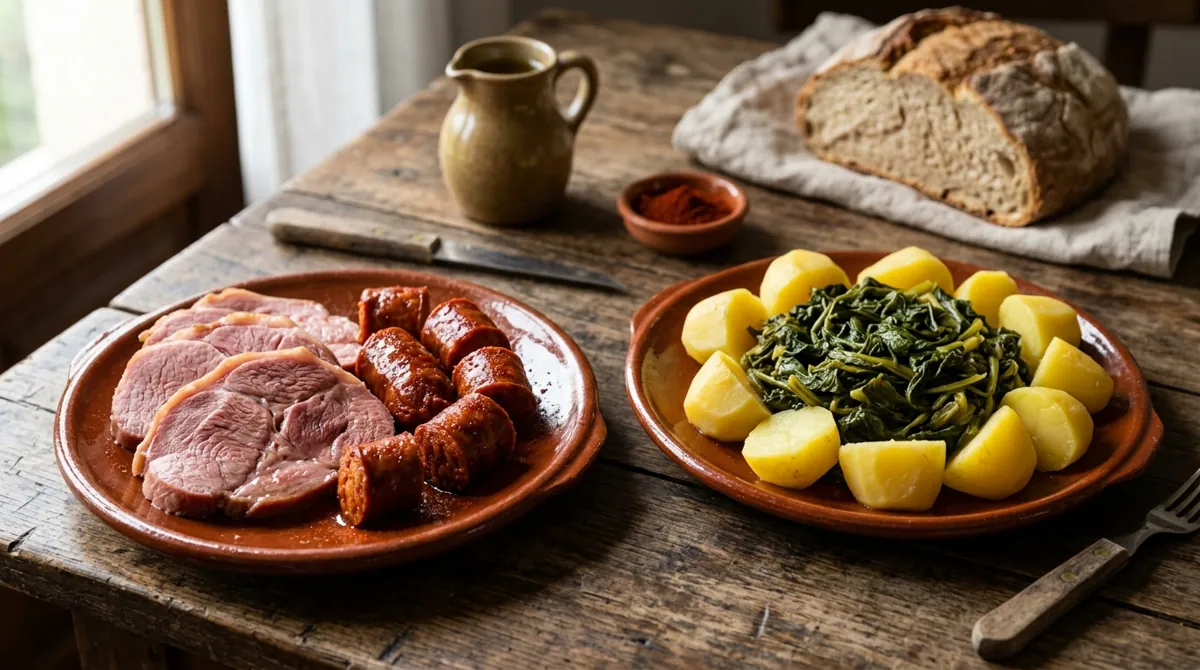
Galician Cured Pork Shoulder with Turnip Greens (Lacón con Grelos)
Galicia's Carnival feast: a whole salt-cured pork foreleg soaked for two days, boiled until it falls from the bone, and served with chorizo, potatoes and turnip greens cooked in the same broth.
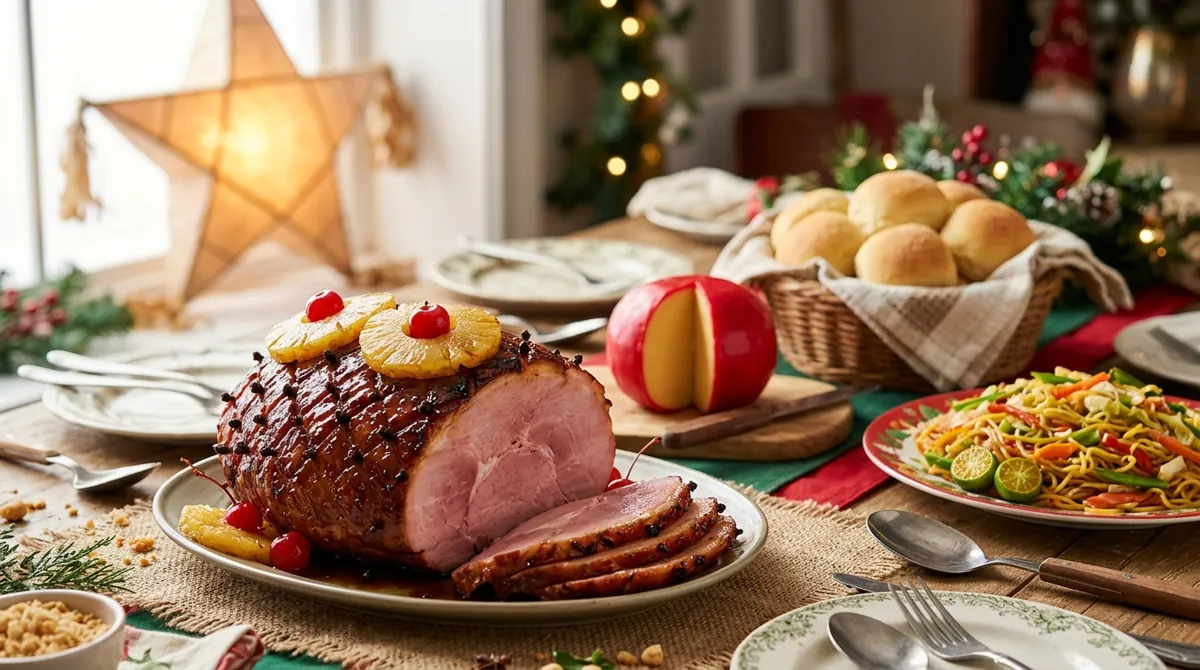
Filipino Christmas Ham with Pineapple Glaze (Hamon)
The Noche Buena ham: a bone-in ham poached for an hour in pineapple juice and brown sugar, scored, spread thickly with pineapple jam and baked hot until dark and glossy.
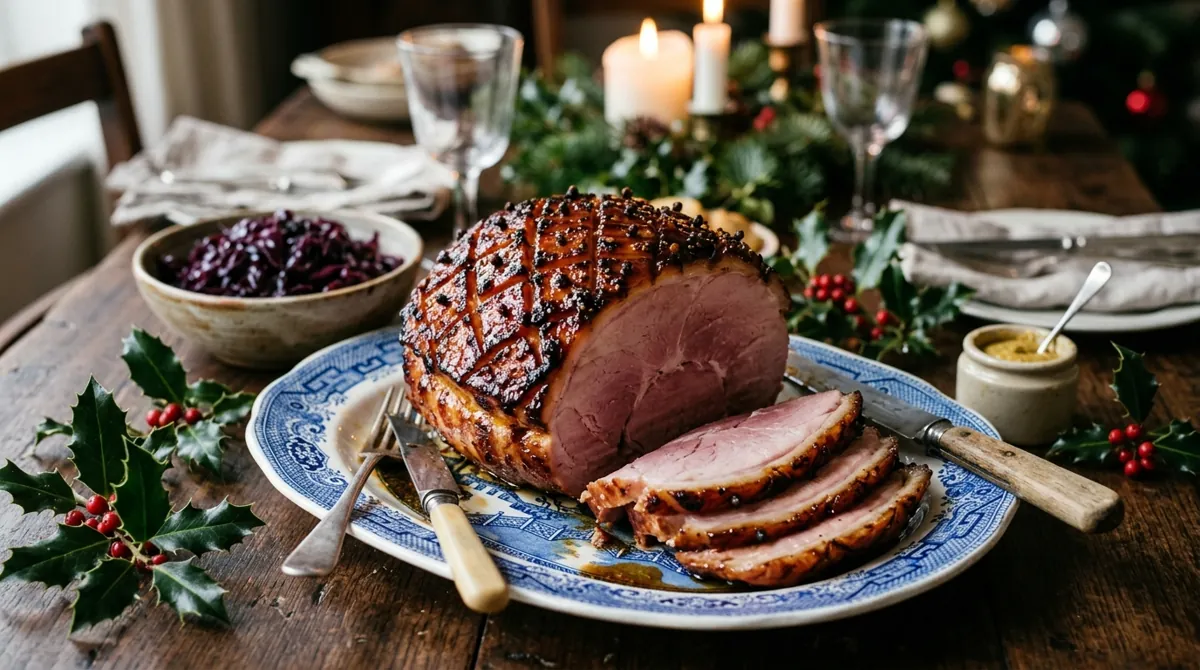
British Gammon Simmered in Cola with Treacle and Mustard Glaze
A mild-cure gammon joint simmered for over two hours in cola with an onion, then skinned, studded with cloves, painted with black treacle, patted with mustard powder and demerara sugar and blasted in a very hot oven.
Meatballs of the World

Italian-American Meatballs
Big, tender meatballs braised for an hour in red sauce over spaghetti. The one most Americans grew up with.

Pallottine (Abruzzo Meatballs)
Tiny meatballs, smaller than a marble, tossed right through square spaghetti alla chitarra. No bread at all.

Swedish Meatballs (Köttbullar)
Small, soft meatballs browned in butter, in a cream sauce made from the same pan, with lingonberry jam on the plate.

Danish Frikadeller
Pork meatballs shaped with a spoon and fried slowly in butter, crusty outside and soft in the middle.

Königsberger Klopse
German meatballs that are never fried: poached, then served in a creamy white sauce with capers.

Spanish Albóndigas in Almond Saffron Sauce
The tapas bar classic: small meatballs in a golden sauce thickened with fried almonds and bread.

Mexican Albóndigas with Chipotle and Mint
Soft meatballs with rice and fresh mint inside, simmered in a smoky tomato and chipotle broth.

Izgara Köfte (Turkish Grilled Meatballs)
Small, flat meatballs kneaded hard, rested cold, and charred on a hot grill pan.

Lion's Head Meatballs
Big, soft pork meatballs, stirred into a sticky paste, fried to set, then braised in a savory sauce.

Chicken Tsukune
Japan's chicken meatball: kneaded sticky, grilled on skewers, glazed with sweet soy tare, dipped in egg yolk.