
📜 Origin story
What Is Americanized Food?
It's the sweet General Tso's on your takeout menu and the cream in your Alfredo. Here's what the term means, why dishes change, and what the originals look like.
 By Americanized · Edited by JP Lambiase · November 6, 2026
Americanized food is a dish from another culture that changed after it reached the United States, usually to suit American tastes, ingredients and restaurants. Well-known examples include sweet, crispy General Tso's chicken and creamy fettuccine Alfredo. The American version often becomes a dish of its own, and it can be very different from the one it came from.
What the term means
"Americanized" is a plain description, not an official food category. People use it for a dish that kept its name while its recipe moved: sweeter, richer, bigger, or built from what was easy to buy here.
It usually comes up as a comparison. Someone tries the version served where a dish began, or a home cook from that place shrugs at the American one, and the gap between the two gets a name.
Why dishes change
There's no single cause, but the same few reasons keep coming up. Cooks work with the ingredients they can get here. Restaurants adjust for the customers in front of them. And once a version catches on, it becomes what people expect.
The first example below shows the customer side clearly, because the chef said so himself.
Example: General Tso's chicken
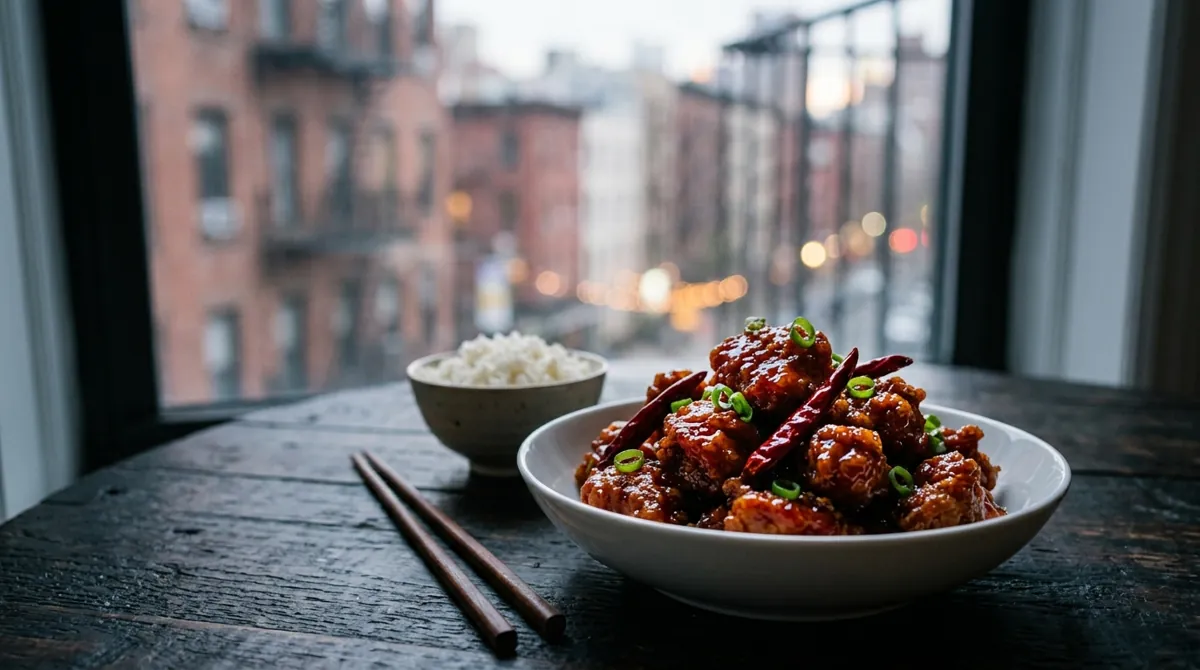
Our New York-style General Tso's is the sweet, crisp dish on takeout menus. Chef Peng Chang-kuei told food writer Fuchsia Dunlop that he created it in Taiwan in the 1950s, and that he changed the recipe when he began cooking for non-Hunanese diners in the United States. That origin is disputed: New York's Shun Lee Palace credits its chef T. T. Wang with a 1972 version.
Peng's earlier dish was not sweet in the same way, which you can see in our Taipei version. See more of how Chinese cooks built a cuisine for American diners in Chinese takeout.
Example: fettuccine Alfredo
In Rome, restaurateur Alfredo di Lelio is credited with the dish, traditionally dated to around 1908: fresh fettuccine, butter and Parmigiano. Our Roman version has no cream.
American film stars Mary Pickford and Douglas Fairbanks helped make it famous here in the 1920s. Cream came later, in the United States, and by 1966 an American noodle brand was printing a cream version. That's the root of the American version. The full history has the details.
It also runs the other way
Some dishes that feel the most American started elsewhere. Apple pie came from England, and the apples came with colonists, who had to plant European trees here first.
That's why we don't use "Americanized" as an insult. A dish that changed on its way here can be a good dish in its own right. It just helps to know where it started.
How to find the original
Americanized is built around that comparison: the original and the American version side by side, each with its own recipe. Start with fettuccine Alfredo or browse every recipe.
Questions people ask
Is Americanized food the same as fusion food?
Not quite. Fusion usually means a cook deliberately combining two cuisines. Americanized food usually keeps one dish's name and shifts it over time to fit the American market.
Is Americanized food inauthentic?
It's different from the original, but that doesn't make it fake. Many of these dishes were created or changed by immigrant cooks, and they have their own history here.
What is an example of Americanized Chinese food?
General Tso's chicken is the classic example. The sweet, crisp version spread from New York to takeout menus nationwide, though who invented it is disputed.
Parts of this history are disputed. Where sources disagree, we say so.
Sources
- NPR, "The Strange Tale of General Tso's Chicken" (Fuchsia Dunlop)
- Saveur, General Tso's chicken
- Wikipedia, General Tso's chicken
- Turismo Roma, "The Emperor of Fettuccine"
- Milk Street, "The Search for the Real Fettuccine Alfredo"
- Red Sauce America, "How Pennsylvania Dutch Noodles Americanized Fettuccine Alfredo"
- Smithsonian Magazine, "Why Apple Pie Is Linked to America"
More food facts
Cook it
New York-Style General Tso's Chicken
Chicken thigh pieces in a soy, egg and cornstarch batter, deep-fried crisp at 375°F, then tossed in a glossy, sweet and spicy sauce of chicken stock, Shaoxing wine, rice vinegar, tomato paste and apricot jam with ginger, garlic and dried chiles.
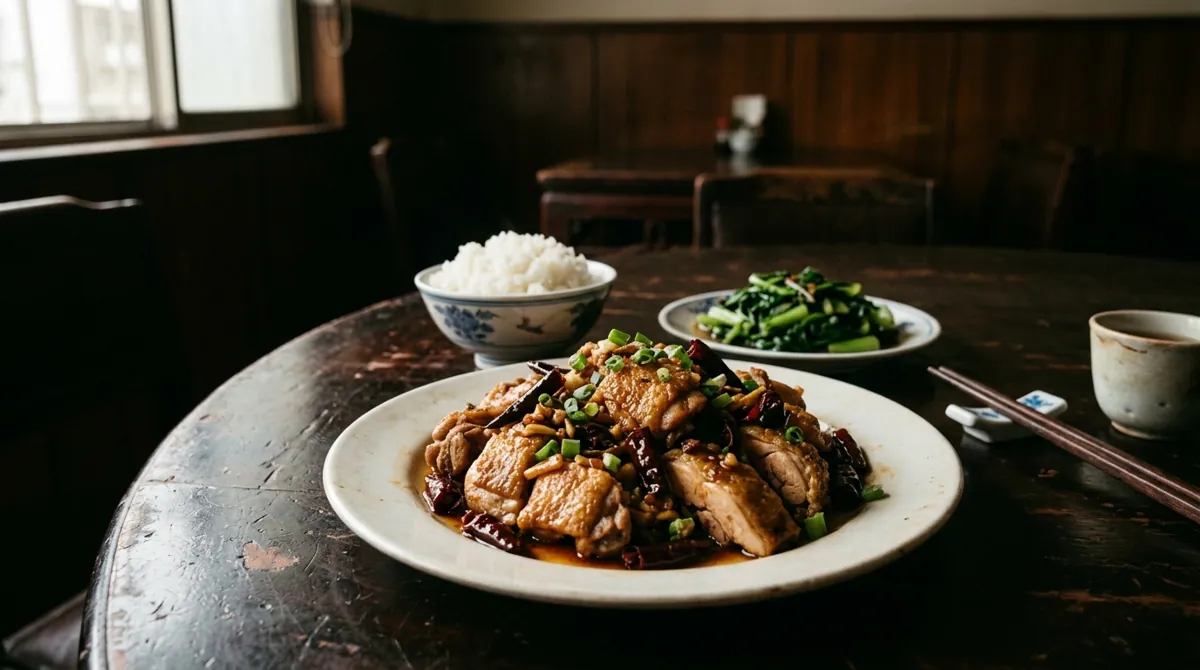
General Tso's Chicken, Peng Chang-kuei's Taipei Version (Hot and Sour, No Sugar)
Thin slices of skin-on chicken thigh in an egg-yolk and starch marinade, deep-fried crisp, then tossed with dried chiles, ginger and garlic in a hot and sour sauce of tomato paste, soy and rice vinegar, with no sugar at all.
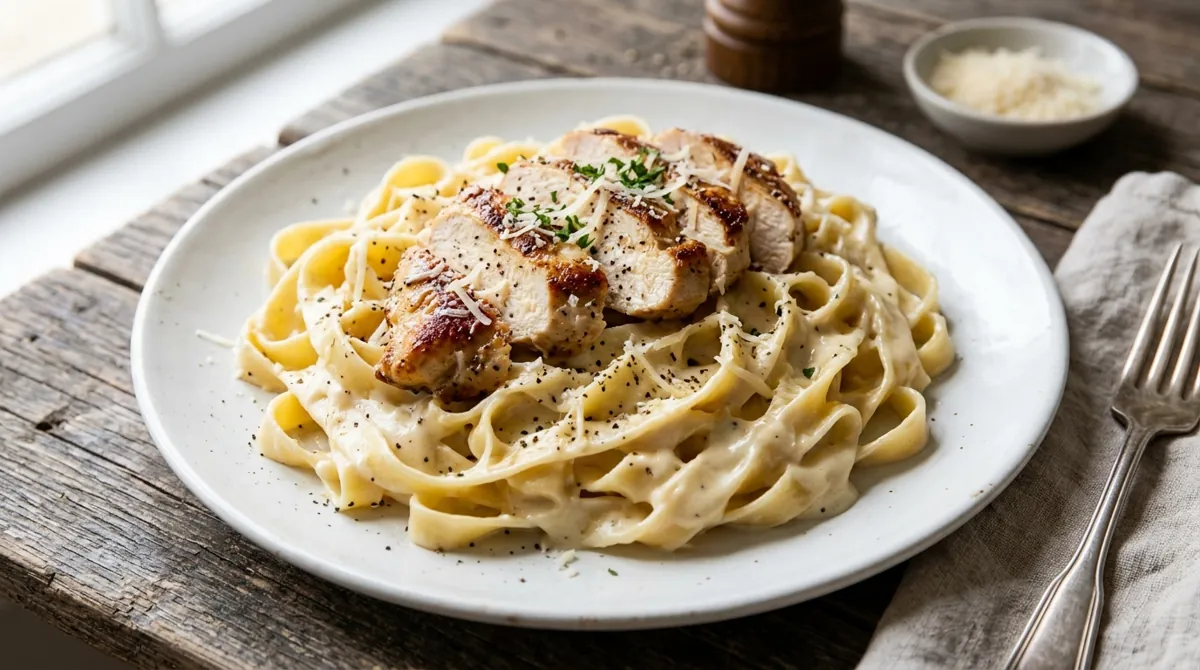
American Fettuccine Alfredo
Cream, butter, garlic, a mountain of Parmesan and sliced chicken. The Alfredo on almost every Italian-American menu.
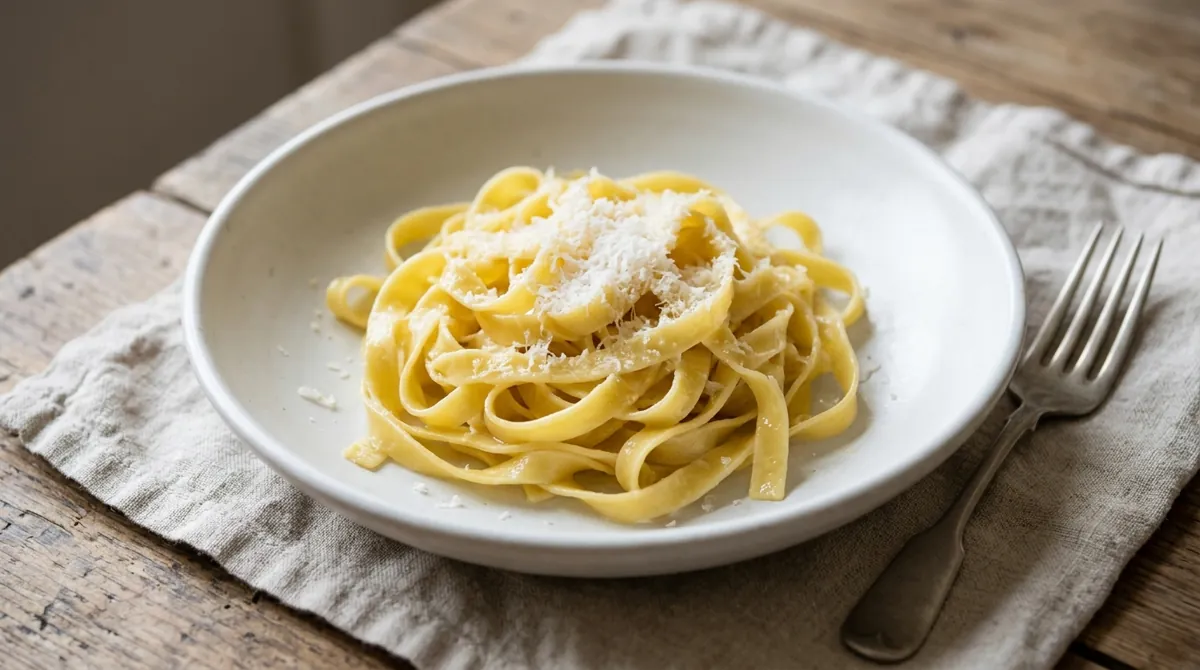
Roman Fettuccine Alfredo (Fettuccine al Burro)
Fresh pasta, butter and Parmigiano. No cream, no garlic, no chicken, and somehow creamier than ours.