
Älplermagronen (Swiss Alpine Macaroni)
Macaroni and potatoes boiled together, layered with grated Alpine cheese and a little cream, crowned with crispy onions and eaten with warm applesauce.
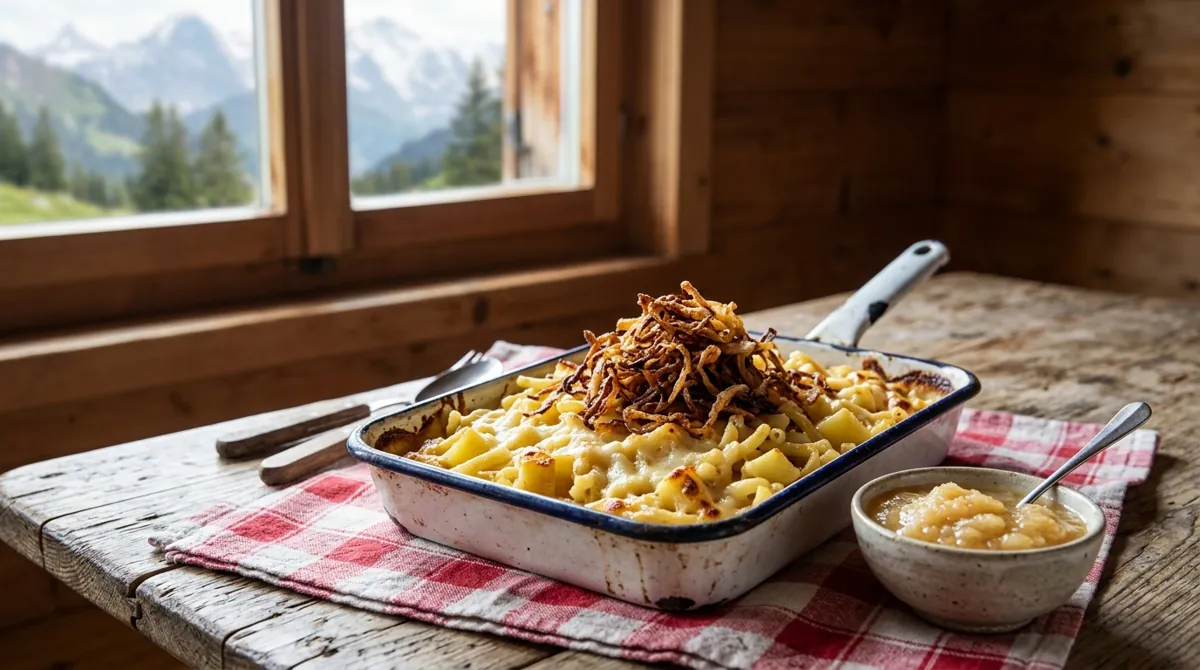
Älpler is the Swiss German word for an Alpine herder, and Magronen comes from the Italian maccheroni. The dish is herders' food: pasta, potatoes, cheese, cream and onions, traditionally served with apple compote. A popular theory says Italian workers building the Gotthard rail tunnel in the 1870s brought dry pasta north, but the Swiss newspaper Blick, quoted by Wikipedia, says experts are skeptical. Pasta was already being made in Switzerland: Wikipedia notes the country's first pasta factory opened in Lucerne in 1838. Paul Imhof, author of The Culinary Heritage of Switzerland, describes it on the Gastropod podcast as cooked pasta, in some regions with potatoes, finished with cheese and cream or butter. The Swiss milk producers' recipe site, Swissmilk, calls it an absolute Swiss classic and serves it with crispy onions and applesauce. It is a living cousin of American mac and cheese, not its ancestor.
Why it works the kitchen science
One pot for pasta and potatoes
Boiling them together means both come out tender at the same moment, and the potatoes add body without any flour sauce. If your pasta cooks in under 7 minutes, Swissmilk says to give the potatoes a few minutes head start.
Sweet against salty
Tart, cinnamon-scented applesauce cuts through the cheese and cream the way cranberry sauce cuts through turkey.
Step by step
- Step 1
Make the applesauce: bring the apples, apple juice, sugar and cinnamon stick to a boil in a saucepan, cover and simmer over low heat 10 to 15 minutes, until the apples are soft. Fish out the cinnamon and mash lightly, leaving it chunky.
- Step 2
Meanwhile, bring a large pot of well-salted water to a boil. Add the potatoes and macaroni together and boil 8 to 10 minutes, until both are just tender.
- Step 3
While they cook, toss the onion rings with the flour. Heat the clarified butter in a skillet over medium heat and fry the onions, stirring now and then, 8 to 10 minutes, until crisp and deep golden. Drain on paper towels.
- Step 4
Drain the macaroni and potatoes well. Layer them with the grated cheese back in the hot pot, or in a warmed serving dish.
- Step 5
Season the cream with salt, pepper and a little nutmeg and pour it over. Cover and let stand 2 minutes so the cheese melts into the cream.
- Step 6
Scatter the crispy onions over the top and serve hot, with the applesauce on the side.
Älplermagronen (Swiss Alpine Macaroni)
Serves 4 · about 8 cups, plus about 2 1/2 cups applesauce · 35 min total
Applesauce
- 1 1/3 lb tart apples, such as Boskoop or Granny Smith, peeled, cored and cut into chunks
- Scant 1/2 cup apple juice
- 2 to 3 tbsp sugar
- 1 cinnamon stick
Pasta and potatoes
- 1 1/3 lb waxy potatoes, such as Yukon Gold, peeled and cut into 1/2-inch cubes
- 9 oz short macaroni (Swiss Magronen or elbows; packages that cook in 7 to 10 minutes)
- Salt for the water
To finish
- 9 oz Gruyère or another Swiss Alpine cheese, coarsely grated (about 2 1/4 cups)
- Scant 1/2 cup heavy cream
- Salt, black pepper and freshly grated nutmeg
Crispy onions
- 2 medium onions, sliced into thin rings
- 1 1/2 tbsp all-purpose flour
- 2 tbsp clarified butter or ghee
Method
- Make the applesauce: bring the apples, apple juice, sugar and cinnamon stick to a boil in a saucepan, cover and simmer over low heat 10 to 15 minutes, until the apples are soft. Fish out the cinnamon and mash lightly, leaving it chunky.
- Meanwhile, bring a large pot of well-salted water to a boil. Add the potatoes and macaroni together and boil 8 to 10 minutes, until both are just tender.
- While they cook, toss the onion rings with the flour. Heat the clarified butter in a skillet over medium heat and fry the onions, stirring now and then, 8 to 10 minutes, until crisp and deep golden. Drain on paper towels.
- Drain the macaroni and potatoes well. Layer them with the grated cheese back in the hot pot, or in a warmed serving dish.
- Season the cream with salt, pepper and a little nutmeg and pour it over. Cover and let stand 2 minutes so the cheese melts into the cream.
- Scatter the crispy onions over the top and serve hot, with the applesauce on the side.
Adapted from Swissmilk (the Swiss milk producers' recipe site), "Älplermagronen", 4 servings, translated and converted to US amounts. Swissmilk does not give the frying fat amount or the onion frying time; 2 tbsp clarified butter and 8 to 10 minutes are ours. Swissmilk's "Reibkäse" (grated cheese) is unnamed; we use Gruyère, a common Swiss choice. swissmilk.ch. Ingredient list follows the source; the method is in our own words.
All sources (3)
Tips
- Swissmilk suggests boiling the pasta and potatoes in milk, or half milk and half water, for a richer version.
- Wikipedia says some regions add fried bacon, ham strips or cervelat sausage.
- Leftover applesauce keeps 5 days in the refrigerator and is good on pancakes.
The rules people argue about
What the sources agree on, what they don't, and what is just a good story.
- Applesauce on the side. Documented as the classic way to serve it (Swissmilk; Wikipedia).
- Potatoes in the pot. Documented as usual, but Wikipedia says cooks in the canton of Uri leave them out (that line carries no citation).
- Italian tunnel workers brought the pasta. Disputed: a popular theory ties it to Gotthard tunnel workers in the 1870s; Blick, quoted by Wikipedia, says experts are skeptical, and Wikipedia records a Lucerne pasta factory in 1838.
- Älplermagronen is the original mac and cheese. Folklore: it is a cousin. American baked macaroni descends from English recipes (see our Virginia House-Wife Baked Macaroni recipe), not from Swiss herders.
- In Obwalden it is "Hindersi-Magronen", made in reverse order. Documented in Wikipedia (citing a Swiss source we did not read).
Every other mac and cheese
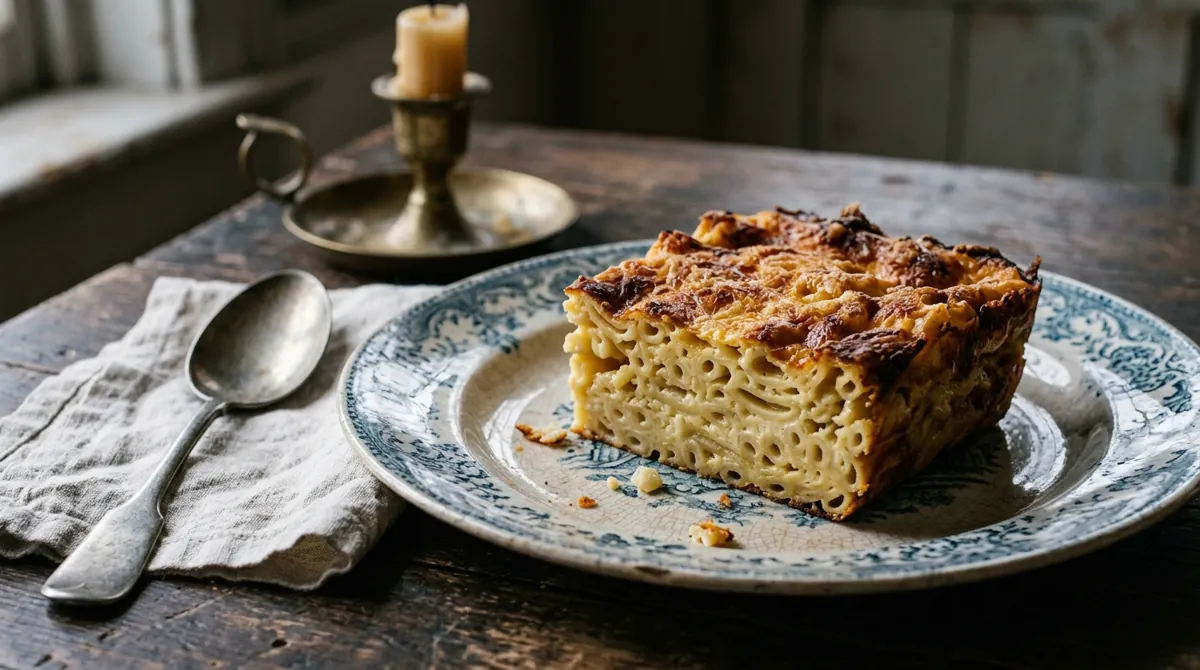
Virginia House-Wife Baked Macaroni (1824)
The earliest known printed American mac and cheese: macaroni boiled in milk and water, layered with sliced cheese and butter, and baked in a hot oven.
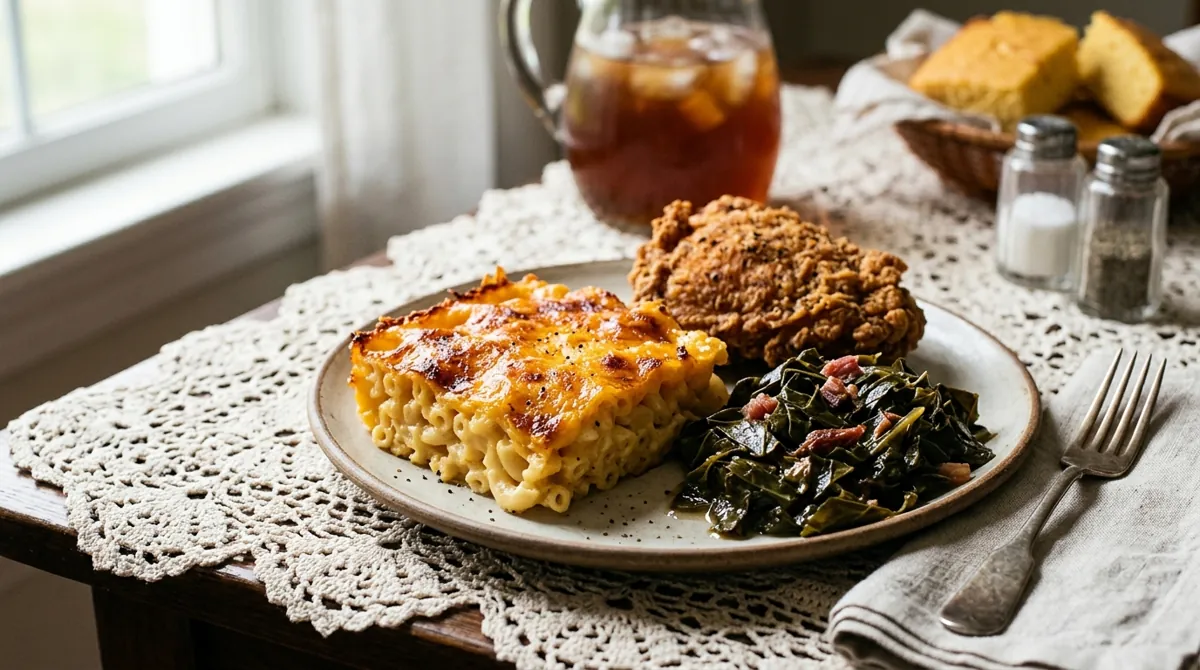
Southern Baked Macaroni and Cheese
Layers of elbow macaroni, cheddar and Jack bound with beaten eggs, evaporated milk, sour cream and butter, then baked until it sets firm enough to cut, with a crusty, browned top.
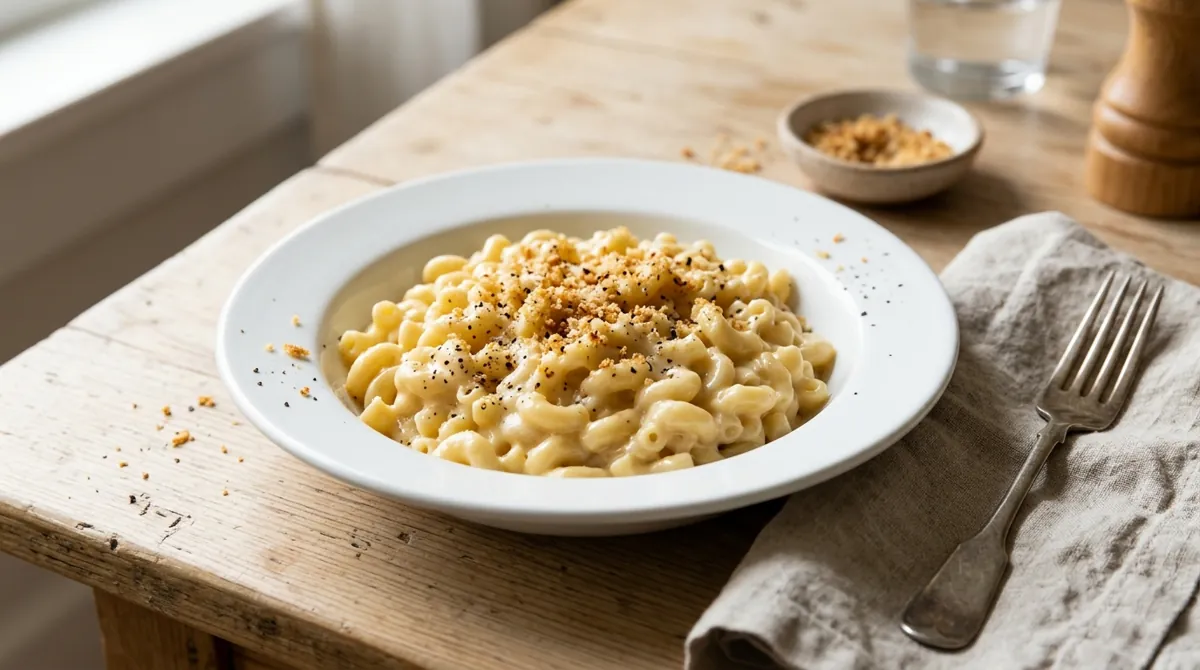
Creamy Stovetop Macaroni and Cheese
Elbows folded into a smooth béchamel cheese sauce made with Monterey Jack and sharp cheddar, with an optional buttery crumb top browned under the broiler.
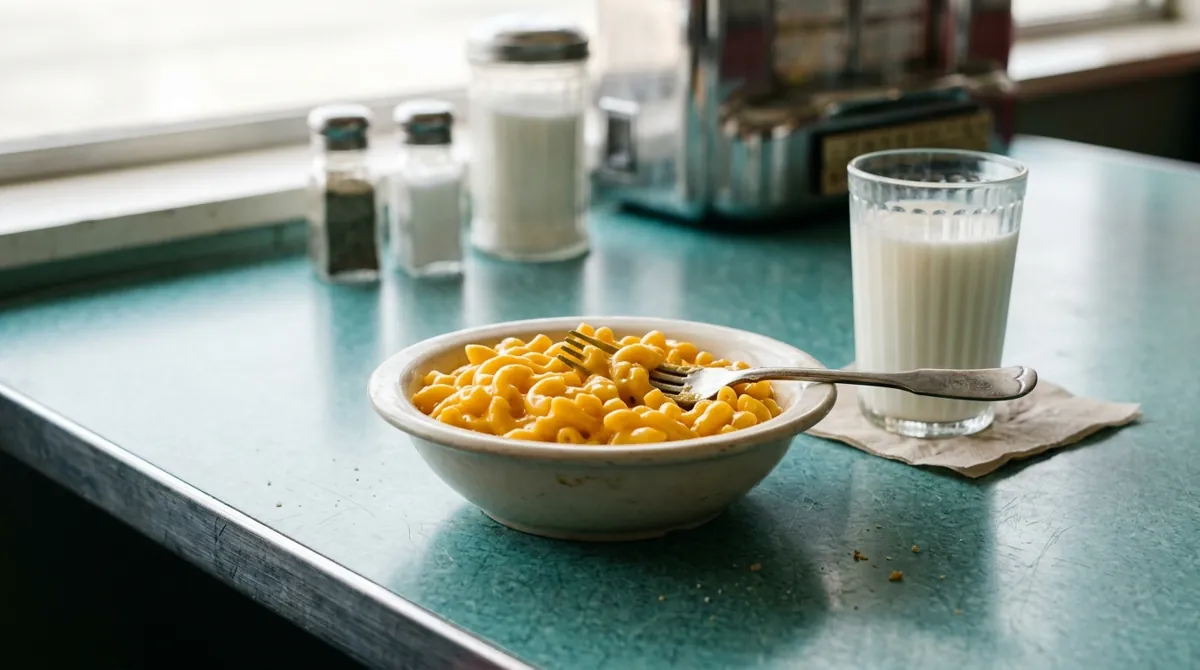
Blue Box Style Mac and Cheese (Homemade Mix)
A homemade pantry mix of cheddar cheese powder, dry milk and mustard that turns hot elbows into bright, smooth boxed-style mac in about 15 minutes. Inspired by Kraft Macaroni and Cheese, not official.
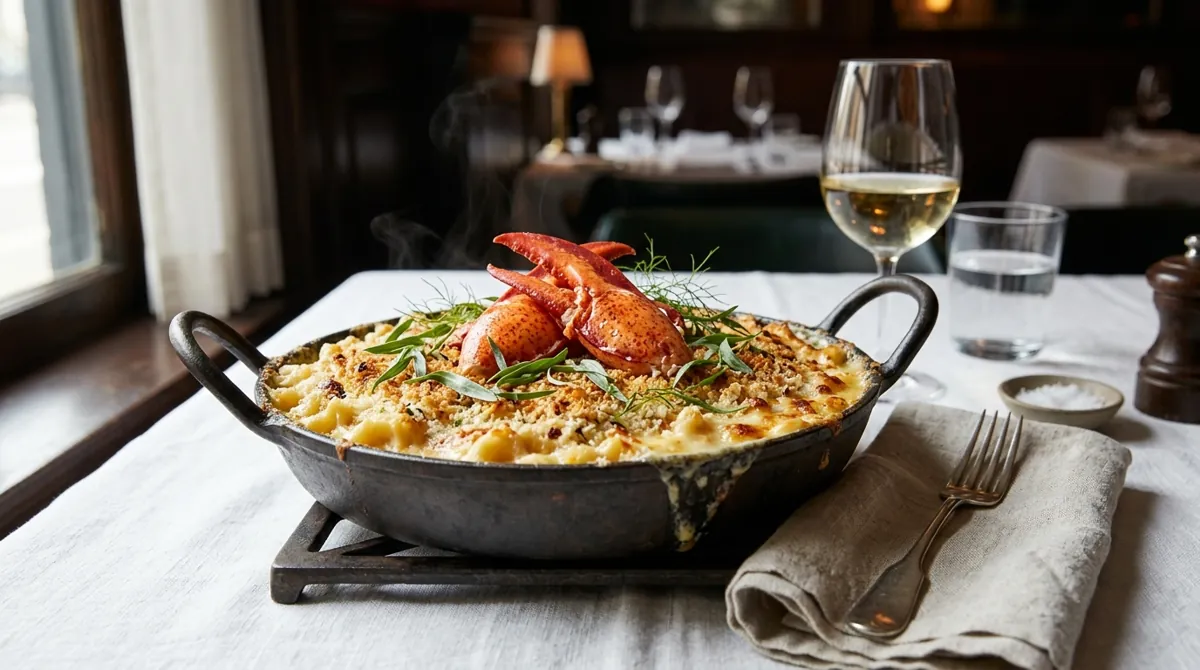
Lobster Mac and Cheese
Fresh-cooked lobster folded into macaroni with a nutty, browned-roux cheddar sauce made with the lobster cooking liquid and a pinch of mace, finished with whole claws and herbs.
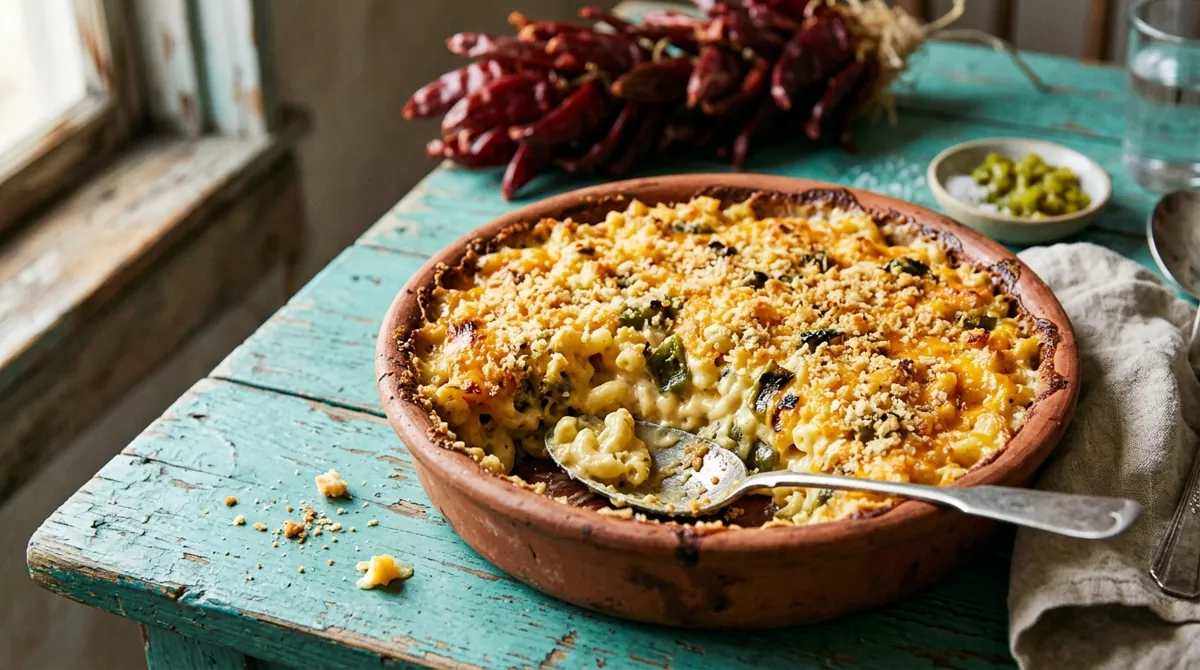
New Mexico Green Chile Mac and Cheese
Elbows baked in a tangy cheese sauce of goat cheese, fontina and aged cheddar studded with roasted New Mexico green chile, under a crunchy toasted crumb top.
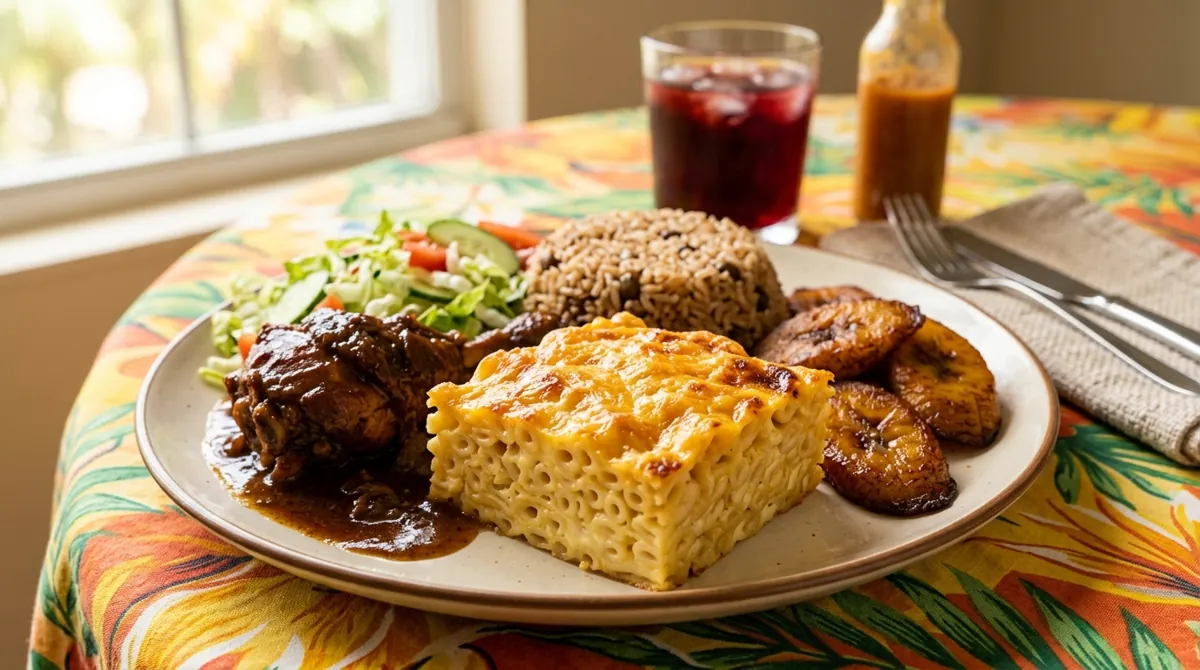
Trinidad Macaroni Pie
Macaroni bound with eggs, evaporated milk and cheddar, seasoned with onion, dry mustard and a little Scotch bonnet, then baked firm under a paprika-dusted top and cut into squares.
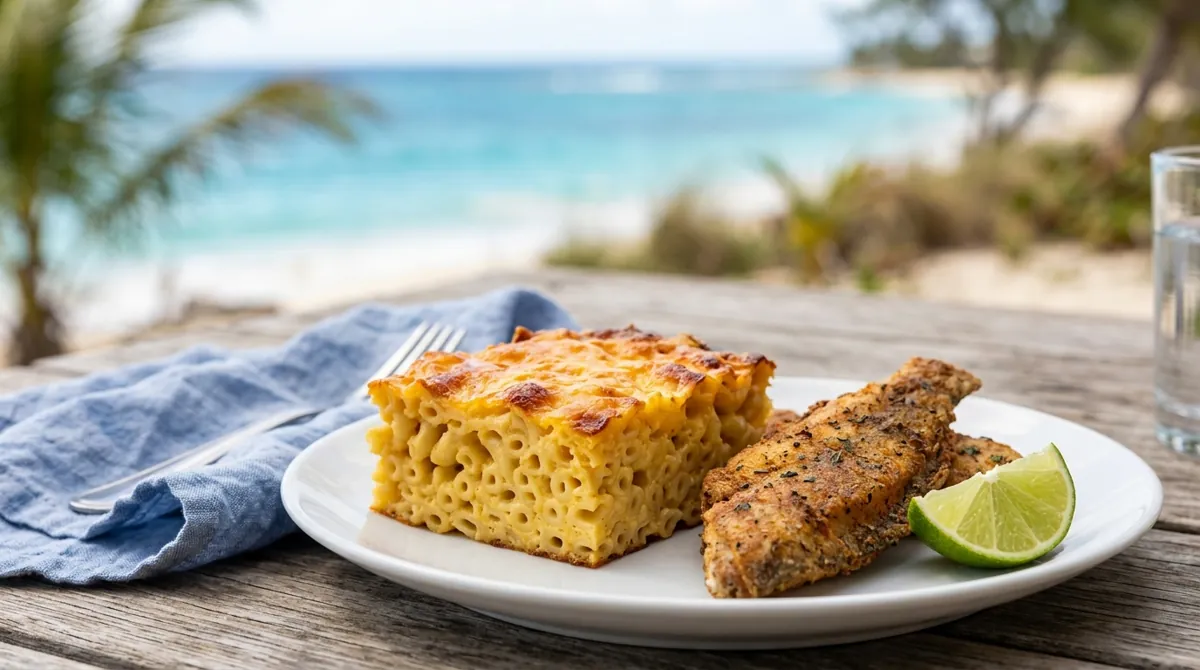
Barbados Macaroni Pie
Tube macaroni baked firm with a lot of cheddar, evaporated milk, an egg, grated onion and the Bajan signature, ketchup and yellow mustard, under a golden cheese top.
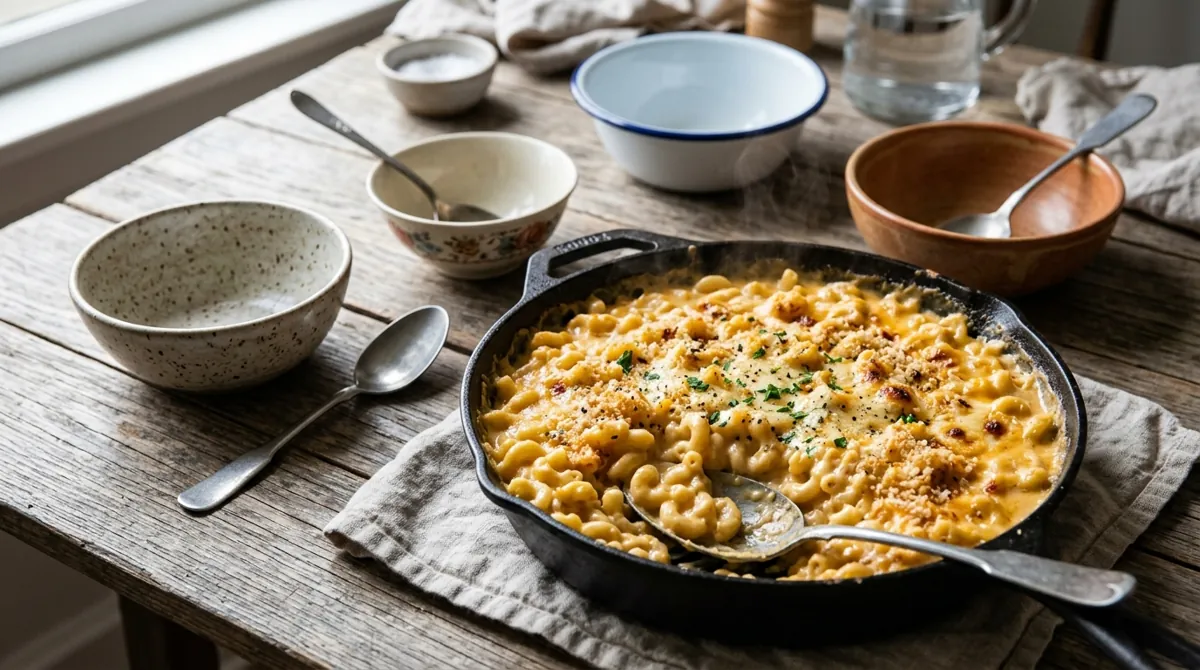
20-Minute One-Pot Mac and Cheese
Three ingredients and one pot: elbows simmered in just enough water to cover, then turned into a silky cheddar sauce with a can of evaporated milk.
Meatballs of the World

Italian-American Meatballs
Big, tender meatballs braised for an hour in red sauce over spaghetti. The one most Americans grew up with.

Pallottine (Abruzzo Meatballs)
Tiny meatballs, smaller than a marble, tossed right through square spaghetti alla chitarra. No bread at all.

Swedish Meatballs (Köttbullar)
Small, soft meatballs browned in butter, in a cream sauce made from the same pan, with lingonberry jam on the plate.

Danish Frikadeller
Pork meatballs shaped with a spoon and fried slowly in butter, crusty outside and soft in the middle.

Königsberger Klopse
German meatballs that are never fried: poached, then served in a creamy white sauce with capers.

Spanish Albóndigas in Almond Saffron Sauce
The tapas bar classic: small meatballs in a golden sauce thickened with fried almonds and bread.

Mexican Albóndigas with Chipotle and Mint
Soft meatballs with rice and fresh mint inside, simmered in a smoky tomato and chipotle broth.

Izgara Köfte (Turkish Grilled Meatballs)
Small, flat meatballs kneaded hard, rested cold, and charred on a hot grill pan.

Lion's Head Meatballs
Big, soft pork meatballs, stirred into a sticky paste, fried to set, then braised in a savory sauce.

Chicken Tsukune
Japan's chicken meatball: kneaded sticky, grilled on skewers, glazed with sweet soy tare, dipped in egg yolk.