
20-Minute One-Pot Mac and Cheese
Three ingredients and one pot: elbows simmered in just enough water to cover, then turned into a silky cheddar sauce with a can of evaporated milk.
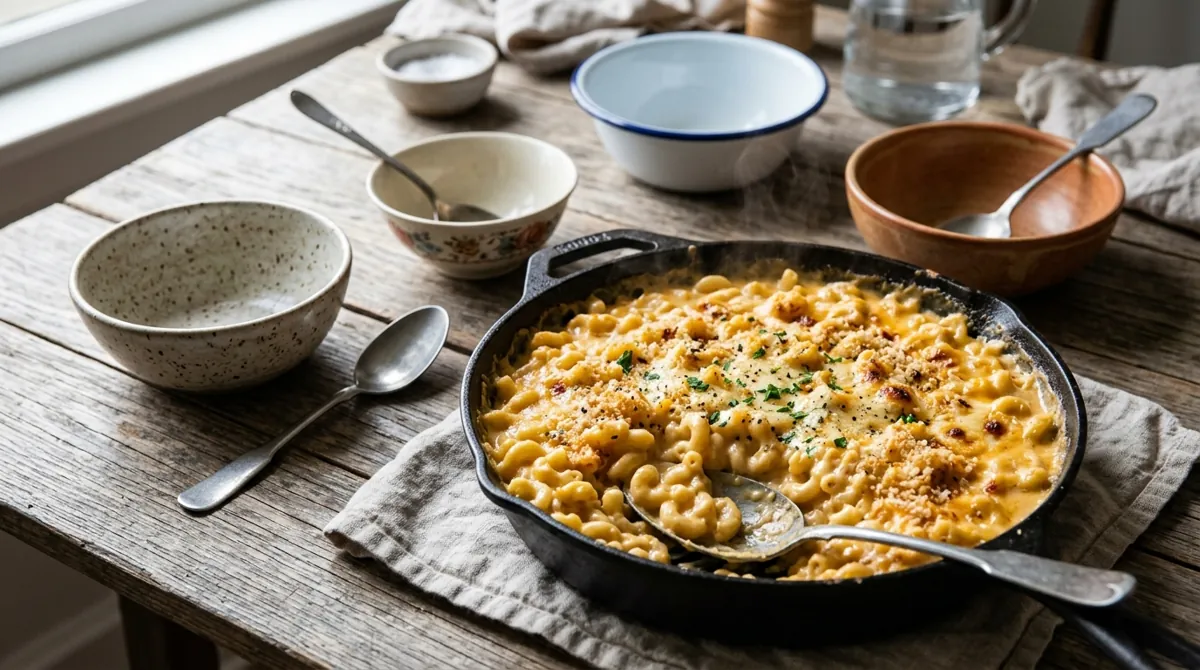
J. Kenji López-Alt built this for Serious Eats on a simple boast: a pot of creamy mac and cheese made with three ingredients in about 10 minutes, one fewer ingredient than you add to a box of Kraft. The trick came from the Roman dish cacio e pepe, where pasta cooked in very little water leaves behind enough starch to turn grated cheese into a sauce. He swapped pecorino for cheddar and added evaporated milk to keep it smooth. His recipe makes 2 servings by "thinking in sixes"; this is a double batch for a family.
🇺🇸 This one is American
Three ingredients and one pot: elbows simmered in just enough water to cover, then turned into a silky cheddar sauce with a can of evaporated milk.
🇺🇸 The original
The oldest American recipe we could read, from 1824, is simple: boiled macaroni layered with butter and grated cheese and baked until it browns. No cheese sauce, no box. See the Virginia House-Wife Baked Macaroni (1824) recipe.
Why it works the kitchen science
Less water, more starch
Cooking the pasta in barely enough water keeps the starch it sheds in the pot, and that starch helps the cheese emulsify into a smooth sauce instead of turning tough and greasy (Serious Eats).
Evaporated milk as the base
It is a concentrated source of milk proteins that act as emulsifiers, keeping the sauce creamy, and adding it at the end avoids the scorching you get when you cook pasta in milk (Serious Eats).
Step by step
- Step 1
Put the macaroni in a 12-inch skillet or wide 4-quart saucepan and add just enough cold water to cover it. Add a big pinch of salt.
- Step 2
Bring to a boil over high heat, stirring often, and keep cooking and stirring until the water is almost all absorbed and the macaroni is just shy of al dente, 8 to 9 minutes. Add a splash of water if it dries out before the pasta is ready.
- Step 3
Pour in the evaporated milk and bring it to a boil.
- Step 4
Add the cheese (and the mustard or hot sauce if using), turn the heat to low and stir constantly until the cheese melts and the sauce turns creamy, about 2 minutes.
- Step 5
Taste for salt and serve right away.
20-Minute One-Pot Mac and Cheese
Serves 4 · about 6 cups · 20 min total
- 12 oz elbow macaroni
- Salt
- 1 can (12 oz) evaporated milk
- 12 oz mild or medium cheddar, grated (or any good melting cheese, such as Fontina, Gruyère or Jack)
- Optional: 1/2 tsp dry mustard or a few dashes of hot sauce
Method
- Put the macaroni in a 12-inch skillet or wide 4-quart saucepan and add just enough cold water to cover it. Add a big pinch of salt.
- Bring to a boil over high heat, stirring often, and keep cooking and stirring until the water is almost all absorbed and the macaroni is just shy of al dente, 8 to 9 minutes. Add a splash of water if it dries out before the pasta is ready.
- Pour in the evaporated milk and bring it to a boil.
- Add the cheese (and the mustard or hot sauce if using), turn the heat to low and stir constantly until the cheese melts and the sauce turns creamy, about 2 minutes.
- Taste for salt and serve right away.
Adapted from Serious Eats, "3-Ingredient Stovetop Mac and Cheese" by J. Kenji López-Alt (2 servings), doubled to 4. Doubling in a wider pan and the 8 to 9 minute cooking time for the larger batch are our estimates; the optional mustard and hot sauce are ours. Serious Eats. Ingredient list follows the source; the method is in our own words.
All sources (1)
Tips
- If dinner is delayed, the sauce thickens as it sits; stir in a splash of milk or water to loosen it (Serious Eats).
- Grate the cheese yourself. Pre-shredded cheese is coated with starch and melts less smoothly.
- Stir in frozen peas or diced ham during the last minute for a one-pot dinner.
The rules people argue about
What the sources agree on, what they don't, and what is just a good story.
- Mac and cheese needs a roux. Folklore: this sauce has no flour at all; starch from the pasta water and milk proteins do the job (Serious Eats).
- Faster than the box. Documented as Kenji's claim: about 10 minutes for 2 servings, the same time as the boxed kind.
- Never cook pasta in a small amount of water. Folklore: Kenji's method depends on it, as long as you stir often.
Every other mac and cheese
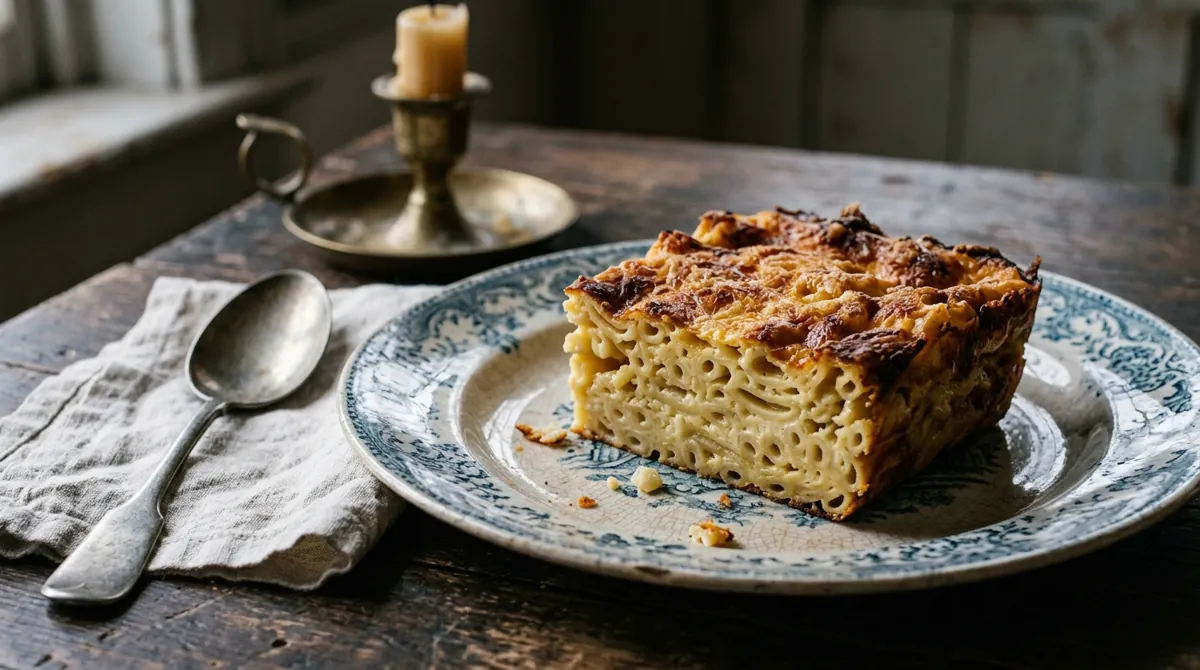
Virginia House-Wife Baked Macaroni (1824)
The earliest known printed American mac and cheese: macaroni boiled in milk and water, layered with sliced cheese and butter, and baked in a hot oven.
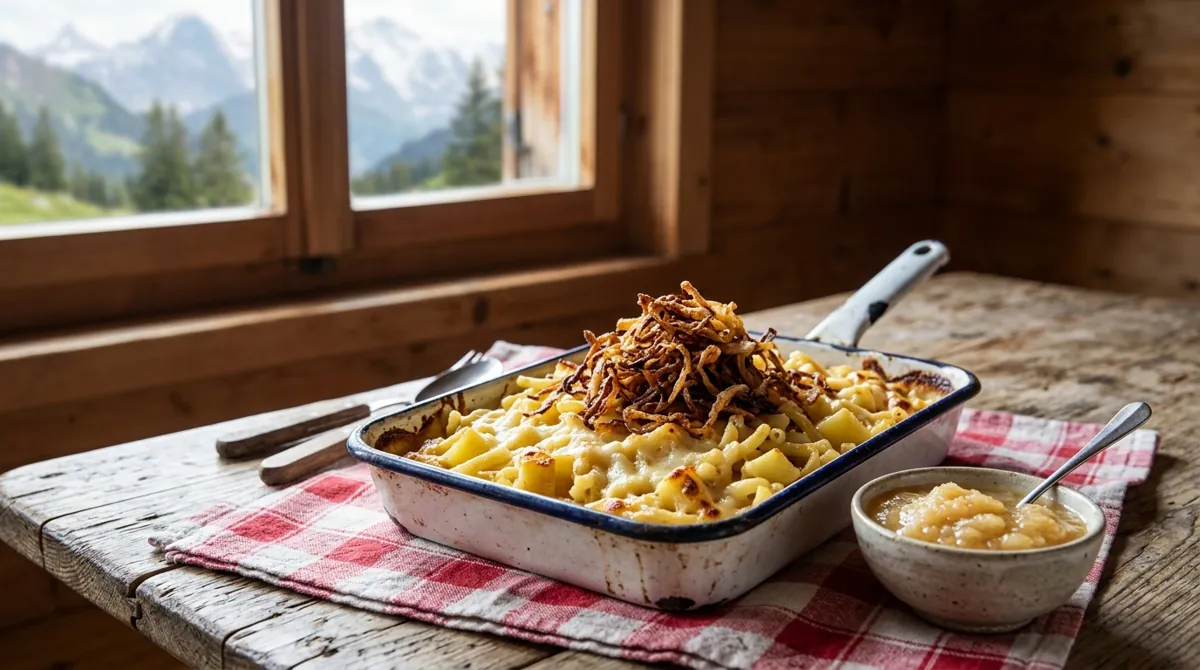
Älplermagronen (Swiss Alpine Macaroni)
Macaroni and potatoes boiled together, layered with grated Alpine cheese and a little cream, crowned with crispy onions and eaten with warm applesauce.
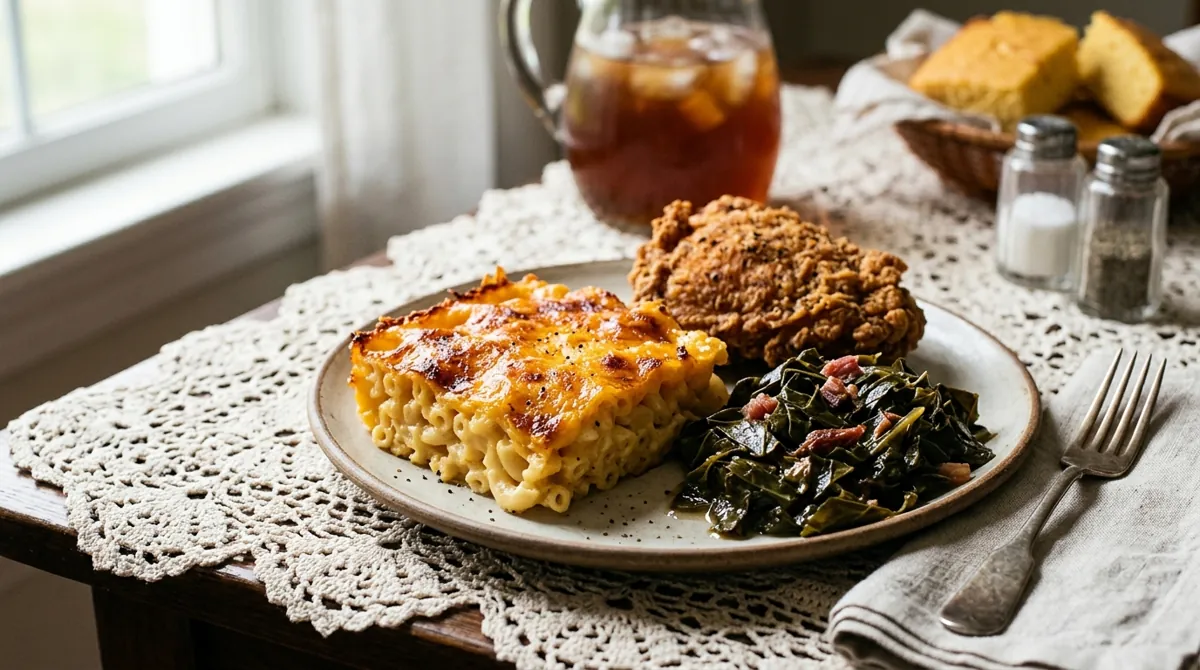
Southern Baked Macaroni and Cheese
Layers of elbow macaroni, cheddar and Jack bound with beaten eggs, evaporated milk, sour cream and butter, then baked until it sets firm enough to cut, with a crusty, browned top.
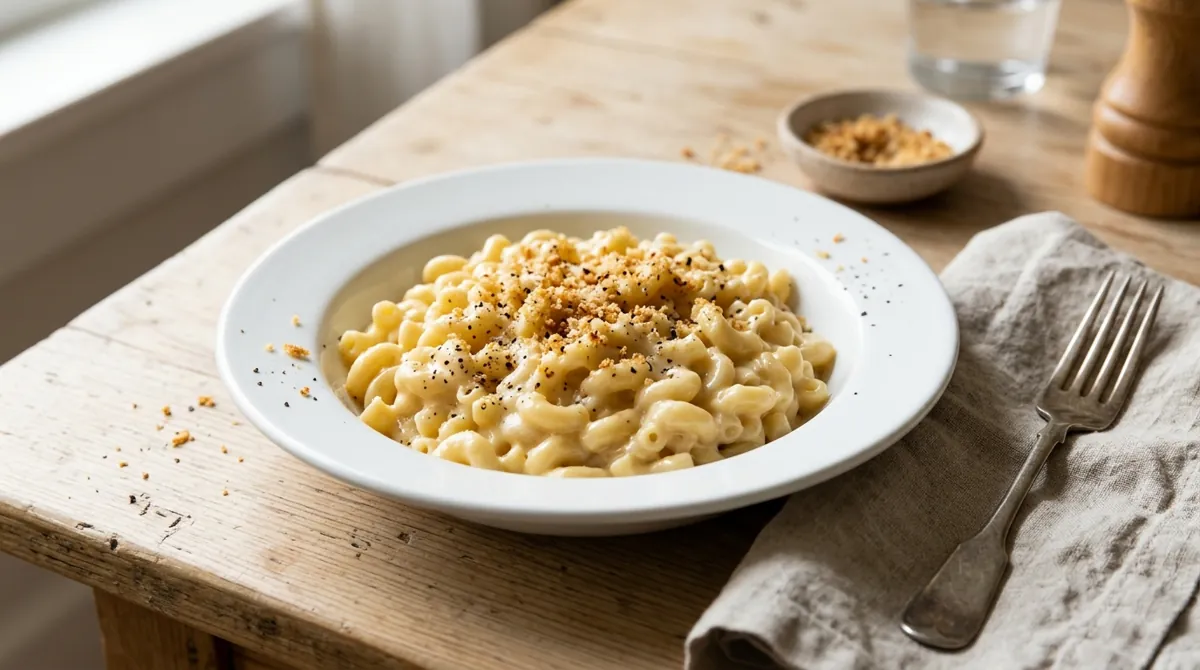
Creamy Stovetop Macaroni and Cheese
Elbows folded into a smooth béchamel cheese sauce made with Monterey Jack and sharp cheddar, with an optional buttery crumb top browned under the broiler.
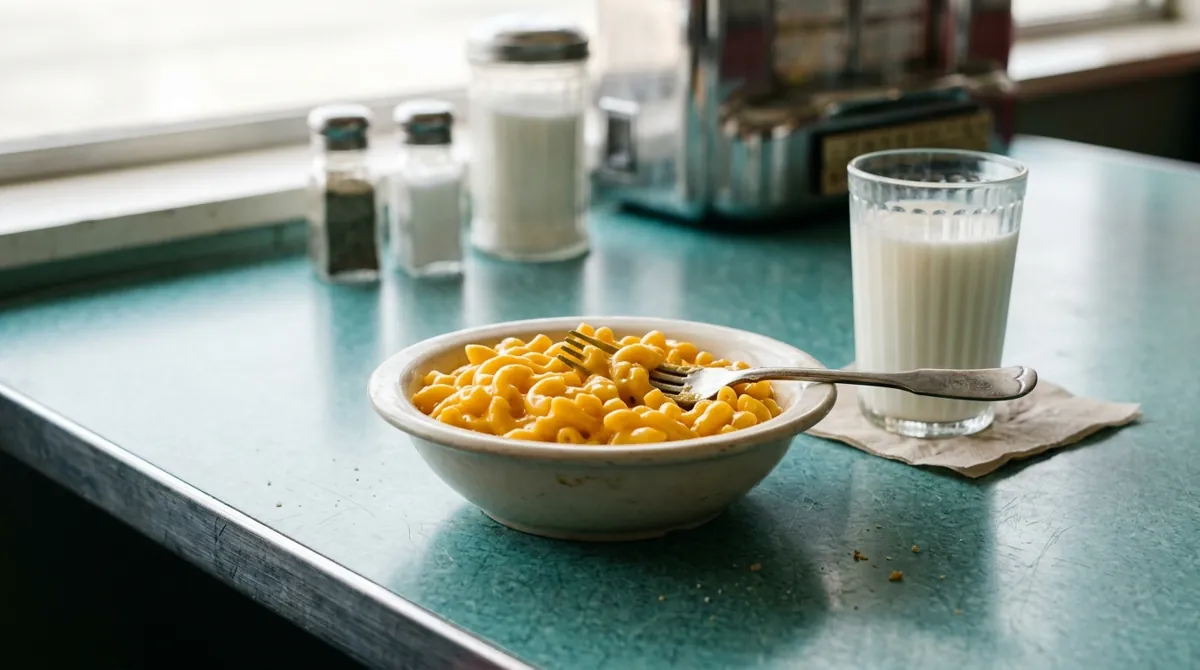
Blue Box Style Mac and Cheese (Homemade Mix)
A homemade pantry mix of cheddar cheese powder, dry milk and mustard that turns hot elbows into bright, smooth boxed-style mac in about 15 minutes. Inspired by Kraft Macaroni and Cheese, not official.
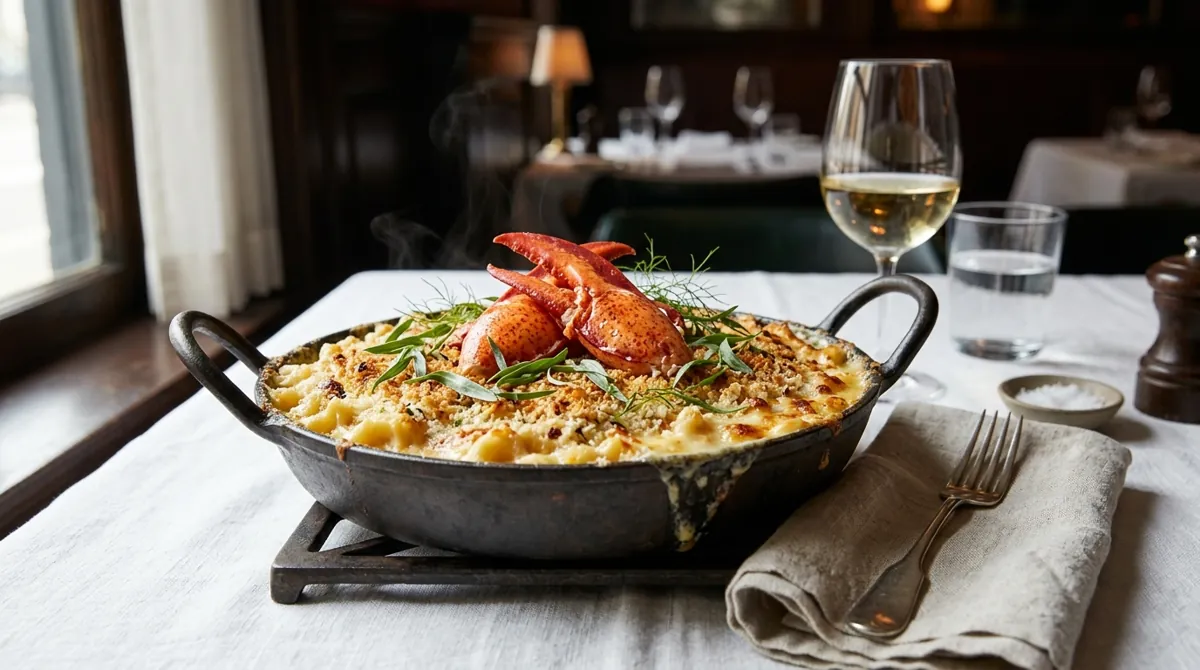
Lobster Mac and Cheese
Fresh-cooked lobster folded into macaroni with a nutty, browned-roux cheddar sauce made with the lobster cooking liquid and a pinch of mace, finished with whole claws and herbs.
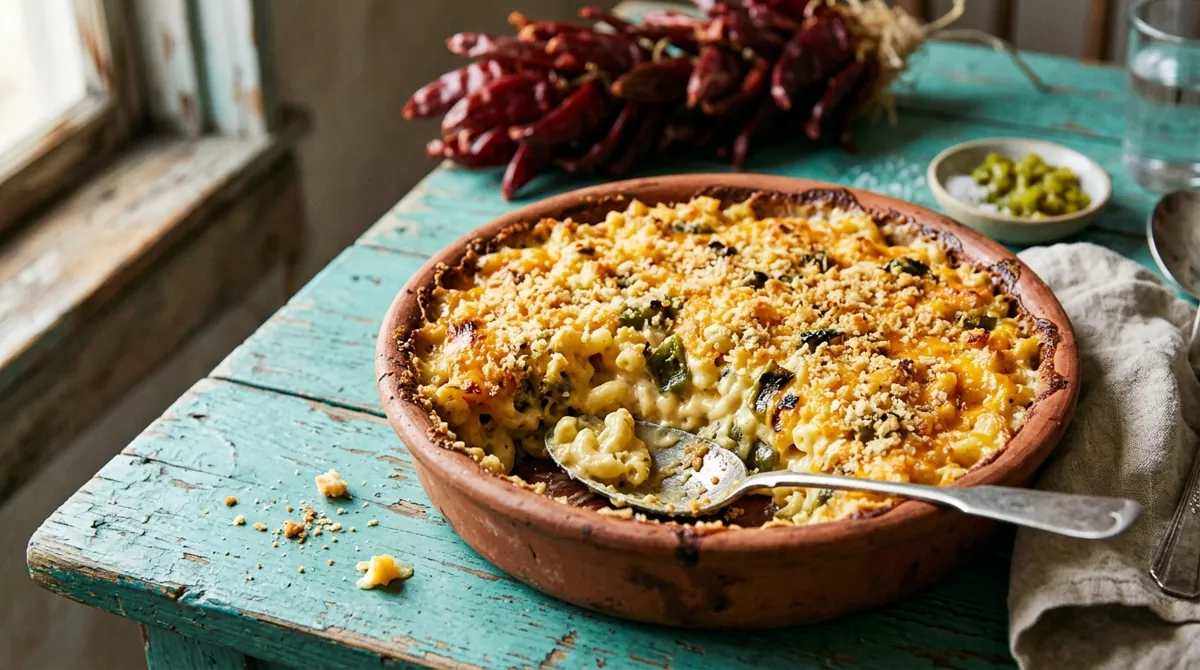
New Mexico Green Chile Mac and Cheese
Elbows baked in a tangy cheese sauce of goat cheese, fontina and aged cheddar studded with roasted New Mexico green chile, under a crunchy toasted crumb top.
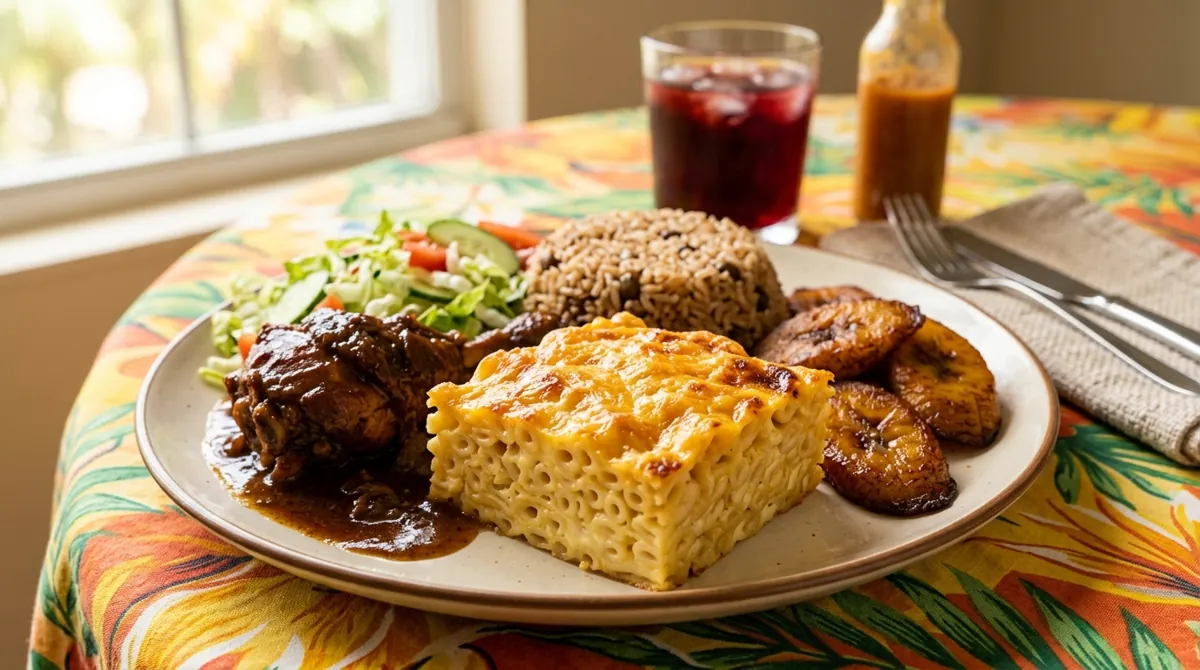
Trinidad Macaroni Pie
Macaroni bound with eggs, evaporated milk and cheddar, seasoned with onion, dry mustard and a little Scotch bonnet, then baked firm under a paprika-dusted top and cut into squares.
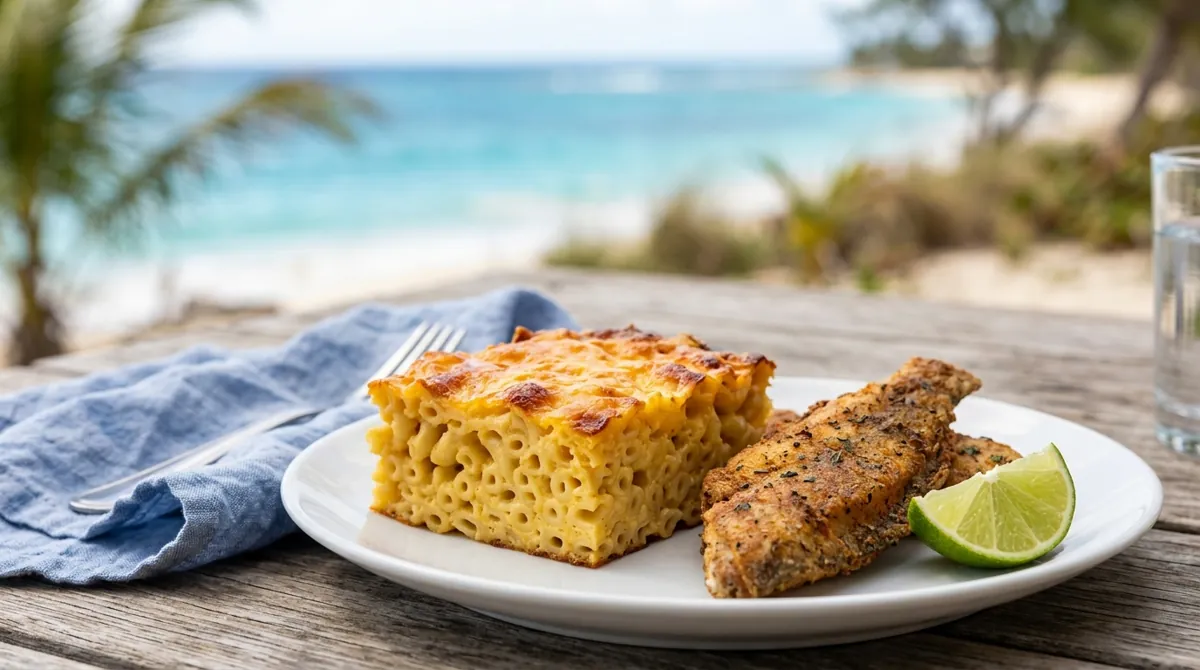
Barbados Macaroni Pie
Tube macaroni baked firm with a lot of cheddar, evaporated milk, an egg, grated onion and the Bajan signature, ketchup and yellow mustard, under a golden cheese top.
Meatballs of the World

Italian-American Meatballs
Big, tender meatballs braised for an hour in red sauce over spaghetti. The one most Americans grew up with.

Pallottine (Abruzzo Meatballs)
Tiny meatballs, smaller than a marble, tossed right through square spaghetti alla chitarra. No bread at all.

Swedish Meatballs (Köttbullar)
Small, soft meatballs browned in butter, in a cream sauce made from the same pan, with lingonberry jam on the plate.

Danish Frikadeller
Pork meatballs shaped with a spoon and fried slowly in butter, crusty outside and soft in the middle.

Königsberger Klopse
German meatballs that are never fried: poached, then served in a creamy white sauce with capers.

Spanish Albóndigas in Almond Saffron Sauce
The tapas bar classic: small meatballs in a golden sauce thickened with fried almonds and bread.

Mexican Albóndigas with Chipotle and Mint
Soft meatballs with rice and fresh mint inside, simmered in a smoky tomato and chipotle broth.

Izgara Köfte (Turkish Grilled Meatballs)
Small, flat meatballs kneaded hard, rested cold, and charred on a hot grill pan.

Lion's Head Meatballs
Big, soft pork meatballs, stirred into a sticky paste, fried to set, then braised in a savory sauce.

Chicken Tsukune
Japan's chicken meatball: kneaded sticky, grilled on skewers, glazed with sweet soy tare, dipped in egg yolk.