
Blue Box Style Mac and Cheese (Homemade Mix)
A homemade pantry mix of cheddar cheese powder, dry milk and mustard that turns hot elbows into bright, smooth boxed-style mac in about 15 minutes. Inspired by Kraft Macaroni and Cheese, not official.
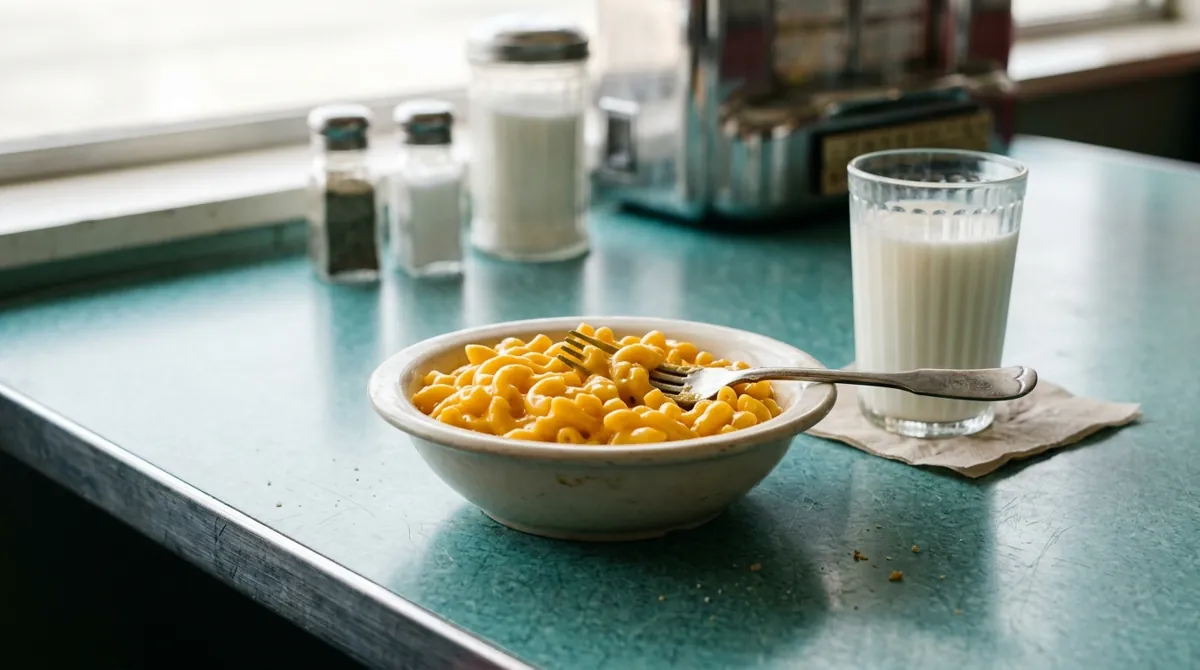
Inspired by Kraft Macaroni and Cheese. Not an official Kraft recipe: Kraft does not publish its cheese sauce formula, and nothing here claims to reproduce it.
The box starts with processed cheese. Gastropod reports that James L. Kraft received his first processed cheese patent in 1916 for a cooking method that killed the microbes that made cheddar spoil (transcript, 2018:). The Chicago History Museum says Kraft introduced boxed macaroni and cheese in 1937 at 19 cents a box, and that it was a hit through the Great Depression and into World War II, when rationing was on and working women had little time at home (July 14, 2020:). News coverage of Kraft's 2022 renaming, quoting the company, says it launched as Kraft Dinner in a yellow box, sold 8 million boxes in its first year and switched to blue boxes and the Macaroni and Cheese name in 1954. In Canada it is still Kraft Dinner, and journalist Sasha Chapman called it Canada's de facto national dish (Gastropod; Wikipedia:).
🇺🇸 This one is American
A homemade pantry mix of cheddar cheese powder, dry milk and mustard that turns hot elbows into bright, smooth boxed-style mac in about 15 minutes. Inspired by Kraft Macaroni and Cheese, not official.
🇺🇸 The original
The oldest American recipe we could read, from 1824, is simple: boiled macaroni layered with butter and grated cheese and baked until it browns. No cheese sauce, no box. See the Virginia House-Wife Baked Macaroni (1824) recipe.
Why it works the kitchen science
Powdered cheese can't break
Cheddar cheese powder is cheese that has been melted, sprayed into tiny droplets and dried (ATK), so it dissolves into butter and liquid without the clumping or oiling out that grated cheese can do.
Dry milk adds body
The milk powder supplies extra milk solids, so a small splash of water makes a sauce that coats like the boxed kind.
Step by step
- Step 1
Make the mix: whisk the cheese powder, milk powder and dry mustard in a large bowl until completely even, about 1 minute. Store it airtight at room temperature (ATK says at least 2 months).
- Step 2
Bring 4 quarts water to a boil in a large pot. Add the macaroni and salt and cook, stirring now and then, until al dente, 8 to 10 minutes.
- Step 3
Whisk the stored mix right in its container so the powders are evenly blended, and measure out 1 cup.
- Step 4
Drain the macaroni and return it to the hot pot, off the heat.
- Step 5
Add the butter, 1 cup mix and the water or milk and stir with a rubber spatula until no dry powder remains and the sauce is smooth and glossy, about 1 minute. Serve right away.
Blue Box Style Mac and Cheese (Homemade Mix)
Serves 4 (about 1 cup each) · about 4 cups, plus about 2 cups mix left for later · 25 min total
Mix (makes about 3 cups, enough for 12 servings)
- 2 1/2 cups cheddar cheese powder
- 1/2 cup nonfat dry milk powder
- 1 tsp dry mustard
For 4 servings
- 2 cups elbow macaroni (about 7 1/2 oz)
- 1 tbsp table salt, for the water
- 4 tbsp unsalted butter
- 1 cup of the mix
- 1/2 cup water or milk
Method
- Make the mix: whisk the cheese powder, milk powder and dry mustard in a large bowl until completely even, about 1 minute. Store it airtight at room temperature (ATK says at least 2 months).
- Bring 4 quarts water to a boil in a large pot. Add the macaroni and salt and cook, stirring now and then, until al dente, 8 to 10 minutes.
- Whisk the stored mix right in its container so the powders are evenly blended, and measure out 1 cup.
- Drain the macaroni and return it to the hot pot, off the heat.
- Add the butter, 1 cup mix and the water or milk and stir with a rubber spatula until no dry powder remains and the sauce is smooth and glossy, about 1 minute. Serve right away.
Adapted from America's Test Kitchen Kids, "Macaroni and Cheese Mix" by Andrea Rivera Wawrzyn (2023). ATK's mix makes 12 single servings; we keep the jar recipe and scale the cooking to 4 servings (2 cups dry elbows, 4 tbsp butter, 1 cup mix, 1/2 cup water). Using milk instead of water is our option, following the box's own butter-and-milk method as Wikipedia describes it. Inspired by, not official. America's Test Kitchen. Ingredient list follows the source; the method is in our own words.
Tips
- Cheddar cheese powder is sold in some supermarkets' spice or bulk aisles and online (ATK).
- Want it creamier? Use milk instead of water, or add 1 more tbsp butter.
- Make it for one: 1/2 cup elbows, 1 tbsp butter, 1/4 cup mix and 2 tbsp water, as ATK writes it.
The rules people argue about
What the sources agree on, what they don't, and what is just a good story.
- Kraft launched it in 1937 at 19 cents. Disputed: the Chicago History Museum and Kraft's own anniversary story say 1937 and 19 cents; Wikipedia says it was first marketed in many US states in 1936 at about 15 cents, as "dinner for four in nine minutes".
- A salesman invented it with rubber bands. Folklore: Wikipedia says a St. Louis salesman, Grant Leslie, reportedly rubber-banded grated cheese to pasta boxes, but its sources are thin, and a food history site we saw only in search results says Leslie actually sold a rival quick-cooking pasta.
- It was a wartime staple. Documented: the Chicago History Museum says it was a hit into World War II during rationing, and Wikipedia says one ration stamp bought two boxes.
- Canada eats more of it. Documented by Wikipedia: Canadians buy about 1.7 million of the 7 million boxes sold worldwide each week.
- This is the real recipe. Folklore: it is a copycat, inspired by, not official.
Every other mac and cheese
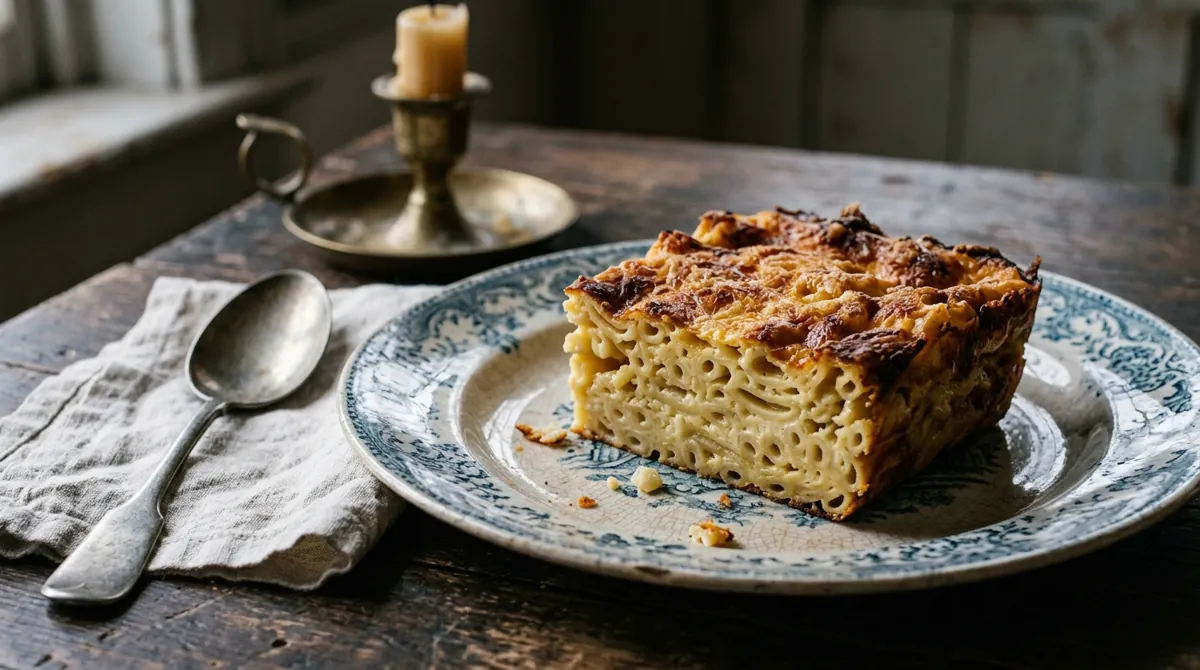
Virginia House-Wife Baked Macaroni (1824)
The earliest known printed American mac and cheese: macaroni boiled in milk and water, layered with sliced cheese and butter, and baked in a hot oven.
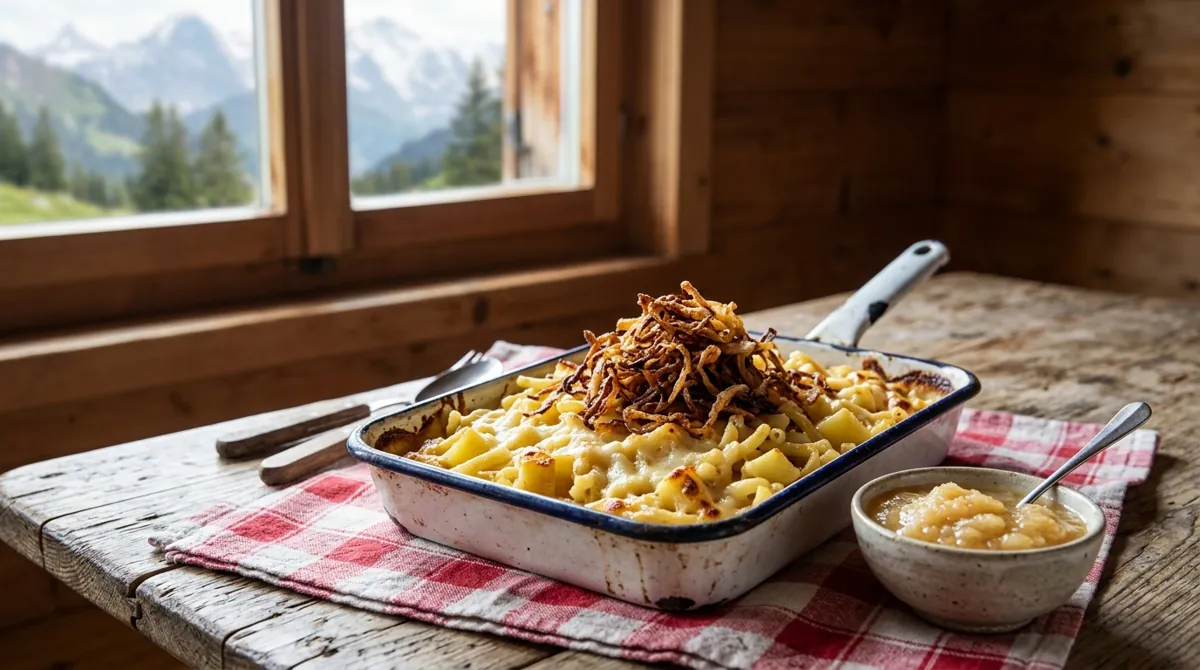
Älplermagronen (Swiss Alpine Macaroni)
Macaroni and potatoes boiled together, layered with grated Alpine cheese and a little cream, crowned with crispy onions and eaten with warm applesauce.
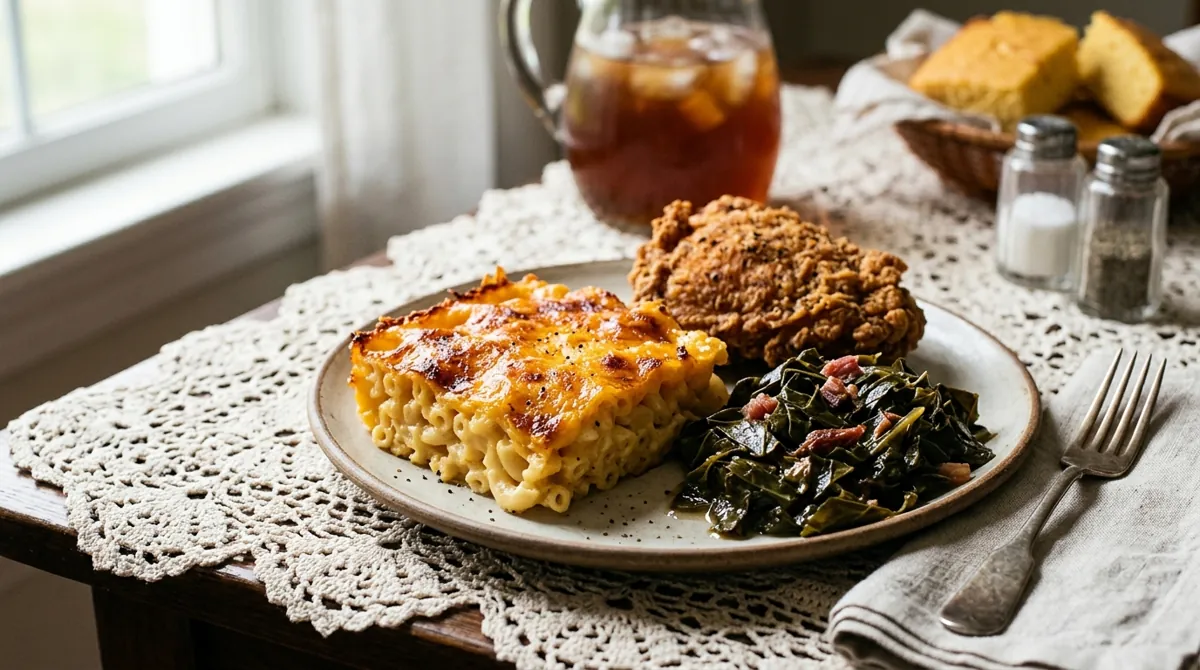
Southern Baked Macaroni and Cheese
Layers of elbow macaroni, cheddar and Jack bound with beaten eggs, evaporated milk, sour cream and butter, then baked until it sets firm enough to cut, with a crusty, browned top.
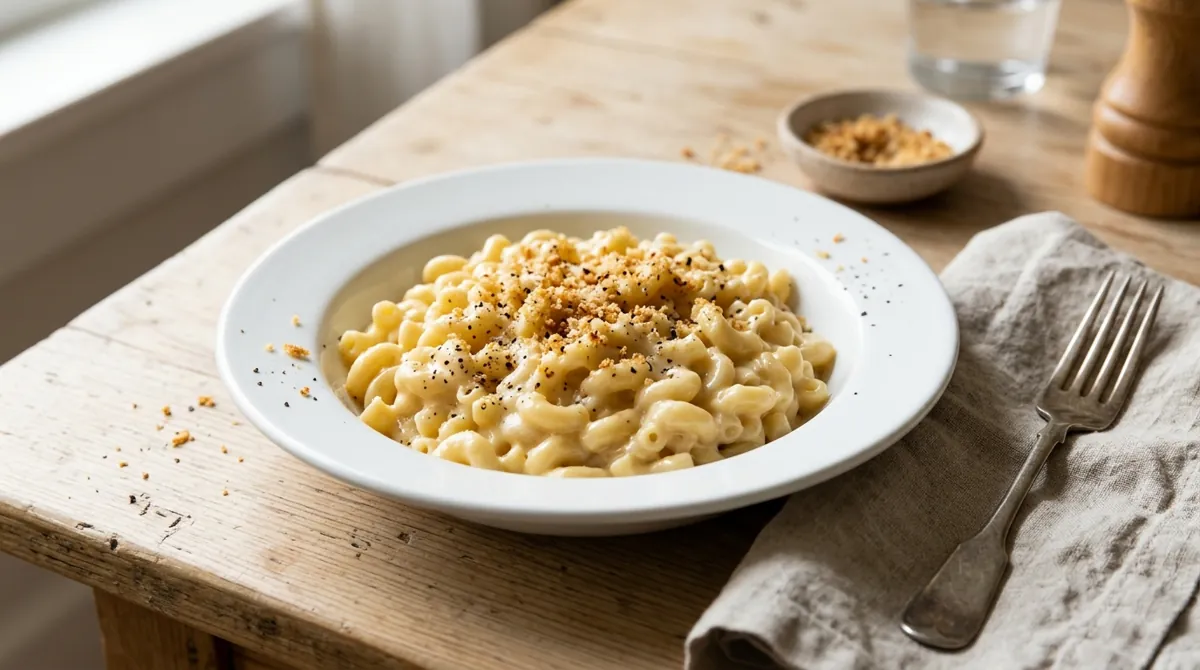
Creamy Stovetop Macaroni and Cheese
Elbows folded into a smooth béchamel cheese sauce made with Monterey Jack and sharp cheddar, with an optional buttery crumb top browned under the broiler.
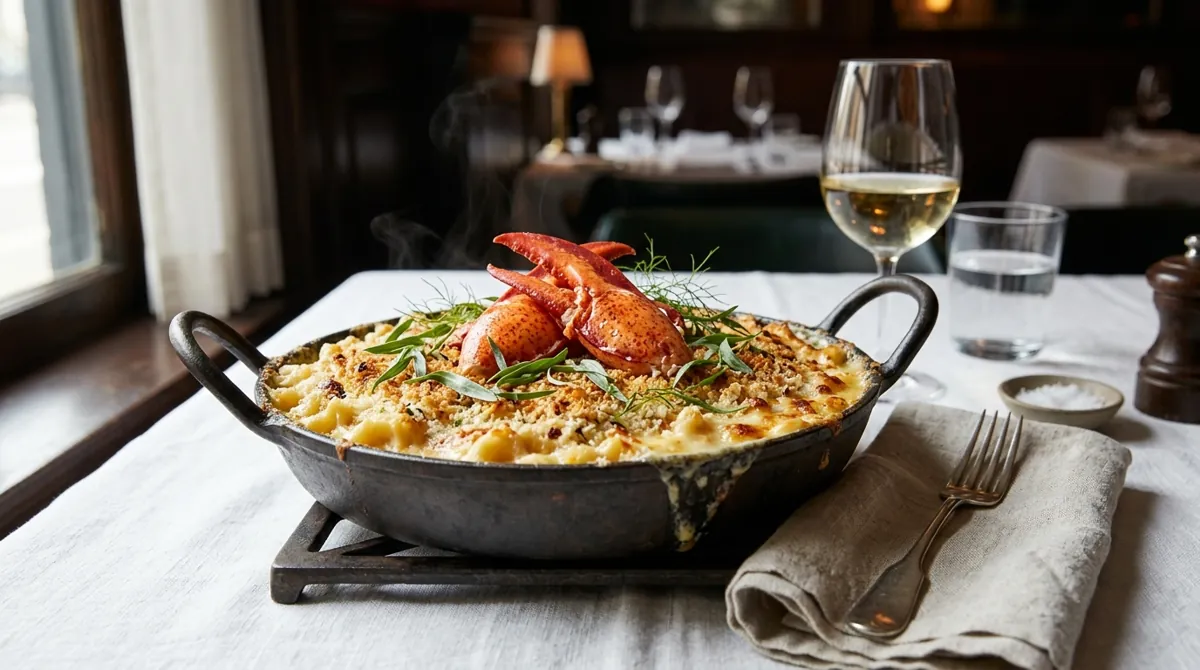
Lobster Mac and Cheese
Fresh-cooked lobster folded into macaroni with a nutty, browned-roux cheddar sauce made with the lobster cooking liquid and a pinch of mace, finished with whole claws and herbs.
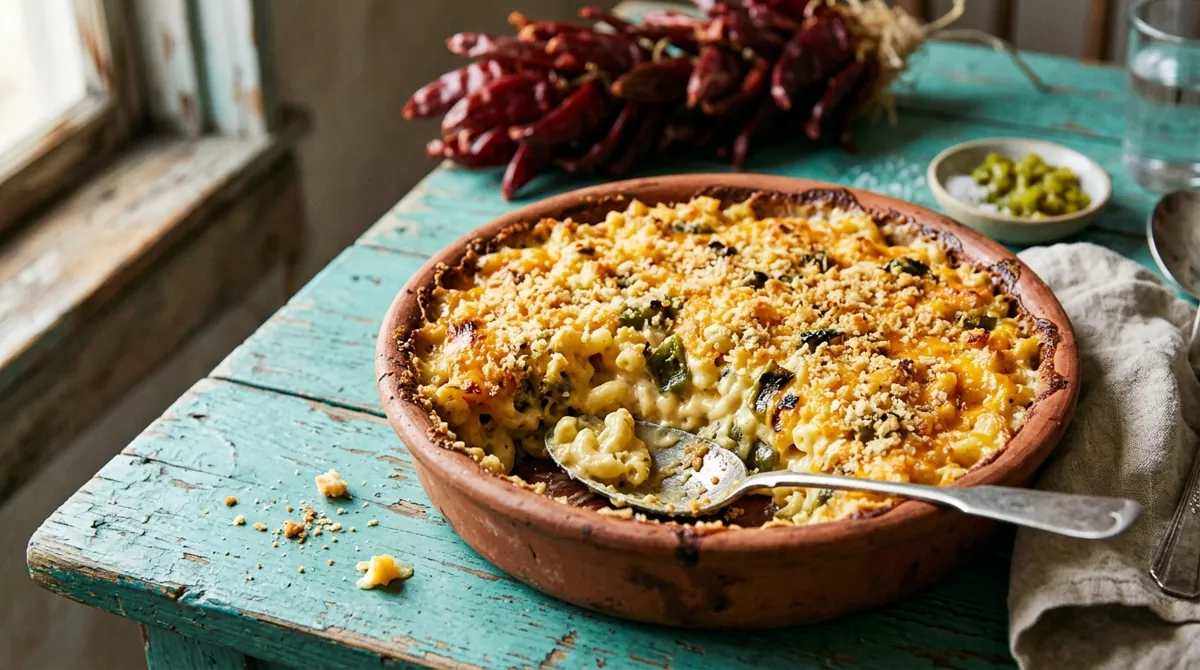
New Mexico Green Chile Mac and Cheese
Elbows baked in a tangy cheese sauce of goat cheese, fontina and aged cheddar studded with roasted New Mexico green chile, under a crunchy toasted crumb top.
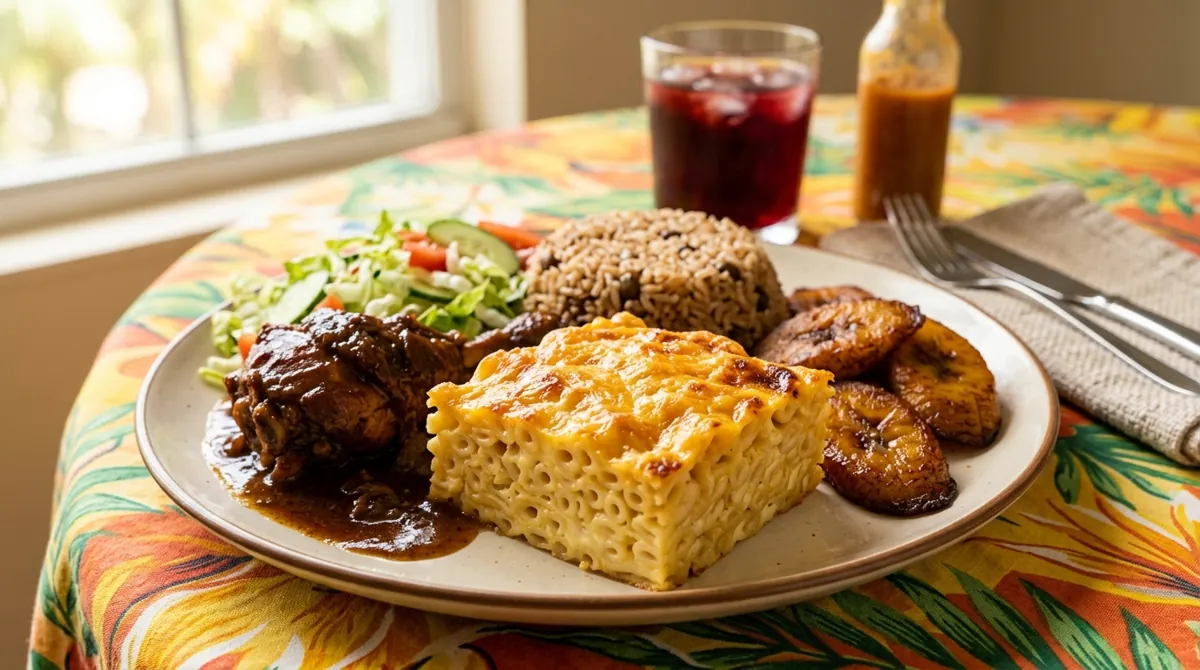
Trinidad Macaroni Pie
Macaroni bound with eggs, evaporated milk and cheddar, seasoned with onion, dry mustard and a little Scotch bonnet, then baked firm under a paprika-dusted top and cut into squares.
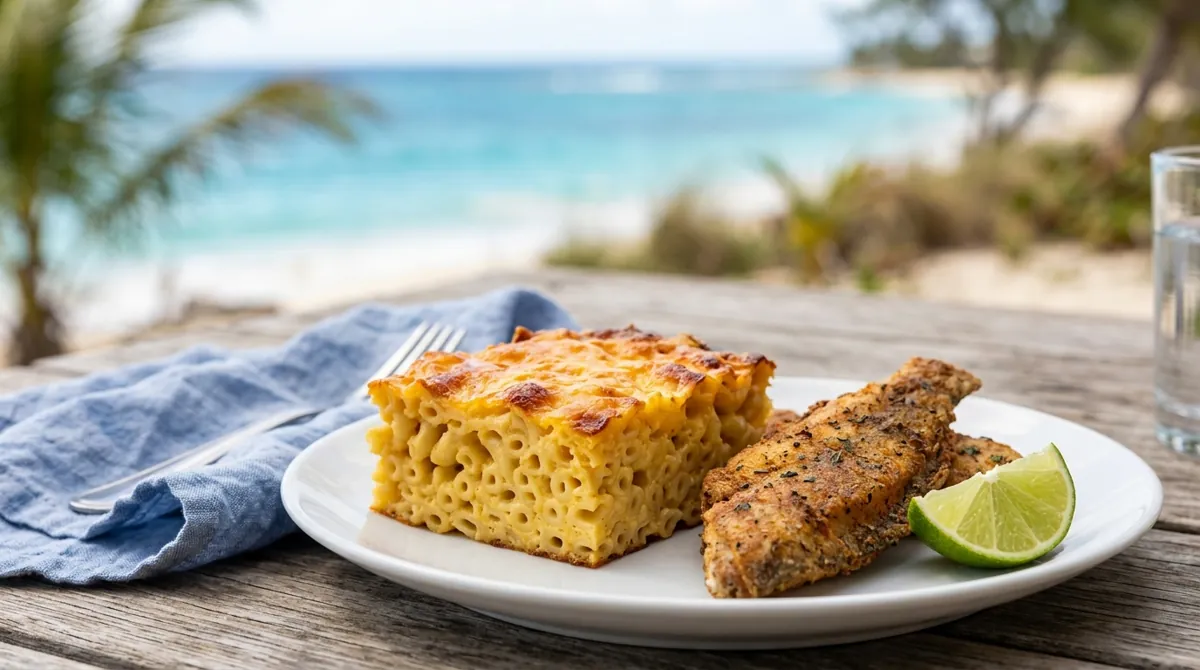
Barbados Macaroni Pie
Tube macaroni baked firm with a lot of cheddar, evaporated milk, an egg, grated onion and the Bajan signature, ketchup and yellow mustard, under a golden cheese top.
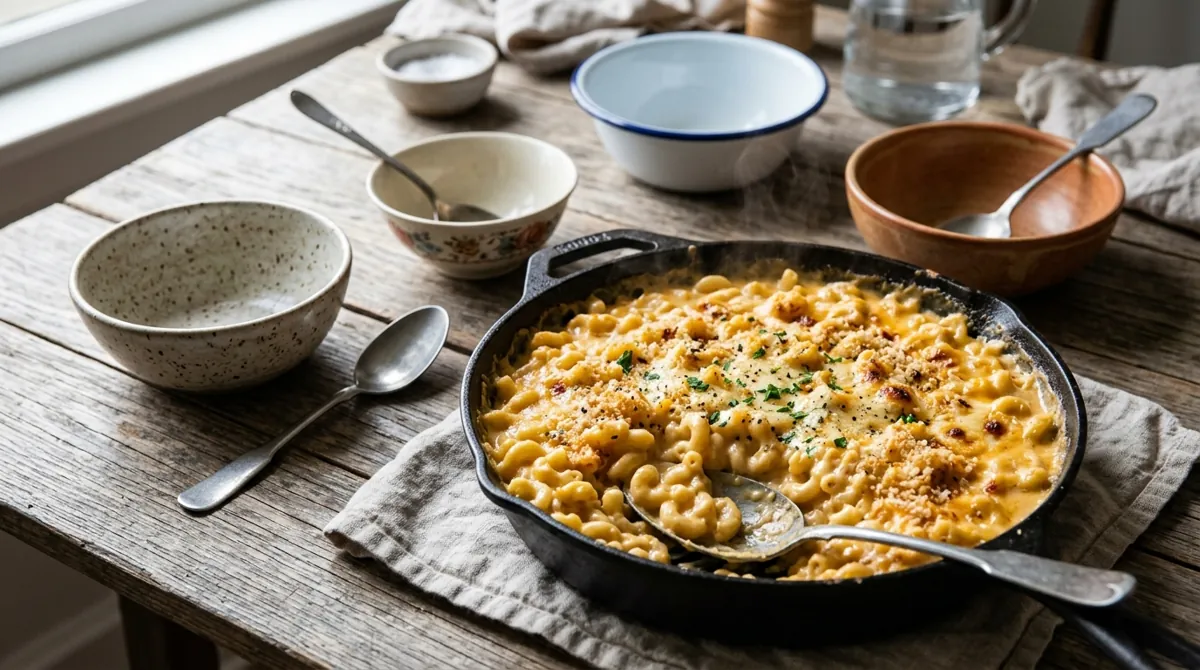
20-Minute One-Pot Mac and Cheese
Three ingredients and one pot: elbows simmered in just enough water to cover, then turned into a silky cheddar sauce with a can of evaporated milk.
Meatballs of the World

Italian-American Meatballs
Big, tender meatballs braised for an hour in red sauce over spaghetti. The one most Americans grew up with.

Pallottine (Abruzzo Meatballs)
Tiny meatballs, smaller than a marble, tossed right through square spaghetti alla chitarra. No bread at all.

Swedish Meatballs (Köttbullar)
Small, soft meatballs browned in butter, in a cream sauce made from the same pan, with lingonberry jam on the plate.

Danish Frikadeller
Pork meatballs shaped with a spoon and fried slowly in butter, crusty outside and soft in the middle.

Königsberger Klopse
German meatballs that are never fried: poached, then served in a creamy white sauce with capers.

Spanish Albóndigas in Almond Saffron Sauce
The tapas bar classic: small meatballs in a golden sauce thickened with fried almonds and bread.

Mexican Albóndigas with Chipotle and Mint
Soft meatballs with rice and fresh mint inside, simmered in a smoky tomato and chipotle broth.

Izgara Köfte (Turkish Grilled Meatballs)
Small, flat meatballs kneaded hard, rested cold, and charred on a hot grill pan.

Lion's Head Meatballs
Big, soft pork meatballs, stirred into a sticky paste, fried to set, then braised in a savory sauce.

Chicken Tsukune
Japan's chicken meatball: kneaded sticky, grilled on skewers, glazed with sweet soy tare, dipped in egg yolk.