
Classic Vanilla Custard Ice Cream (Jefferson's Recipe, Updated)
The rich American vanilla: a cream-heavy custard with five yolks cooked to 170 to 175°F, the same idea as the recipe Thomas Jefferson wrote out by hand.
Thomas Jefferson's handwritten ice cream recipe is in his papers at the Library of Congress. Monticello says that while he is not the person who invented ice cream, his recipe is one of the earliest in America, and that he no doubt met ice cream in France, where he served as minister from 1784 to 1789; ice cut from the Rivanna River in winter and kept in Monticello's ice house let him make it all year (Monticello's pages, seen through search results:). The recipe, history only, calls for 2 bottles of good cream, 6 egg yolks and 1/2 lb sugar, with a stick of vanilla steeped in the cream, cooked into a custard, strained and frozen in a sabotiere (a metal canister) turned by hand in ice and salt. The Franklin Fountain says Jefferson ordered 50 vanilla pods from France in 1791 because none could be found in Philadelphia. Jefferson was not first: a Virginia visitor, William Black, wrote of "some fine Ice Cream" served with strawberries and milk at Maryland Governor Thomas Bladen's table in Annapolis in 1744 (Preservation Maryland:). Merchant records show George Washington spent about $200 on ice cream in the summer of 1790 (Wikipedia:).
🇺🇸 This one is American
The rich American vanilla: a cream-heavy custard with five yolks cooked to 170 to 175°F, the same idea as the recipe Thomas Jefferson wrote out by hand.
🇮🇹 The original
Italian gelato is churned slowly from milk with less cream and less air than American ice cream, so it is denser and served a little warmer. See the Fior di Latte Gelato (Italian Milk Gelato) recipe.
Why it works the kitchen science
More cream than milk
The high butterfat gives the dense, rich American scoop, while five yolks are enough to make it smooth without tasting eggy.
Tempering
Whisking hot cream into the yolks a little at a time warms them gently, so they thicken the custard instead of scrambling.
Step by step
- Step 1
Heat the cream, milk, sugar, salt and vanilla (or bean and seeds) in a saucepan over medium heat until it just simmers, about 8 minutes.
- Step 2
Whisk the yolks in a bowl. Slowly whisk in 1 cup of the hot cream mixture, then pour it all back into the saucepan.
- Step 3
Cook over medium-low heat, stirring constantly with a wooden spoon, until the custard reaches 170 to 175°F and coats the spoon (nappe), 6 to 8 minutes.
- Step 4
Strain through a fine-mesh sieve into a bowl set in ice water (discard any bean) and stir until cool, about 15 minutes.
- Step 5
Press plastic wrap on the surface and refrigerate until cold, about 3 hours.
- Step 6
Churn in an ice cream maker until thick, 20 to 25 minutes; stop as soon as it holds its shape, because Food Network Kitchen warns over-churning can make it grainy.
- Step 7
Pack into a container, press parchment on top and freeze at least 1 hour (3 hours for firm scoops).
Classic Vanilla Custard Ice Cream (Jefferson's Recipe, Updated)
Serves 8 · about 1 generous quart · 30 min total
Custard
- 3 cups heavy cream
- 1 cup whole milk
- 3/4 cup sugar
- 1/2 tsp kosher salt
- 1 tbsp pure vanilla extract (or 1 vanilla bean, split, as Jefferson used)
- 5 large egg yolks
Method
- Heat the cream, milk, sugar, salt and vanilla (or bean and seeds) in a saucepan over medium heat until it just simmers, about 8 minutes.
- Whisk the yolks in a bowl. Slowly whisk in 1 cup of the hot cream mixture, then pour it all back into the saucepan.
- Cook over medium-low heat, stirring constantly with a wooden spoon, until the custard reaches 170 to 175°F and coats the spoon (nappe), 6 to 8 minutes.
- Strain through a fine-mesh sieve into a bowl set in ice water (discard any bean) and stir until cool, about 15 minutes.
- Press plastic wrap on the surface and refrigerate until cold, about 3 hours.
- Churn in an ice cream maker until thick, 20 to 25 minutes; stop as soon as it holds its shape, because Food Network Kitchen warns over-churning can make it grainy.
- Pack into a container, press parchment on top and freeze at least 1 hour (3 hours for firm scoops).
Adapted from Food Network Kitchen's "Homemade Vanilla Ice Cream": (3 cups heavy cream, 1 cup whole milk, 3/4 cup sugar, 1 tbsp vanilla, 1/2 tsp kosher salt, 5 yolks; custard cooked 6 to 8 minutes; about 3 hours chilling; at least 1 hour freezing; 1 generous quart). Food Network Kitchen cooks the custard to 180°F; we stop at 170 to 175°F, which is safely above FDA's 160°F for egg dishes and gentler on the yolks. Jefferson's recipe (Monticello, Library of Congress) is history only and was not used for amounts. Food Network. Ingredient list follows the source; the method is in our own words.
Tips
- Use a thermometer the first time; after that the spoon test is enough.
- For a Jefferson-style vanilla, steep a split bean in the cream for 30 minutes off the heat before you start.
- Keeps best within 1 to 2 weeks in a covered container at 0°F.
- Use the leftover whites for meringues or angel food cake.
The rules people argue about
What the sources agree on, what they don't, and what is just a good story.
- Thomas Jefferson brought ice cream to America. Folklore: Wikipedia calls it a misconception, and Monticello says he did not invent it; ice cream was served in Annapolis in 1744, when Jefferson was a baby.
- Jefferson's is the first American ice cream recipe. Disputed: Monticello has called it the first American recipe in his hand, but its own summary notes that food historian Karen Hess found an earlier printed American recipe in Richard Briggs's "The New Art of Cookery" (Philadelphia, 1792).
- The 1744 Annapolis dinner was the first ice cream in America. Disputed: often called the first written record (Preservation Maryland describes the dinner without saying "first"), but a teaching resource lists it among disputed milestones and Wikipedia's ice cream article places the dinner in North Carolina, not Maryland.
- Dolley Madison served ice cream at the White House. Documented per Wikipedia (the 1813 inaugural ball); calling her the inventor of anything is Folklore.
- Nancy Johnson invented the hand-crank freezer. Documented: the Franklin Fountain gives her Patent No. 3254 of 1843.
Serve it with
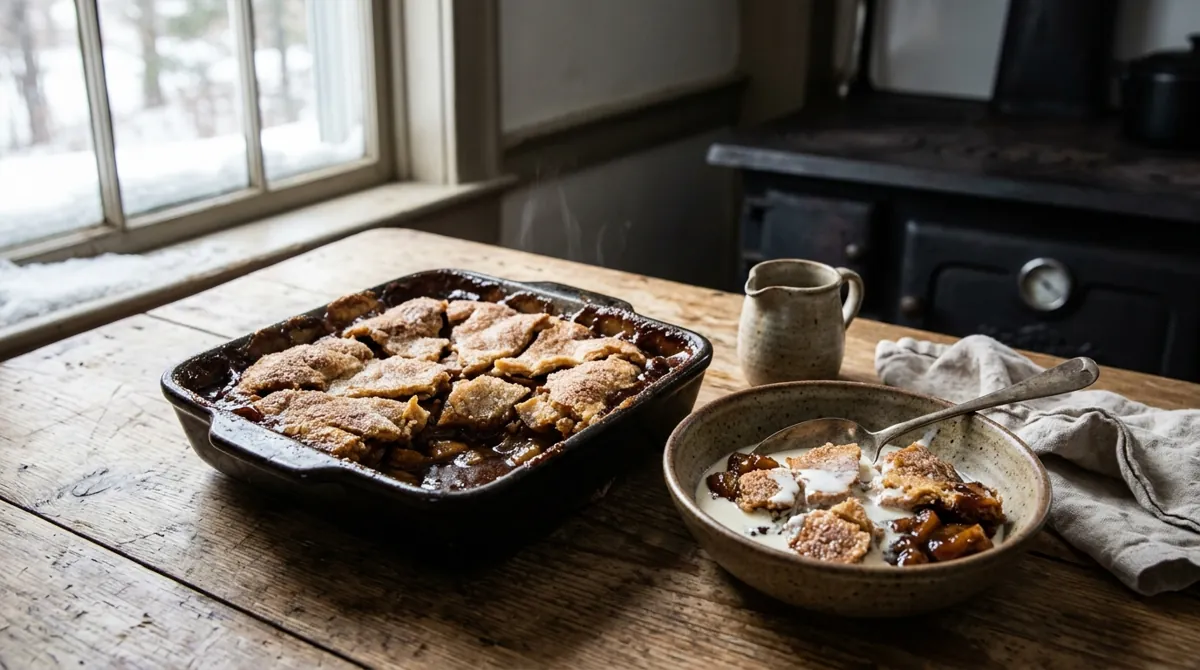
Apple Pandowdy (Old New England Pan Dowdy)
Apples with sugar, cinnamon and nutmeg, molasses and butter baked between two crusts in a square pan at 425°F, then the top crust is slashed and pushed down into the juices in rough chunks, "dowdied", so it turns half crisp, half pudding.
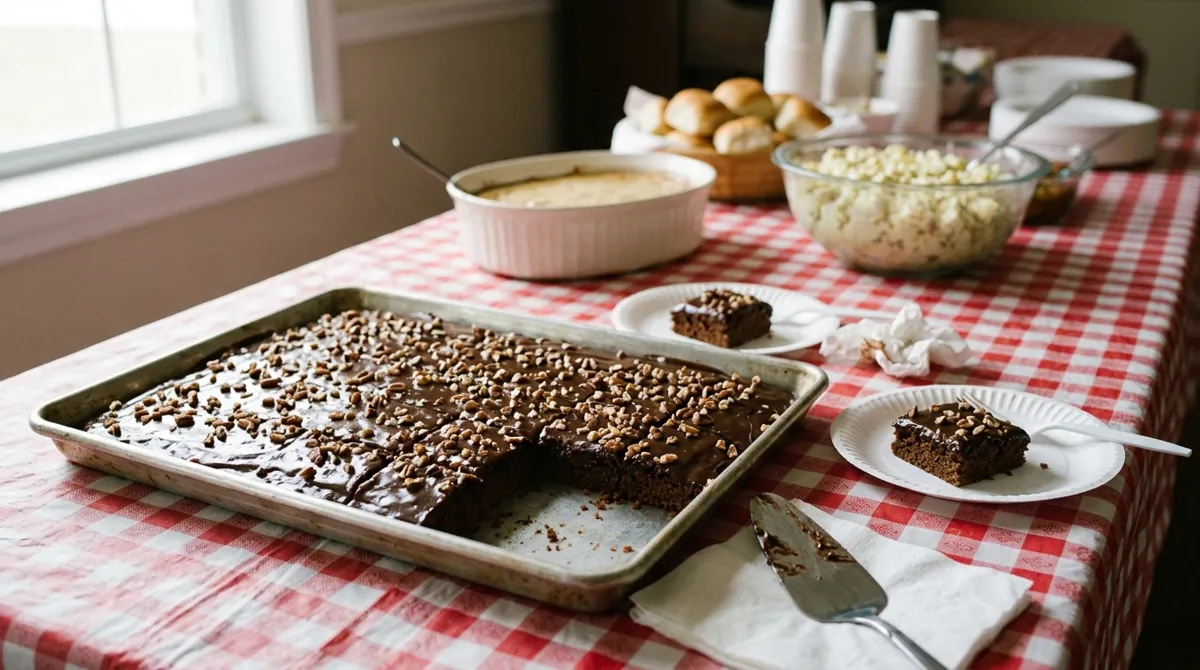
Texas Sheet Cake
A big, thin chocolate buttermilk cake baked in a half-sheet pan and covered with a fudgy chocolate icing, the cake for church suppers, funerals and crowds.
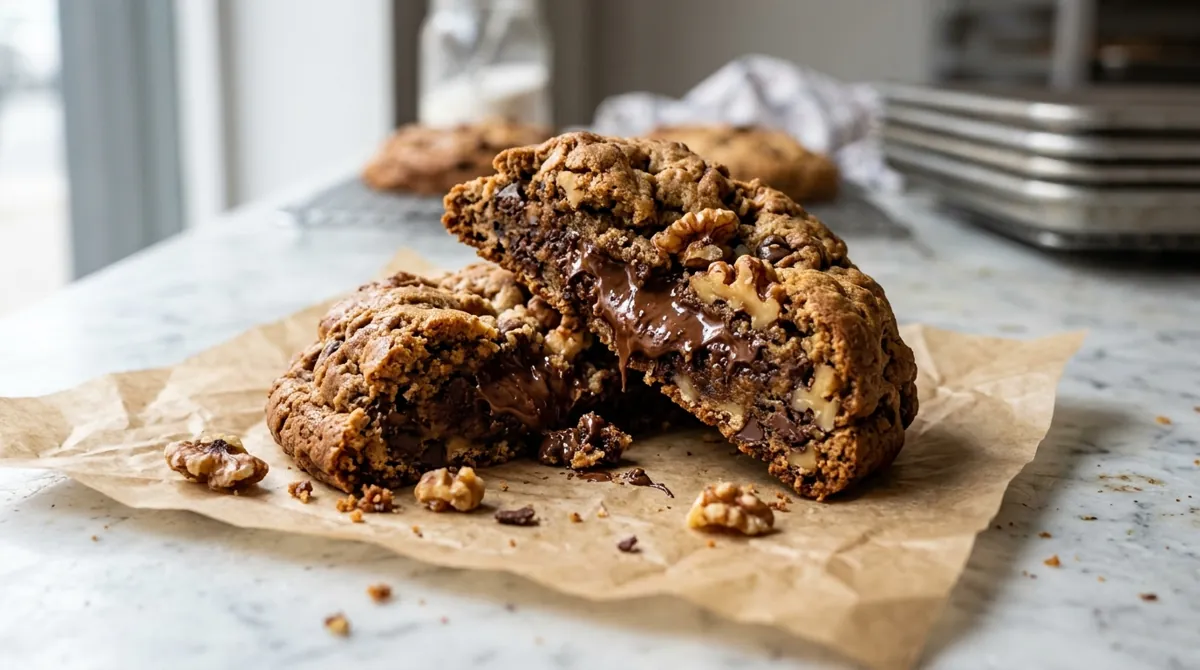
Levain-Style Chocolate Chip Walnut Cookies, Inspired by Levain Bakery
Six-ounce mounds of brown-butter dough loaded with semisweet chips and toasted walnuts, chilled overnight and baked cold so they stay tall, crusty outside and molten inside. Inspired by, not official.
Every other ice cream
Fior di Latte Gelato (Italian Milk Gelato)
Italy's plainest gelato and the test of every gelateria: mostly milk, a little cream, no eggs, thickened with a spoonful of cornstarch and served softer and warmer than American ice cream.
Sicilian Lemon Granita with Brioche
Lemon juice, zest, sugar and water, frozen and scraped into fine ice the Sicilian way, served for breakfast with a soft brioche for dunking.
French Crème Glacée à la Vanille (Custard Ice Cream)
The French way: a vanilla crème anglaise of milk and six egg yolks, cooked until it coats the spoon, finished with a little cream and churned.
Turkish Dondurma (Stretchy Maraş-Style Ice Cream)
Milk and cream cooked with mastic resin and a starch thickener until it pulls in ribbons, churned, frozen in a loaf and sliced, with cinnamon and pistachios.
Indian Matka Kulfi (Saffron and Almond)
Whole milk boiled down to a third of its volume, sweetened, scented with saffron and cardamom, studded with almonds and frozen still in small clay pots, never churned.
Japanese Matcha Ice Cream
An eggless green tea ice cream that tastes like Japan's, not America's: earthy, sweet and a little bitter, with a generous five tablespoons of matcha.
Mexican Mango Paletas
Ripe mango, a squeeze of lime and a spoonful of sugar blended and frozen on a stick: the fruit paleta that made a Michoacán village famous.
Filipino Ube Ice Cream
Purple yam cooked down with condensed milk into a quick ube halaya, then whisked with coconut milk and churned into a violet, egg-free ice cream.
Philadelphia-Style Vanilla Ice Cream
The American eggless ice cream: cream, milk, sugar and vanilla stirred together cold, chilled and churned, with nothing cooked and nothing to temper.
Bittersweet Chocolate Ice Cream
A dark, dense chocolate custard ice cream made with six yolks and six ounces of melted bittersweet chocolate, blended smooth before it chills.
The Classic Banana Split
A banana split lengthwise around scoops of vanilla, chocolate and strawberry ice cream, topped with pineapple, strawberry and chocolate sauces, whipped cream, peanuts and cherries.
The Hot Fudge Sundae
Vanilla ice cream under a warm, glossy hot fudge made with butter, unsweetened chocolate and Dutch cocoa, finished with whipped cream, toasted nuts and a cherry.
The Root Beer Float (Black Cow)
Two big scoops of vanilla ice cream in a frosted mug, very cold root beer poured slowly over the top until the foam rises.
Weeknight No-Churn Vanilla Ice Cream
No machine and no eggs: cold cream, condensed milk and milk powder whipped glossy in a food processor in about 15 minutes, then left to freeze.
Frozen Custard Concrete with Cookies and Fudge, Inspired by Shake Shack
A rich vanilla frozen custard, churned and frozen firm, then mashed with crushed chocolate sandwich cookies and fudge into a concrete so thick you can turn the cup upside down.
Meatballs of the World

Italian-American Meatballs
Big, tender meatballs braised for an hour in red sauce over spaghetti. The one most Americans grew up with.

Pallottine (Abruzzo Meatballs)
Tiny meatballs, smaller than a marble, tossed right through square spaghetti alla chitarra. No bread at all.

Swedish Meatballs (Köttbullar)
Small, soft meatballs browned in butter, in a cream sauce made from the same pan, with lingonberry jam on the plate.

Danish Frikadeller
Pork meatballs shaped with a spoon and fried slowly in butter, crusty outside and soft in the middle.

Königsberger Klopse
German meatballs that are never fried: poached, then served in a creamy white sauce with capers.

Spanish Albóndigas in Almond Saffron Sauce
The tapas bar classic: small meatballs in a golden sauce thickened with fried almonds and bread.

Mexican Albóndigas with Chipotle and Mint
Soft meatballs with rice and fresh mint inside, simmered in a smoky tomato and chipotle broth.

Izgara Köfte (Turkish Grilled Meatballs)
Small, flat meatballs kneaded hard, rested cold, and charred on a hot grill pan.

Lion's Head Meatballs
Big, soft pork meatballs, stirred into a sticky paste, fried to set, then braised in a savory sauce.

Chicken Tsukune
Japan's chicken meatball: kneaded sticky, grilled on skewers, glazed with sweet soy tare, dipped in egg yolk.