
Turkish Dondurma (Stretchy Maraş-Style Ice Cream)
Milk and cream cooked with mastic resin and a starch thickener until it pulls in ribbons, churned, frozen in a loaf and sliced, with cinnamon and pistachios.
Maraş dondurması comes from Kahramanmaraş in southern Turkey and is known for its elastic texture. Wikipedia says the traditional version uses goat's milk, sugar and salep, a flour ground from orchid tubers, often with mastic, and that the earliest known printed recipe dates from 1882. Salep, not mastic, is what makes it stretch; mastic, a resin from trees on the Greek island of Chios, adds chew and a piney flavor (Anissa Helou:). Vendors beat it with long paddles and tease customers with cones on sticks. Real salep is the problem: a 2006 review in Food Reviews International says Turkey's Ministry of Agriculture prohibited salep exports after botanists warned that uncontrolled harvesting was pushing some orchid species to critical levels, and Wikipedia says wild-collected salep is protected under national rules and international trade falls under CITES. Anissa Helou and Reviewed (2019) both say pure salep cannot legally be exported from Turkey. This home version uses cornstarch, which both writers suggest, with a frank warning that it will not stretch like the real thing.
Why it works the kitchen science
Starch and long cooking
Salep's starch-like gum, or cornstarch in the home version, binds the water into a thick, sticky base, which is why dondurma resists melting.
Ladling from a height
Lifting and pouring stretches and aerates the thickening base, the stovetop version of the vendors' long paddles.
Step by step
- Step 1
Freeze the mastic for 15 minutes, then grind it to a powder with the 1 tbsp sugar in a mortar or spice grinder.
- Step 2
Whisk the salep mixture or cornstarch into 1/2 cup of the cold milk until completely smooth.
- Step 3
Heat the remaining 2 1/2 cups milk, the cream and the rest of the sugar in a large saucepan over medium-low heat until steaming, about 5 minutes. Whisk in the ground mastic, then the starch mixture.
- Step 4
Cook over medium-low heat about 20 minutes, stirring constantly and every minute or so lifting a ladleful high and pouring it back in a thin stream, until thick and glossy. (With real salep, SBS cooks it 20 minutes more for a chewier result.)
- Step 5
Press plastic wrap on the surface and cool 1 hour, then refrigerate at least 4 hours or overnight.
- Step 6
Churn in an ice cream maker until almost frozen, about 25 minutes. Scrape into a 1-quart loaf pan lined with plastic wrap, cover and freeze overnight (at least 8 hours).
- Step 7
Take it out 5 minutes before serving. Turn it out, cut into 1 1/4-inch slices and dust with cinnamon and pistachios.
Turkish Dondurma (Stretchy Maraş-Style Ice Cream)
Serves 8 · about 1 quart (one loaf) · 50 min total
Flavor
- 3 g mastic tears (about 1/2 tsp)
- 1 tbsp of the sugar below, for grinding
Base
- 3 cups whole milk, divided
- 1/3 cup (65 g) salep mixture, or 1/4 cup (32 g) cornstarch for the home version
- 1 cup heavy cream
- 3/4 cup superfine (caster) sugar (165 g), including the 1 tbsp above
To serve
- 1/4 tsp ground cinnamon
- 2 tbsp finely chopped pistachios
Method
- Freeze the mastic for 15 minutes, then grind it to a powder with the 1 tbsp sugar in a mortar or spice grinder.
- Whisk the salep mixture or cornstarch into 1/2 cup of the cold milk until completely smooth.
- Heat the remaining 2 1/2 cups milk, the cream and the rest of the sugar in a large saucepan over medium-low heat until steaming, about 5 minutes. Whisk in the ground mastic, then the starch mixture.
- Cook over medium-low heat about 20 minutes, stirring constantly and every minute or so lifting a ladleful high and pouring it back in a thin stream, until thick and glossy. (With real salep, SBS cooks it 20 minutes more for a chewier result.)
- Press plastic wrap on the surface and cool 1 hour, then refrigerate at least 4 hours or overnight.
- Churn in an ice cream maker until almost frozen, about 25 minutes. Scrape into a 1-quart loaf pan lined with plastic wrap, cover and freeze overnight (at least 8 hours).
- Take it out 5 minutes before serving. Turn it out, cut into 1 1/4-inch slices and dust with cinnamon and pistachios.
Adapted from Olivia Andrews' "Turkish ice-cream (dondurma)" for SBS Food (first published in Feast magazine, 2011): (3 g mastic, 65 g salep mixture, 750 ml milk, 250 ml pouring cream, 165 g caster sugar, cooked about 20 minutes while ladled from a height, churned, frozen overnight in a loaf pan, sliced). SBS uses a salep mixture sold in delis. Because wild salep exports are restricted, our home version swaps in 1/4 cup cornstarch, an amount that is ours, following the cornstarch substitution suggested by Anissa Helou and Reviewed. Milk and cream are rounded to 3 cups and 1 cup. The hand-beating tip follows Reviewed. SBS Food. Ingredient list follows the source; the method is in our own words.
Tips
- No ice cream maker: freeze the chilled base in a metal pan 30 minutes, then beat it hard with a fork 2 to 3 minutes; repeat 4 or 5 times, then freeze 5 hours (Reviewed's hand method).
- Buy mastic from a Greek or Middle Eastern grocer; a little goes a long way and too much tastes bitter.
- Products sold abroad as "salep" are often drink mixes; Reviewed warns that salep drink mix is not a good substitute.
- Expect the cornstarch version to be thick and chewy rather than truly stretchy. Do not cook it past 20 minutes; more time will not add stretch.
The rules people argue about
What the sources agree on, what they don't, and what is just a good story.
- Mastic makes dondurma stretch. Disputed, and mostly wrong: Wikipedia and Anissa Helou say the stretch comes from salep and that mastic adds chewiness and flavor, but many recipes and videos credit mastic.
- Turkey bans salep exports. Documented by a 2006 Food Reviews International review and Wikipedia (citing Turkish government sources), with CITES rules on trade; a May 2026 announcement of farmed salep varieties may change this in future, and Wikipedia says it does not yet mean exports are allowed.
- You cannot make dondurma outside Turkey. Folklore: commercial makers use other stabilizers (Wikipedia lists locust bean gum, guar and CMC), but the home cornstarch version is a stand-in, not the real thing.
- Dondurma never melts. Folklore: it melts slowly because salep and mastic make it firm (Wikipedia), not because it cannot melt.
Serve it with
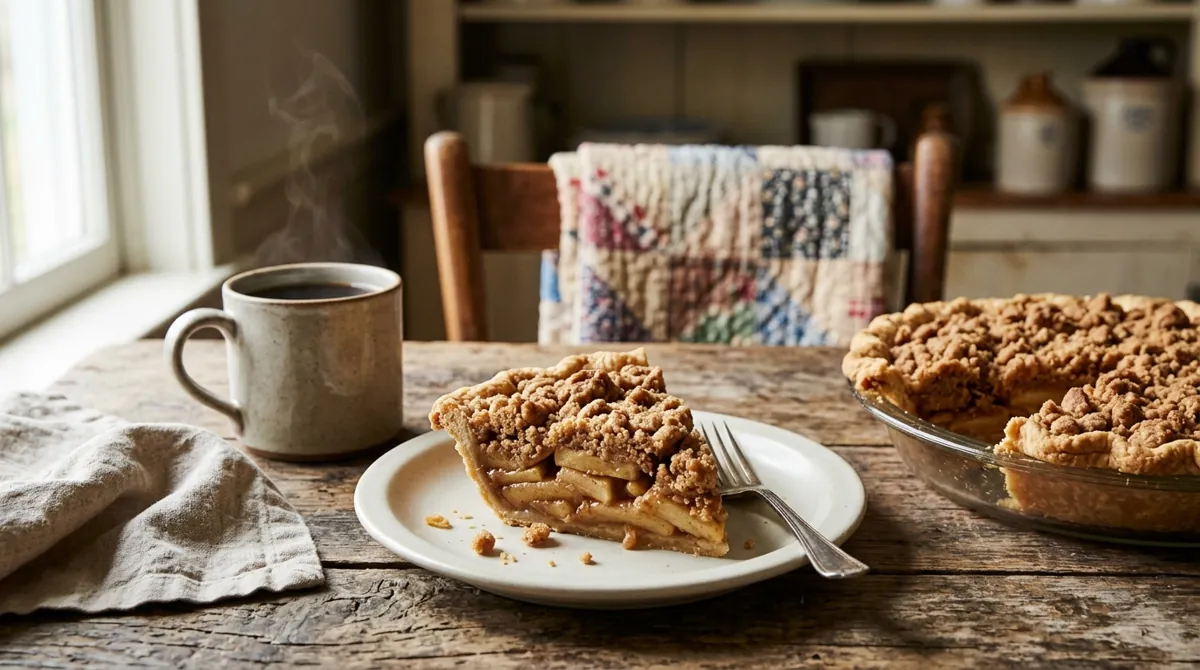
Pennsylvania Dutch Apple Pie (Crumb Top)
One flaky shortening crust filled with 2 pounds of apples tossed with sugar, flour, cinnamon and nutmeg, covered with a lumpy brown sugar and butter streusel instead of a top crust, baked at 425°F and then 350°F.
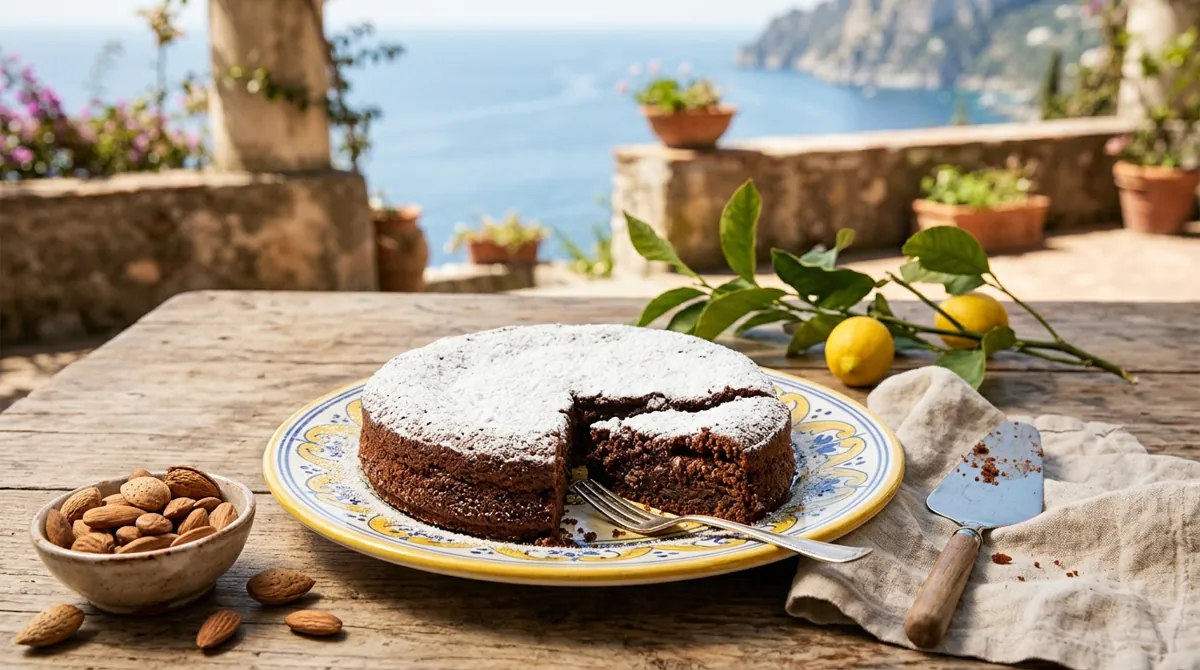
Torta Caprese (Italian Chocolate Almond Cake from Capri)
Capri's chocolate cake made with ground almonds instead of wheat flour: dark chocolate, butter and whipped egg whites baked into a cake with a crackly top and a dense, moist middle.
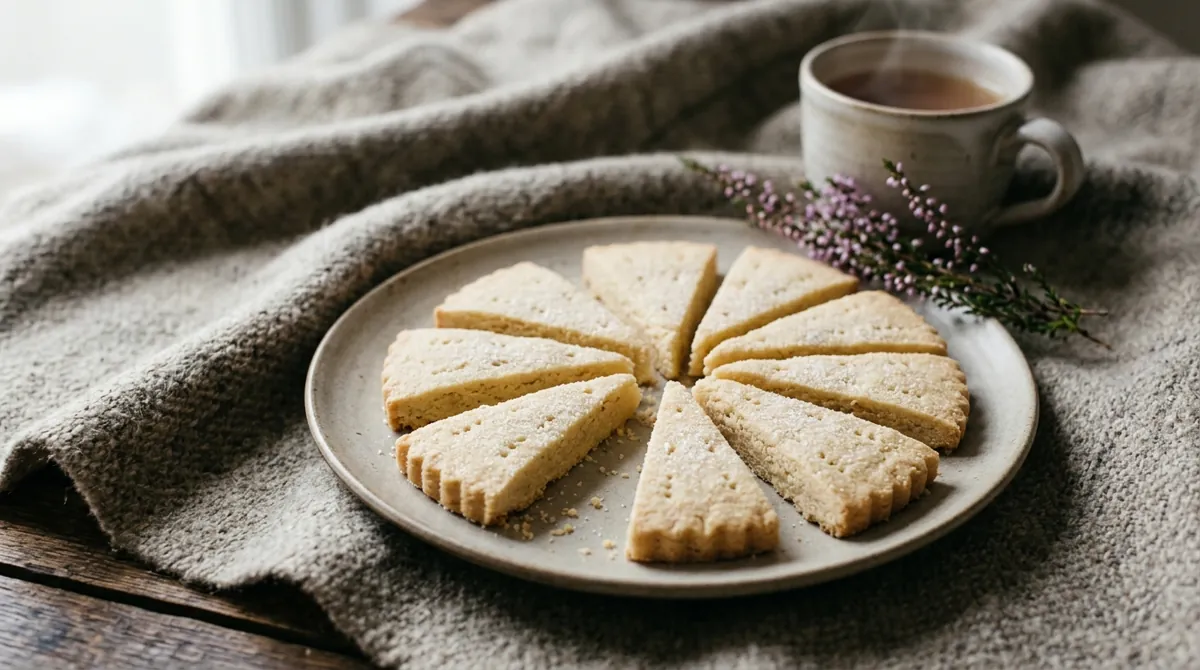
Scottish Shortbread (Petticoat Tails)
Butter, sugar, flour and a little rice flour rubbed together cold, pressed into a round, scored into 16 wedges and baked low and slow to a pale biscuit color.
Every other ice cream
Fior di Latte Gelato (Italian Milk Gelato)
Italy's plainest gelato and the test of every gelateria: mostly milk, a little cream, no eggs, thickened with a spoonful of cornstarch and served softer and warmer than American ice cream.
Sicilian Lemon Granita with Brioche
Lemon juice, zest, sugar and water, frozen and scraped into fine ice the Sicilian way, served for breakfast with a soft brioche for dunking.
French Crème Glacée à la Vanille (Custard Ice Cream)
The French way: a vanilla crème anglaise of milk and six egg yolks, cooked until it coats the spoon, finished with a little cream and churned.
Indian Matka Kulfi (Saffron and Almond)
Whole milk boiled down to a third of its volume, sweetened, scented with saffron and cardamom, studded with almonds and frozen still in small clay pots, never churned.
Japanese Matcha Ice Cream
An eggless green tea ice cream that tastes like Japan's, not America's: earthy, sweet and a little bitter, with a generous five tablespoons of matcha.
Mexican Mango Paletas
Ripe mango, a squeeze of lime and a spoonful of sugar blended and frozen on a stick: the fruit paleta that made a Michoacán village famous.
Filipino Ube Ice Cream
Purple yam cooked down with condensed milk into a quick ube halaya, then whisked with coconut milk and churned into a violet, egg-free ice cream.
Philadelphia-Style Vanilla Ice Cream
The American eggless ice cream: cream, milk, sugar and vanilla stirred together cold, chilled and churned, with nothing cooked and nothing to temper.
Classic Vanilla Custard Ice Cream (Jefferson's Recipe, Updated)
The rich American vanilla: a cream-heavy custard with five yolks cooked to 170 to 175°F, the same idea as the recipe Thomas Jefferson wrote out by hand.
Bittersweet Chocolate Ice Cream
A dark, dense chocolate custard ice cream made with six yolks and six ounces of melted bittersweet chocolate, blended smooth before it chills.
The Classic Banana Split
A banana split lengthwise around scoops of vanilla, chocolate and strawberry ice cream, topped with pineapple, strawberry and chocolate sauces, whipped cream, peanuts and cherries.
The Hot Fudge Sundae
Vanilla ice cream under a warm, glossy hot fudge made with butter, unsweetened chocolate and Dutch cocoa, finished with whipped cream, toasted nuts and a cherry.
The Root Beer Float (Black Cow)
Two big scoops of vanilla ice cream in a frosted mug, very cold root beer poured slowly over the top until the foam rises.
Weeknight No-Churn Vanilla Ice Cream
No machine and no eggs: cold cream, condensed milk and milk powder whipped glossy in a food processor in about 15 minutes, then left to freeze.
Frozen Custard Concrete with Cookies and Fudge, Inspired by Shake Shack
A rich vanilla frozen custard, churned and frozen firm, then mashed with crushed chocolate sandwich cookies and fudge into a concrete so thick you can turn the cup upside down.
Meatballs of the World

Italian-American Meatballs
Big, tender meatballs braised for an hour in red sauce over spaghetti. The one most Americans grew up with.

Pallottine (Abruzzo Meatballs)
Tiny meatballs, smaller than a marble, tossed right through square spaghetti alla chitarra. No bread at all.

Swedish Meatballs (Köttbullar)
Small, soft meatballs browned in butter, in a cream sauce made from the same pan, with lingonberry jam on the plate.

Danish Frikadeller
Pork meatballs shaped with a spoon and fried slowly in butter, crusty outside and soft in the middle.

Königsberger Klopse
German meatballs that are never fried: poached, then served in a creamy white sauce with capers.

Spanish Albóndigas in Almond Saffron Sauce
The tapas bar classic: small meatballs in a golden sauce thickened with fried almonds and bread.

Mexican Albóndigas with Chipotle and Mint
Soft meatballs with rice and fresh mint inside, simmered in a smoky tomato and chipotle broth.

Izgara Köfte (Turkish Grilled Meatballs)
Small, flat meatballs kneaded hard, rested cold, and charred on a hot grill pan.

Lion's Head Meatballs
Big, soft pork meatballs, stirred into a sticky paste, fried to set, then braised in a savory sauce.

Chicken Tsukune
Japan's chicken meatball: kneaded sticky, grilled on skewers, glazed with sweet soy tare, dipped in egg yolk.