
Japanese Matcha Ice Cream
An eggless green tea ice cream that tastes like Japan's, not America's: earthy, sweet and a little bitter, with a generous five tablespoons of matcha.
Green tea is one of Japan's favorite sweet flavors, and ice cream is where it shows up most. Just One Cookbook's Namiko Hirasawa Chen built this recipe because most versions she tried in the US were too sweet or too creamy and hid the tea; she aims for a balance of earthy, sweet and slightly bitter, with no coloring needed. Wikipedia's green tea ice cream article says matcha ice cream was served at court luncheons in the Meiji era and that Meiji Dairies sold one under the Lady Borden brand in 1983. Häagen-Dazs Japan added green tea in 1996, according to a 2016 SoraNews24 report marking 20 years. Japan's other famous frozen export, mochi ice cream, has a DISPUTED birthplace (see Rules).
Why it works the kitchen science
Paste first
Matcha does not dissolve; working it into a little warm milk at a time breaks up every clump, so the ice cream is smooth and evenly green.
No eggs
Without yolks the tea's grassy bitterness comes through clearly instead of being muffled by custard.
Step by step
- Step 1
Heat the milk and cream in a medium saucepan over medium-low heat. Whisk in the sugar and salt and heat until the sugar dissolves, about 5 minutes. Take it off the heat as soon as small bubbles form at the edge; do not boil.
- Step 2
Put the matcha in a medium bowl. Add 3 to 4 tbsp of the warm milk and stir with a silicone spatula into a smooth, lump-free paste.
- Step 3
Keep adding the warm milk 3 to 4 tbsp at a time, mashing out lumps after each addition, about 5 additions, until you have a smooth, thick green liquid.
- Step 4
Whisk the matcha mixture into the rest of the milk. Pour it through a fine-mesh sieve into a bowl set in ice water, pressing out any lumps, and stir until cool, about 10 minutes.
- Step 5
Cover and refrigerate at least 4 hours, until thoroughly cold.
- Step 6
Whisk the base again and churn in an ice cream maker until thick and no longer moving much, about 25 minutes.
- Step 7
Pack into an airtight container and freeze at least 4 hours, until firm.
Japanese Matcha Ice Cream
Serves 6 · about 1 1/2 quarts (Just One Cookbook's yield) · 35 min total
Ice cream base
- 2 1/4 cups whole milk
- 3/4 cup heavy cream
- 3/4 cup sugar
- 1/8 tsp kosher salt
- 5 tbsp matcha (about 30 g), culinary grade is fine
Method
- Heat the milk and cream in a medium saucepan over medium-low heat. Whisk in the sugar and salt and heat until the sugar dissolves, about 5 minutes. Take it off the heat as soon as small bubbles form at the edge; do not boil.
- Put the matcha in a medium bowl. Add 3 to 4 tbsp of the warm milk and stir with a silicone spatula into a smooth, lump-free paste.
- Keep adding the warm milk 3 to 4 tbsp at a time, mashing out lumps after each addition, about 5 additions, until you have a smooth, thick green liquid.
- Whisk the matcha mixture into the rest of the milk. Pour it through a fine-mesh sieve into a bowl set in ice water, pressing out any lumps, and stir until cool, about 10 minutes.
- Cover and refrigerate at least 4 hours, until thoroughly cold.
- Whisk the base again and churn in an ice cream maker until thick and no longer moving much, about 25 minutes.
- Pack into an airtight container and freeze at least 4 hours, until firm.
Adapted from Just One Cookbook's "Matcha Ice Cream" (Green Tea Ice Cream): (3/4 cup sugar, 1/8 tsp kosher salt, 5 tbsp matcha, 2 1/4 cups whole milk plus 3/4 cup heavy cream, a 4-hour chill, about 25 minutes churning, at least 4 hours freezing, 1 1/2 quarts). We keep the author's own milk and cream choice. The serving count is ours. Just One Cookbook. Ingredient list follows the source; the method is in our own words.
All sources (3)
Tips
- Matcha is caffeinated. Just One Cookbook says a serving has about the caffeine of a weak cup of coffee; go easy for children and caffeine-sensitive eaters, and cut the matcha to taste.
- Use opened matcha within 2 to 3 weeks; it turns yellow-green as it oxidizes (Just One Cookbook).
- Keeps up to 2 weeks in the freezer, but the color and flavor are best in the first few days.
- Other milk options from the source: 3 cups half-and-half, or 2 cups 2% milk plus 1 cup heavy cream.
The rules people argue about
What the sources agree on, what they don't, and what is just a good story.
- Mochi ice cream is a Japanese invention. Disputed: Lotte sold Yukimi Daifuku, ice cream wrapped in mochi, in Japan from 1981 (Wikipedia; Lotte's corporate timeline), while Frances Hashimoto's Mikawaya in Los Angeles is credited with the US mochi ice cream in 1993 or 1994 (Wikipedia and Food Republic; sources differ on the year).
- Matcha ice cream is centuries old. Folklore: Wikipedia's Meiji-era court claim is the oldest we found, and it is thinly sourced; the documented commercial start is 1983.
- Matcha ice cream needs green coloring. Documented as false for this recipe: Just One Cookbook says real matcha never needs artificial color.
- Ceremonial matcha is required. Folklore: Just One Cookbook says culinary grade is what you cook with.
Serve it with
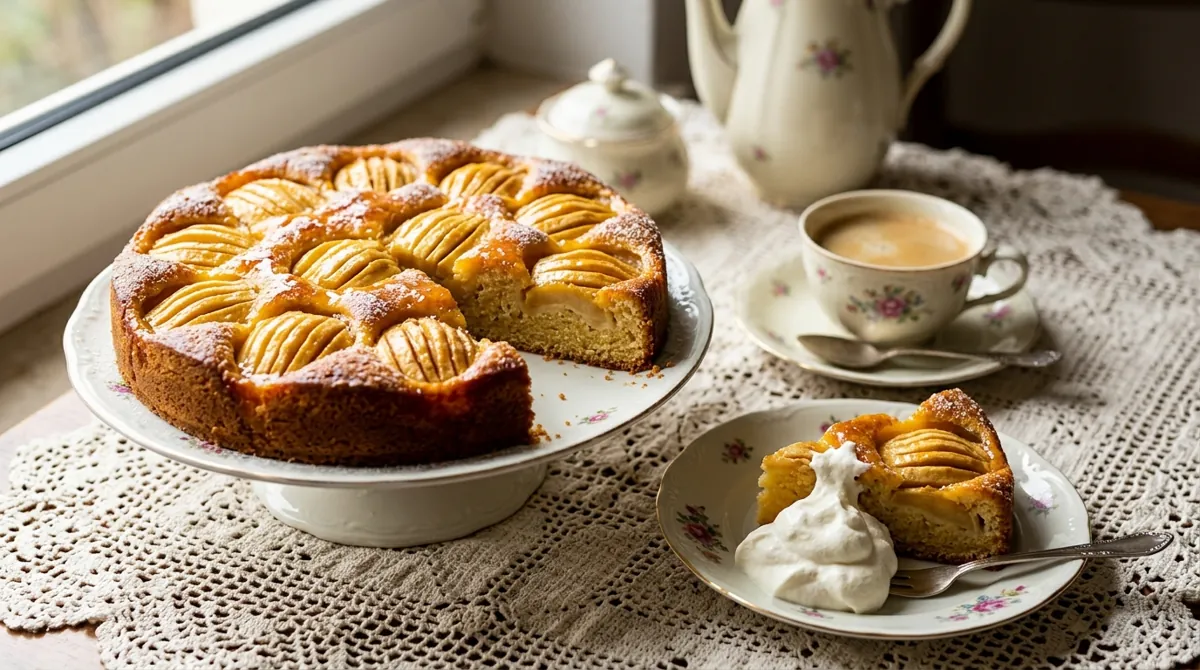
Versunkener Apfelkuchen (German Sunken Apple Cake)
A buttery vanilla and lemon batter spread in a springform, topped with a ring of peeled apple quarters scored on top so they fan open and sink as the cake rises around them, baked at 350°F for about 45 minutes and brushed hot with apricot jam.
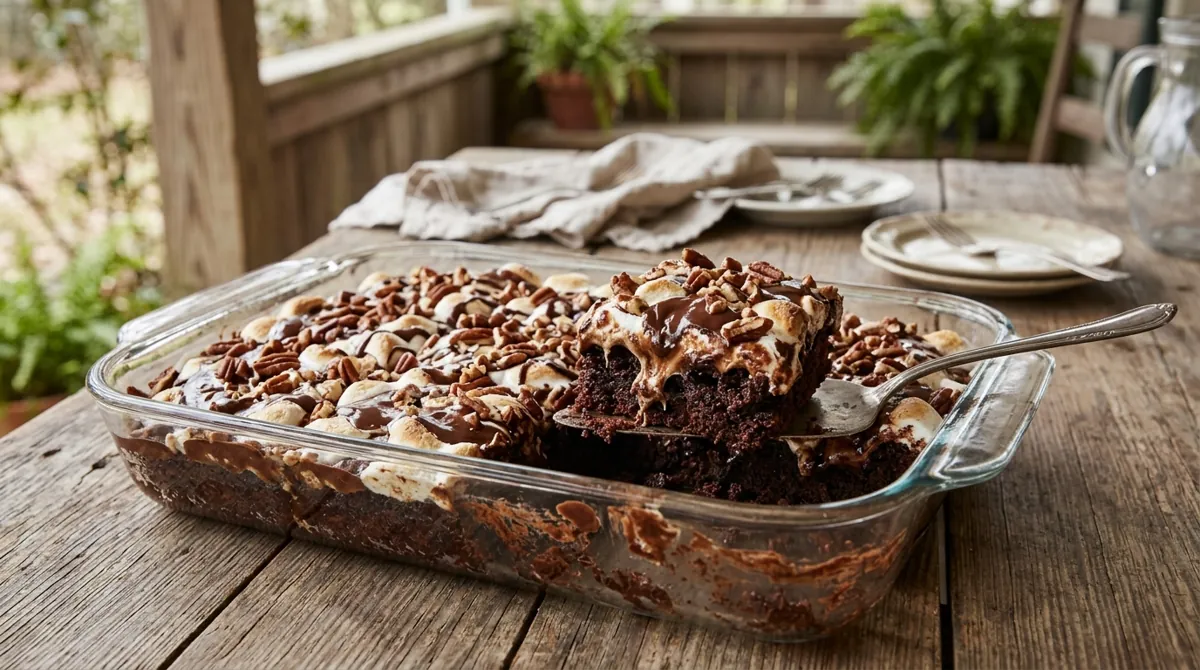
Mississippi Mud Cake
A dense, dark cocoa sheet cake spread hot with marshmallow, drizzled with chocolate ganache and covered with toasted pecans: messy, rich and built for a crowd.
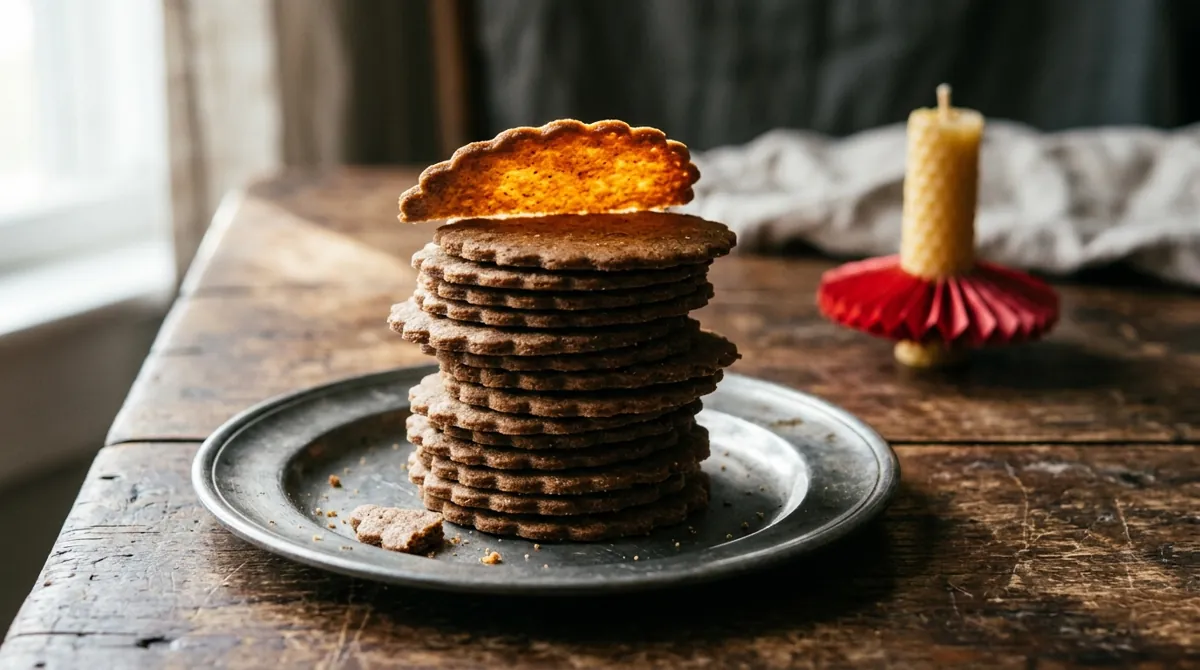
Moravian Spice Cookies
North Carolina's paper-thin holiday cookies: a molasses, brown sugar and shortening dough with cloves, ginger and cinnamon, chilled overnight, rolled as thin as you dare and baked in minutes.
Every other ice cream
Fior di Latte Gelato (Italian Milk Gelato)
Italy's plainest gelato and the test of every gelateria: mostly milk, a little cream, no eggs, thickened with a spoonful of cornstarch and served softer and warmer than American ice cream.
Sicilian Lemon Granita with Brioche
Lemon juice, zest, sugar and water, frozen and scraped into fine ice the Sicilian way, served for breakfast with a soft brioche for dunking.
French Crème Glacée à la Vanille (Custard Ice Cream)
The French way: a vanilla crème anglaise of milk and six egg yolks, cooked until it coats the spoon, finished with a little cream and churned.
Turkish Dondurma (Stretchy Maraş-Style Ice Cream)
Milk and cream cooked with mastic resin and a starch thickener until it pulls in ribbons, churned, frozen in a loaf and sliced, with cinnamon and pistachios.
Indian Matka Kulfi (Saffron and Almond)
Whole milk boiled down to a third of its volume, sweetened, scented with saffron and cardamom, studded with almonds and frozen still in small clay pots, never churned.
Mexican Mango Paletas
Ripe mango, a squeeze of lime and a spoonful of sugar blended and frozen on a stick: the fruit paleta that made a Michoacán village famous.
Filipino Ube Ice Cream
Purple yam cooked down with condensed milk into a quick ube halaya, then whisked with coconut milk and churned into a violet, egg-free ice cream.
Philadelphia-Style Vanilla Ice Cream
The American eggless ice cream: cream, milk, sugar and vanilla stirred together cold, chilled and churned, with nothing cooked and nothing to temper.
Classic Vanilla Custard Ice Cream (Jefferson's Recipe, Updated)
The rich American vanilla: a cream-heavy custard with five yolks cooked to 170 to 175°F, the same idea as the recipe Thomas Jefferson wrote out by hand.
Bittersweet Chocolate Ice Cream
A dark, dense chocolate custard ice cream made with six yolks and six ounces of melted bittersweet chocolate, blended smooth before it chills.
The Classic Banana Split
A banana split lengthwise around scoops of vanilla, chocolate and strawberry ice cream, topped with pineapple, strawberry and chocolate sauces, whipped cream, peanuts and cherries.
The Hot Fudge Sundae
Vanilla ice cream under a warm, glossy hot fudge made with butter, unsweetened chocolate and Dutch cocoa, finished with whipped cream, toasted nuts and a cherry.
The Root Beer Float (Black Cow)
Two big scoops of vanilla ice cream in a frosted mug, very cold root beer poured slowly over the top until the foam rises.
Weeknight No-Churn Vanilla Ice Cream
No machine and no eggs: cold cream, condensed milk and milk powder whipped glossy in a food processor in about 15 minutes, then left to freeze.
Frozen Custard Concrete with Cookies and Fudge, Inspired by Shake Shack
A rich vanilla frozen custard, churned and frozen firm, then mashed with crushed chocolate sandwich cookies and fudge into a concrete so thick you can turn the cup upside down.
Meatballs of the World

Italian-American Meatballs
Big, tender meatballs braised for an hour in red sauce over spaghetti. The one most Americans grew up with.

Pallottine (Abruzzo Meatballs)
Tiny meatballs, smaller than a marble, tossed right through square spaghetti alla chitarra. No bread at all.

Swedish Meatballs (Köttbullar)
Small, soft meatballs browned in butter, in a cream sauce made from the same pan, with lingonberry jam on the plate.

Danish Frikadeller
Pork meatballs shaped with a spoon and fried slowly in butter, crusty outside and soft in the middle.

Königsberger Klopse
German meatballs that are never fried: poached, then served in a creamy white sauce with capers.

Spanish Albóndigas in Almond Saffron Sauce
The tapas bar classic: small meatballs in a golden sauce thickened with fried almonds and bread.

Mexican Albóndigas with Chipotle and Mint
Soft meatballs with rice and fresh mint inside, simmered in a smoky tomato and chipotle broth.

Izgara Köfte (Turkish Grilled Meatballs)
Small, flat meatballs kneaded hard, rested cold, and charred on a hot grill pan.

Lion's Head Meatballs
Big, soft pork meatballs, stirred into a sticky paste, fried to set, then braised in a savory sauce.

Chicken Tsukune
Japan's chicken meatball: kneaded sticky, grilled on skewers, glazed with sweet soy tare, dipped in egg yolk.