
Mexican Mango Paletas
Ripe mango, a squeeze of lime and a spoonful of sugar blended and frozen on a stick: the fruit paleta that made a Michoacán village famous.
Paletas, "little sticks", are Mexico's fruit and cream ice pops, sold by paleteros everywhere. America's Test Kitchen says Michoacán and Jalisco are especially tied to them because of their fruit, and that the Michoacán village of Tocumbo claims to be the industry's birthplace, with a giant pink paleta monument. México Desconocido places the start in Tocumbo between the late 1930s and early 1940s, when Rafael Malfavón, known as "El Arrapato", sold paletas packed with pieces of seasonal fruit and trained young people from his town in the trade. Their shops spread to Mexico City under the name La Michoacana, whose origin México Desconocido calls unknown; Tocumbo has held a Feria de la Paleta since 1989. The founders' names and dates differ between sources (see Rules).
Why it works the kitchen science
All fruit
Mango puree is thick and naturally sweet, so the paleta freezes creamy-dense rather than icy with almost no added sugar.
Lime for balance
The acid sharpens the mango flavor, which cold dulls.
Step by step
- Step 1
Put the mango, lime juice and sugar in a blender and blend until completely smooth, about 1 minute.
- Step 2
Taste. If the mango is tart, add more sugar 1 tbsp at a time and blend 10 seconds after each.
- Step 3
Pour into six 3-ounce ice pop molds, leaving 1/4 inch at the top. Insert the sticks (if your molds have no lid, freeze 1 hour first, then push the sticks in).
- Step 4
Freeze at least 4 hours, until solid.
- Step 5
To unmold, run the outside of the mold under warm water for about 1 minute, keeping the stick end dry, then pull gently.
- Step 6
Drizzle with chamoy or sprinkle with chile-lime seasoning if you like, and eat right away.
Mexican Mango Paletas
Serves 6 · 6 paletas (3-ounce molds) · 10 min total
Paletas
- 3 cups chopped ripe mango (from about 3 mangoes), or frozen mango, thawed
- Juice of 1 lime (about 2 tbsp)
- 1 tbsp sugar, or more to taste
Optional, to serve
- Chamoy or chile-lime seasoning
Method
- Put the mango, lime juice and sugar in a blender and blend until completely smooth, about 1 minute.
- Taste. If the mango is tart, add more sugar 1 tbsp at a time and blend 10 seconds after each.
- Pour into six 3-ounce ice pop molds, leaving 1/4 inch at the top. Insert the sticks (if your molds have no lid, freeze 1 hour first, then push the sticks in).
- Freeze at least 4 hours, until solid.
- To unmold, run the outside of the mold under warm water for about 1 minute, keeping the stick end dry, then pull gently.
- Drizzle with chamoy or sprinkle with chile-lime seasoning if you like, and eat right away.
Adapted from In Mama Maggie's Kitchen's "Paletas de Mango": (3 cups chopped mango, juice of 1 lime, 1 tablespoon sugar or to taste, blended, frozen at least 4 hours, unmolded under running water, 6 servings). The source gives no mold size; 3-ounce molds are ours. In Mama Maggie's Kitchen. Ingredient list follows the source; the method is in our own words.
Tips
- Taste the mixture a little sweeter than you want; freezing mutes sweetness. America's Test Kitchen says sugar also keeps frozen treats from turning rock hard.
- No molds: small paper or plastic cups with a wooden stick work, and so do ice cube trays (In Mama Maggie's Kitchen).
- For chunks the Tocumbo way, stir 1/2 cup finely diced mango into the puree before filling the molds.
- Store unmolded paletas in a freezer bag, layered with parchment.
The rules people argue about
What the sources agree on, what they don't, and what is just a good story.
- Paletas were born in Tocumbo. Disputed: Tocumbo claims it and ATK repeats the claim, but one competing story places the start in Mexticacán, Jalisco, in the early 1940s (search summaries only).
- Rafael Malfavón made the first paletas. Disputed on date: México Desconocido says late 1930s to early 1940s; another source gives 1942 (search summary).
- Who founded La Michoacana. Disputed: search summaries credit Ignacio and Luis Alcázar and Agustín Andrade in the mid-1940s, with dates from 1932 to 1946; México Desconocido says the name's origin is unknown. Do not name a founder.
- Paletas are just Mexican popsicles. Folklore: In Mama Maggie's Kitchen says they are made with real fruit and sugar, unlike grocery store pops, but that is a description, not a rule.
Serve it with
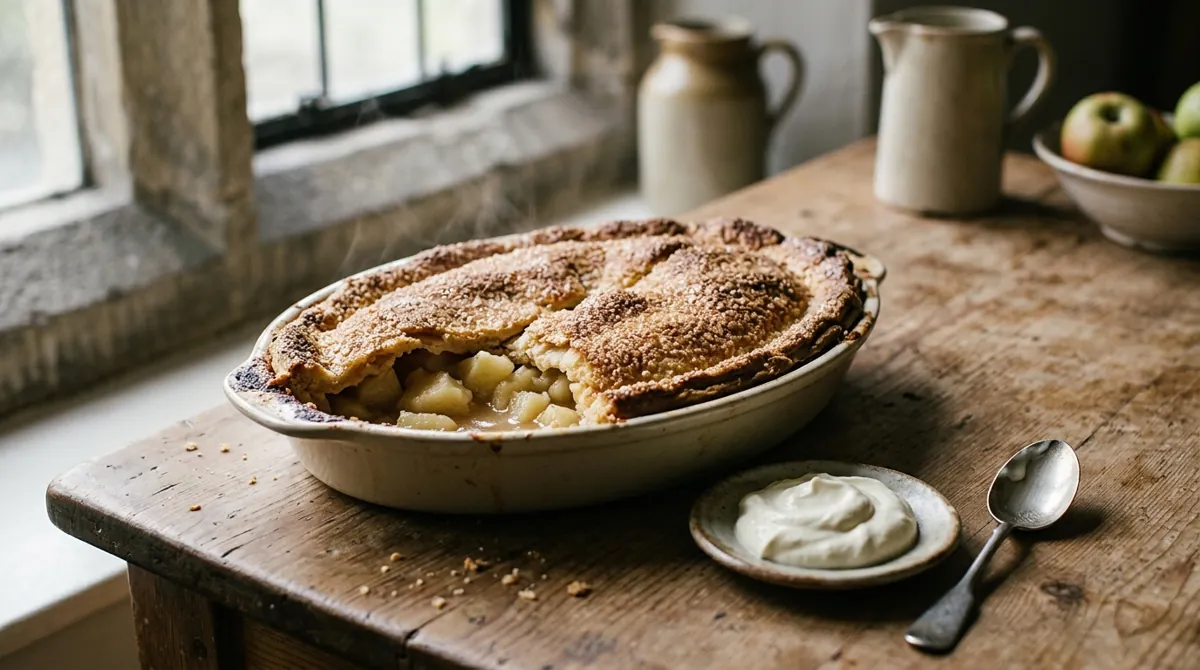
English Apple Pie (Cooking Apples Under a Pastry Lid)
Chunks of tart cooking apples with honey, cinnamon and mixed spice piled into a deep pie dish under a single lid of butter shortcrust, glazed with egg and baked hot at 400°F until golden and bubbling.
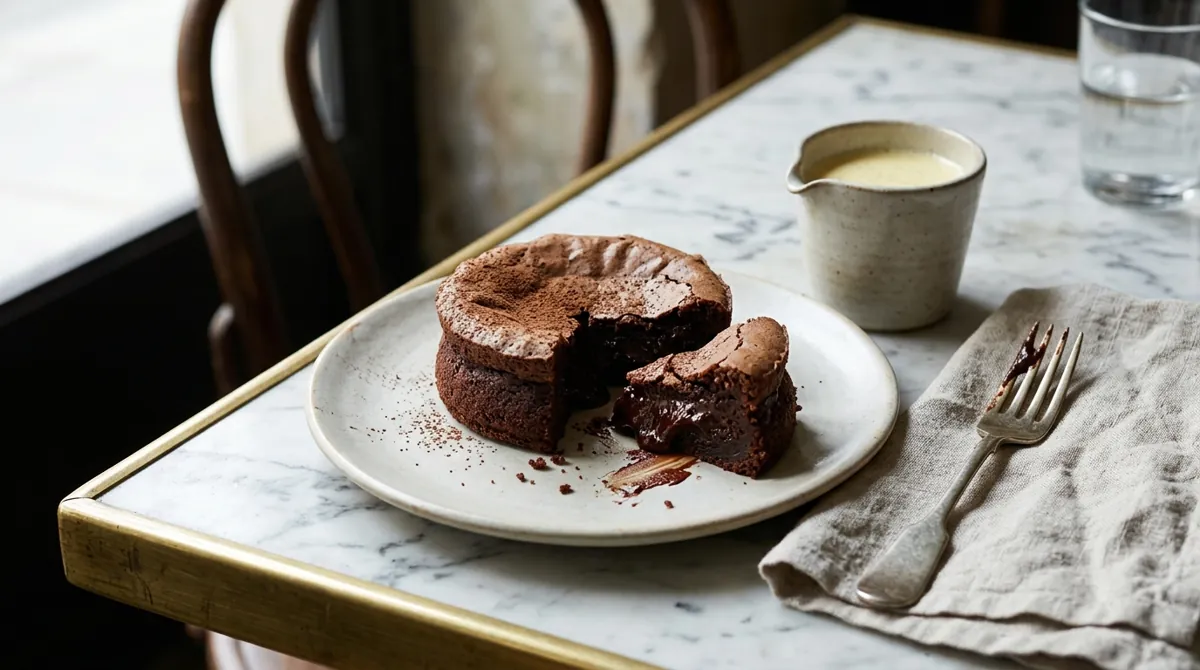
French Mi-Cuit Chocolate Cake (Pierre Hermé's Five-Ingredient Fondant)
France's soft-centered chocolate cake, the way pastry chef Pierre Hermé shared it in 2020: butter, sugar, eggs, a little flour and a lot of dark chocolate, baked until the edges set and the middle stays fudgy.
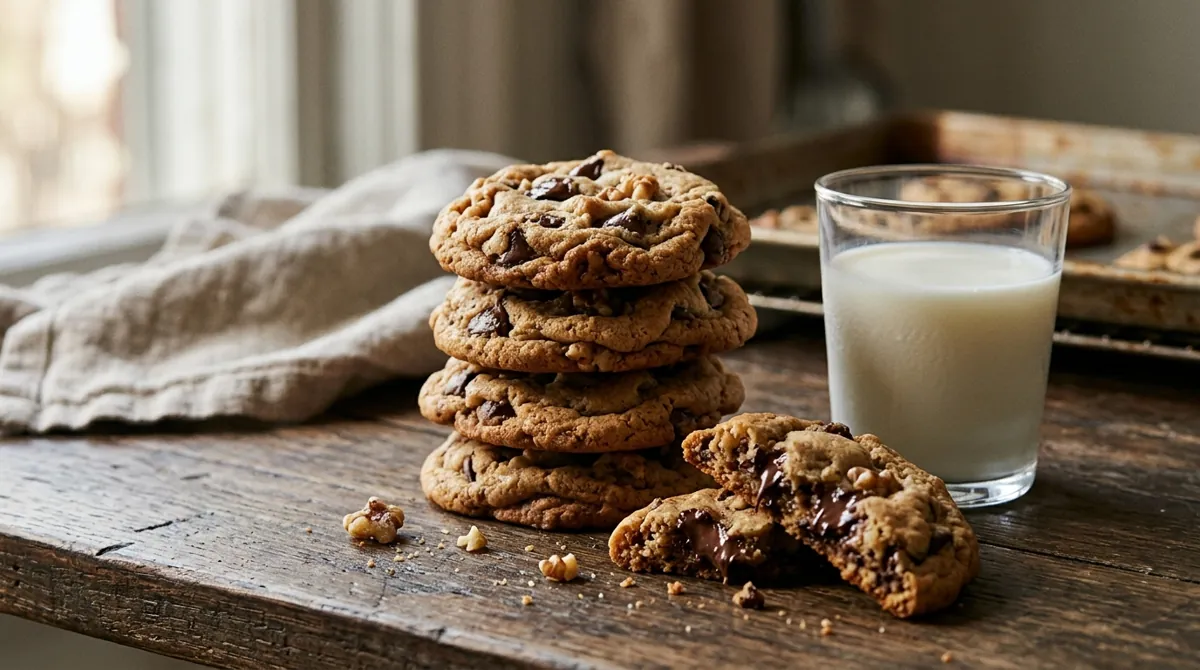
Toll House Chocolate Chip Cookies
The recipe that started it all: a butter, white sugar and brown sugar drop cookie loaded with semisweet chips and walnuts, baked hot and fast until just golden.
Every other ice cream
Fior di Latte Gelato (Italian Milk Gelato)
Italy's plainest gelato and the test of every gelateria: mostly milk, a little cream, no eggs, thickened with a spoonful of cornstarch and served softer and warmer than American ice cream.
Sicilian Lemon Granita with Brioche
Lemon juice, zest, sugar and water, frozen and scraped into fine ice the Sicilian way, served for breakfast with a soft brioche for dunking.
French Crème Glacée à la Vanille (Custard Ice Cream)
The French way: a vanilla crème anglaise of milk and six egg yolks, cooked until it coats the spoon, finished with a little cream and churned.
Turkish Dondurma (Stretchy Maraş-Style Ice Cream)
Milk and cream cooked with mastic resin and a starch thickener until it pulls in ribbons, churned, frozen in a loaf and sliced, with cinnamon and pistachios.
Indian Matka Kulfi (Saffron and Almond)
Whole milk boiled down to a third of its volume, sweetened, scented with saffron and cardamom, studded with almonds and frozen still in small clay pots, never churned.
Japanese Matcha Ice Cream
An eggless green tea ice cream that tastes like Japan's, not America's: earthy, sweet and a little bitter, with a generous five tablespoons of matcha.
Filipino Ube Ice Cream
Purple yam cooked down with condensed milk into a quick ube halaya, then whisked with coconut milk and churned into a violet, egg-free ice cream.
Philadelphia-Style Vanilla Ice Cream
The American eggless ice cream: cream, milk, sugar and vanilla stirred together cold, chilled and churned, with nothing cooked and nothing to temper.
Classic Vanilla Custard Ice Cream (Jefferson's Recipe, Updated)
The rich American vanilla: a cream-heavy custard with five yolks cooked to 170 to 175°F, the same idea as the recipe Thomas Jefferson wrote out by hand.
Bittersweet Chocolate Ice Cream
A dark, dense chocolate custard ice cream made with six yolks and six ounces of melted bittersweet chocolate, blended smooth before it chills.
The Classic Banana Split
A banana split lengthwise around scoops of vanilla, chocolate and strawberry ice cream, topped with pineapple, strawberry and chocolate sauces, whipped cream, peanuts and cherries.
The Hot Fudge Sundae
Vanilla ice cream under a warm, glossy hot fudge made with butter, unsweetened chocolate and Dutch cocoa, finished with whipped cream, toasted nuts and a cherry.
The Root Beer Float (Black Cow)
Two big scoops of vanilla ice cream in a frosted mug, very cold root beer poured slowly over the top until the foam rises.
Weeknight No-Churn Vanilla Ice Cream
No machine and no eggs: cold cream, condensed milk and milk powder whipped glossy in a food processor in about 15 minutes, then left to freeze.
Frozen Custard Concrete with Cookies and Fudge, Inspired by Shake Shack
A rich vanilla frozen custard, churned and frozen firm, then mashed with crushed chocolate sandwich cookies and fudge into a concrete so thick you can turn the cup upside down.
Meatballs of the World

Italian-American Meatballs
Big, tender meatballs braised for an hour in red sauce over spaghetti. The one most Americans grew up with.

Pallottine (Abruzzo Meatballs)
Tiny meatballs, smaller than a marble, tossed right through square spaghetti alla chitarra. No bread at all.

Swedish Meatballs (Köttbullar)
Small, soft meatballs browned in butter, in a cream sauce made from the same pan, with lingonberry jam on the plate.

Danish Frikadeller
Pork meatballs shaped with a spoon and fried slowly in butter, crusty outside and soft in the middle.

Königsberger Klopse
German meatballs that are never fried: poached, then served in a creamy white sauce with capers.

Spanish Albóndigas in Almond Saffron Sauce
The tapas bar classic: small meatballs in a golden sauce thickened with fried almonds and bread.

Mexican Albóndigas with Chipotle and Mint
Soft meatballs with rice and fresh mint inside, simmered in a smoky tomato and chipotle broth.

Izgara Köfte (Turkish Grilled Meatballs)
Small, flat meatballs kneaded hard, rested cold, and charred on a hot grill pan.

Lion's Head Meatballs
Big, soft pork meatballs, stirred into a sticky paste, fried to set, then braised in a savory sauce.

Chicken Tsukune
Japan's chicken meatball: kneaded sticky, grilled on skewers, glazed with sweet soy tare, dipped in egg yolk.