
Diner Corned Beef Hash
Leftover corned beef and diced potatoes, steamed tender in one skillet, partly mashed so they hold together, then browned hard in butter on both sides and topped with fried eggs.
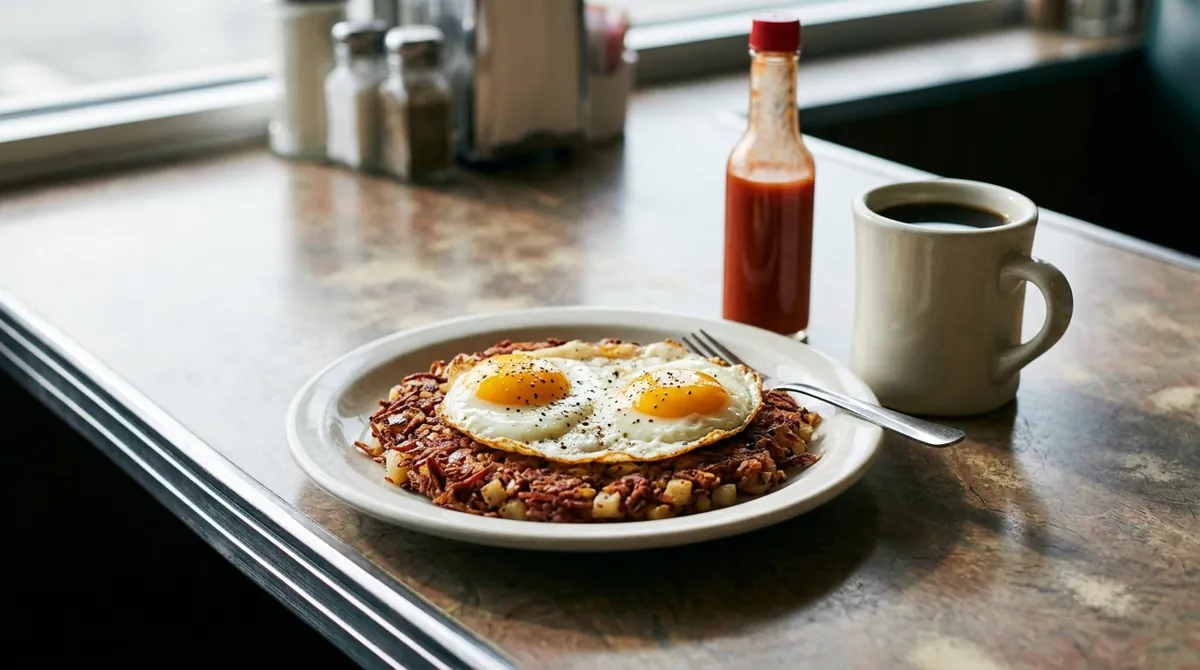
Hash comes from the French "hacher", to chop, and Wikipedia says it has been part of the American diet since at least the 1700s, common enough that cheap restaurants were nicknamed "hash houses"). Classic corned beef hash began in New England as a way to use up the leftovers of a boiled dinner (the same article, citing a 2011 New York Times article by Julia Moskin), and National Corned Beef Hash Day falls on September 27. America's Test Kitchen's Megan Ginsberg calls hash the best way to serve leftover corned beef and tops hers with a runny fried egg.
🇺🇸 This one is American
Leftover corned beef and diced potatoes, steamed tender in one skillet, partly mashed so they hold together, then browned hard in butter on both sides and topped with fried eggs.
🇮🇪 The original
The Irish original is a boiled joint of cured pork (Irish bacon) with cabbage and potatoes, finished with a white parsley sauce. See the Irish Bacon and Cabbage with Parsley Sauce recipe.
📖 Myth check: Is Corned Beef and Cabbage Actually Irish? →
Why it works the kitchen science
Steam, then brown
Covering the pan with a little water cooks the potatoes through quickly, and once the water is gone the same pan turns into a griddle.
Mash a little
Crushing a small share of the potatoes makes a starchy glue that holds the hash together, so it crisps into a crust instead of falling into loose cubes.
Step by step
- Step 1
Melt the butter in a 12-inch nonstick skillet over medium heat. Add the onion, salt and pepper and cook, stirring often, until the onion is translucent, about 3 minutes.
- Step 2
Turn the heat to medium-high, add the potatoes, garlic and water, cover and cook 6 minutes.
- Step 3
Uncover and cook, stirring often, until the potatoes are cooked through and the water is gone, about 6 minutes more.
- Step 4
Take the pan off the heat, mash about one-eighth of the potatoes right in the pan and stir them through the rest. Stir in the corned beef and hot sauce, then press everything into an even layer.
- Step 5
Set the skillet over high heat and cook without stirring for 3 minutes. Slide the hash onto a large plate, put the skillet upside down over it and flip it back in so the browned side is up. Cook about 3 minutes more, until the second side is crisp at the edges. Slide it onto a platter.
- Step 6
Wipe out the skillet, melt the 1 tbsp butter over medium heat, crack in the eggs and fry 2 to 3 minutes, until the whites are set and the yolks still runny. Slide them onto the hash and serve with more hot sauce.
Diner Corned Beef Hash
Serves 4 · one 12-inch skillet of hash plus 4 eggs · 45 min total
Hash
- 3 tbsp unsalted butter
- 1 small onion, finely chopped
- 3/4 tsp salt
- 1/2 tsp black pepper
- 2 lb russet potatoes, peeled and cut into 1/2-inch pieces
- 2 garlic cloves, minced
- 3/4 cup water
- 12 oz cooked corned beef, shredded into bite-size pieces
- 1 tbsp hot sauce, plus more to serve
Eggs
- 1 tbsp unsalted butter
- 4 large eggs
Method
- Melt the butter in a 12-inch nonstick skillet over medium heat. Add the onion, salt and pepper and cook, stirring often, until the onion is translucent, about 3 minutes.
- Turn the heat to medium-high, add the potatoes, garlic and water, cover and cook 6 minutes.
- Uncover and cook, stirring often, until the potatoes are cooked through and the water is gone, about 6 minutes more.
- Take the pan off the heat, mash about one-eighth of the potatoes right in the pan and stir them through the rest. Stir in the corned beef and hot sauce, then press everything into an even layer.
- Set the skillet over high heat and cook without stirring for 3 minutes. Slide the hash onto a large plate, put the skillet upside down over it and flip it back in so the browned side is up. Cook about 3 minutes more, until the second side is crisp at the edges. Slide it onto a platter.
- Wipe out the skillet, melt the 1 tbsp butter over medium heat, crack in the eggs and fry 2 to 3 minutes, until the whites are set and the yolks still runny. Slide them onto the hash and serve with more hot sauce.
Adapted from America's Test Kitchen, "Corned Beef Hash" by Lan Lam (Cook's Illustrated, March/April 2016), as written for 4. ATK suggests serving it with poached or fried eggs; the fried eggs, their extra tablespoon of butter and the timing are ours. Leftover corned beef should be steaming hot by the time it is served (USDA FSIS reheats leftovers to 165°F). America's Test Kitchen. Ingredient list follows the source; the method is in our own words.
Tips
- No leftovers? Ask the deli counter for cooked corned beef sliced 1/2 inch thick and dice it (ATK's tip in its Corned Beef and Cabbage Hash).
- Don't stir during the high-heat browning; the crust only forms if the hash stays put.
- Bonus: corned beef from our Corned Beef and Cabbage recipe or 4 makes the best hash, and pastrami (our Pastrami on Rye recipe) works too.
The rules people argue about
What the sources agree on, what they don't, and what is just a good story.
- Corned beef hash started in New England. Documented as Wikipedia's account (citing The New York Times, 2011): a way to use boiled-dinner leftovers.
- Hash must be made from leftovers. Folklore: the classic version is, but ATK's tested recipes buy deli corned beef on purpose.
- Fried egg on top. Folklore: a diner habit; ATK says any style of egg works.
- Canned hash is the same dish. Disputed: Wikipedia says canned corned beef hash became especially popular in Britain and France during and after World War II rationing; American diner hash is made fresh. They share a name, not a method.
Every other corned beef
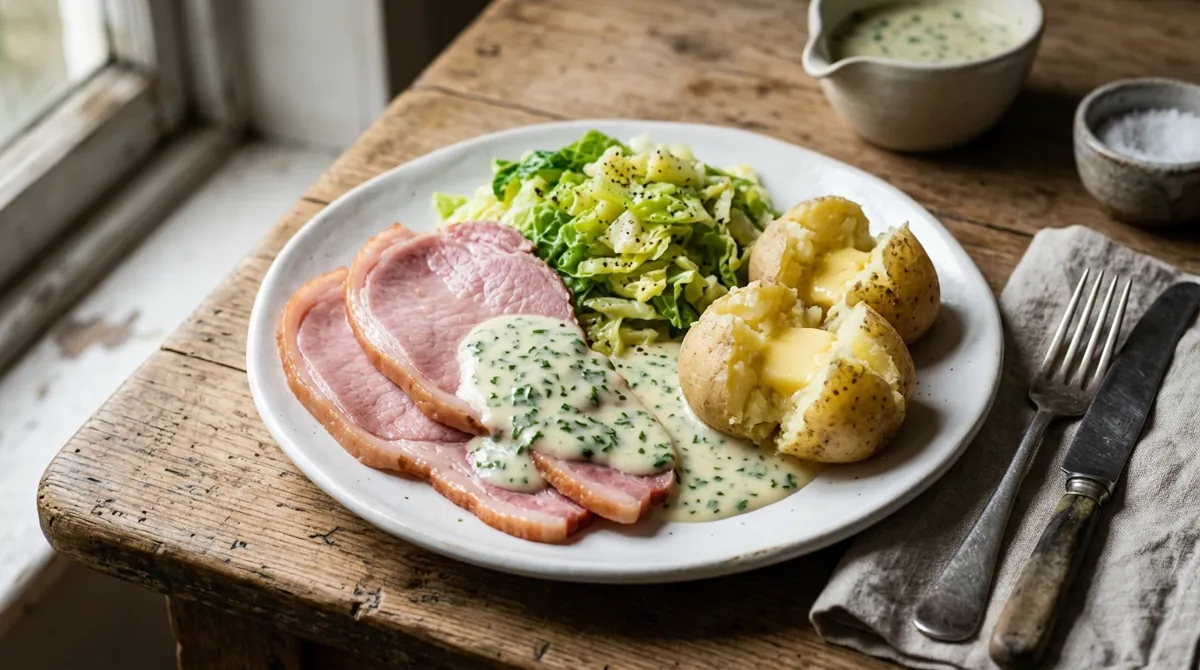
Irish Bacon and Cabbage with Parsley Sauce
The real Irish dinner behind America's corned beef and cabbage: a cured bacon joint simmered in a big pot, cabbage cooked in the salty bacon water, and a white sauce full of parsley.
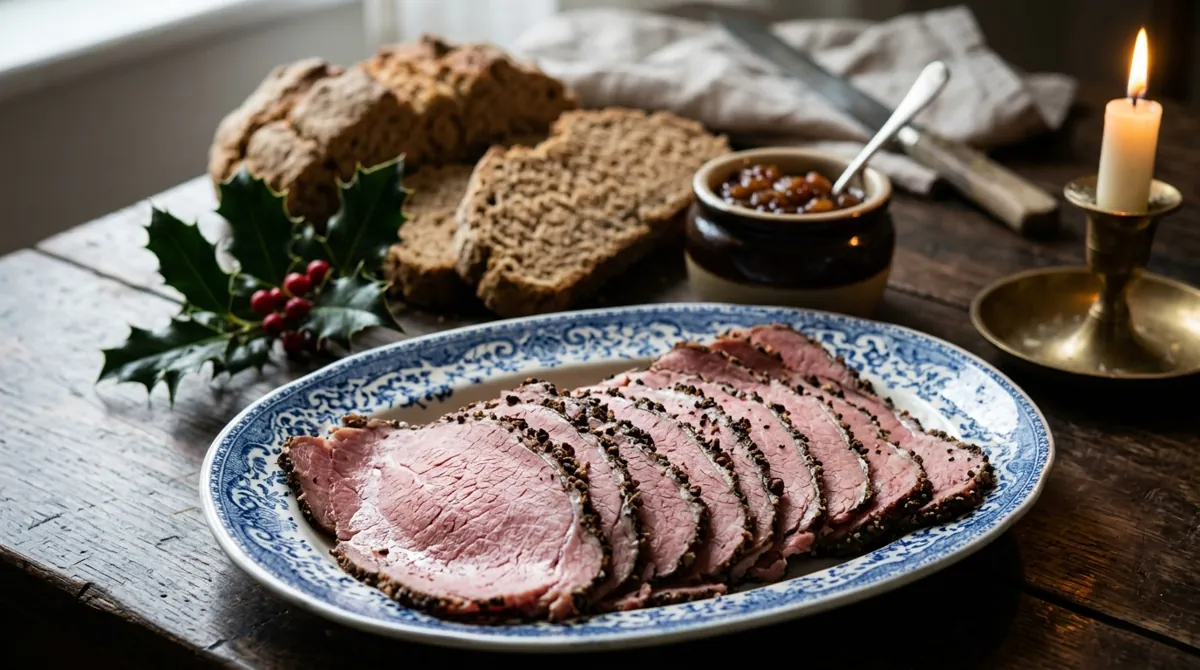
Cork Spiced Beef
Cork's Christmas beef: a corned joint marinated for a week in allspice, brown sugar and three peppers, simmered gently, cooled in its liquid and sliced thin.
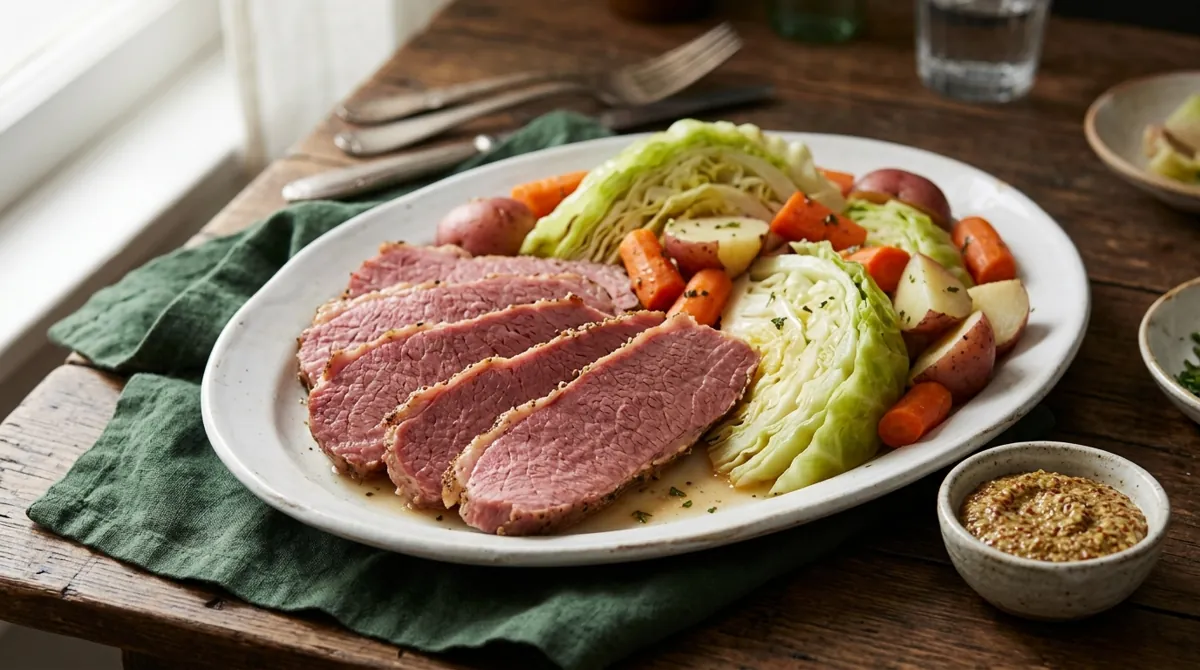
Corned Beef and Cabbage
The Irish-American St. Patrick's Day dinner: flat-cut corned beef braised low and slow in the oven, then cabbage wedges, carrots and red potatoes simmered in the strained, buttered cooking liquid.
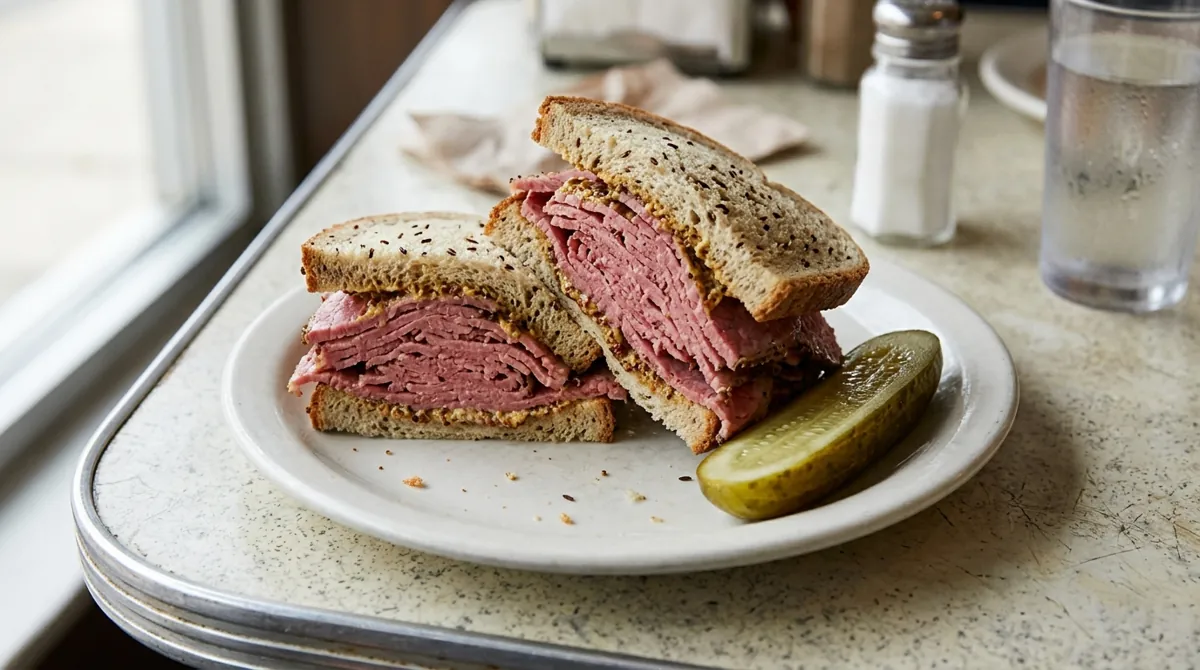
Homemade Deli Corned Beef on Rye
Cure your own brisket for six days in a salt, sugar and pink curing salt brine, simmer it in a low oven, then slice it thin, steam it and pile it on rye with deli mustard.
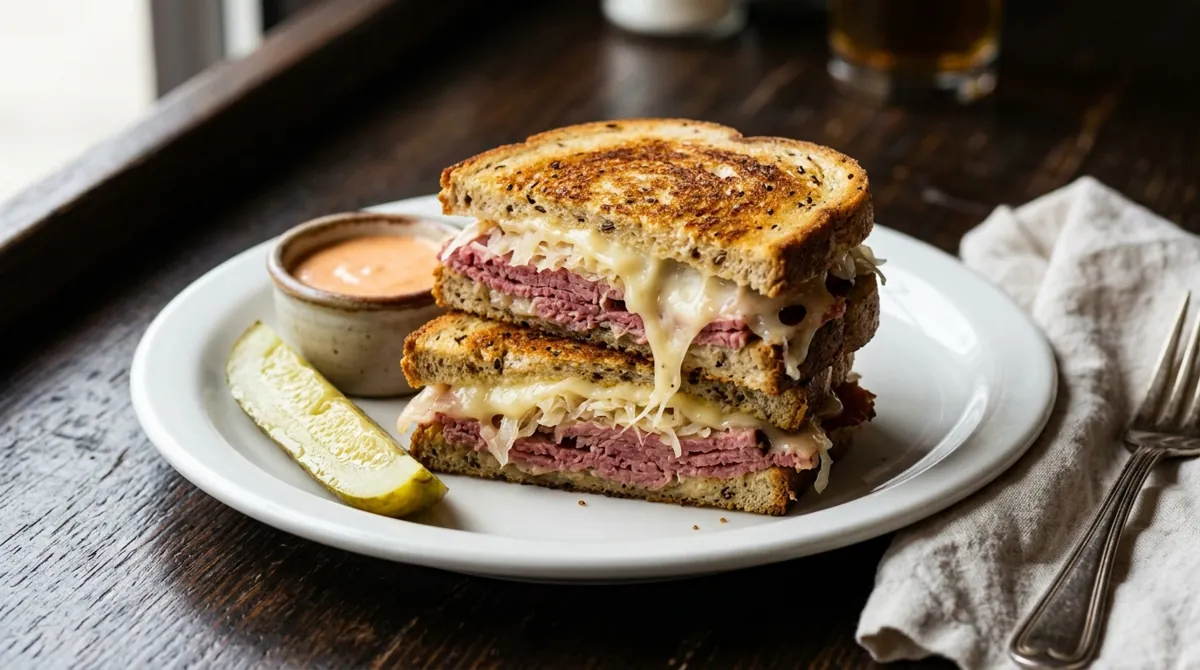
Reuben Sandwich
Corned beef, Swiss cheese and quick-cooked sauerkraut on rye with a Russian-style dressing, griddled in butter until the bread is golden and the cheese melts.
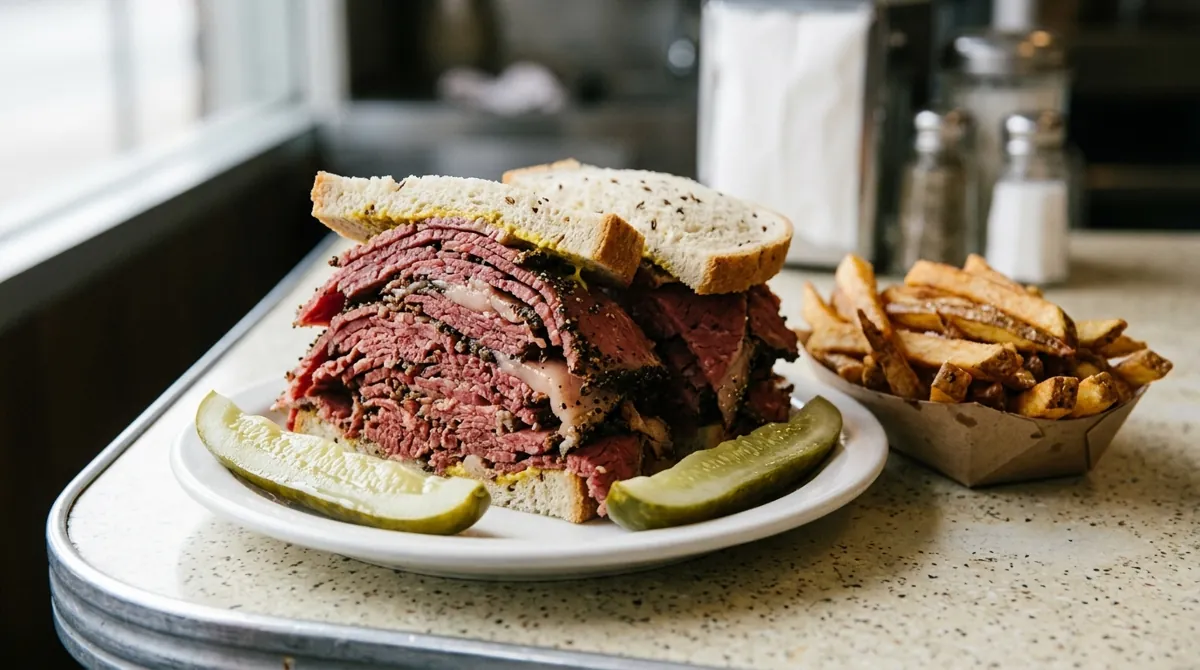
Montreal Smoked Meat
Montreal's answer to pastrami: a whole brisket dry-cured for a week, soaked, crusted with pepper, coriander and dill, smoked low, steamed in foil until tender and piled on rye with yellow mustard.
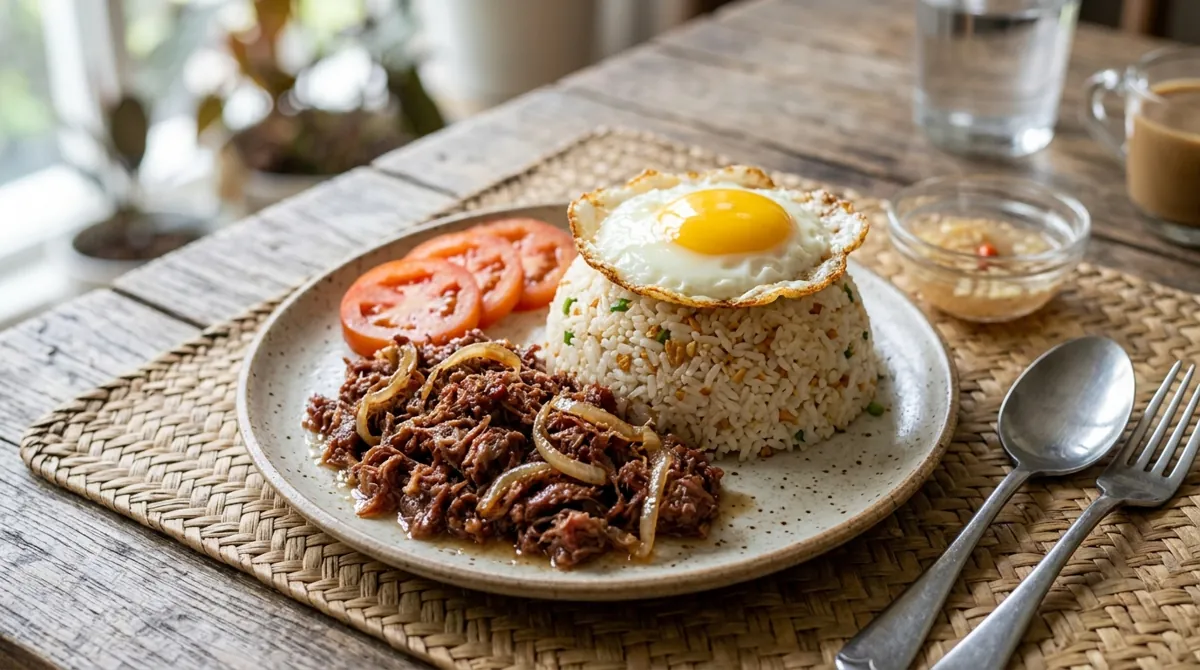
Filipino Corned Beef Silog (Corned Beef, Garlic Rice and Egg)
The Filipino breakfast plate: tinned corned beef fried with browned garlic and onion, a mound of crisp garlic fried rice and a sunny-side-up egg.
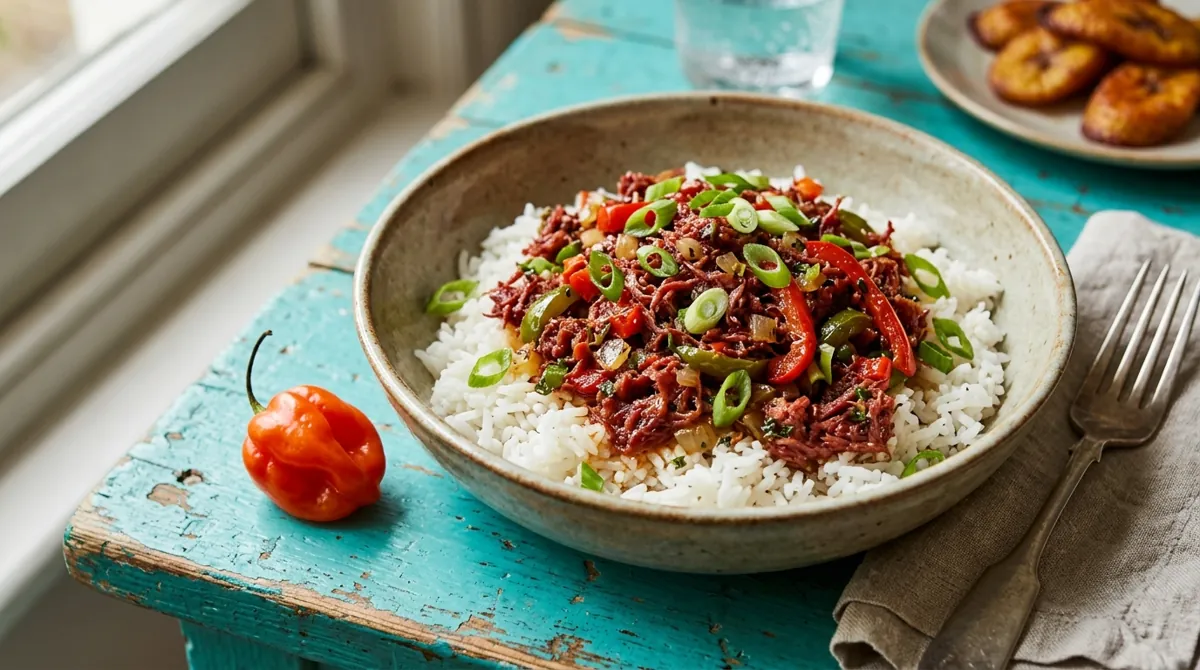
Jamaican-Style Bully Beef
Tinned corned beef simmered with onion, tomatoes, sweet peppers, thyme, ketchup and a whole Scotch bonnet into a quick, peppery stew for rice.
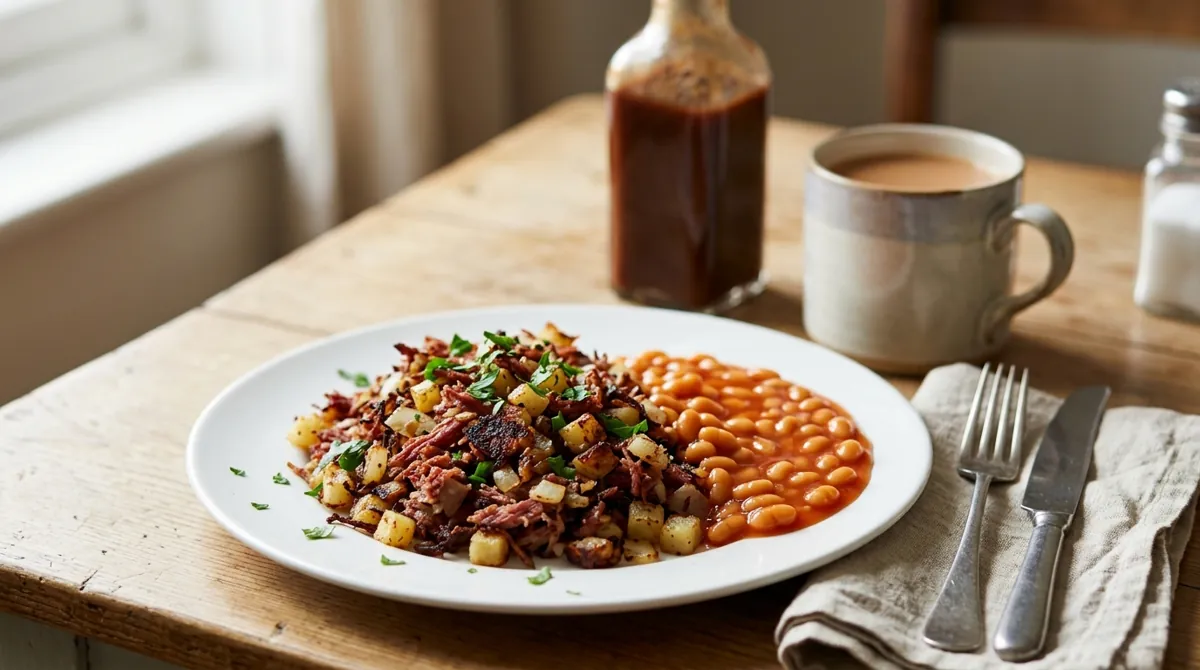
British Corned Beef Hash
The British storecupboard supper: parboiled potatoes and cubes of tinned corned beef fried with onion, pressed into a crust, splashed with Worcestershire sauce and served with baked beans.
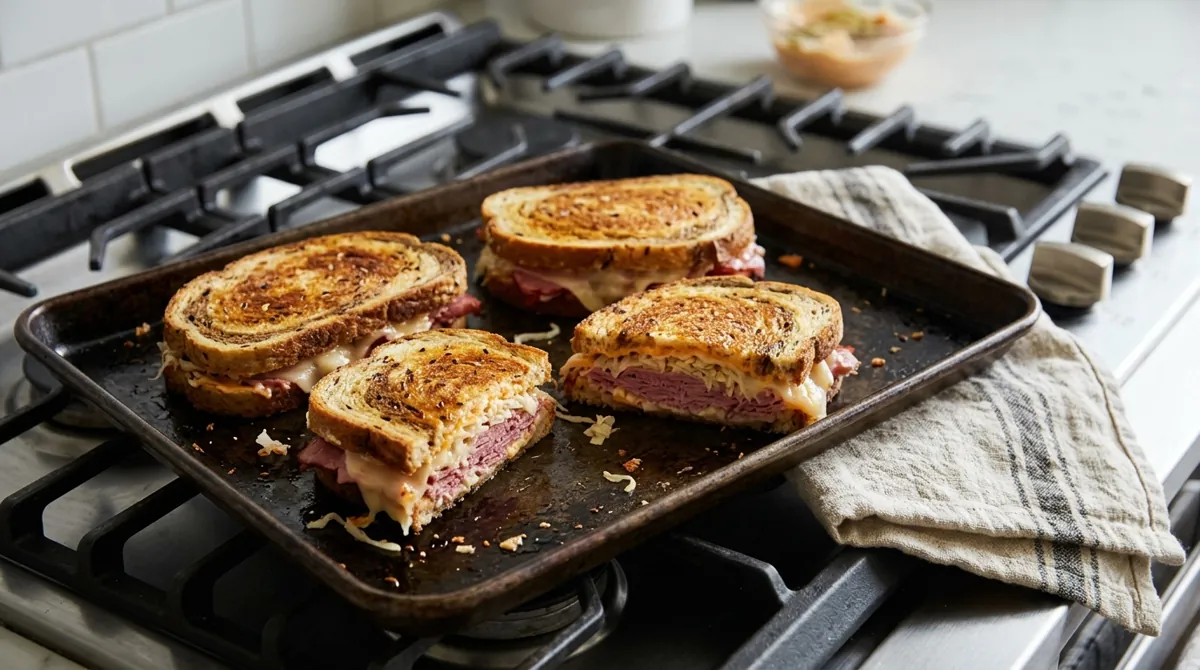
Sheet-Pan Reubens
Four Reubens at once in 30 minutes: quick sweet-and-sour cabbage instead of sauerkraut, a mayo-mustard spread, deli corned beef and Swiss on rye, baked on a preheated sheet pan so they toast without flipping.
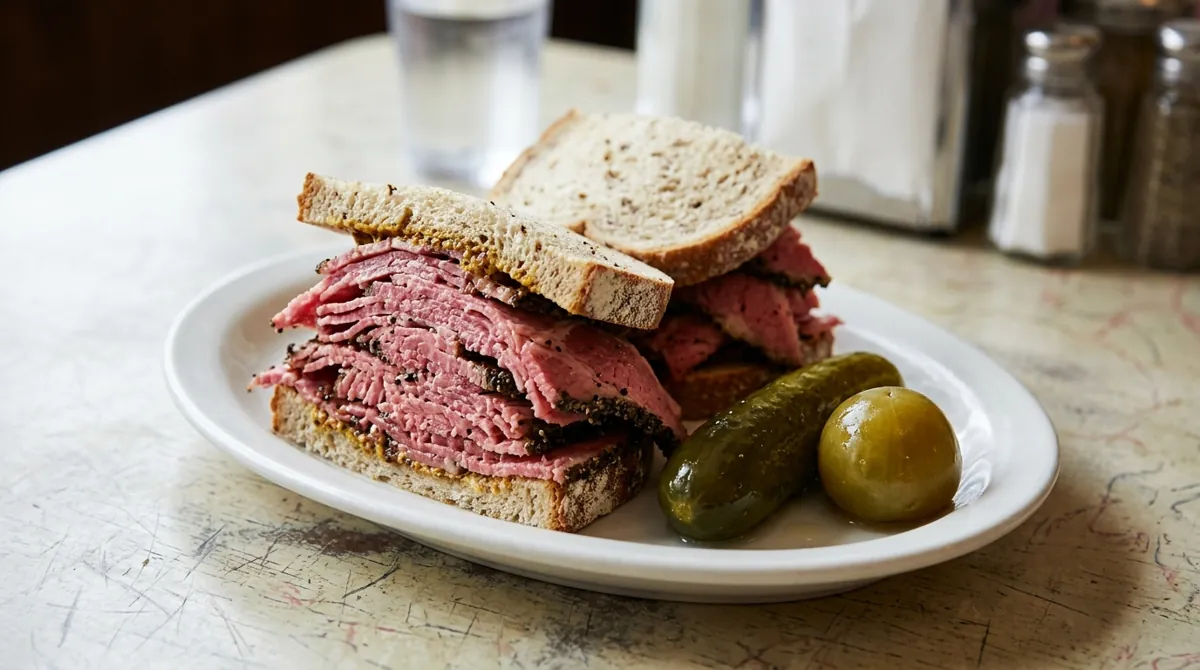
Pastrami on Rye, Inspired by Katz's
Inspired by, not official: store-bought corned beef soaked to pull out salt, crusted with cracked black pepper and coriander, smoked low, finished in foil to 203°F and hand-sliced onto rye with mustard, the way Katz's Delicatessen serves it.
Meatballs of the World

Italian-American Meatballs
Big, tender meatballs braised for an hour in red sauce over spaghetti. The one most Americans grew up with.

Pallottine (Abruzzo Meatballs)
Tiny meatballs, smaller than a marble, tossed right through square spaghetti alla chitarra. No bread at all.

Swedish Meatballs (Köttbullar)
Small, soft meatballs browned in butter, in a cream sauce made from the same pan, with lingonberry jam on the plate.

Danish Frikadeller
Pork meatballs shaped with a spoon and fried slowly in butter, crusty outside and soft in the middle.

Königsberger Klopse
German meatballs that are never fried: poached, then served in a creamy white sauce with capers.

Spanish Albóndigas in Almond Saffron Sauce
The tapas bar classic: small meatballs in a golden sauce thickened with fried almonds and bread.

Mexican Albóndigas with Chipotle and Mint
Soft meatballs with rice and fresh mint inside, simmered in a smoky tomato and chipotle broth.

Izgara Köfte (Turkish Grilled Meatballs)
Small, flat meatballs kneaded hard, rested cold, and charred on a hot grill pan.

Lion's Head Meatballs
Big, soft pork meatballs, stirred into a sticky paste, fried to set, then braised in a savory sauce.

Chicken Tsukune
Japan's chicken meatball: kneaded sticky, grilled on skewers, glazed with sweet soy tare, dipped in egg yolk.