
Pastrami on Rye, Inspired by Katz's
Inspired by, not official: store-bought corned beef soaked to pull out salt, crusted with cracked black pepper and coriander, smoked low, finished in foil to 203°F and hand-sliced onto rye with mustard, the way Katz's Delicatessen serves it.
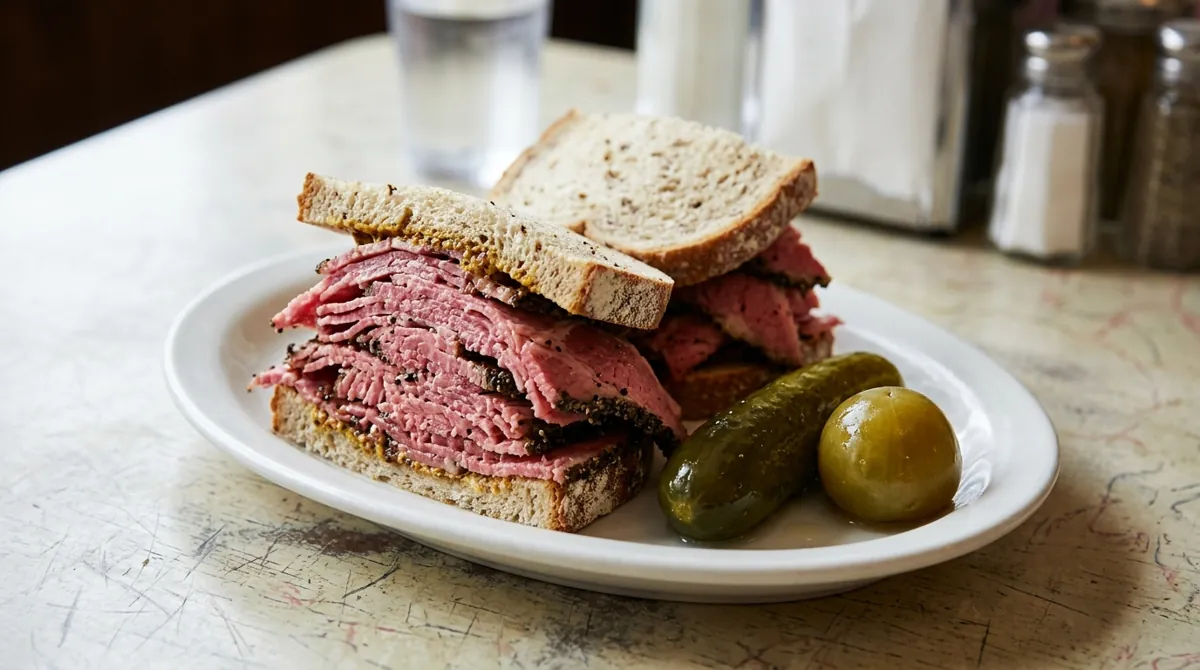
Pastrami is corned beef that has been rubbed with spices and smoked. Wikipedia traces the name through Yiddish to Romanian pastramă, which may come from Turkish pastırma, and calls American pastrami a Jewish-American dish tied to Romanian Jewish communities. The famous origin story, that kosher butcher Sussman Volk made the first US pastrami sandwich in 1887 from a Romanian friend's recipe, comes from his descendant Patricia Volk and is called apocryphal by Wikipedia; the earliest documented US reference it found is a "Roumania pastrami" advertisement in Butte, Montana, in January 1895. Katz's Delicatessen on East Houston Street gives 1888 as its founding year, which food writer Robert F. Moss has questioned from immigration records. Meathead, the founder of AmazingRibs, built his home recipe by watching and questioning Katz's carvers; he reports that Katz's uses navel, cures it for weeks, rubs it mostly with pepper and coriander, smokes it and steams it on the day it is served, while warning that staff gave him different answers to the same questions.
🇺🇸 This one is American
Inspired by, not official: store-bought corned beef soaked to pull out salt, crusted with cracked black pepper and coriander, smoked low, finished in foil to 203°F and hand-sliced onto rye with mustard, the way Katz's Delicatessen serves it.
🇮🇪 The original
The Irish original is a boiled joint of cured pork (Irish bacon) with cabbage and potatoes, finished with a white parsley sauce. See the Irish Bacon and Cabbage with Parsley Sauce recipe.
🗳️ Corned beef or pastrami on rye? Vote: Corned beef vs Pastrami →
📖 : Corned Beef vs Pastrami: What's the Difference? → 📖 Origin story: Who Invented the Reuben Sandwich? Omaha vs New York →
Why it works the kitchen science
Soak before you rub
Store-bought corned beef is cured to be boiled in lots of water; pastrami is smoked and wrapped, so the salt has nowhere to go unless you soak it out first (AmazingRibs).
Foil at the stall
Around 160°F, evaporation stalls the cook for hours. Wrapping it in foil stops the evaporation, speeds it to 203°F and keeps the meat juicy while the collagen melts (AmazingRibs; ThermoWorks).
Step by step
- Step 1
Trim off the fat cap and any silvery membrane. Put the beef in a pot just bigger than it, cover with cold water and refrigerate at least 8 hours, changing the water at least once.
- Step 2
Crack the peppercorns, coriander seeds and mustard seeds in a zip-top bag with the bottom of a saucepan, then mix them with the rest of the rub ingredients.
- Step 3
Rinse the beef and, while it is still damp, press the rub firmly over every surface. AmazingRibs' recipe card calls for 3 tbsp; use the whole batch for a thick, Katz's-style crust.
- Step 4
Set up a smoker or a grill for indirect heat at 225°F with a few chunks of oak, hickory, cherry or maple. Smoke the beef until the crust is dark brown and the center reads about 160°F, about 3 to 4 hours.
- Step 5
Wrap the beef tightly in foil and keep cooking at 225°F (on the smoker or in the oven) until the center reads 203°F, about 2 to 3 hours more.
- Step 6
Rest it until cool enough to handle, about 30 minutes. Find the direction of the grain and slice by hand across it, about 1/8 inch thick; a machine slicer will shred it.
- Step 7
For deli-soft meat, steam the slices in a covered steamer basket over simmering water 3 to 5 minutes, then pile them on untoasted rye spread with mustard on both slices.
Pastrami on Rye, Inspired by Katz's
Serves 8 · about 3 lb pastrami (AmazingRibs' yield), 8 sandwiches · 6 hr 30 min total
Beef
- 1 (4 lb) raw corned beef brisket in its brine (point or flat; not the ready-to-eat kind), spice packet discarded
Pastrami rub
- 2 tbsp whole black peppercorns, cracked
- 1 tbsp coarsely ground black pepper
- 1 tbsp whole coriander seeds, cracked
- 1 tbsp ground coriander
- 1 tbsp packed brown sugar
- 1 tbsp paprika
- 2 tsp garlic powder
- 2 tsp onion powder
- 1/2 tsp yellow mustard seeds, cracked
- 1/2 tsp ground mustard
To serve
- 16 slices fresh rye bread, untoasted
- Brown deli mustard
Method
- Trim off the fat cap and any silvery membrane. Put the beef in a pot just bigger than it, cover with cold water and refrigerate at least 8 hours, changing the water at least once.
- Crack the peppercorns, coriander seeds and mustard seeds in a zip-top bag with the bottom of a saucepan, then mix them with the rest of the rub ingredients.
- Rinse the beef and, while it is still damp, press the rub firmly over every surface. AmazingRibs' recipe card calls for 3 tbsp; use the whole batch for a thick, Katz's-style crust.
- Set up a smoker or a grill for indirect heat at 225°F with a few chunks of oak, hickory, cherry or maple. Smoke the beef until the crust is dark brown and the center reads about 160°F, about 3 to 4 hours.
- Wrap the beef tightly in foil and keep cooking at 225°F (on the smoker or in the oven) until the center reads 203°F, about 2 to 3 hours more.
- Rest it until cool enough to handle, about 30 minutes. Find the direction of the grain and slice by hand across it, about 1/8 inch thick; a machine slicer will shred it.
- For deli-soft meat, steam the slices in a covered steamer basket over simmering water 3 to 5 minutes, then pile them on untoasted rye spread with mustard on both slices.
Adapted from AmazingRibs.com (by its founder, who writes as Meathead), "A Smoked Pastrami Recipe That's Close To Katz's" (last modified September 25, 2026), as written for 8 with 4 lb of corned beef: with the rub from his "Katz's Deli Pastrami Rub Recipe" (makes about 1/2 cup, enough for about 5 lb). The smoke-phase and foil-phase hour estimates come from ThermoWorks. The final steaming of the slices is ours, a nod to Katz's steam box; Meathead dropped steaming the whole brisket in 2022 in favor of foil. Katz's has never published its recipe; this is a home version, inspired by, not official, and not endorsed by Katz's. amazingribs.com. Ingredient list follows the source; the method is in our own words.
Tips
- Buy raw corned beef in brine, never sliced ready-to-eat corned beef (AmazingRibs).
- The point is fattier and richer; the flat gives neater slices. Katz's uses navel, which few stores carry (AmazingRibs).
- No pink smoke ring? That's normal: the curing salt has already turned the whole piece pink (AmazingRibs).
- Leftovers freeze 2 to 3 months (AmazingRibs; USDA FSIS gives the same range for cooked corned beef).
- Never use Katz's name, logo or signs on the plate or in images; this recipe is inspired by, not official.
The rules people argue about
What the sources agree on, what they don't, and what is just a good story.
- Sussman Volk made the first American pastrami in 1887. Disputed: his descendant Patricia Volk tells the story; Wikipedia calls it apocryphal, and the earliest documented US reference it found is an 1895 Montana ad.
- Katz's opened in 1888. Disputed: Katz's own history says 1888; Robert F. Moss (2017) says the Iceland brothers arrived in 1902 and their deli appears only by 1911 (via Wikipedia).
- Pastrami is made from navel, not brisket. Disputed: Wikipedia says New York pastrami is generally navel and Meathead says Katz's uses navel; Wikipedia also says American pastrami is now often brisket, round or turkey.
- Pastrami comes from Romania. Disputed: Wikipedia says the name probably comes from Romanian pastramă, possibly from Turkish pastırma, but notes the dishes differ and that origin is debated.
- Ask for it "fatty". Folklore: Meathead's advice at Katz's counter, not a rule.
Every other corned beef
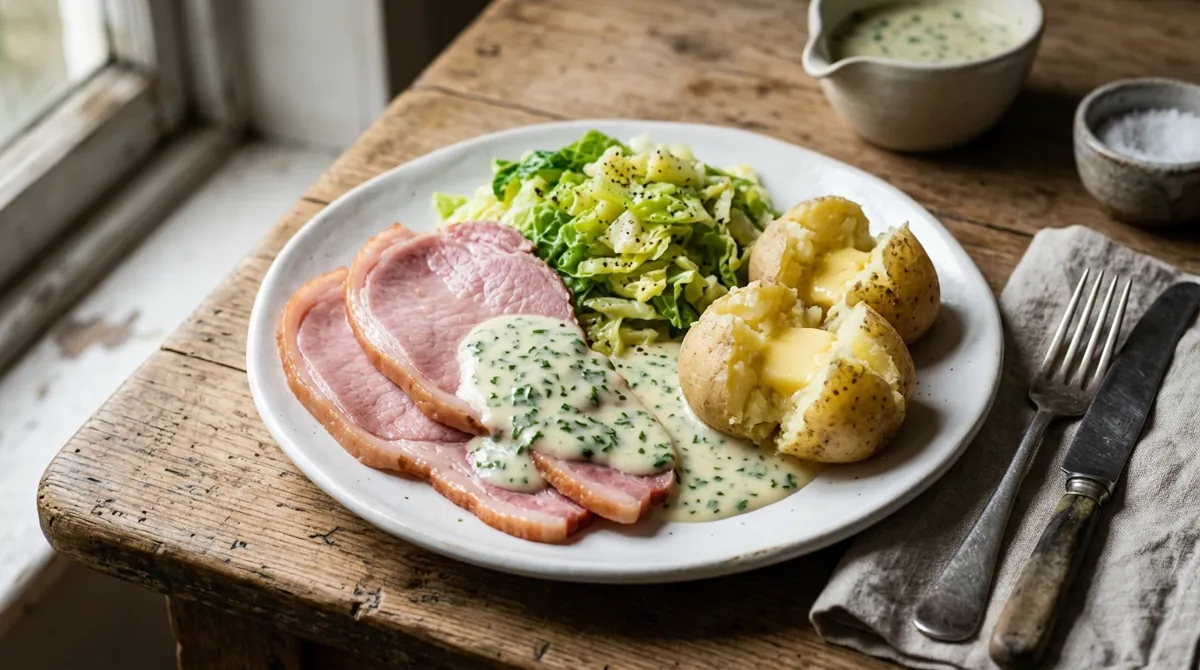
Irish Bacon and Cabbage with Parsley Sauce
The real Irish dinner behind America's corned beef and cabbage: a cured bacon joint simmered in a big pot, cabbage cooked in the salty bacon water, and a white sauce full of parsley.
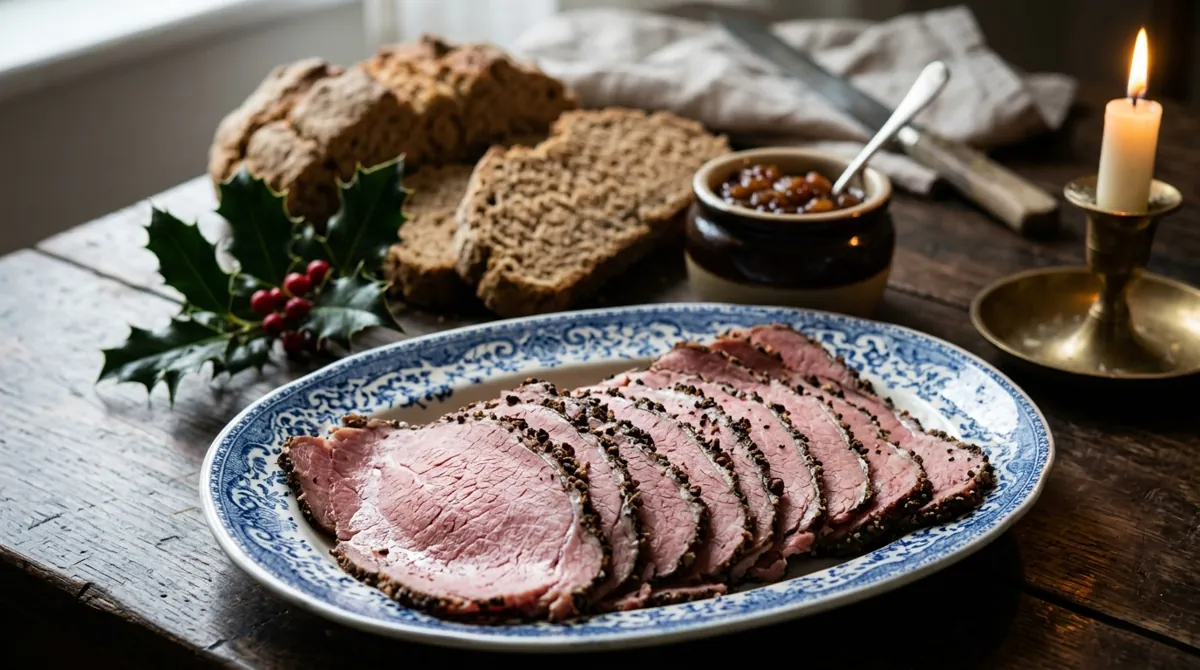
Cork Spiced Beef
Cork's Christmas beef: a corned joint marinated for a week in allspice, brown sugar and three peppers, simmered gently, cooled in its liquid and sliced thin.
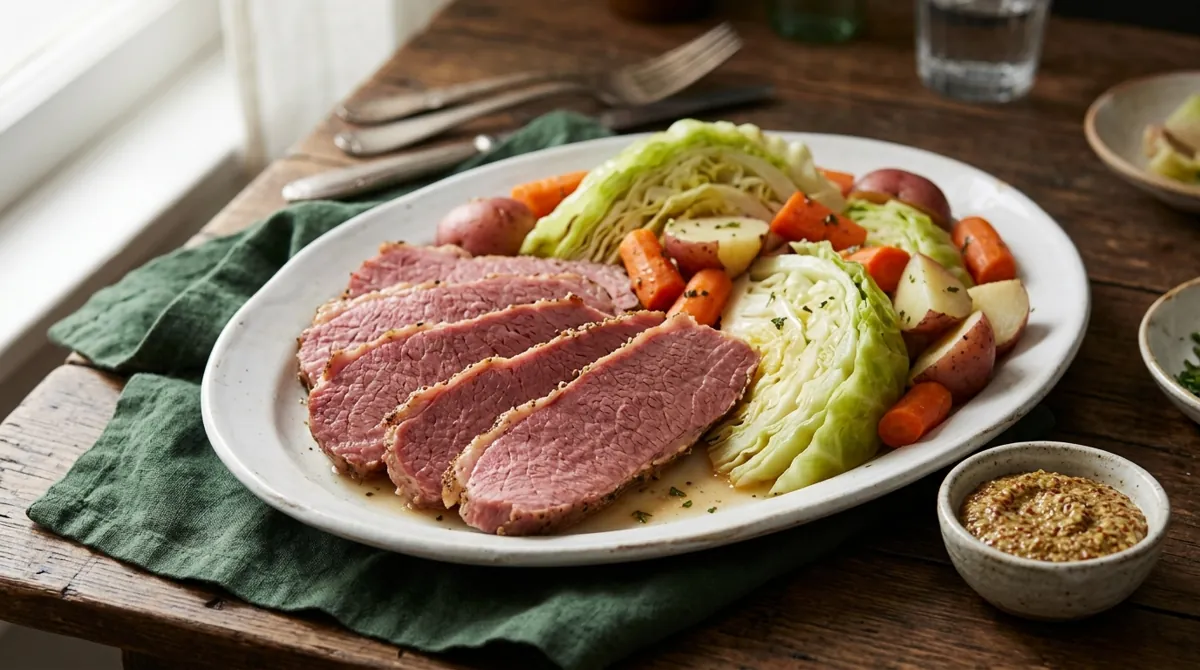
Corned Beef and Cabbage
The Irish-American St. Patrick's Day dinner: flat-cut corned beef braised low and slow in the oven, then cabbage wedges, carrots and red potatoes simmered in the strained, buttered cooking liquid.
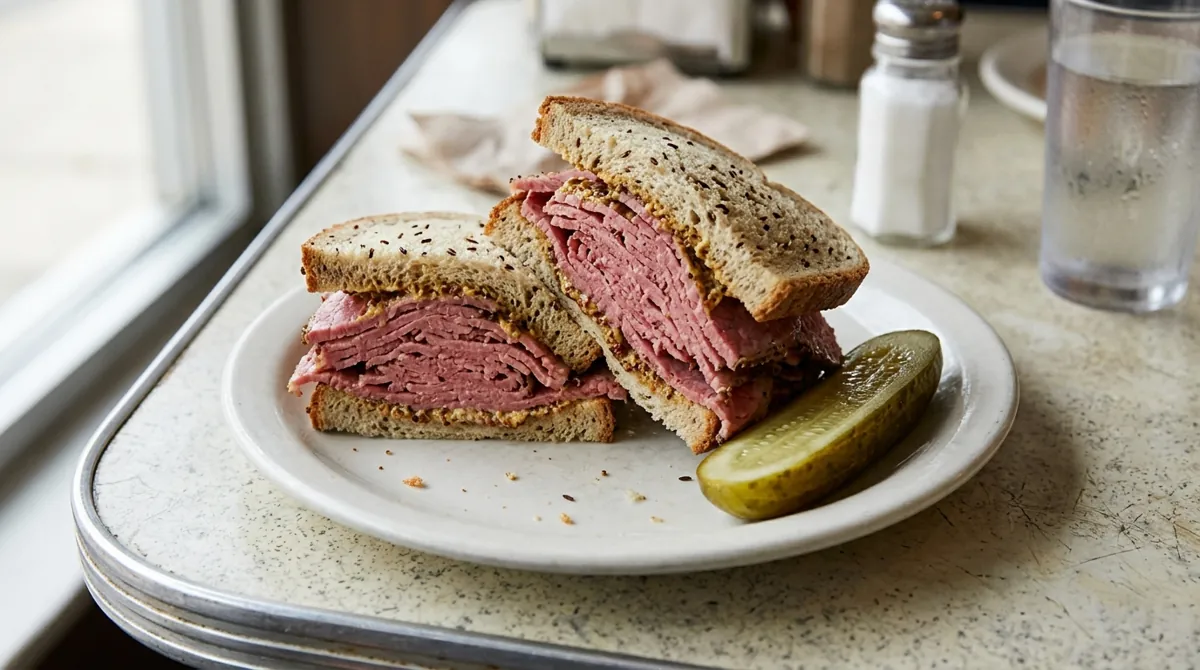
Homemade Deli Corned Beef on Rye
Cure your own brisket for six days in a salt, sugar and pink curing salt brine, simmer it in a low oven, then slice it thin, steam it and pile it on rye with deli mustard.
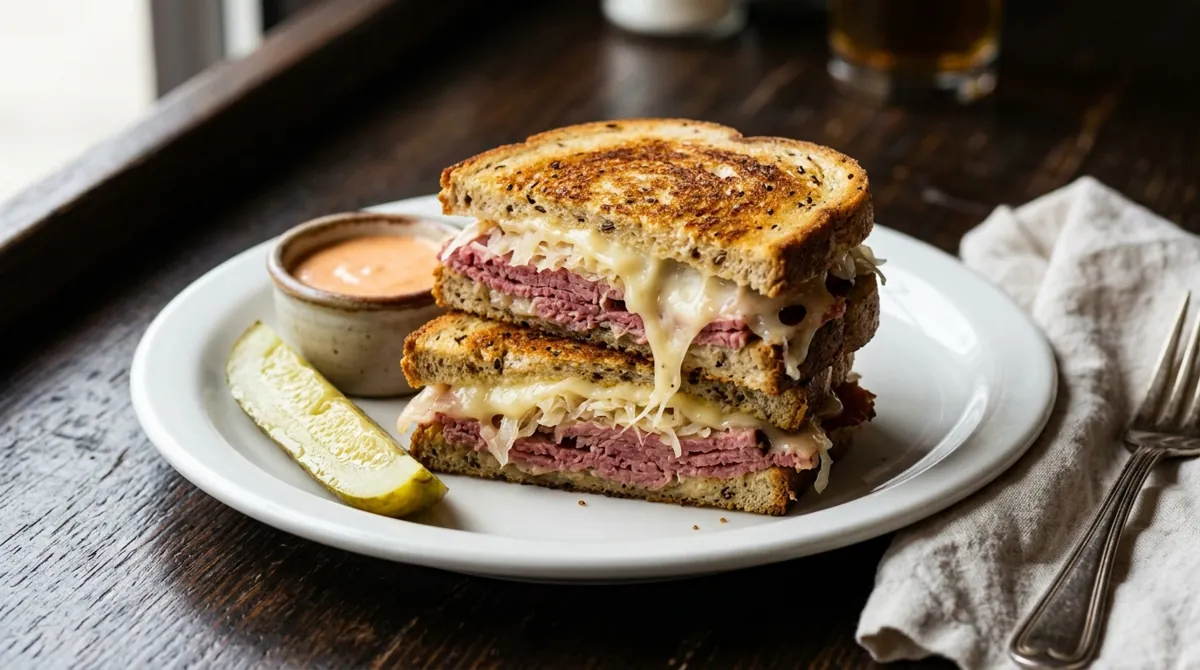
Reuben Sandwich
Corned beef, Swiss cheese and quick-cooked sauerkraut on rye with a Russian-style dressing, griddled in butter until the bread is golden and the cheese melts.
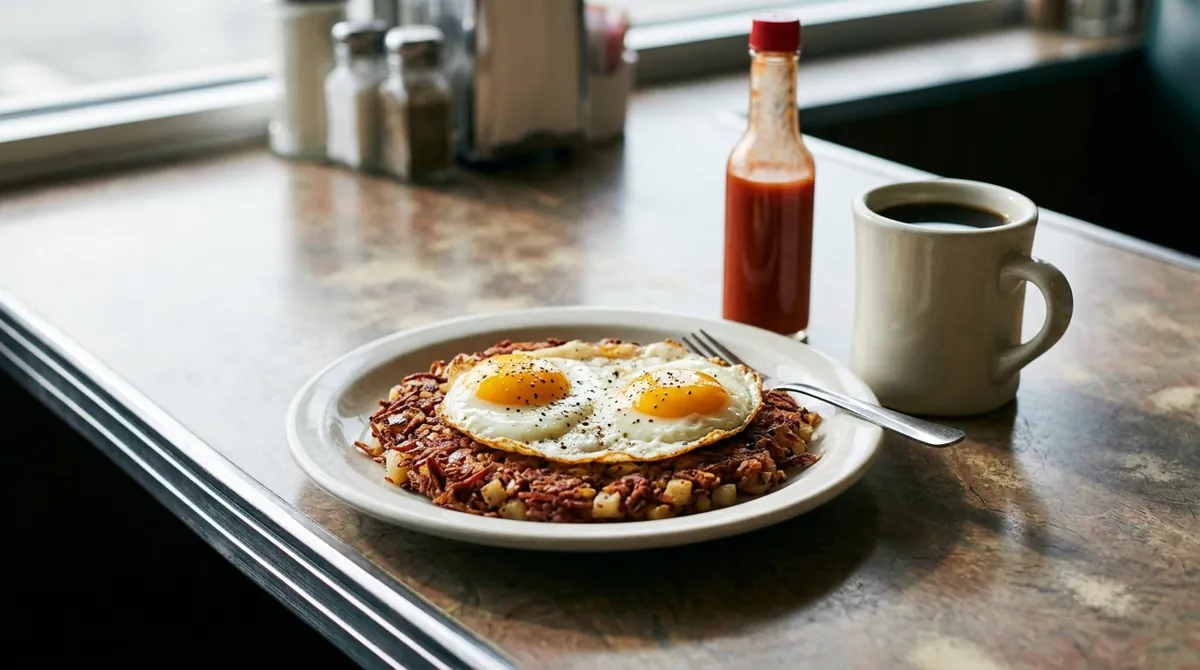
Diner Corned Beef Hash
Leftover corned beef and diced potatoes, steamed tender in one skillet, partly mashed so they hold together, then browned hard in butter on both sides and topped with fried eggs.
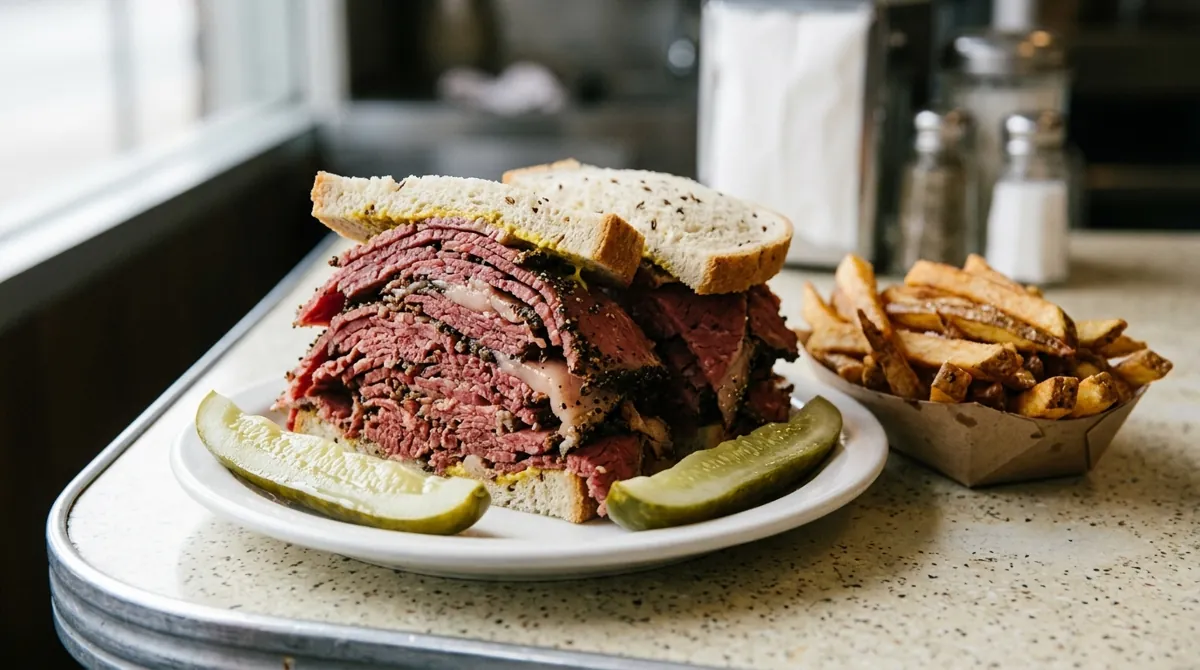
Montreal Smoked Meat
Montreal's answer to pastrami: a whole brisket dry-cured for a week, soaked, crusted with pepper, coriander and dill, smoked low, steamed in foil until tender and piled on rye with yellow mustard.
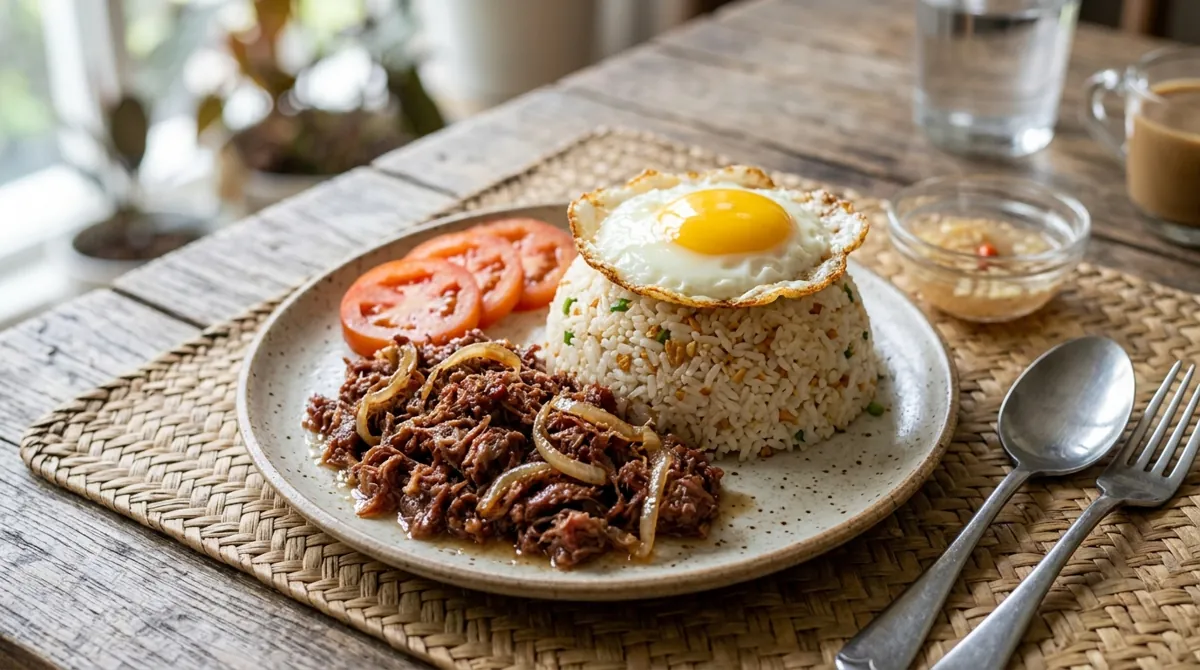
Filipino Corned Beef Silog (Corned Beef, Garlic Rice and Egg)
The Filipino breakfast plate: tinned corned beef fried with browned garlic and onion, a mound of crisp garlic fried rice and a sunny-side-up egg.
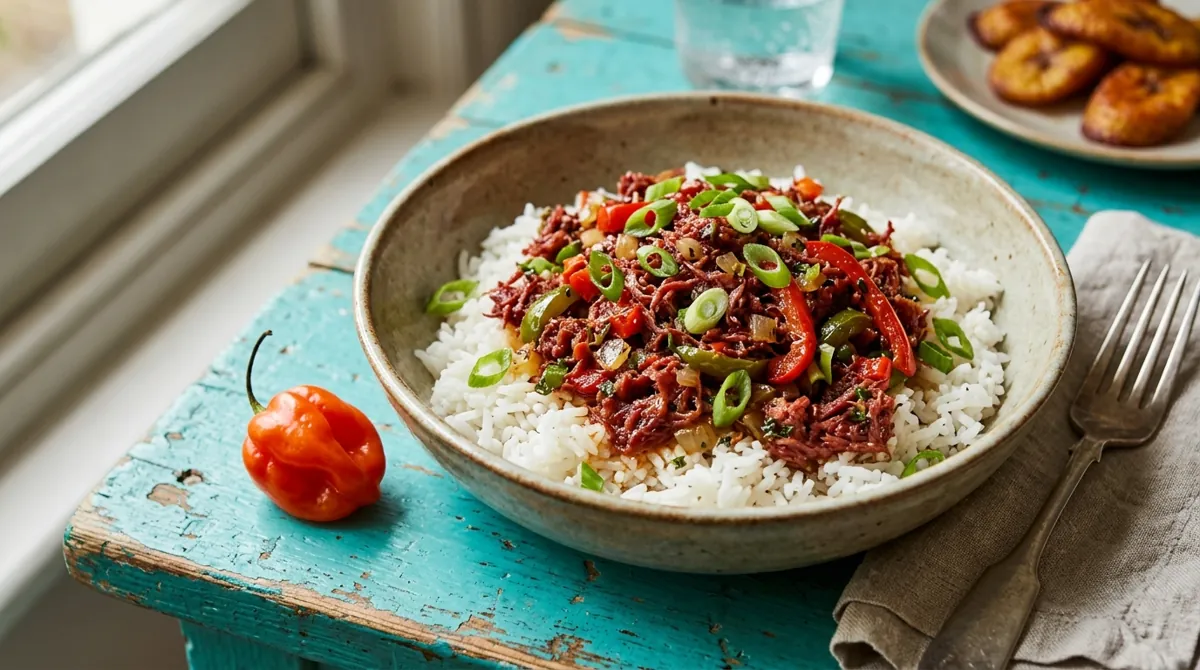
Jamaican-Style Bully Beef
Tinned corned beef simmered with onion, tomatoes, sweet peppers, thyme, ketchup and a whole Scotch bonnet into a quick, peppery stew for rice.
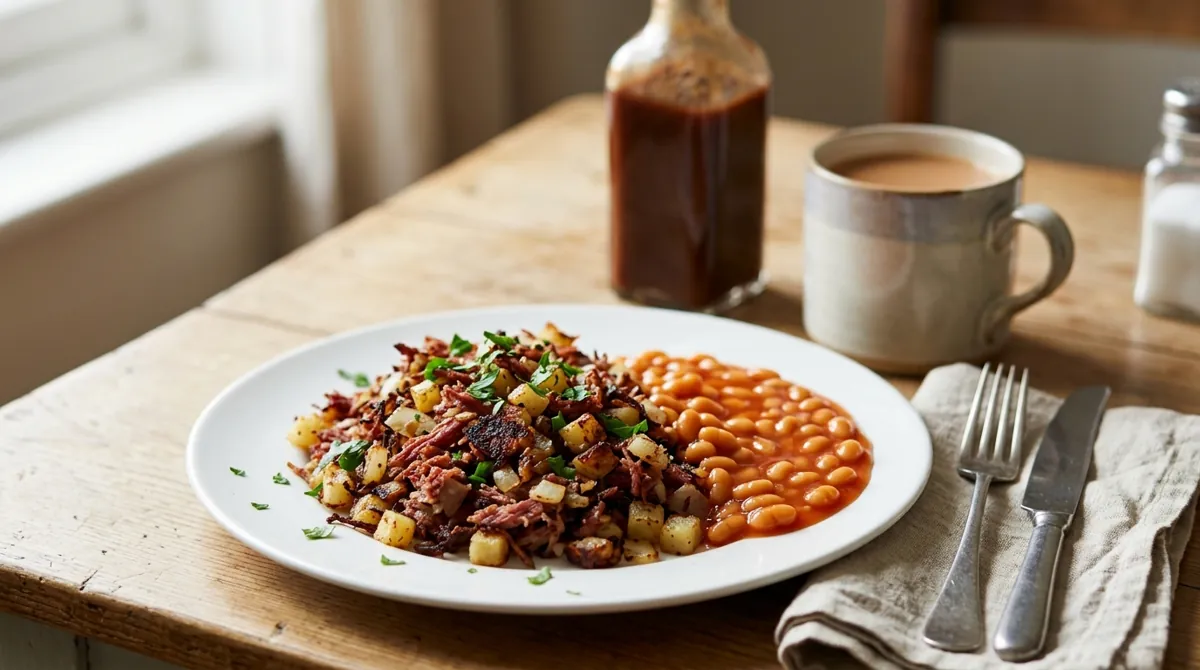
British Corned Beef Hash
The British storecupboard supper: parboiled potatoes and cubes of tinned corned beef fried with onion, pressed into a crust, splashed with Worcestershire sauce and served with baked beans.
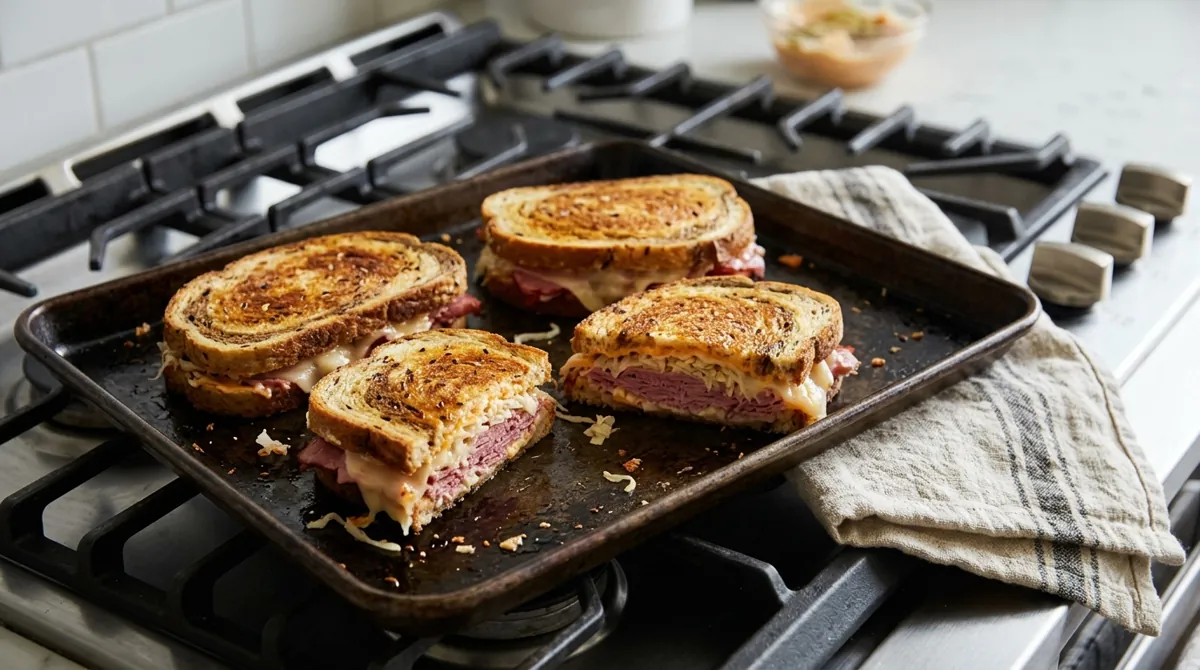
Sheet-Pan Reubens
Four Reubens at once in 30 minutes: quick sweet-and-sour cabbage instead of sauerkraut, a mayo-mustard spread, deli corned beef and Swiss on rye, baked on a preheated sheet pan so they toast without flipping.
Meatballs of the World

Italian-American Meatballs
Big, tender meatballs braised for an hour in red sauce over spaghetti. The one most Americans grew up with.

Pallottine (Abruzzo Meatballs)
Tiny meatballs, smaller than a marble, tossed right through square spaghetti alla chitarra. No bread at all.

Swedish Meatballs (Köttbullar)
Small, soft meatballs browned in butter, in a cream sauce made from the same pan, with lingonberry jam on the plate.

Danish Frikadeller
Pork meatballs shaped with a spoon and fried slowly in butter, crusty outside and soft in the middle.

Königsberger Klopse
German meatballs that are never fried: poached, then served in a creamy white sauce with capers.

Spanish Albóndigas in Almond Saffron Sauce
The tapas bar classic: small meatballs in a golden sauce thickened with fried almonds and bread.

Mexican Albóndigas with Chipotle and Mint
Soft meatballs with rice and fresh mint inside, simmered in a smoky tomato and chipotle broth.

Izgara Köfte (Turkish Grilled Meatballs)
Small, flat meatballs kneaded hard, rested cold, and charred on a hot grill pan.

Lion's Head Meatballs
Big, soft pork meatballs, stirred into a sticky paste, fried to set, then braised in a savory sauce.

Chicken Tsukune
Japan's chicken meatball: kneaded sticky, grilled on skewers, glazed with sweet soy tare, dipped in egg yolk.