
📜 Origin story
What Is Labor Thanksgiving Day in Japan? (Kinro Kansha no Hi)
Japan's Thanksgiving falls on November 23 and thanks workers, not Pilgrims. Its roots are in a very old offering of the year's new rice.
 By Americanized · Edited by JP Lambiase · October 18, 2026
Labor Thanksgiving Day, or Kinro Kansha no Hi, is a Japanese national holiday on November 23 for honoring work and thanking one another. It grew out of Niinamesai, an imperial harvest rite in which the emperor offers newly harvested rice to the gods, and was renamed in 1948. There is no turkey and no set holiday meal.
A rice harvest rite
The older name is Niinamesai. Kokugakuin University's Encyclopedia of Shinto describes it as a set of November harvest festivals at the imperial palace and at shrines across the country, and says it likely goes back to the Yayoi period, when rice farming began in Japan. It is mentioned in the Nihon shoki, an early chronicle of Japan.
In the rite, the emperor offers food to Amaterasu and the other deities twice, in the evening and again at dawn. The offerings include sake, rice porridge and steamed rice made from the newly harvested crop. Nippon.com sums up its purpose as giving thanks for the year's yield and asking for prosperity to come.
From a lunar date to November 23
Niinamesai used to fall on the last Day of the Rabbit in the eleventh lunar month. When Japan adopted the solar calendar in 1873, it moved to November 23, according to the Kokugakuin encyclopedia. A Cabinet Office official told Stars and Stripes that the rite was made a national holiday fixed to that date, and it kept the name Niinamesai until 1948.
Why the name changed in 1948
Japan's 1948 Act on National Holidays renamed the day Labor Thanksgiving Day. Nippon.com says the law secularized the day and separated it from imperial religious observance, while keeping its spirit of gratitude for the harvest and for workers.
How much of that was Japan's choice is debated. Masahiko Uchino of Japan's Cabinet Office told Stars and Stripes that the new democratic constitution required the holiday to cover all workers, not only farmers. Other accounts, including Japan Experience and Wikipedia, put more weight on the U.S.-led occupation, which ran from 1945 to 1952 and viewed Shinto-rooted holidays with suspicion. Both agree the date stayed the same.
What people do now
Niinamesai is still held at the imperial court, and shrines hold their own ceremonies offering the new grain. Nippon.com notes that local governments and communities run harvest festivals, farmers' markets and food fairs built around local produce.
The thank-you part is personal. Stars and Stripes reports that some people give small gifts to employees and fathers, and that kindergarten and elementary school students often bring drawings and handicrafts to their local police station to thank the officers. Despite the name, nippon.com says the day has little to do with the labor movement, whose big day in Japan is May 1.
No turkey required
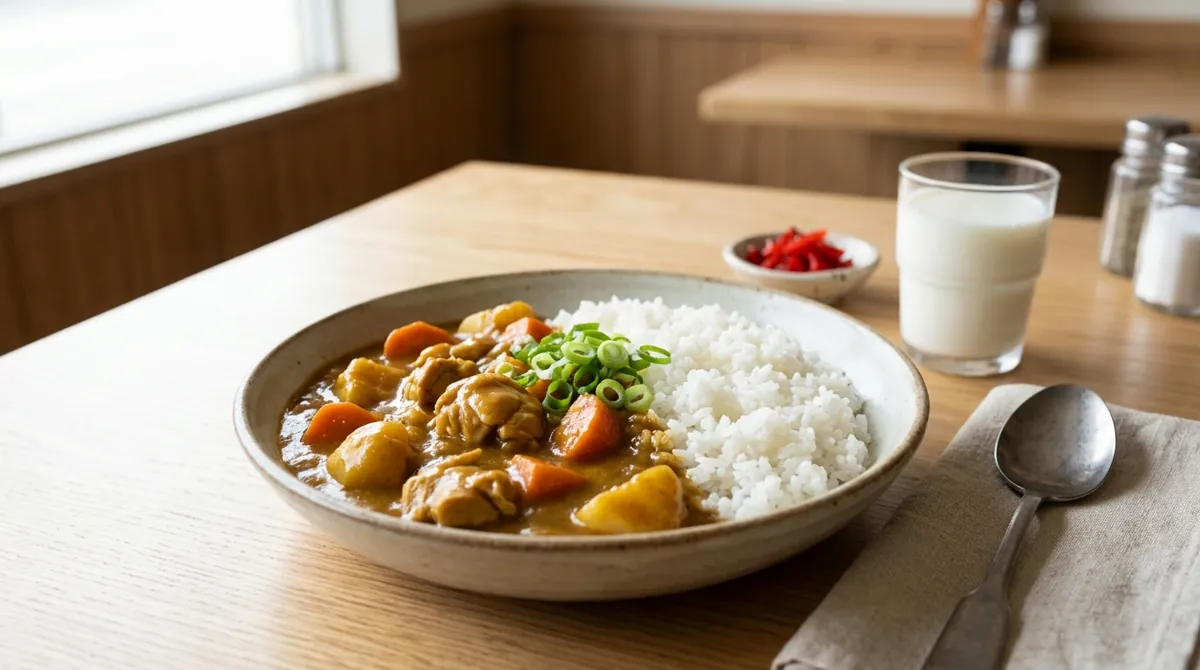
There is no Japanese Thanksgiving dinner. Stars and Stripes notes there are no traditional foods like turkey and stuffing. The center of the day is still the new rice, which makes it a good excuse for a rice dish: our Japanese curry rice, a ketchup-rice omurice, or chahan, the Japanese take on fried rice. More rice and sauce pairings live in our curry hub.
Questions people ask
What does Kinro Kansha no Hi mean?
It is usually translated as Labor Thanksgiving Day. Nippon.com describes it as a day for honoring the work of the labor force and expressing gratitude.
Is Labor Thanksgiving Day related to American Thanksgiving?
Not by origin. Stars and Stripes points out that the two holidays are similar in name, concept and timing but unrelated: Japan's comes from the imperial rice harvest rite Niinamesai.
Do Japanese people eat turkey on November 23?
Not as a tradition. There is no set holiday meal; the day's food connection is the newly harvested rice offered at the palace and at shrines, plus local harvest festivals and food fairs.
Parts of this history are disputed. Where sources disagree, we say so.
Sources
- Nippon.com, "Labor Thanksgiving Day" (Guide to Japan), November 21, 2025
- Nakanishi Masayuki, "Niiname sai," Encyclopedia of Shinto, Kokugakuin University
- Takahiro Takiguchi, Stars and Stripes Okinawa, "Holiday gives thanks to workers in Japan on Nov. 23," November 22, 2024
- Japan Experience, "Labor Day in Japan"
- Wikipedia, "Labor Thanksgiving Day"
- U.S. Department of State, Office of the Historian, "Occupation and Reconstruction of Japan, 1945-52"
More food facts
Cook it
Japanese Curry Rice (Kare Raisu)
Chicken thighs, potatoes and carrots simmered in broth and thickened at the end with a homemade curry roux of butter, flour, warm spices and miso, served the Japanese way: rice on one side of the bowl, curry on the other.
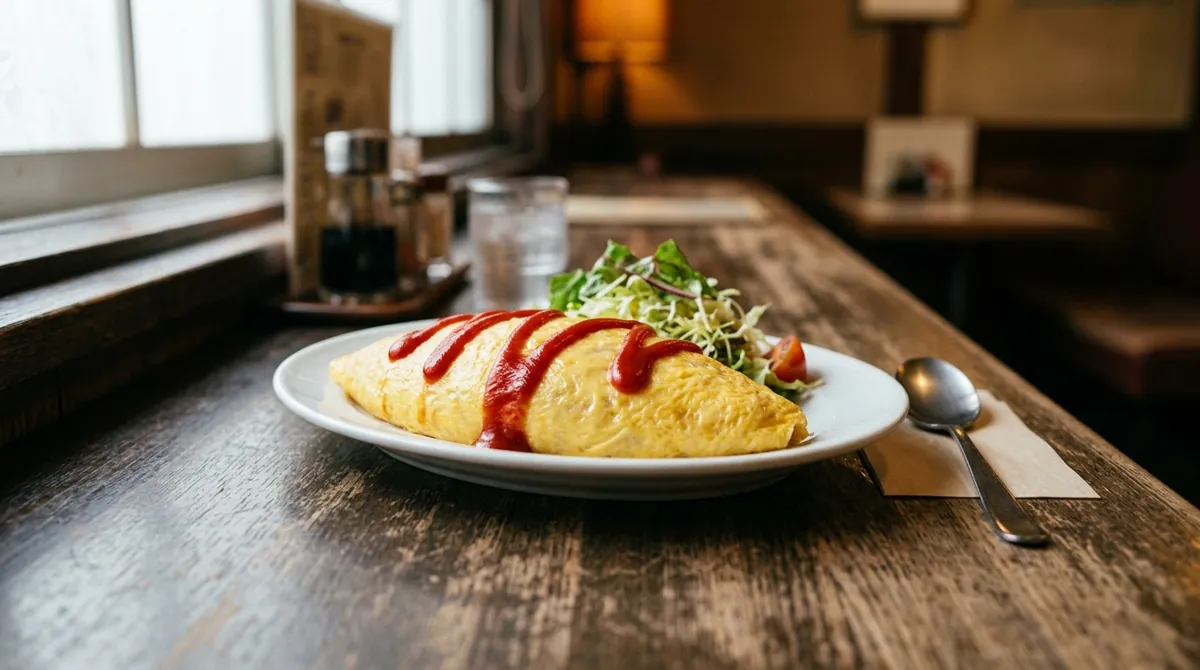
Omurice (Japanese Omelet Rice)
Ketchup chicken rice with onion and peas, wrapped in a soft, custardy butter omelet, turned out seam side down into a neat football shape and finished with a zigzag of ketchup.
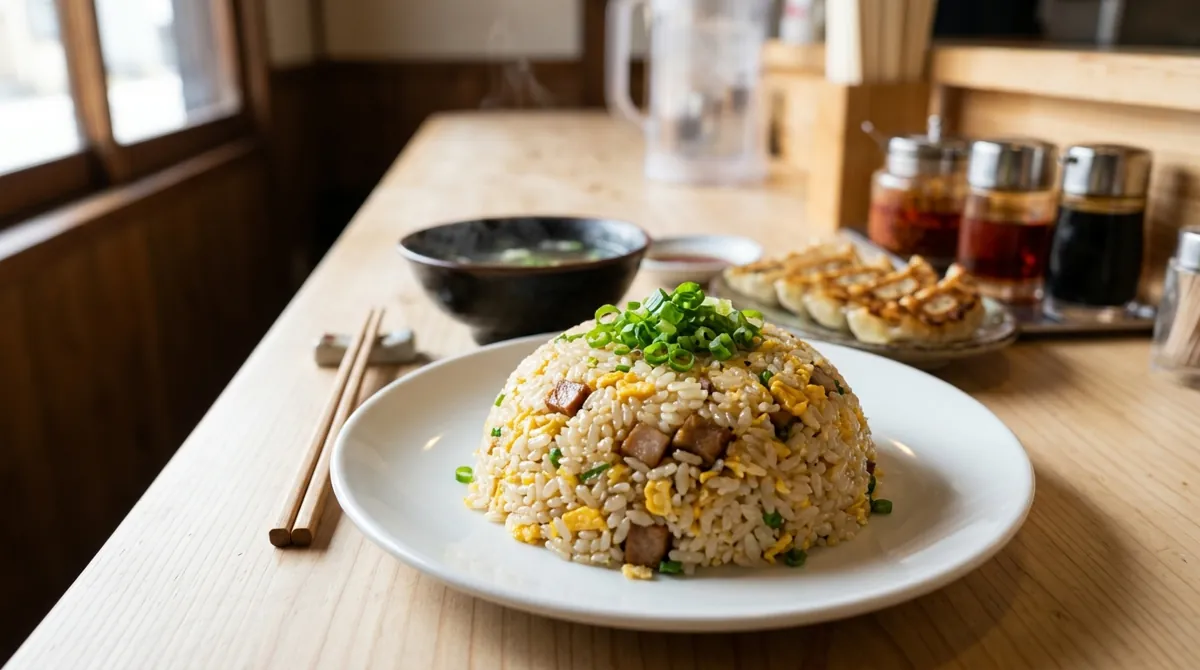
Chahan (Japanese Fried Rice with Chashu Pork)
Japanese short-grain rice stir-fried with fluffy egg, diced chashu pork belly and green onion, seasoned with soy sauce, white pepper and sesame oil, then packed into a rice bowl and turned out as a neat dome.
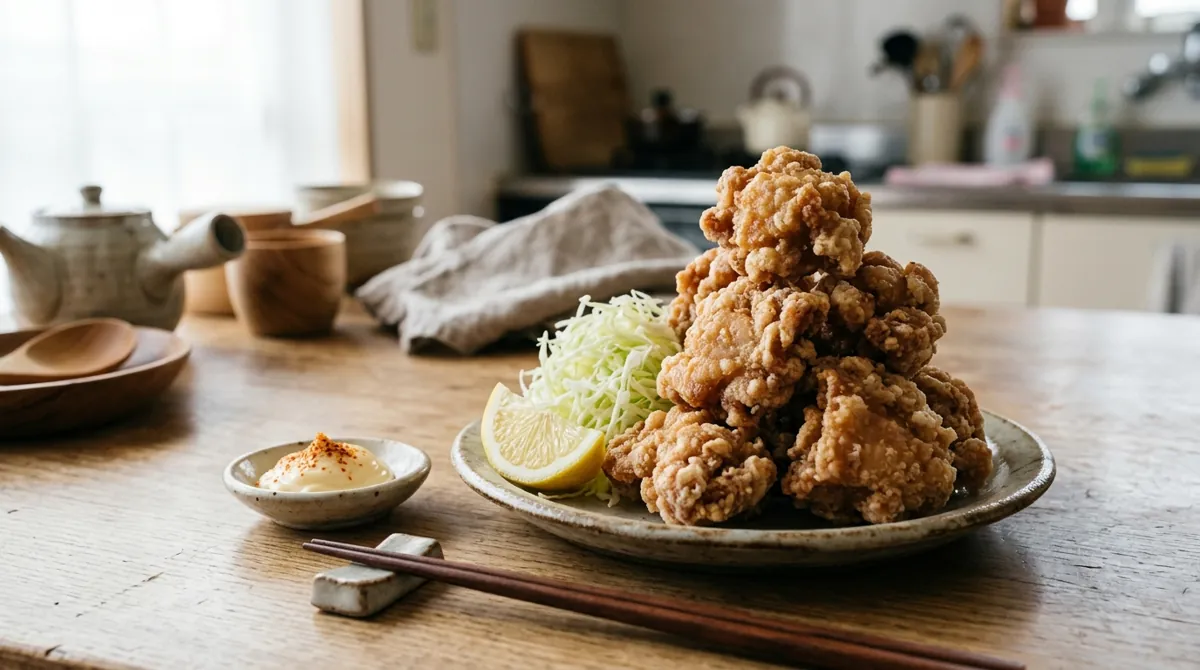
Japanese Chicken Karaage
Bite-size pieces of skin-on chicken thigh marinated in soy, sake, ginger and garlic, coated in flour and potato starch, and fried twice in under three minutes.
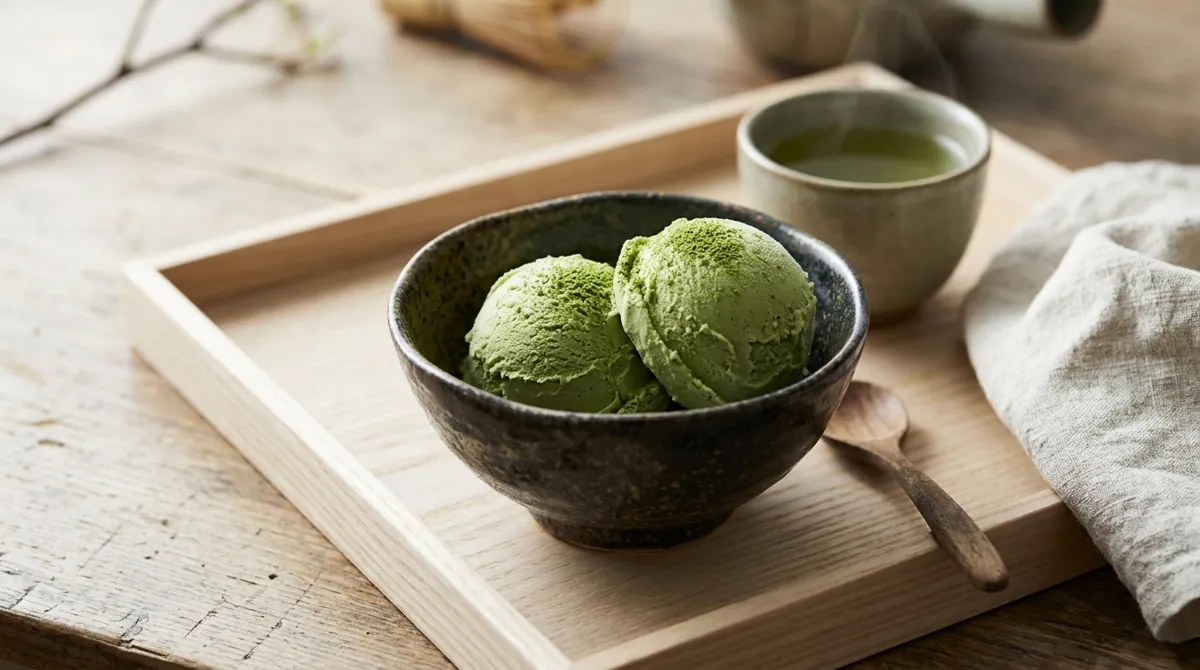
Japanese Matcha Ice Cream
An eggless green tea ice cream that tastes like Japan's, not America's: earthy, sweet and a little bitter, with a generous five tablespoons of matcha.