
Greek Loukoumades (Honey Doughnut Puffs)
Spoonfuls of a bubbly yeast batter fried into crisp golden puffs, dropped into cold honey syrup and showered with walnuts, cinnamon and sesame, Greece's favorite street-food sweet.
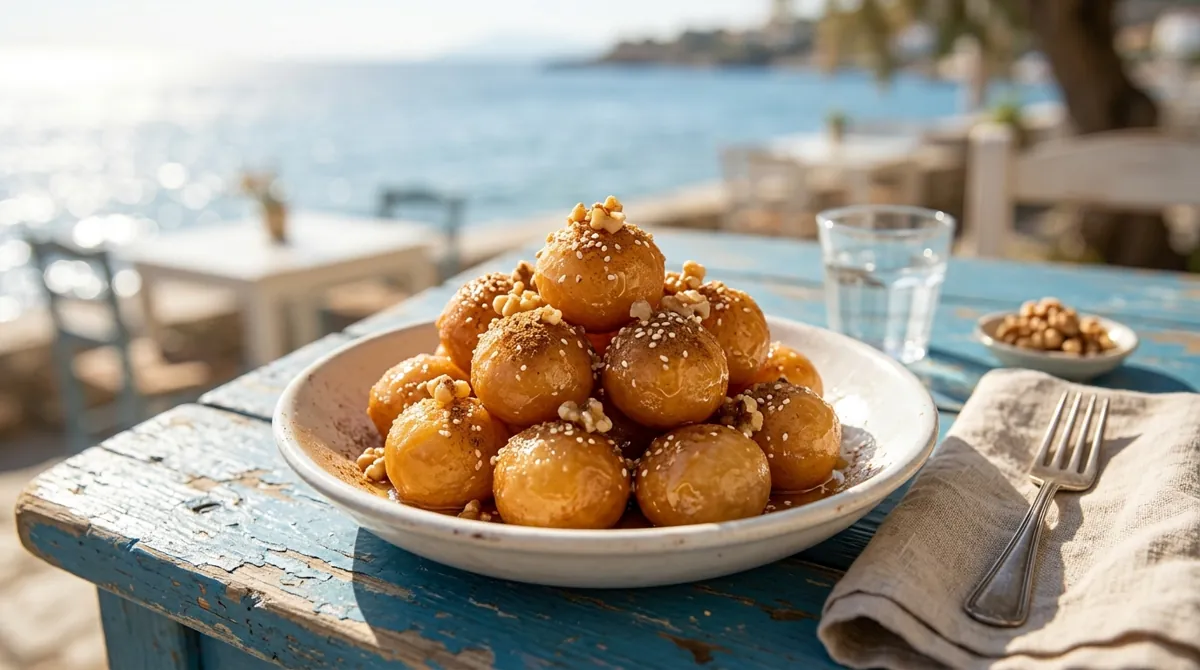
Loukoumades are part of a family of syrup-soaked fried dough balls found from Greece and Turkey to Iraq and the Gulf. Wikipedia says the dish was written down as luqmat al-qadi, "judge's morsels", in 13th-century Arabic cookbooks, appears in "One Thousand and One Nights", and gives its Arabic name, luqma, "morsel", to both the Turkish lokma and the Greek loukoumades. Greece has its own ancient candidate: Wikipedia says ancient Greek writers mention enkrides, which Athenaeus describes as cakes boiled in oil and seasoned in honey, and that the treat stayed popular in Byzantium during Lent because it contains no dairy or meat. Which came first is DISPUTED. Greece's national tourism organization lists loukoumades among its recipes: a simple flour, yeast and water batter fried in olive oil and served with honey, cinnamon and sesame.
Why it works the kitchen science
Hot puffs, cold syrup
The temperature difference lets the syrup soak just the outer layer, so the shell stays crisp instead of turning soggy.
A very wet, very bubbly batter
The long rise fills it with gas, so each spoonful balloons in the oil into a hollow, airy ball.
Step by step
- Step 1
Make the syrup: simmer the sugar, honey, water and spices 15 minutes. Cool completely (refrigerate it while the batter rises).
- Step 2
Stir the yeast and 1/2 tbsp sugar into 1/2 cup of the warm water and let stand about 5 minutes, until foamy.
- Step 3
Add the remaining 1 1/2 cups warm water, 2 tbsp sugar, the flour, salt, olive oil, lemon juice, nutmeg and vanilla. Beat until thick, smooth and stretchy.
- Step 4
Cover and let rise in a warm place 1 to 1 1/2 hours, until almost doubled, very soft and full of bubbles.
- Step 5
Heat 2 inches of oil to 350°F. Dip a tablespoon in water, scoop a heaped spoonful of batter and push it into the oil with a second wet spoon (or pipe it). Fry 8 to 10 at a time, turning often, 3 to 4 minutes, until crisp and golden all over. Let the oil return to 350°F between batches.
- Step 6
Drain the puffs briefly, then drop them into the cold syrup for 1 minute and lift them onto a platter.
- Step 7
Mix the walnuts and cinnamon, scatter them over the puffs with the sesame seeds and serve warm.
Greek Loukoumades (Honey Doughnut Puffs)
Serves 8 (four or five puffs each) · about 36 puffs · 2 hr total
Honey syrup (make first)
- 2 cups sugar
- 2 tbsp honey
- 1 1/2 cups water
- Optional: 1 cinnamon stick and 2 whole cloves
Batter
- 2 tbsp active dry yeast
- 2 1/2 tbsp sugar, divided
- 2 cups warm water, divided
- 3 cups all-purpose flour
- 1/4 tsp salt
- 2 tbsp olive oil
- 1 tsp lemon juice
- 1/8 tsp ground nutmeg
- 1 tsp vanilla extract
Frying and finishing
- About 2 quarts vegetable or olive oil, for frying
- 1/2 cup walnuts, finely chopped
- 1 tsp ground cinnamon
- 1 tbsp sesame seeds
Method
- Make the syrup: simmer the sugar, honey, water and spices 15 minutes. Cool completely (refrigerate it while the batter rises).
- Stir the yeast and 1/2 tbsp sugar into 1/2 cup of the warm water and let stand about 5 minutes, until foamy.
- Add the remaining 1 1/2 cups warm water, 2 tbsp sugar, the flour, salt, olive oil, lemon juice, nutmeg and vanilla. Beat until thick, smooth and stretchy.
- Cover and let rise in a warm place 1 to 1 1/2 hours, until almost doubled, very soft and full of bubbles.
- Heat 2 inches of oil to 350°F. Dip a tablespoon in water, scoop a heaped spoonful of batter and push it into the oil with a second wet spoon (or pipe it). Fry 8 to 10 at a time, turning often, 3 to 4 minutes, until crisp and golden all over. Let the oil return to 350°F between batches.
- Drain the puffs briefly, then drop them into the cold syrup for 1 minute and lift them onto a platter.
- Mix the walnuts and cinnamon, scatter them over the puffs with the sesame seeds and serve warm.
Adapted from Helen Demetriou of Helen's Kouzina, "Traditional Loukoumades", in The Greek Herald (June 24, 2022): with the honey, cinnamon and sesame finish from the Greek National Tourism Organisation. Demetriou's list says 2 cups of warm water but her method adds 1 1/2 cups to the first 1/2 cup; we follow the method (2 cups in all). She gives no oil temperature or serving count; 350°F, the yield and the servings are ours. greekherald.com.au. Ingredient list follows the source; the method is in our own words.
All sources (3)
Tips
- Demetriou's mother-in-law's tip: the teaspoon of lemon juice helps them crunch.
- For the Visit Greece version, skip the syrup and drizzle the puffs with warm honey, cinnamon and sesame.
- A wet spoon, or a piping bag, keeps the sticky batter from clinging.
The rules people argue about
What the sources agree on, what they don't, and what is just a good story.
- Loukoumades are ancient Greek. Disputed: Wikipedia says there is evidence they descend from ancient Greek enkrides, fried and served with honey; it also says the name and the recipe were recorded in 13th-century Arabic cookbooks as luqmat al-qadi.
- They were the "honey tokens" given to ancient Olympic winners. Folklore: repeated on Greek food sites with a reference to Callimachus; we did not find it in Wikipedia's article or check the source.
- Loukoumades are fried in olive oil. Folklore: the Greek tourism recipe uses olive oil; many cooks use vegetable oil.
- The syrup must be cold and the puffs hot. Documented in Demetriou's method (cold syrup, 1 minute dip).
Every other doughnut
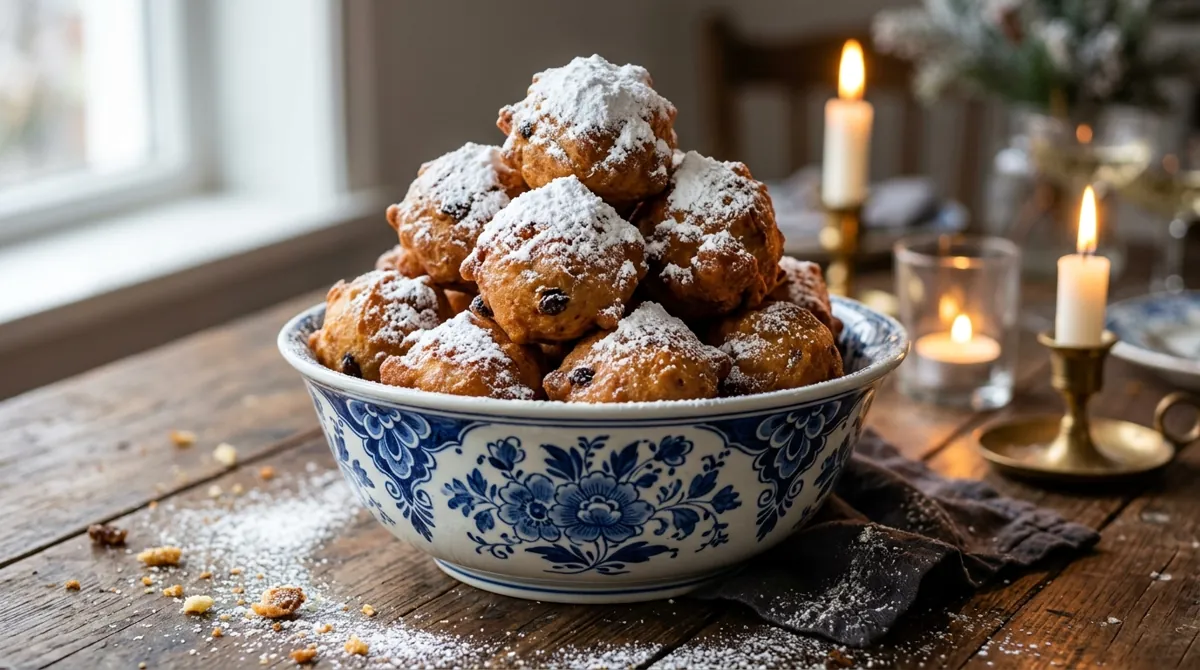
Dutch Oliebollen (New Year's Eve Doughnuts)
Scoops of soft yeast batter studded with raisins and currants, fried round and golden and buried in powdered sugar, the Dutch New Year's Eve treat and a cousin of the olykoeks the Dutch made in old New York.
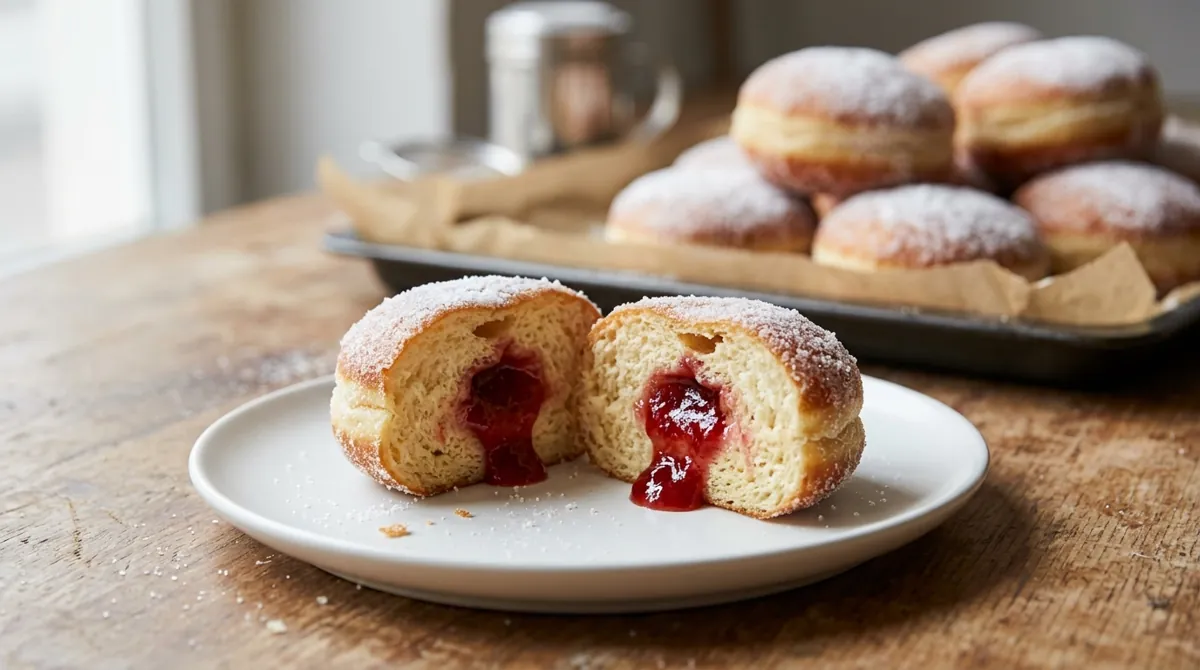
German Berliner (Jam-Filled Krapfen)
Soft balls of butter-and-egg yeast dough fried with their pale "collar", rolled in sugar and piped full of jam: the German jelly doughnut, called Berliner, Pfannkuchen, Krapfen or Kreppel depending on where you buy it.
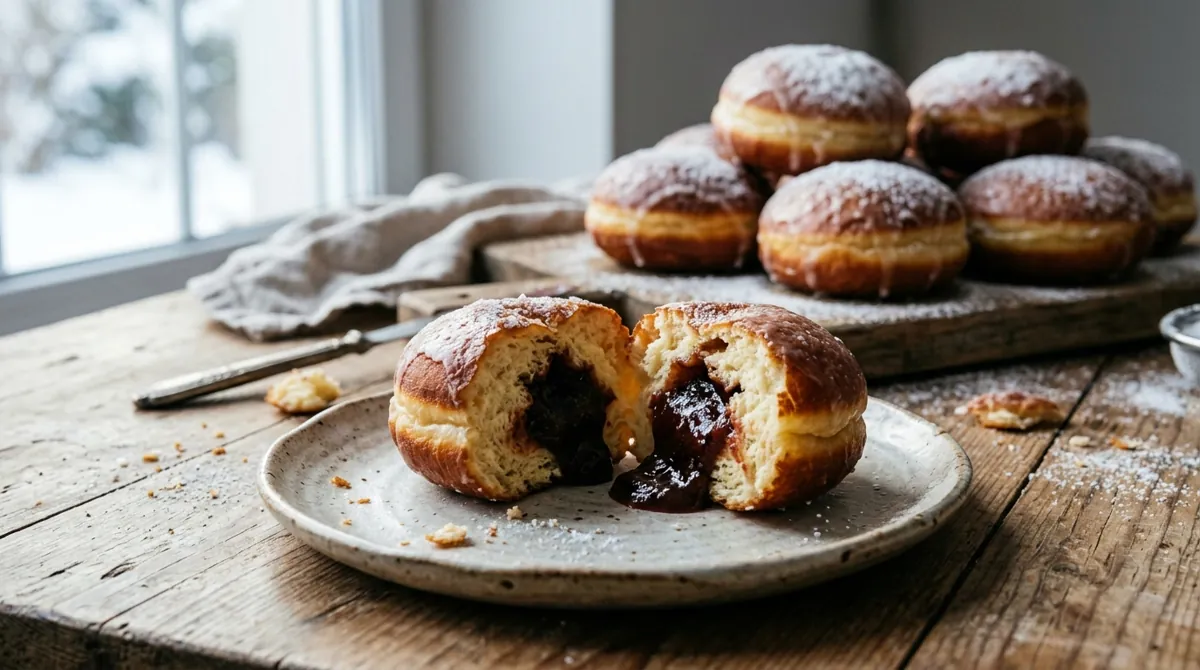
Polish Pączki (Fat Thursday Doughnuts)
Extra-rich jelly doughnuts made with egg yolks, butter and vanilla, fried deep mahogany, tossed in powdered sugar and filled with plum, rose petal or raspberry jam for Fat Thursday.
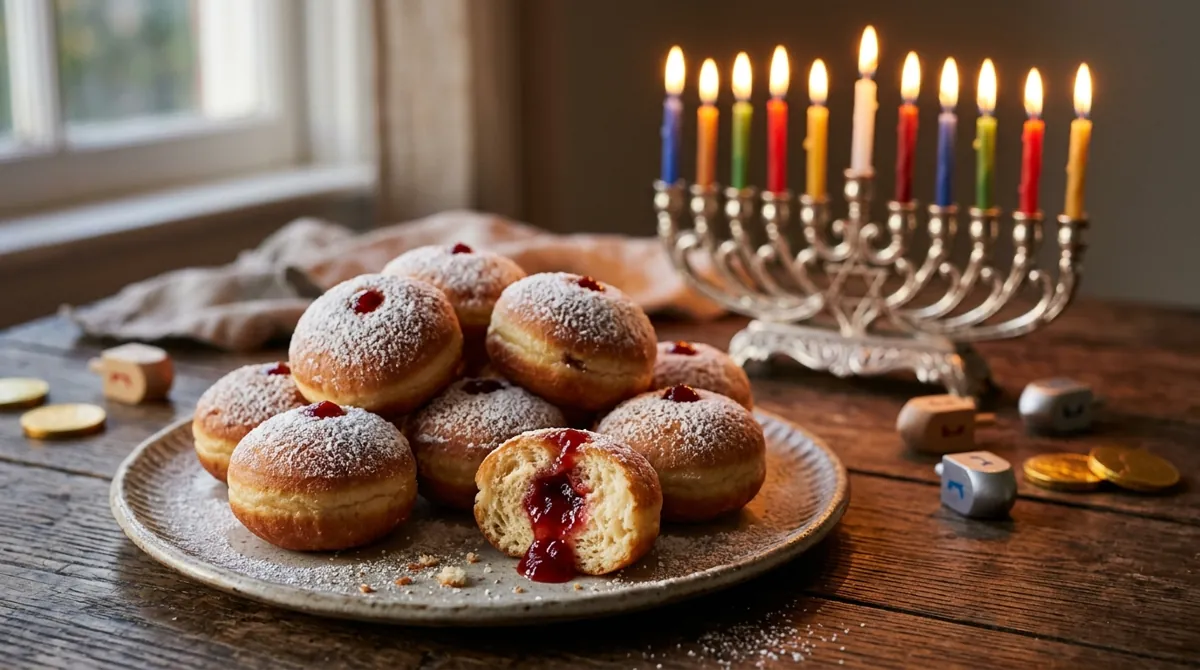
Israeli Sufganiyot (Hanukkah Jelly Doughnuts)
Small yeast doughnuts scented with cinnamon, fried hot and fast for Hanukkah, filled with a spoonful of berry or plum preserves and rolled in sugar, from Joan Nathan's 1979 holiday cookbook.
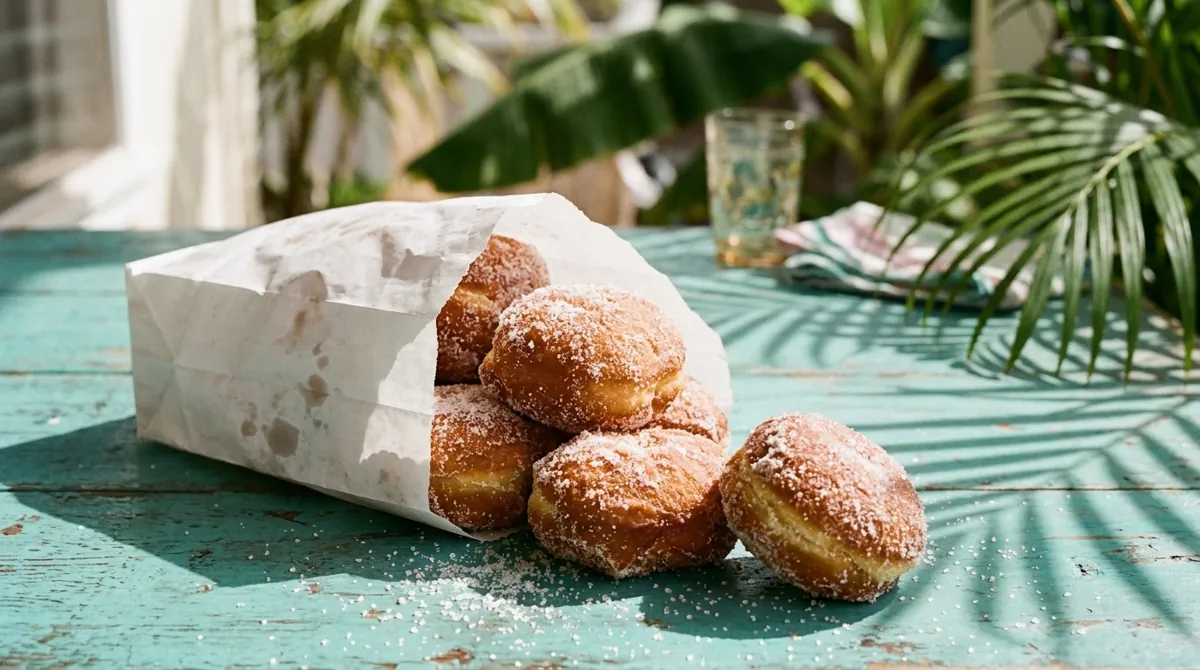
Portuguese Malasadas (and Hawaii's Malasada Day)
Hole-less yeast doughnuts made with bread flour, milk and eggs, patted into disks, fried golden and tossed in sugar while hot: the Portuguese Shrove Tuesday treat that became Hawaii's Malasada Day.
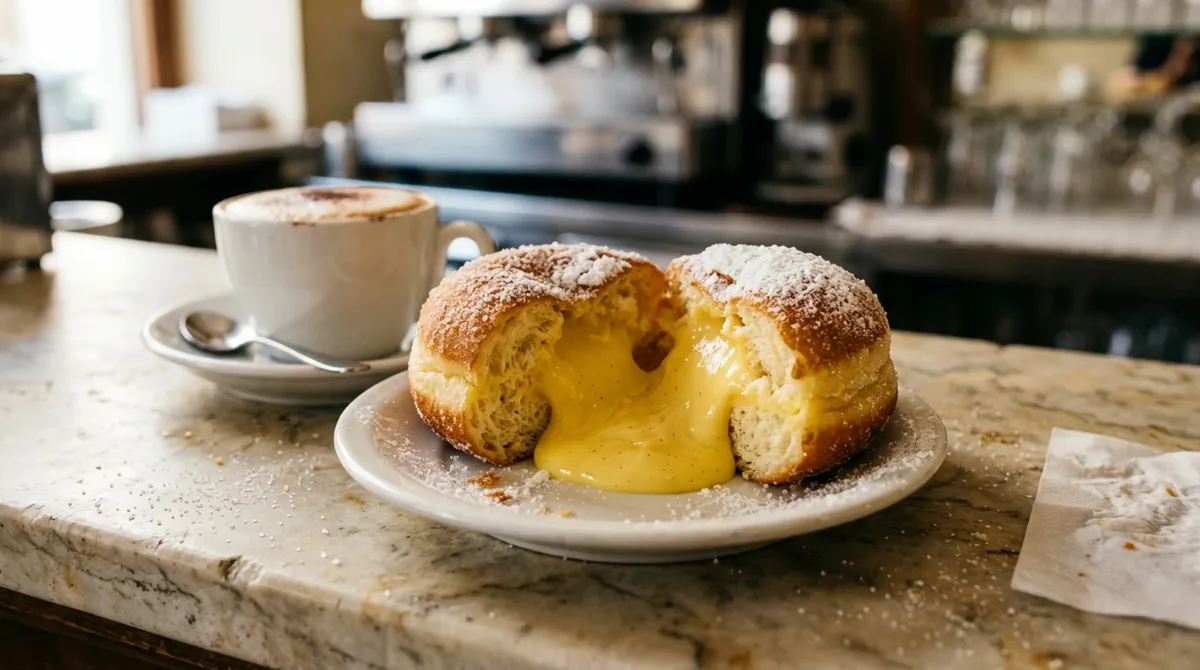
Tuscan Bomboloni alla Crema (Custard Doughnuts)
Big, cloud-soft Italian doughnuts made from a folded yeast dough, fried slow and pale gold, filled with lemon-and-vanilla pastry cream and dusted with powdered sugar, the way Tuscan bakeries and beach carts sell them.
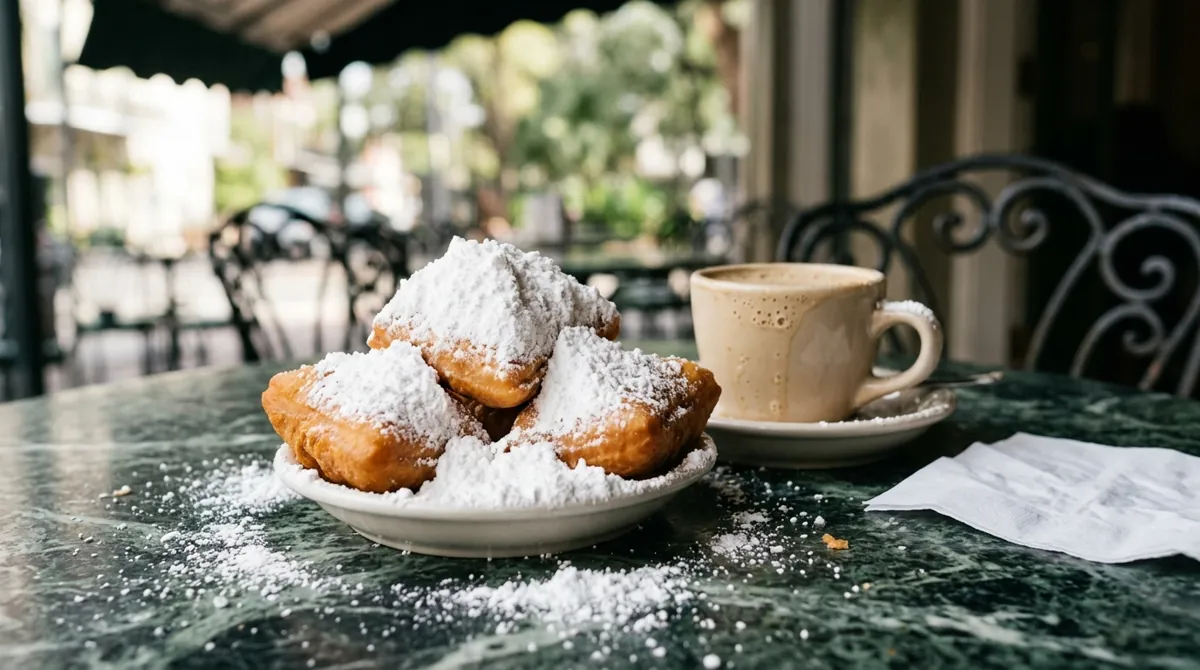
New Orleans Beignets
Squares of a very wet, eggy yeast dough fried until they balloon, then buried in powdered sugar, the French Quarter coffee-stand doughnut, made at home.
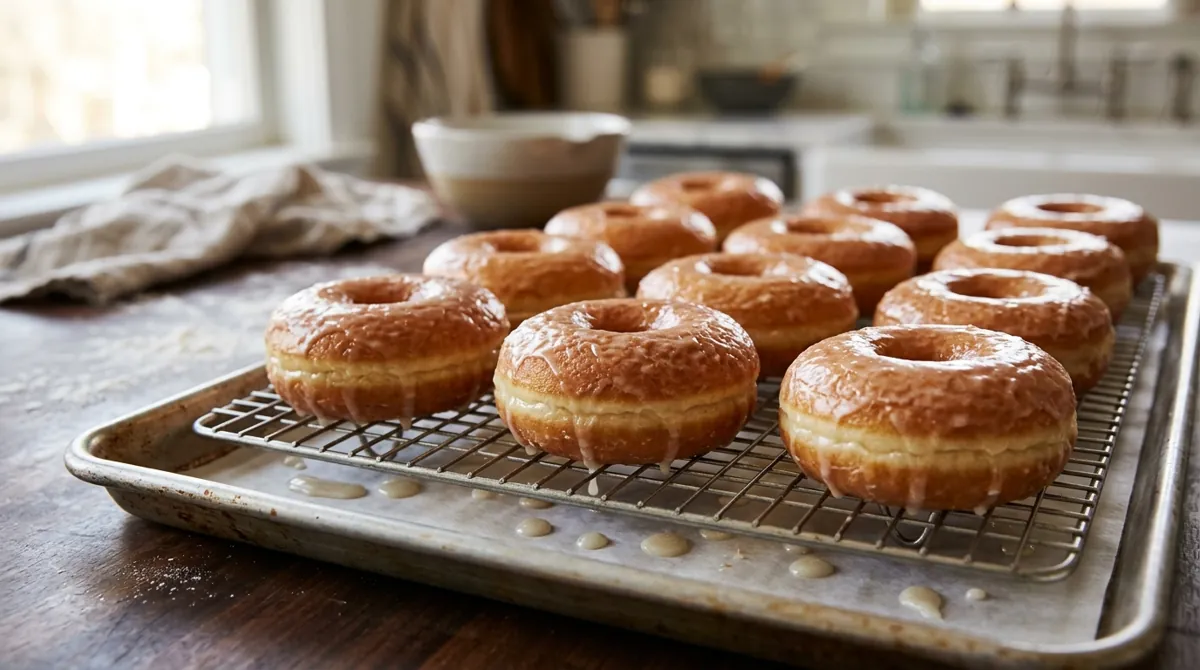
Classic Yeast-Raised Glazed Doughnuts
Tall, airy ring doughnuts from a buttery dough that rests overnight in the fridge, proofed in a steamy oven, fried golden and dipped in a sheer vanilla glaze that sets matte and crackly.
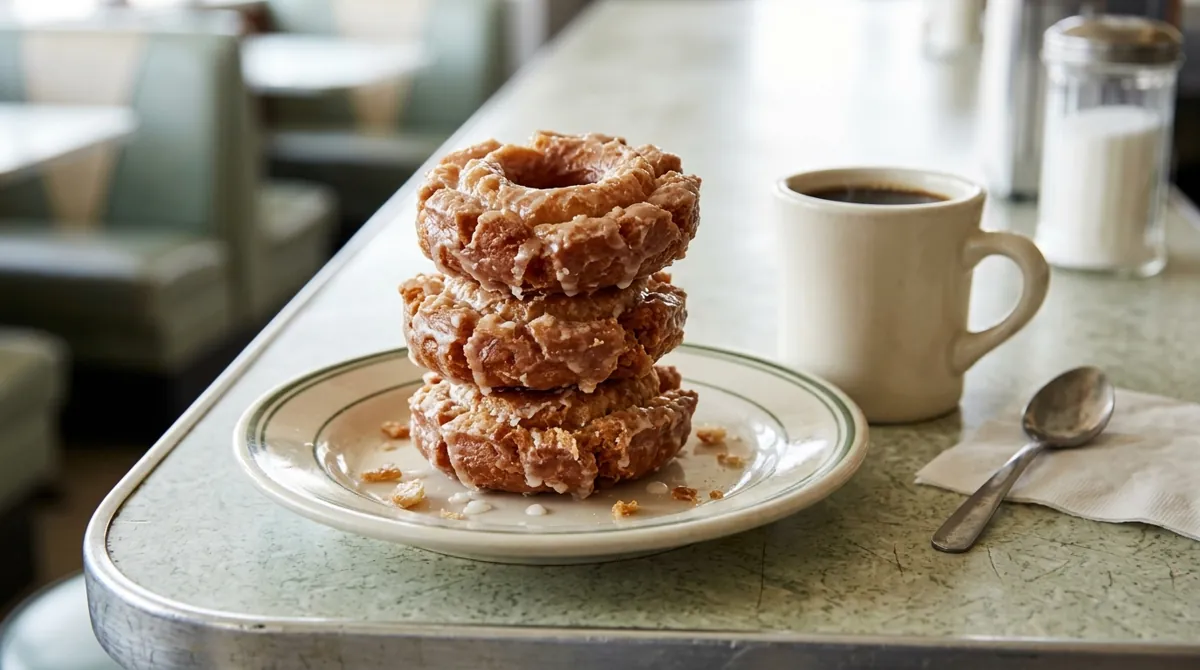
Old-Fashioned Sour Cream Doughnuts
Tangy sour cream and buttermilk cake doughnuts, chilled, cut and fried until craggy and crisp at the edges, then dipped in a thin vanilla glaze that settles into every crack.
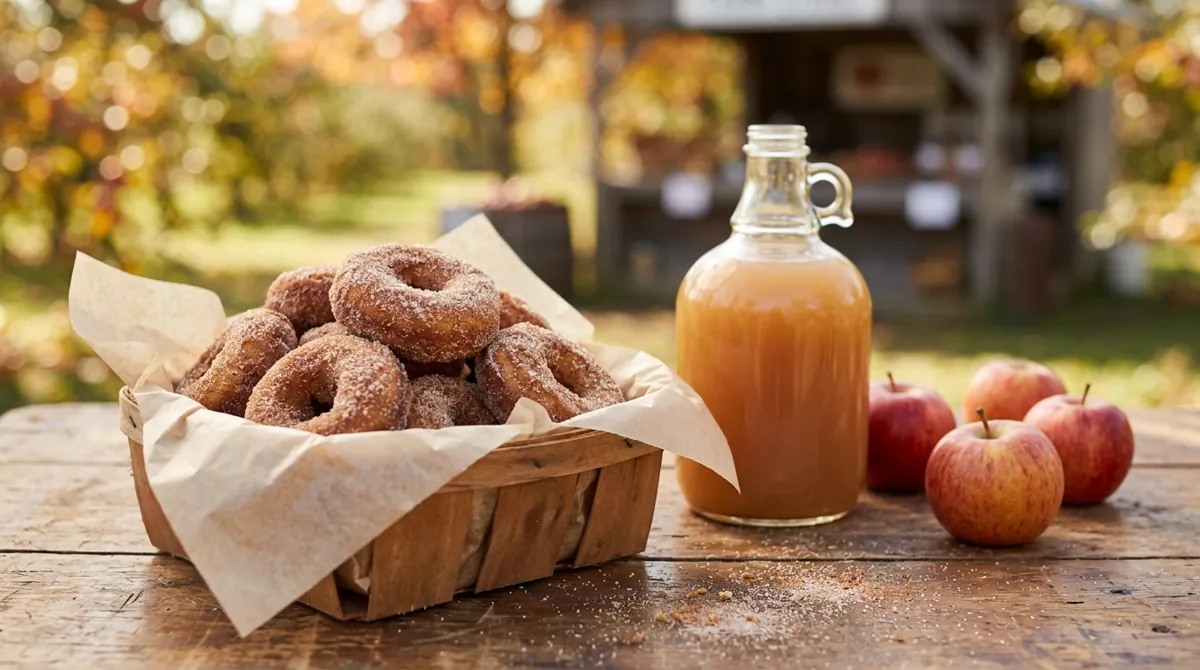
Apple Cider Doughnuts
Tender cake doughnuts flavored with apple, buttermilk, cinnamon and nutmeg, fried in two minutes and tossed in cinnamon sugar, the fall orchard and cider-mill classic made at home.
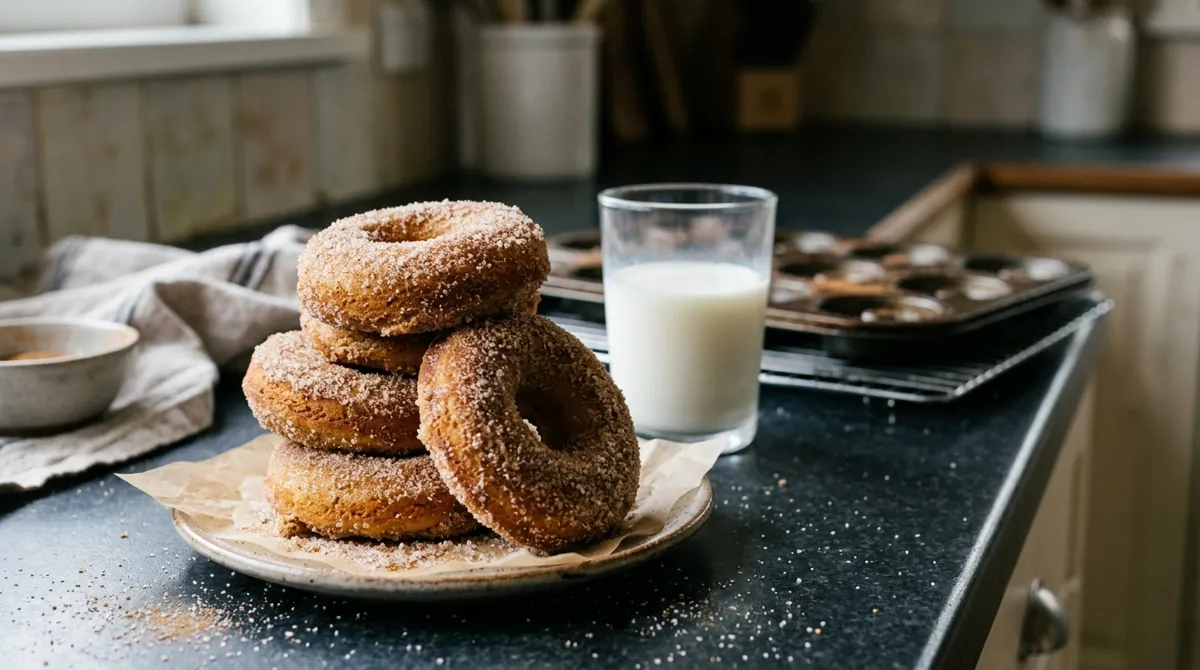
Baked Weeknight Doughnuts (Cinnamon Sugar)
Tender nutmeg cake doughnuts baked in a doughnut pan in 10 minutes and shaken in cinnamon sugar while warm: no yeast, no frying, about half an hour start to finish.
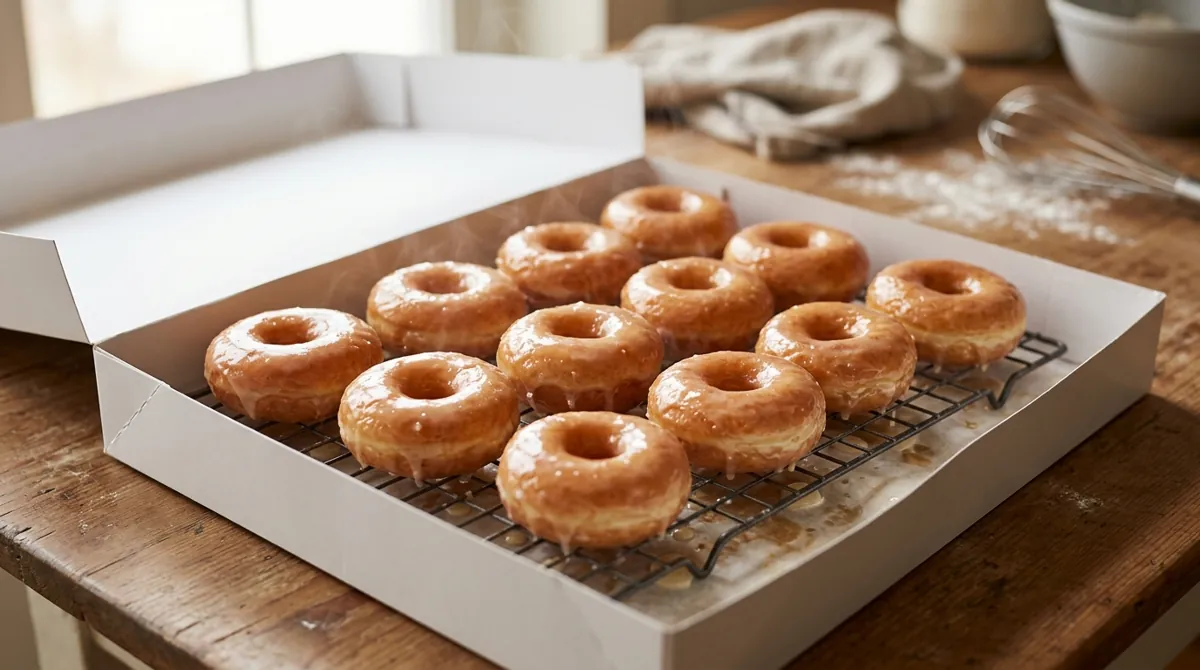
Hot Glazed Doughnuts, Inspired by Krispy Kreme
Light, fluffy yeast rings made with shortening, fried in shortening and dipped while warm in a thin, warm glaze of powdered sugar, milk and corn syrup, a home take on the famous hot glazed doughnut. Inspired by, not official.
Meatballs of the World

Italian-American Meatballs
Big, tender meatballs braised for an hour in red sauce over spaghetti. The one most Americans grew up with.

Pallottine (Abruzzo Meatballs)
Tiny meatballs, smaller than a marble, tossed right through square spaghetti alla chitarra. No bread at all.

Swedish Meatballs (Köttbullar)
Small, soft meatballs browned in butter, in a cream sauce made from the same pan, with lingonberry jam on the plate.

Danish Frikadeller
Pork meatballs shaped with a spoon and fried slowly in butter, crusty outside and soft in the middle.

Königsberger Klopse
German meatballs that are never fried: poached, then served in a creamy white sauce with capers.

Spanish Albóndigas in Almond Saffron Sauce
The tapas bar classic: small meatballs in a golden sauce thickened with fried almonds and bread.

Mexican Albóndigas with Chipotle and Mint
Soft meatballs with rice and fresh mint inside, simmered in a smoky tomato and chipotle broth.

Izgara Köfte (Turkish Grilled Meatballs)
Small, flat meatballs kneaded hard, rested cold, and charred on a hot grill pan.

Lion's Head Meatballs
Big, soft pork meatballs, stirred into a sticky paste, fried to set, then braised in a savory sauce.

Chicken Tsukune
Japan's chicken meatball: kneaded sticky, grilled on skewers, glazed with sweet soy tare, dipped in egg yolk.