
Dutch Oliebollen (New Year's Eve Doughnuts)
Scoops of soft yeast batter studded with raisins and currants, fried round and golden and buried in powdered sugar, the Dutch New Year's Eve treat and a cousin of the olykoeks the Dutch made in old New York.
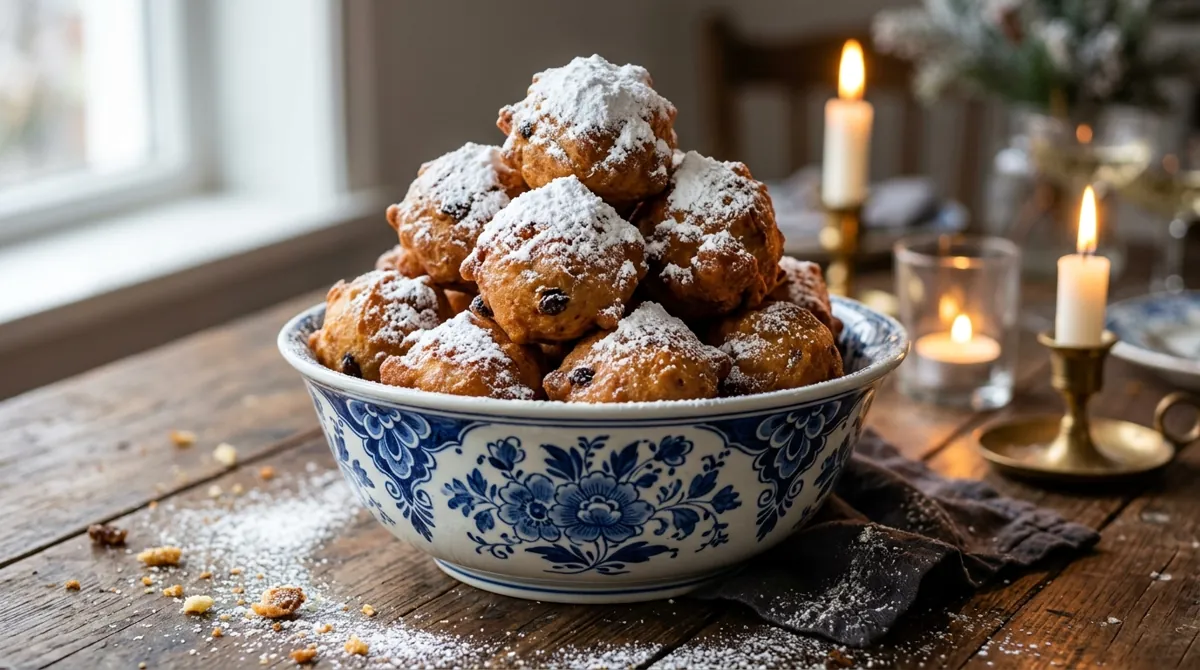
Oliebollen, "oil balls", are fried at home and sold from street stalls all winter in the Netherlands, and eaten above all on New Year's Eve. For centuries the Dutch called them oliekoeken, "oil cakes"; Wikipedia says the earliest known recipe for oliekoecken is in the 1667 Dutch book "De verstandige kock" (The Sensible Cook), that Aelbert Cuyp painted a young woman with a pot of them around 1652, and that the word oliebol only took over in the early 1900s. Dutch settlers carried the oil cake to New Amsterdam. In 1809 Washington Irving described Dutch tea tables in old New York with "an enormous dish of balls of sweetened dough, fried in hog's fat, and called doughnuts, or olykoeks" (Knickerbocker's History of New York, Project Gutenberg text of a later edition:). That is why the olykoek is often called the ancestor of the American doughnut; how much of the American doughnut is Dutch and how much is English is DISPUTED (see Rules). Where oliebollen themselves came from is unclear: some say Germanic Yule customs, others have speculated about Sephardic Jewish immigrants in the 1400s (Wikipedia).
🇳🇱 The original
Scoops of soft yeast batter studded with raisins and currants, fried round and golden and buried in powdered sugar, the Dutch New Year's Eve treat and a cousin of the olykoeks the Dutch made in old New York.
🇺🇸 The American version
America cut a hole in the middle so it fries evenly, then dipped it in a thin sugar glaze: the light, yeast-raised ring sold by the dozen. See the Classic Yeast-Raised Glazed Doughnuts recipe.
📖 What's wrong with this picture?: Are Beignets Doughnuts? What the French Word Really Means → 📖 Origin story: Why Do Doughnuts Have Holes? The Sea Captain Story, Checked →
Why it works the kitchen science
A batter, not a dough
The loose, wet mix puffs into a round, craggy ball in the oil and stays light and moist inside, which is why it is scooped, not rolled.
Soaked fruit
Plumping the raisins and currants first keeps them juicy and stops them pulling water out of the batter or scorching on the surface.
Step by step
- Step 1
Warm the milk to lukewarm (about 100°F). Stir in the yeast and sugar and let it stand 10 minutes, until foamy.
- Step 2
Meanwhile, cover the raisins and currants with hot water and soak 10 minutes. Drain, squeeze out the water and pat them dry with a clean towel.
- Step 3
Sift the flour and salt into a large bowl, make a well and crack in the egg. Beating with a hand mixer fitted with dough hooks, pour in the milk mixture and beat about 5 minutes into a smooth, stretchy batter somewhere between pancake batter and bread dough. Fold in the fruit.
- Step 4
Cover with a damp towel and let rise in a warm, draft-free spot about 1 hour, until doubled. Stir it down briefly with a ladle.
- Step 5
Heat the oil in a heavy pot or deep fryer to 355°F. Dip an ice cream scoop in the hot oil, scoop up a round of batter in one motion, scrape off the excess on the bowl and let it slide into the oil.
- Step 6
Fry 4 at a time about 7 minutes, turning now and then, until evenly deep golden and cooked through. Drain on paper towels and let the oil return to 355°F before the next batch.
- Step 7
Dust generously with powdered sugar and serve warm.
Dutch Oliebollen (New Year's Eve Doughnuts)
Serves 20 (one oliebol each) · about 20 oliebollen · 2 hr 10 min total
Batter
- 2 cups plus 1 tbsp (500 g) 2% milk
- 2 1/4 tsp (one 7 g packet) active dry or instant yeast
- 2 tbsp sugar
- 4 cups (500 g) all-purpose flour
- 1/2 tsp salt
- 1 large egg
Fruit
- 2/3 cup (100 g) raisins
- 1/3 cup (50 g) dried currants
Frying and finishing
- About 2 quarts sunflower or other neutral oil
- About 1/4 cup powdered sugar, for dusting
Method
- Warm the milk to lukewarm (about 100°F). Stir in the yeast and sugar and let it stand 10 minutes, until foamy.
- Meanwhile, cover the raisins and currants with hot water and soak 10 minutes. Drain, squeeze out the water and pat them dry with a clean towel.
- Sift the flour and salt into a large bowl, make a well and crack in the egg. Beating with a hand mixer fitted with dough hooks, pour in the milk mixture and beat about 5 minutes into a smooth, stretchy batter somewhere between pancake batter and bread dough. Fold in the fruit.
- Cover with a damp towel and let rise in a warm, draft-free spot about 1 hour, until doubled. Stir it down briefly with a ladle.
- Heat the oil in a heavy pot or deep fryer to 355°F. Dip an ice cream scoop in the hot oil, scoop up a round of batter in one motion, scrape off the excess on the bowl and let it slide into the oil.
- Fry 4 at a time about 7 minutes, turning now and then, until evenly deep golden and cooked through. Drain on paper towels and let the oil return to 355°F before the next batch.
- Dust generously with powdered sugar and serve warm.
Adapted from Albert Heijn's Allerhande, "Oliebollen met krenten en rozijnen" (20 portions). The page refused our direct requests (403), so the amounts, the 180°C oil, the 1 hour rise and the 4-at-a-time, about 7 minute fry come from search results quoting the page. Allerhande uses semi-skimmed milk and sunflower oil; we use 2% milk and any neutral oil, and convert 180°C to 355°F. The powdered sugar amount is ours. ah.nl. Ingredient list follows the source; the method is in our own words.
All sources (3)
Tips
- Allerhande says oliebollen can be fried a few days ahead, kept in the refrigerator or frozen, and warmed loosely covered in foil in a 350°F oven.
- Dipping the scoop in the hot oil each time makes the batter slide off cleanly.
- For appelbeignets, the Dutch apple variation, see Wikipedia's note that they use a slice of apple instead of dried fruit.
The rules people argue about
What the sources agree on, what they don't, and what is just a good story.
- Oliebollen are for New Year's Eve. Documented (Wikipedia; Allerhande).
- The olykoek is the ancestor of the American doughnut. Disputed: Washington Irving's 1809 olykoeks and Wikipedia's account of Dutch settlers support it, but Wikipedia also records English "dough nuts" recipes (William Ellis, 1750; a Hertfordshire "dow nuts" recipe around 1800), so the American doughnut has English roots too.
- Oliebollen began with Germanic Yule feasts. Folklore: Wikipedia reports it as something "said by some", and its oliebol article is tagged as needing more citations.
- Sephardic Jews brought them to the Netherlands in the 1400s. Disputed: Wikipedia calls it speculation.
- The batter must have raisins. Folklore: Wikipedia says raisins and currants are usual, and the Flemish smoutebol is usually plain.
Every other doughnut
German Berliner (Jam-Filled Krapfen)
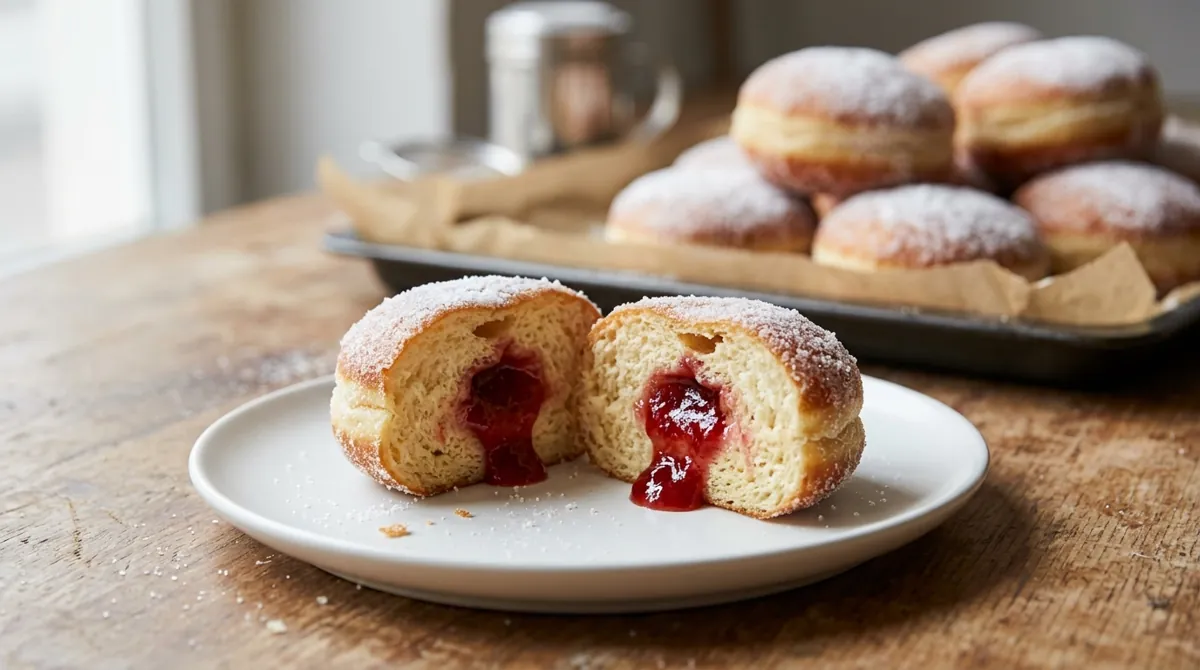
Soft balls of butter-and-egg yeast dough fried with their pale "collar", rolled in sugar and piped full of jam: the German jelly doughnut, called Berliner, Pfannkuchen, Krapfen or Kreppel depending on where you buy it.
Polish Pączki (Fat Thursday Doughnuts)
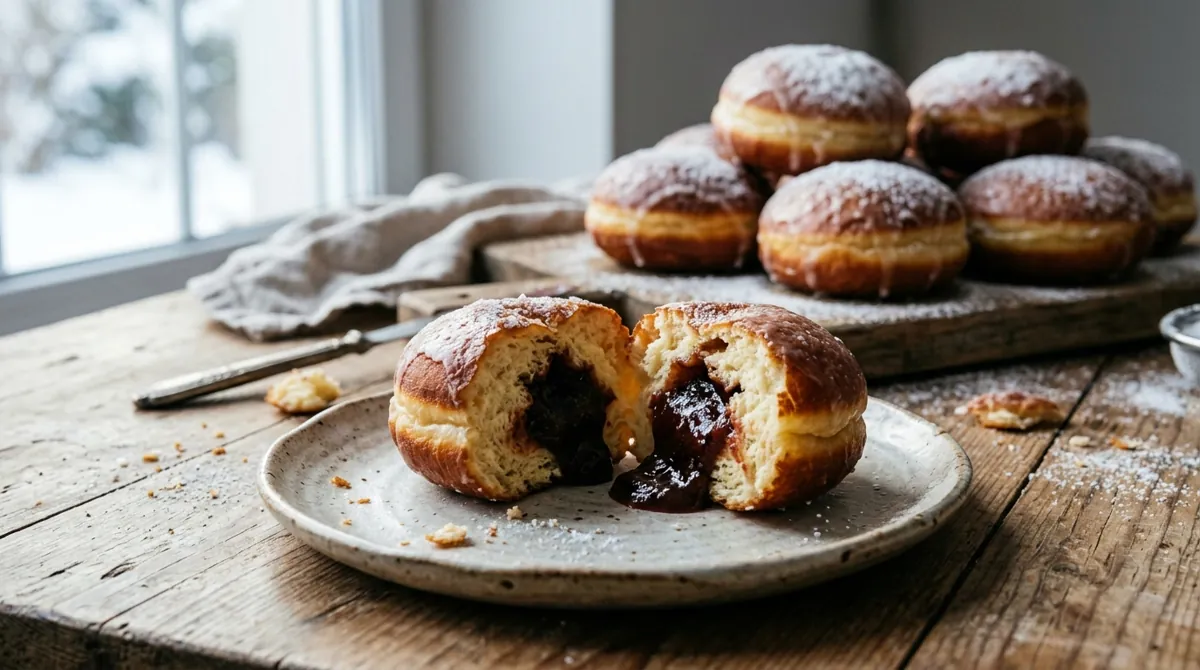
Extra-rich jelly doughnuts made with egg yolks, butter and vanilla, fried deep mahogany, tossed in powdered sugar and filled with plum, rose petal or raspberry jam for Fat Thursday.
Israeli Sufganiyot (Hanukkah Jelly Doughnuts)
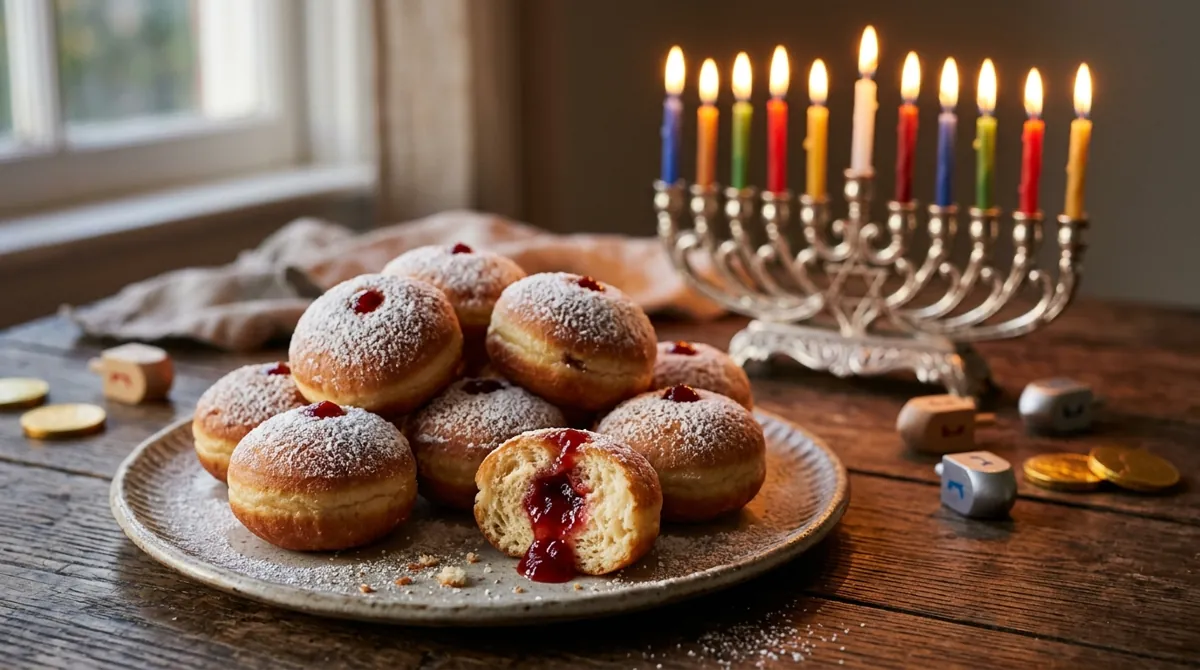
Small yeast doughnuts scented with cinnamon, fried hot and fast for Hanukkah, filled with a spoonful of berry or plum preserves and rolled in sugar, from Joan Nathan's 1979 holiday cookbook.
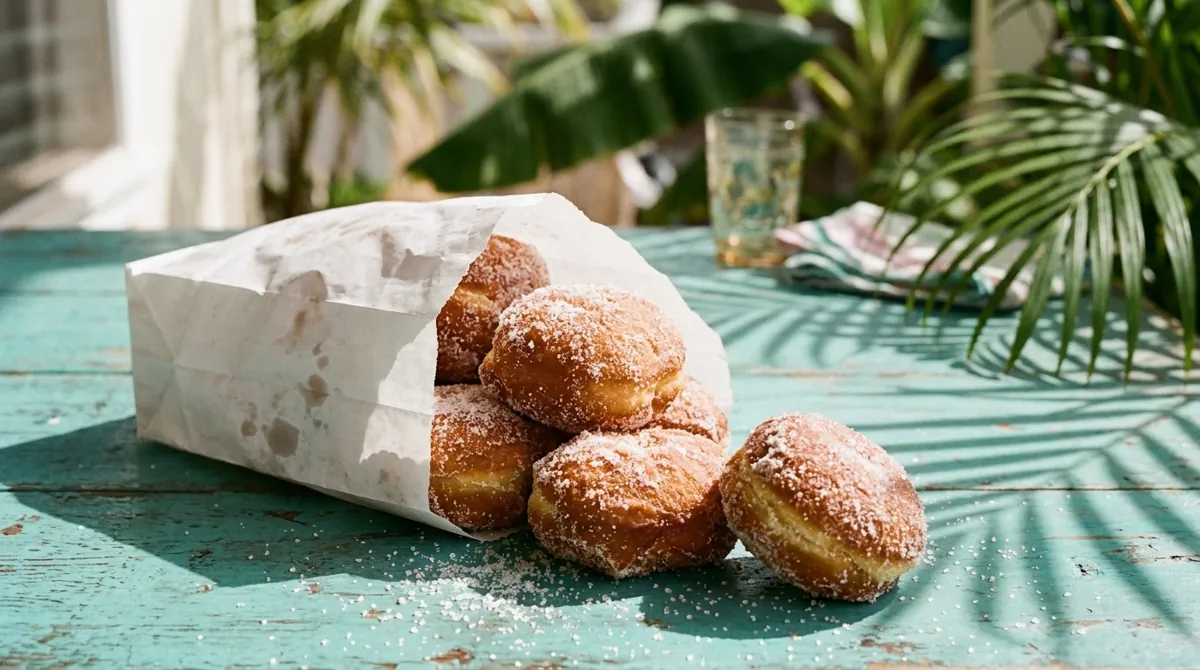
Portuguese Malasadas (and Hawaii's Malasada Day)
Hole-less yeast doughnuts made with bread flour, milk and eggs, patted into disks, fried golden and tossed in sugar while hot: the Portuguese Shrove Tuesday treat that became Hawaii's Malasada Day.
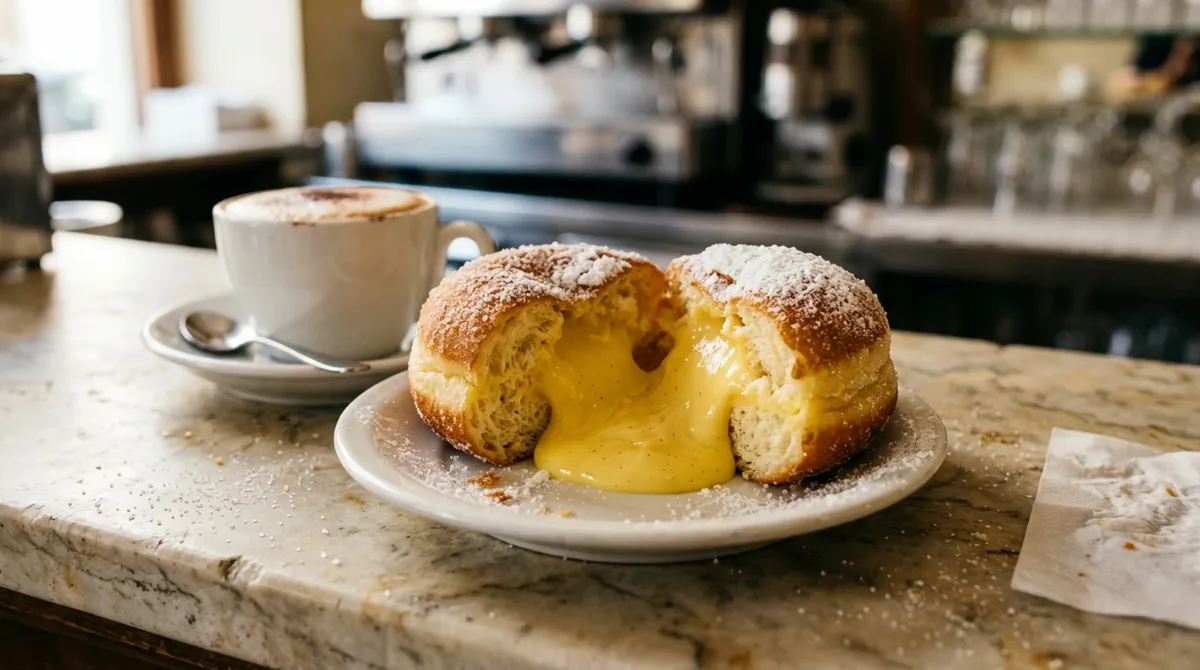
Tuscan Bomboloni alla Crema (Custard Doughnuts)
Big, cloud-soft Italian doughnuts made from a folded yeast dough, fried slow and pale gold, filled with lemon-and-vanilla pastry cream and dusted with powdered sugar, the way Tuscan bakeries and beach carts sell them.
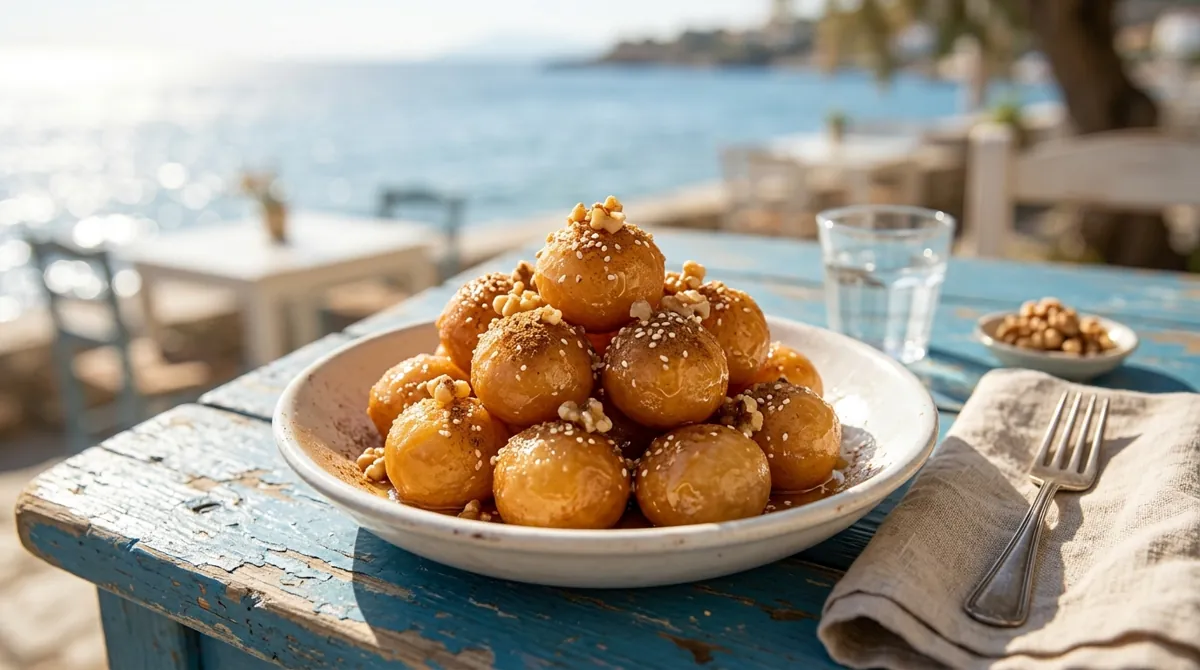
Greek Loukoumades (Honey Doughnut Puffs)
Spoonfuls of a bubbly yeast batter fried into crisp golden puffs, dropped into cold honey syrup and showered with walnuts, cinnamon and sesame, Greece's favorite street-food sweet.
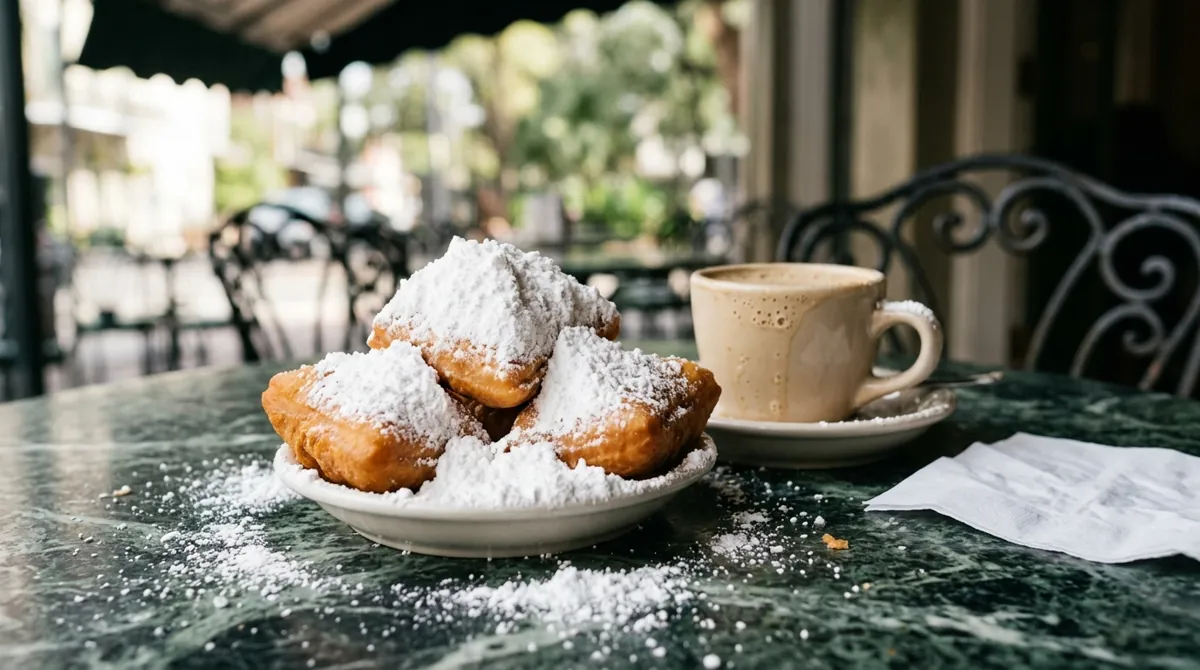
New Orleans Beignets
Squares of a very wet, eggy yeast dough fried until they balloon, then buried in powdered sugar, the French Quarter coffee-stand doughnut, made at home.
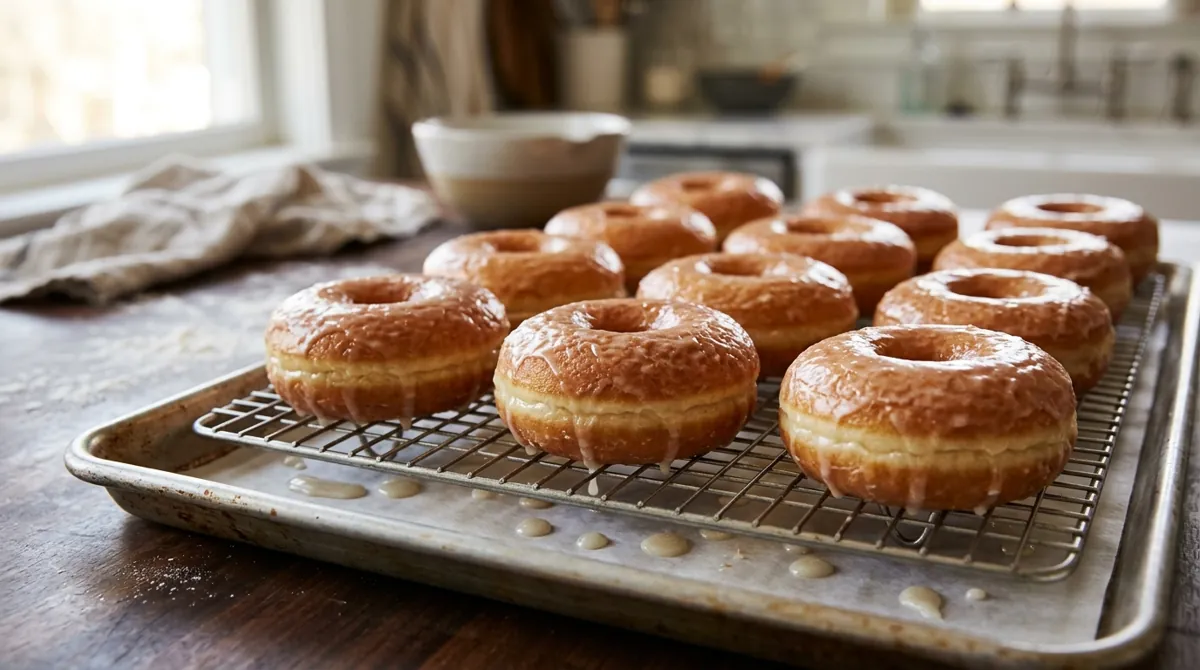
Classic Yeast-Raised Glazed Doughnuts
Tall, airy ring doughnuts from a buttery dough that rests overnight in the fridge, proofed in a steamy oven, fried golden and dipped in a sheer vanilla glaze that sets matte and crackly.
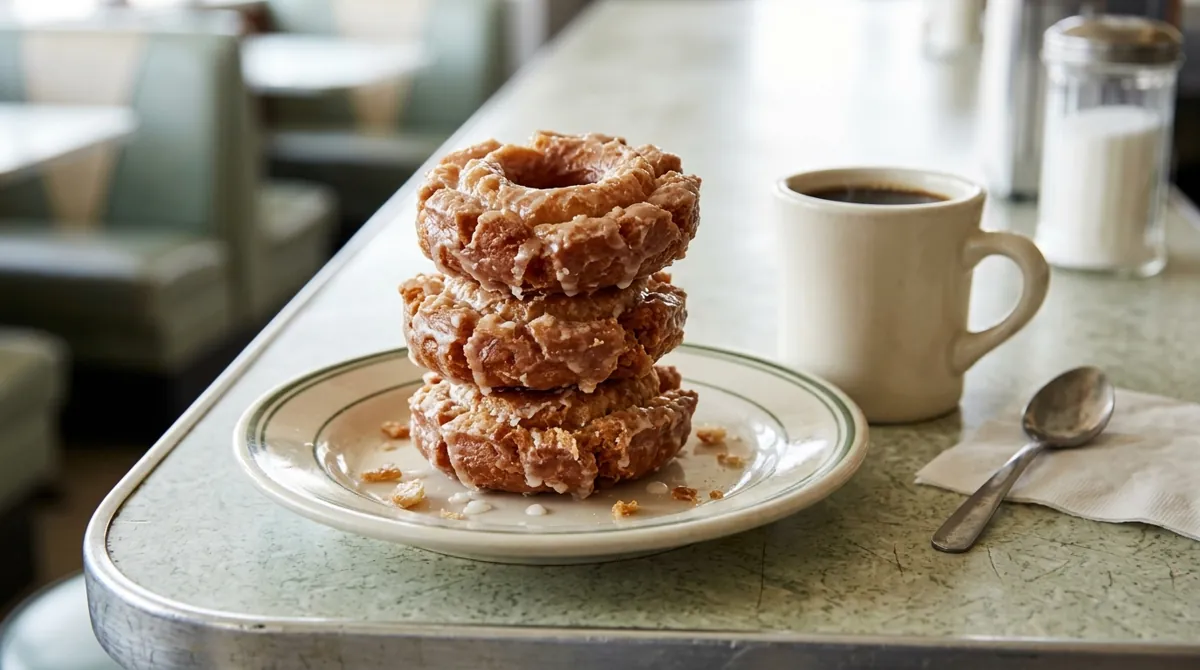
Old-Fashioned Sour Cream Doughnuts
Tangy sour cream and buttermilk cake doughnuts, chilled, cut and fried until craggy and crisp at the edges, then dipped in a thin vanilla glaze that settles into every crack.
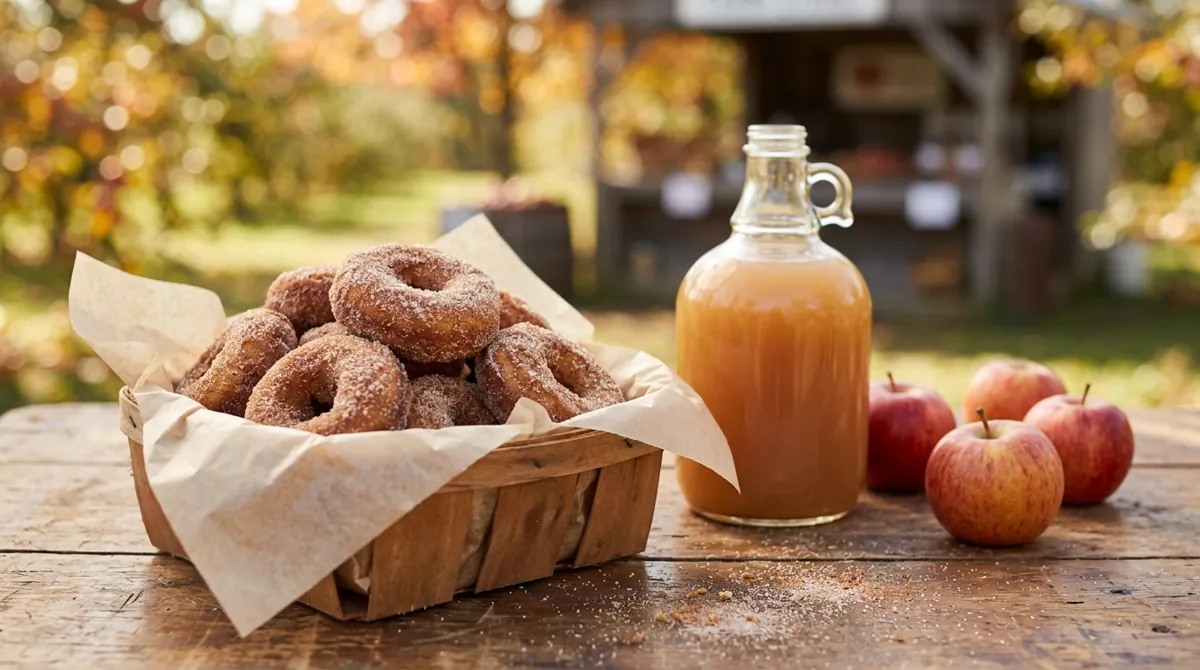
Apple Cider Doughnuts
Tender cake doughnuts flavored with apple, buttermilk, cinnamon and nutmeg, fried in two minutes and tossed in cinnamon sugar, the fall orchard and cider-mill classic made at home.
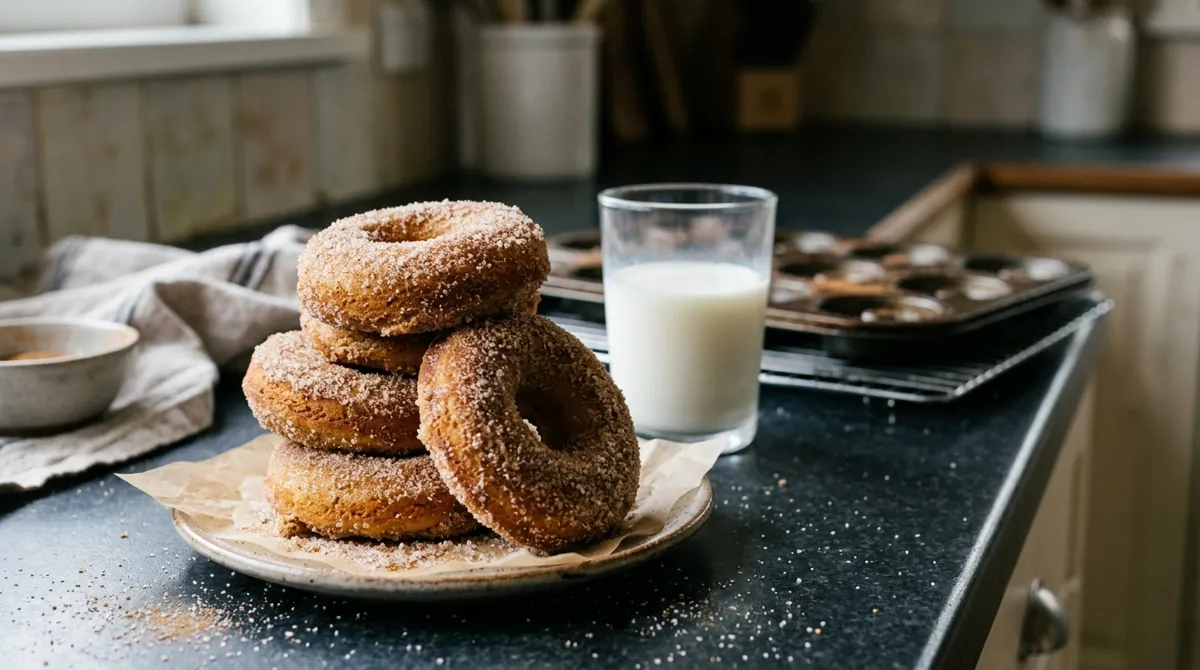
Baked Weeknight Doughnuts (Cinnamon Sugar)
Tender nutmeg cake doughnuts baked in a doughnut pan in 10 minutes and shaken in cinnamon sugar while warm: no yeast, no frying, about half an hour start to finish.
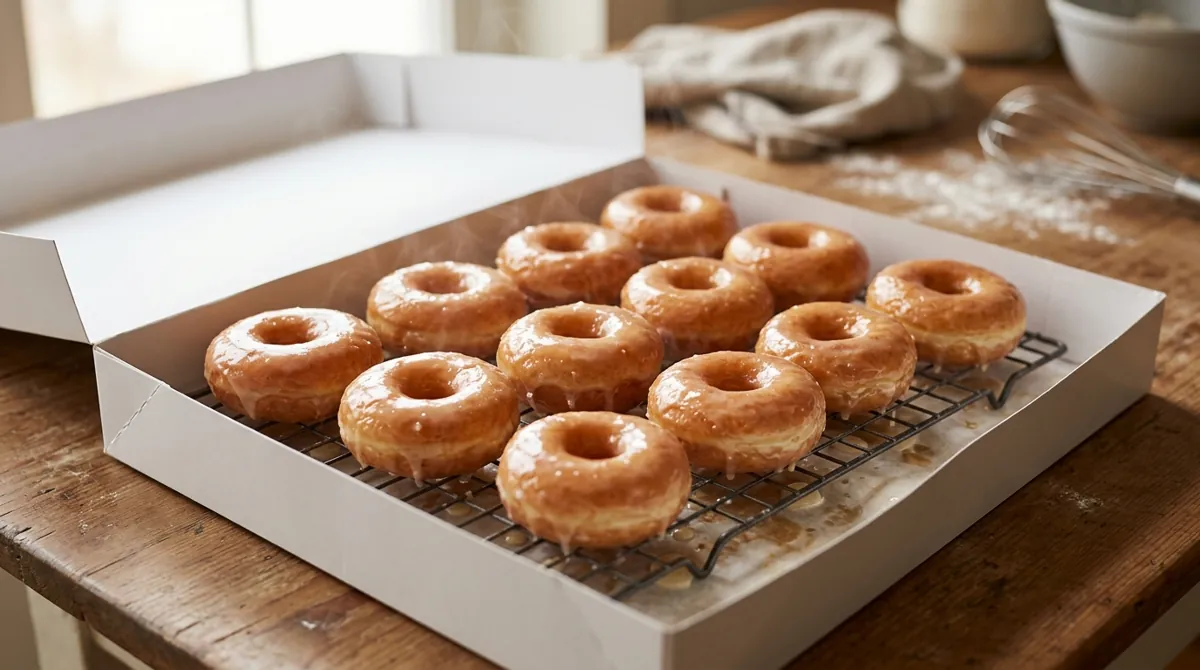
Hot Glazed Doughnuts, Inspired by Krispy Kreme
Light, fluffy yeast rings made with shortening, fried in shortening and dipped while warm in a thin, warm glaze of powdered sugar, milk and corn syrup, a home take on the famous hot glazed doughnut. Inspired by, not official.
Meatballs of the World

Italian-American Meatballs
Big, tender meatballs braised for an hour in red sauce over spaghetti. The one most Americans grew up with.

Pallottine (Abruzzo Meatballs)
Tiny meatballs, smaller than a marble, tossed right through square spaghetti alla chitarra. No bread at all.

Swedish Meatballs (Köttbullar)
Small, soft meatballs browned in butter, in a cream sauce made from the same pan, with lingonberry jam on the plate.

Danish Frikadeller
Pork meatballs shaped with a spoon and fried slowly in butter, crusty outside and soft in the middle.

Königsberger Klopse
German meatballs that are never fried: poached, then served in a creamy white sauce with capers.

Spanish Albóndigas in Almond Saffron Sauce
The tapas bar classic: small meatballs in a golden sauce thickened with fried almonds and bread.

Mexican Albóndigas with Chipotle and Mint
Soft meatballs with rice and fresh mint inside, simmered in a smoky tomato and chipotle broth.

Izgara Köfte (Turkish Grilled Meatballs)
Small, flat meatballs kneaded hard, rested cold, and charred on a hot grill pan.

Lion's Head Meatballs
Big, soft pork meatballs, stirred into a sticky paste, fried to set, then braised in a savory sauce.

Chicken Tsukune
Japan's chicken meatball: kneaded sticky, grilled on skewers, glazed with sweet soy tare, dipped in egg yolk.