
Polish Pączki (Fat Thursday Doughnuts)
Extra-rich jelly doughnuts made with egg yolks, butter and vanilla, fried deep mahogany, tossed in powdered sugar and filled with plum, rose petal or raspberry jam for Fat Thursday.
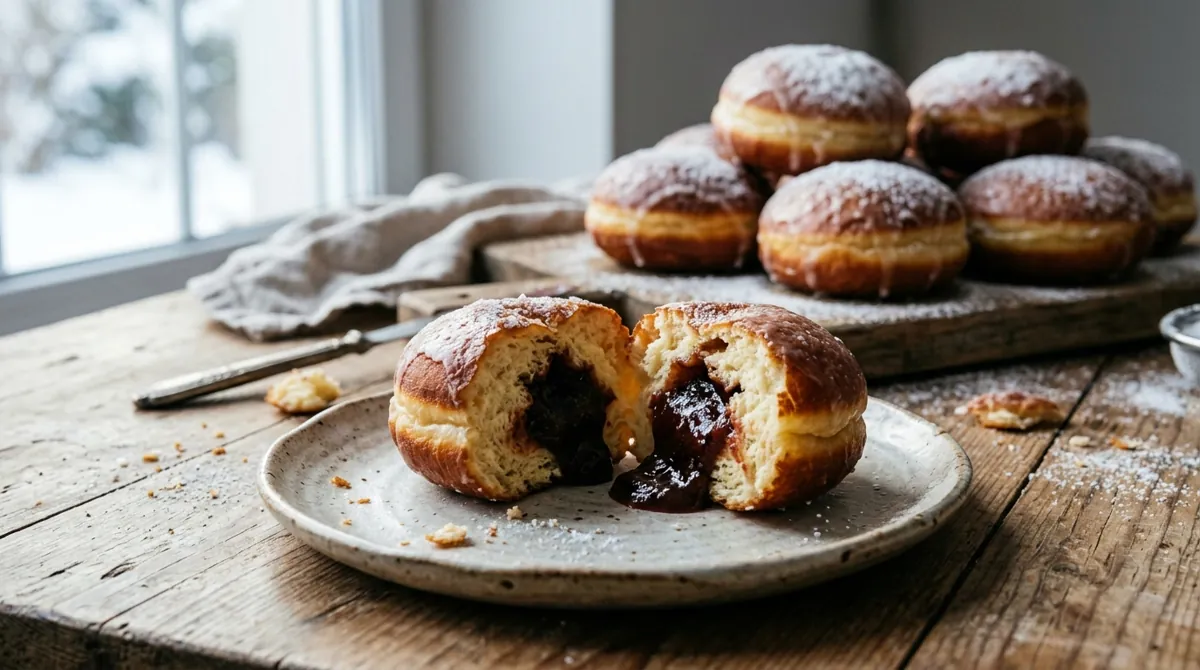
In Poland, pączki are the food of Tłusty Czwartek, Fat Thursday, the last Thursday before Lent, when households once used up their lard, sugar, eggs and fruit before the fast; in Chicago, Detroit, Milwaukee and other Polish-American cities, Pączki Day lands on Fat Tuesday instead, and Hamtramck, Michigan, holds a Pączki Day parade. Wikipedia says pączki have been known in Poland at least since the Middle Ages, and that the 18th-century writer Jędrzej Kitowicz credited French cooks, under King Augustus III, with making the dough lighter and spongier. The name is the plural of pączek, a little bud. English uses "paczki" for one and many, which makes Polish speakers wince. Traditional fillings are powidła (stewed plum) and wild rose petal jam (Wikipedia; King Arthur).
📖 Origin story: What Are Sufganiyot? Why Jelly Doughnuts Mean Hanukkah →
Why it works the kitchen science
Yolks and ribbons
Beating the eggs, extra yolks and sugar until thick traps air and gives a dough richer than most doughnut doughs, which fries up airy but tender (King Arthur).
Butter last, a little at a time
Adding soft butter after the gluten starts to form keeps the dough smooth and strong enough to rise high, even with so much fat in it.
Step by step
- Step 1
In a stand mixer with the paddle, beat the sugar, egg, yolks and salt 3 to 5 minutes, until pale and falling in thick ribbons. Add the flour, milk, yeast and vanilla and mix 20 to 30 seconds, just until no dry spots remain.
- Step 2
Switch to the dough hook. On medium speed, add the butter about 1 tbsp at a time, letting each piece disappear (30 to 60 seconds) before the next. Knead 8 to 10 minutes more, until smooth and pulling slightly from the bowl; it will still be sticky.
- Step 3
Cover in a lightly greased bowl and let rise in a warm spot about 1 hour, until doubled.
- Step 4
Turn the dough onto a well-floured counter, deflate it gently and pat it 1/2 inch thick. Cut 12 rounds with a floured 2 3/4-inch cutter, pressing the scraps together no more than twice. Set them on parchment, cover and let rise 30 to 45 minutes, until puffy.
- Step 5
Heat 2 inches of oil in a Dutch oven over medium heat to 350°F to 360°F. Fry 3 at a time, 2 to 3 minutes per side, until deep brown on the first side and mahogany on the second. Drain on paper towels and bring the oil back to 350°F before each batch.
- Step 6
Let the pączki cool completely, about 1 hour, then toss them in the sugar.
- Step 7
Poke a skewer halfway into the side of each one and twist it to open a pocket. Pipe in a generous tablespoon of jam and serve the same day.
Polish Pączki (Fat Thursday Doughnuts)
Serves 12 (one doughnut each) · 12 filled doughnuts · 4 hr total
Dough
- 1/3 cup (66 g) sugar
- 1 large egg
- 2 large egg yolks
- 1 tsp table salt
- 2 3/4 cups (330 g) unbleached all-purpose flour
- 2/3 cup (151 g) lukewarm milk
- 1 tbsp instant yeast
- 2 tsp vanilla extract
- 4 tbsp (57 g) unsalted butter, at room temperature
Frying and finishing
- 6 to 10 cups canola oil (enough for 2 inches in the pot)
- 1 cup non-melting topping sugar or powdered sugar
- 1 cup (340 g) plum, rose petal or raspberry jam
Method
- In a stand mixer with the paddle, beat the sugar, egg, yolks and salt 3 to 5 minutes, until pale and falling in thick ribbons. Add the flour, milk, yeast and vanilla and mix 20 to 30 seconds, just until no dry spots remain.
- Switch to the dough hook. On medium speed, add the butter about 1 tbsp at a time, letting each piece disappear (30 to 60 seconds) before the next. Knead 8 to 10 minutes more, until smooth and pulling slightly from the bowl; it will still be sticky.
- Cover in a lightly greased bowl and let rise in a warm spot about 1 hour, until doubled.
- Turn the dough onto a well-floured counter, deflate it gently and pat it 1/2 inch thick. Cut 12 rounds with a floured 2 3/4-inch cutter, pressing the scraps together no more than twice. Set them on parchment, cover and let rise 30 to 45 minutes, until puffy.
- Heat 2 inches of oil in a Dutch oven over medium heat to 350°F to 360°F. Fry 3 at a time, 2 to 3 minutes per side, until deep brown on the first side and mahogany on the second. Drain on paper towels and bring the oil back to 350°F before each batch.
- Let the pączki cool completely, about 1 hour, then toss them in the sugar.
- Poke a skewer halfway into the side of each one and twist it to open a pocket. Pipe in a generous tablespoon of jam and serve the same day.
Adapted from King Arthur Baking, "Pączki (Polish Doughnuts)" by Molly Marzalek-Kelly (updated February 5, 2026), as written for 12. King Arthur leaves out the traditional splash of vodka; we mention it in Tips and Rules. The clinging sugar and the jam actually piped in are our estimates. King Arthur Baking. Ingredient list follows the source; the method is in our own words.
All sources (2)
Tips
- Many Polish recipes add about 1 tbsp of vodka or spirit to the dough; King Arthur leaves it out (see Rules).
- Cool them completely before sugaring, or the sugar melts into the crust.
- King Arthur says leftovers keep one day at room temperature and do not freeze well.
The rules people argue about
What the sources agree on, what they don't, and what is just a good story.
- Pączki are a Fat Thursday food. Documented in Poland (Wikipedia); in the US they belong to Fat Tuesday, and Chicago does both.
- A spoonful of spirit in the dough keeps them from soaking up oil. Disputed: Wikipedia states it as fact (citing Strybel's "Polish Heritage Cookery"), while King Arthur says it is only "thought to" reduce oil absorption.
- Rose petal jam and plum are the real fillings. Documented as traditional (Wikipedia; King Arthur), but raspberry and custard are common too.
- A pączek is just a Berliner. Folklore: Wikipedia says they look alike but pączki use an especially rich dough.
Every other doughnut
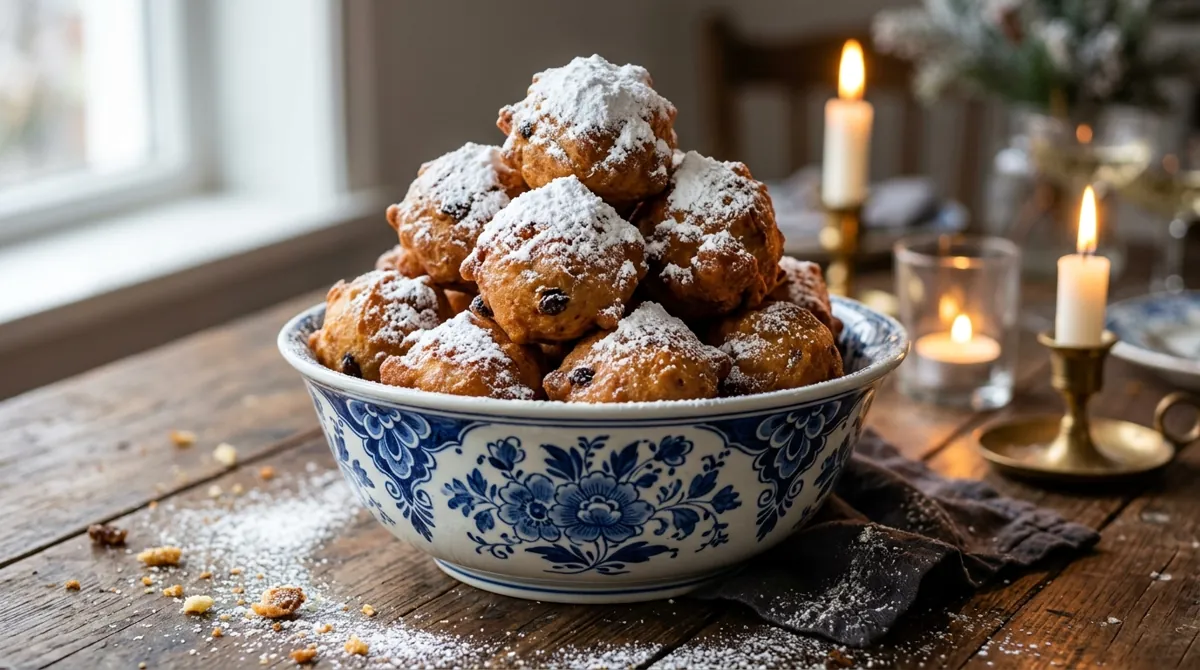
Dutch Oliebollen (New Year's Eve Doughnuts)
Scoops of soft yeast batter studded with raisins and currants, fried round and golden and buried in powdered sugar, the Dutch New Year's Eve treat and a cousin of the olykoeks the Dutch made in old New York.
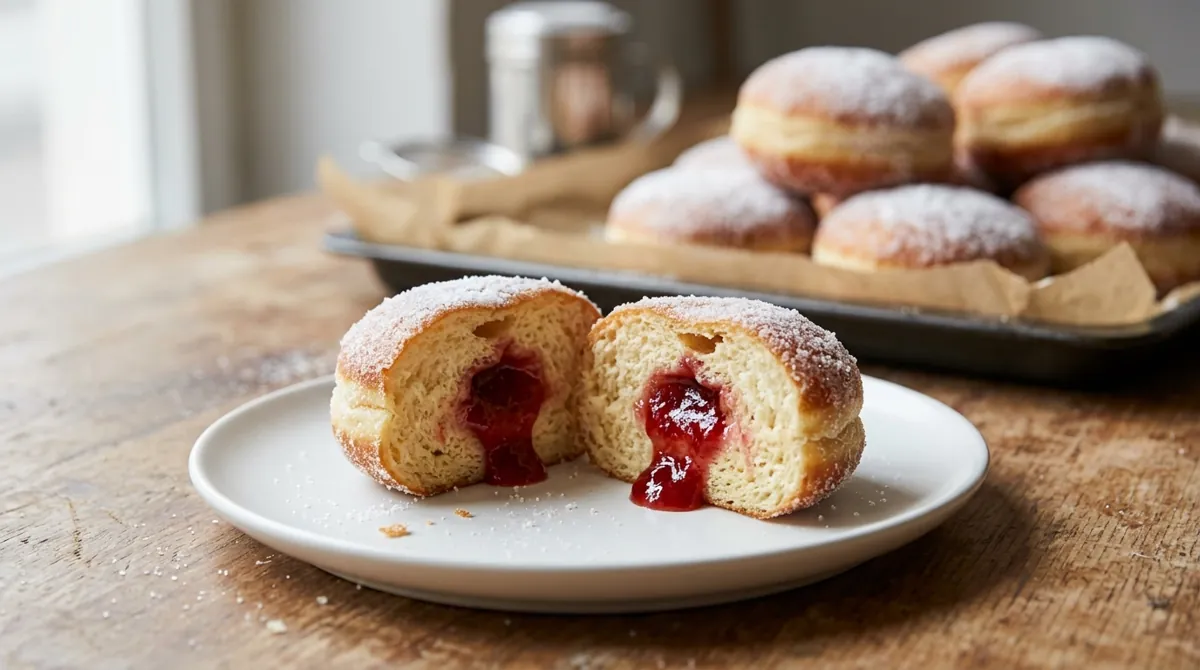
German Berliner (Jam-Filled Krapfen)
Soft balls of butter-and-egg yeast dough fried with their pale "collar", rolled in sugar and piped full of jam: the German jelly doughnut, called Berliner, Pfannkuchen, Krapfen or Kreppel depending on where you buy it.
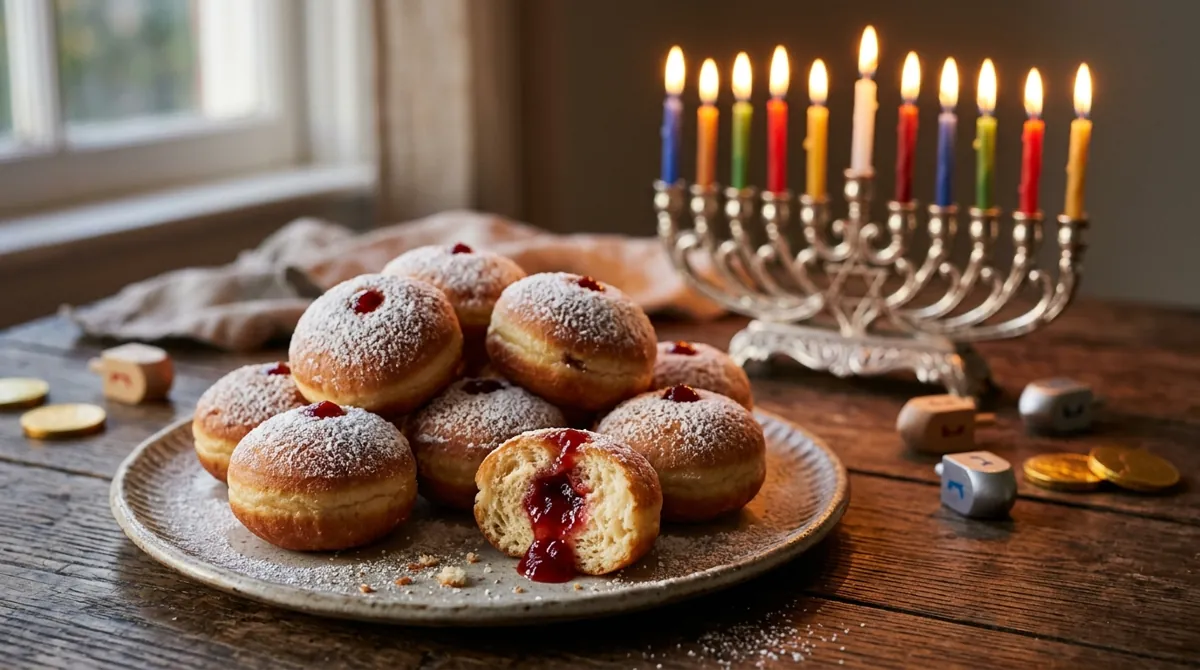
Israeli Sufganiyot (Hanukkah Jelly Doughnuts)
Small yeast doughnuts scented with cinnamon, fried hot and fast for Hanukkah, filled with a spoonful of berry or plum preserves and rolled in sugar, from Joan Nathan's 1979 holiday cookbook.
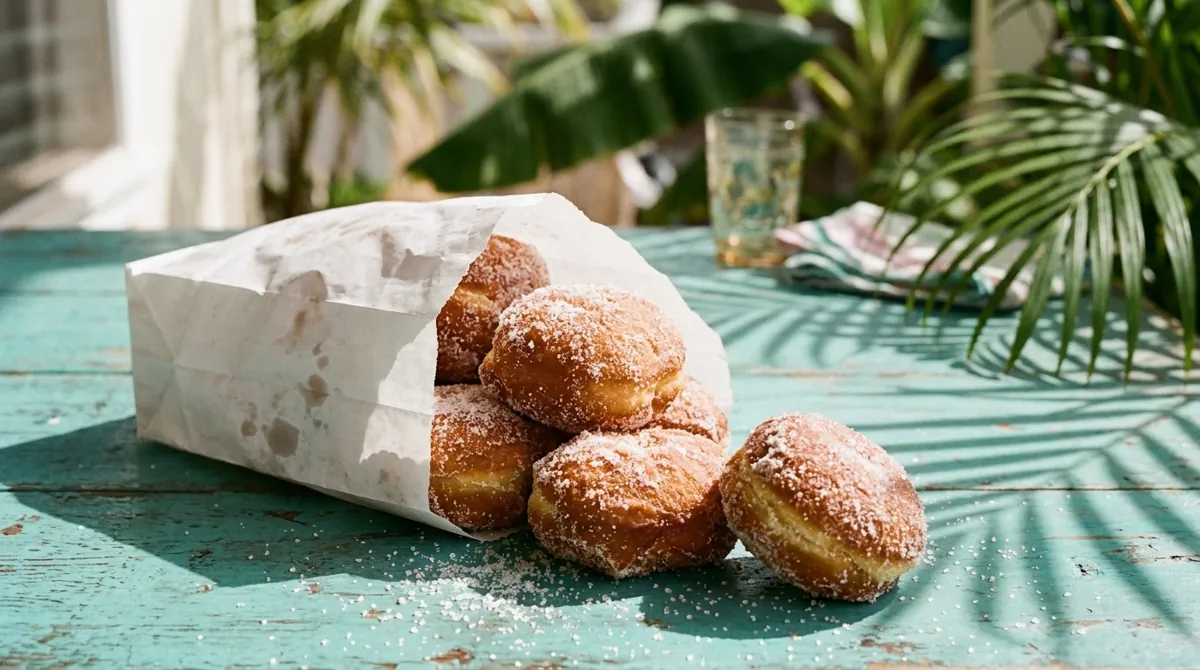
Portuguese Malasadas (and Hawaii's Malasada Day)
Hole-less yeast doughnuts made with bread flour, milk and eggs, patted into disks, fried golden and tossed in sugar while hot: the Portuguese Shrove Tuesday treat that became Hawaii's Malasada Day.
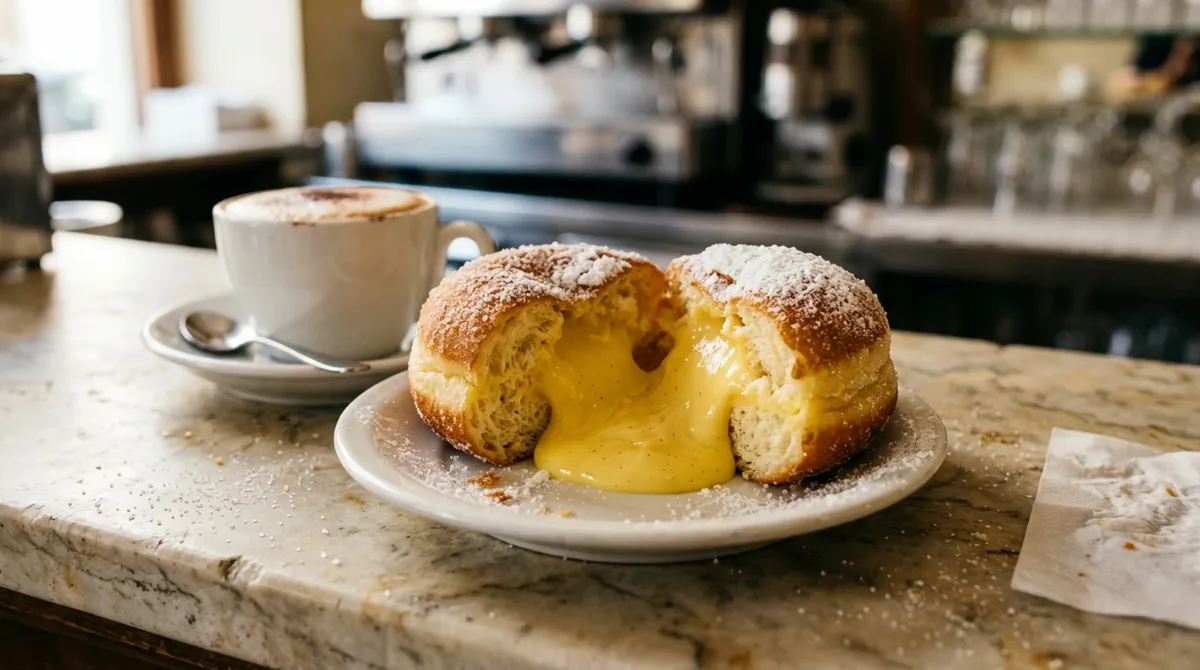
Tuscan Bomboloni alla Crema (Custard Doughnuts)
Big, cloud-soft Italian doughnuts made from a folded yeast dough, fried slow and pale gold, filled with lemon-and-vanilla pastry cream and dusted with powdered sugar, the way Tuscan bakeries and beach carts sell them.
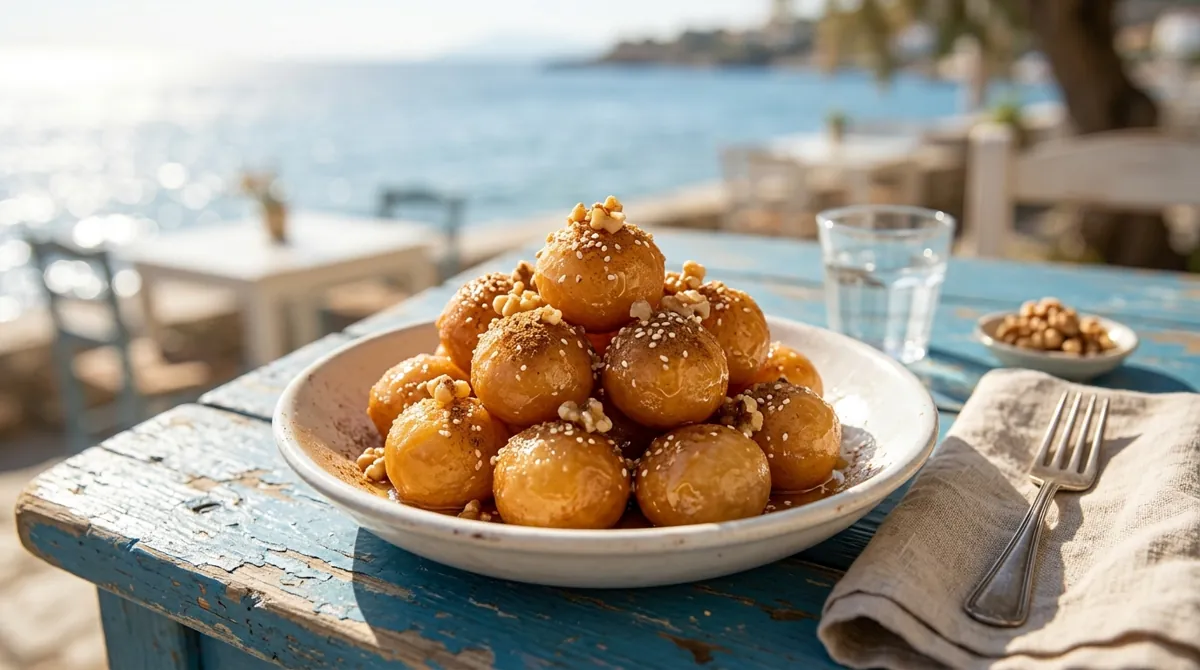
Greek Loukoumades (Honey Doughnut Puffs)
Spoonfuls of a bubbly yeast batter fried into crisp golden puffs, dropped into cold honey syrup and showered with walnuts, cinnamon and sesame, Greece's favorite street-food sweet.
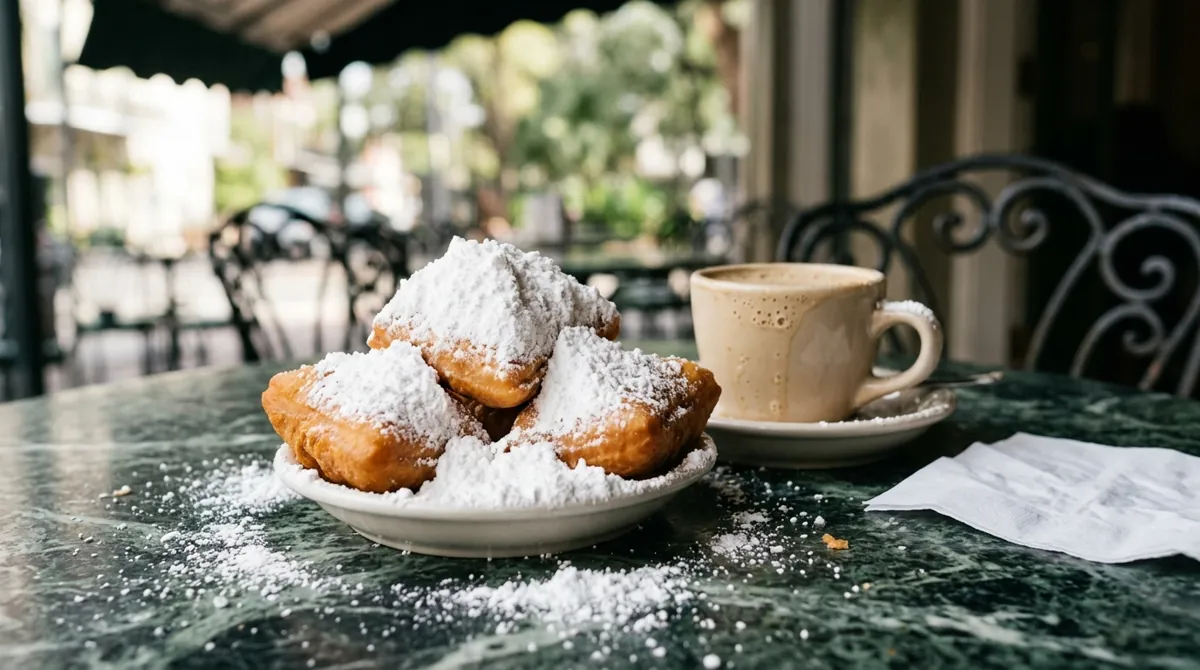
New Orleans Beignets
Squares of a very wet, eggy yeast dough fried until they balloon, then buried in powdered sugar, the French Quarter coffee-stand doughnut, made at home.
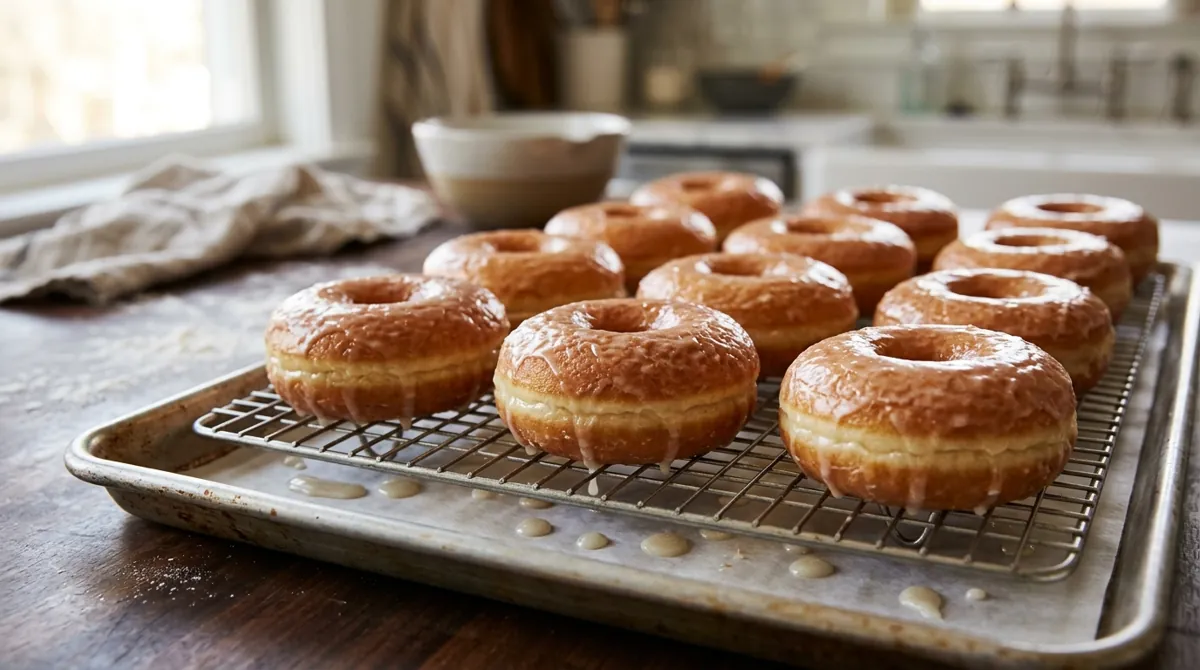
Classic Yeast-Raised Glazed Doughnuts
Tall, airy ring doughnuts from a buttery dough that rests overnight in the fridge, proofed in a steamy oven, fried golden and dipped in a sheer vanilla glaze that sets matte and crackly.
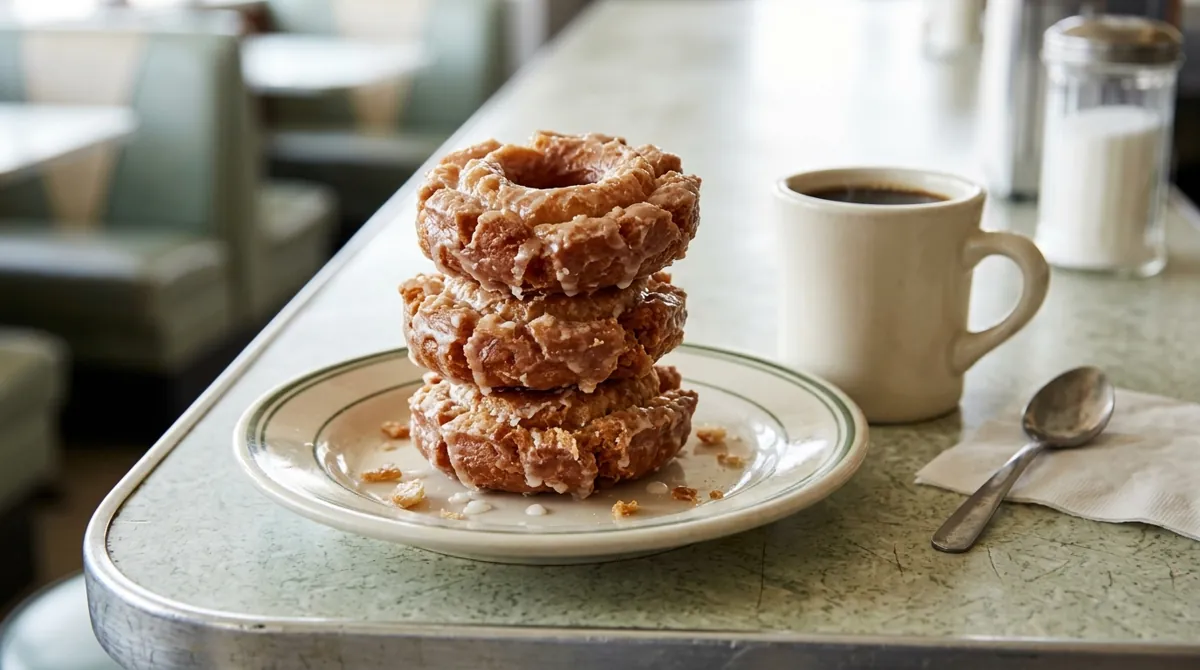
Old-Fashioned Sour Cream Doughnuts
Tangy sour cream and buttermilk cake doughnuts, chilled, cut and fried until craggy and crisp at the edges, then dipped in a thin vanilla glaze that settles into every crack.
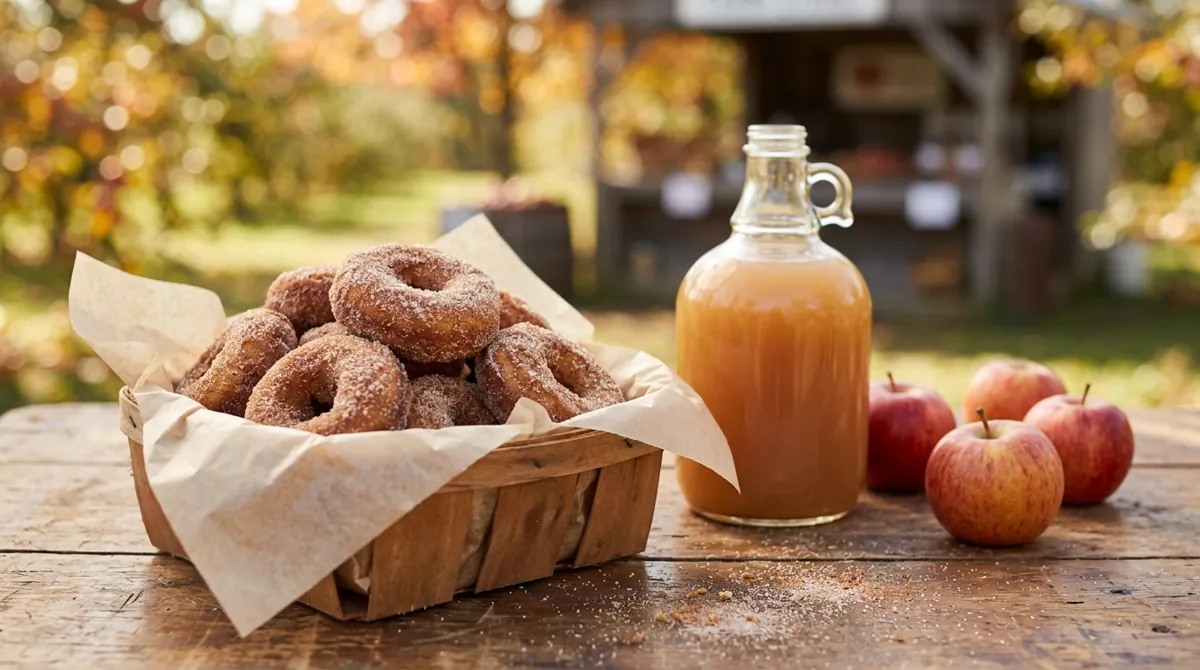
Apple Cider Doughnuts
Tender cake doughnuts flavored with apple, buttermilk, cinnamon and nutmeg, fried in two minutes and tossed in cinnamon sugar, the fall orchard and cider-mill classic made at home.
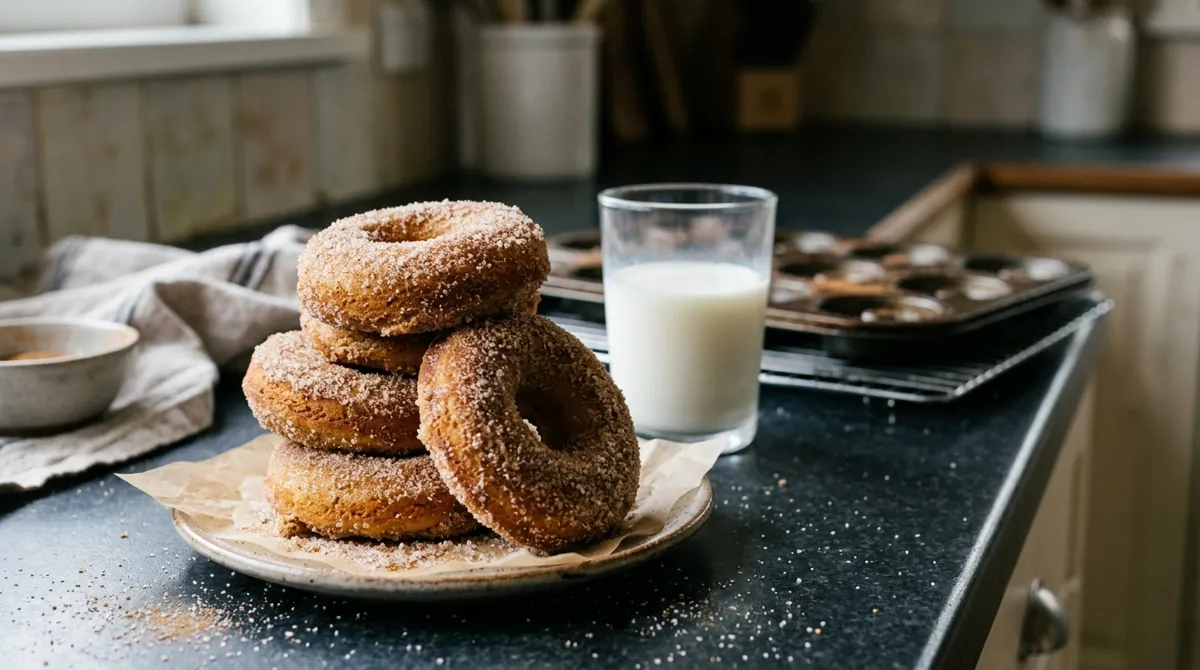
Baked Weeknight Doughnuts (Cinnamon Sugar)
Tender nutmeg cake doughnuts baked in a doughnut pan in 10 minutes and shaken in cinnamon sugar while warm: no yeast, no frying, about half an hour start to finish.
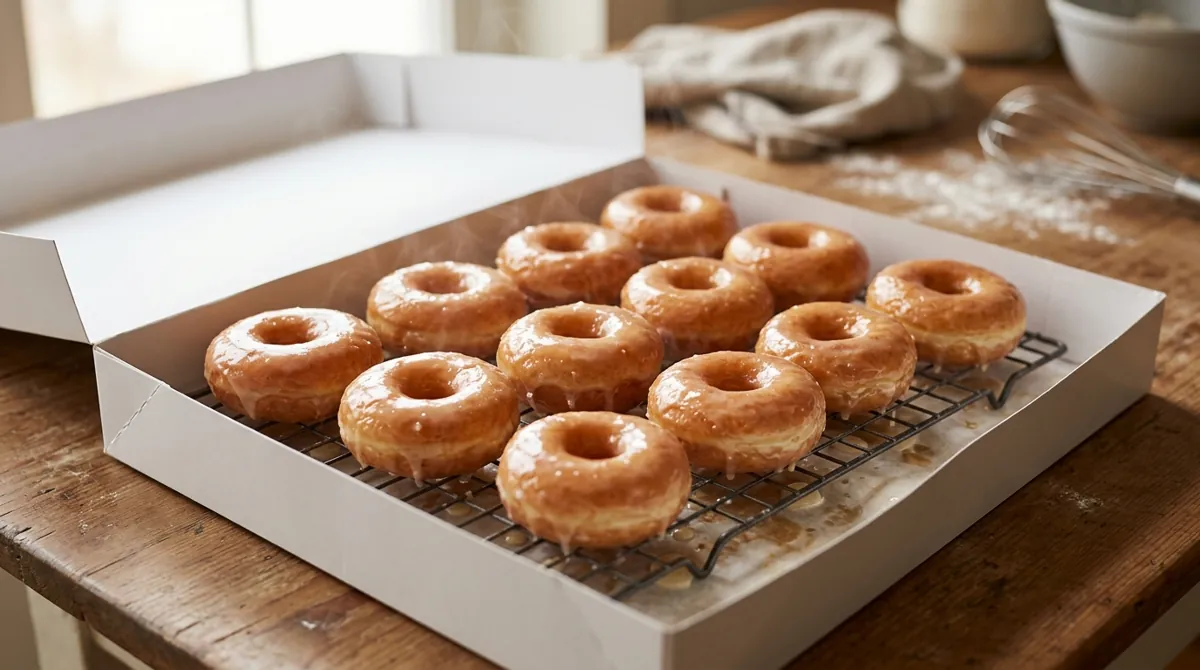
Hot Glazed Doughnuts, Inspired by Krispy Kreme
Light, fluffy yeast rings made with shortening, fried in shortening and dipped while warm in a thin, warm glaze of powdered sugar, milk and corn syrup, a home take on the famous hot glazed doughnut. Inspired by, not official.
Meatballs of the World

Italian-American Meatballs
Big, tender meatballs braised for an hour in red sauce over spaghetti. The one most Americans grew up with.

Pallottine (Abruzzo Meatballs)
Tiny meatballs, smaller than a marble, tossed right through square spaghetti alla chitarra. No bread at all.

Swedish Meatballs (Köttbullar)
Small, soft meatballs browned in butter, in a cream sauce made from the same pan, with lingonberry jam on the plate.

Danish Frikadeller
Pork meatballs shaped with a spoon and fried slowly in butter, crusty outside and soft in the middle.

Königsberger Klopse
German meatballs that are never fried: poached, then served in a creamy white sauce with capers.

Spanish Albóndigas in Almond Saffron Sauce
The tapas bar classic: small meatballs in a golden sauce thickened with fried almonds and bread.

Mexican Albóndigas with Chipotle and Mint
Soft meatballs with rice and fresh mint inside, simmered in a smoky tomato and chipotle broth.

Izgara Köfte (Turkish Grilled Meatballs)
Small, flat meatballs kneaded hard, rested cold, and charred on a hot grill pan.

Lion's Head Meatballs
Big, soft pork meatballs, stirred into a sticky paste, fried to set, then braised in a savory sauce.

Chicken Tsukune
Japan's chicken meatball: kneaded sticky, grilled on skewers, glazed with sweet soy tare, dipped in egg yolk.