
Tuscan Bomboloni alla Crema (Custard Doughnuts)
Big, cloud-soft Italian doughnuts made from a folded yeast dough, fried slow and pale gold, filled with lemon-and-vanilla pastry cream and dusted with powdered sugar, the way Tuscan bakeries and beach carts sell them.
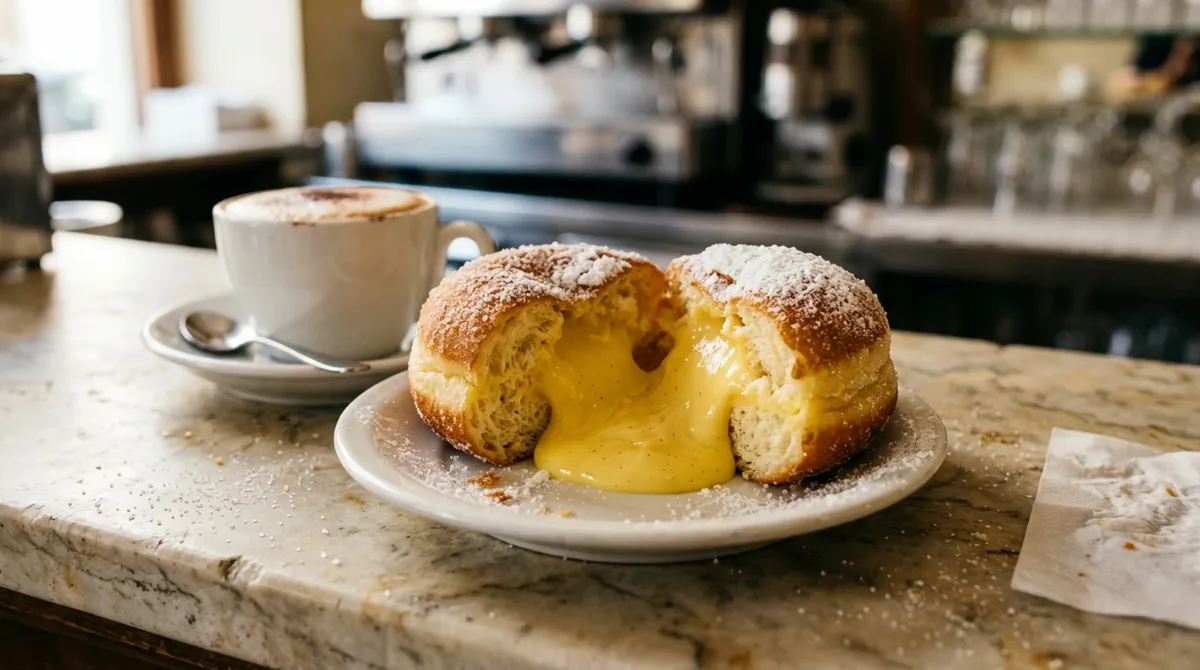
Bomboloni are Italy's filled doughnuts, named for a bomba, a bomb, and most closely tied to Tuscany, where they are sold in pastry shops for breakfast and from carts on the beach. Wikipedia says that in the parts of northern Italy once ruled by Austria, the bombolone is believed to come from the Austrian Krapfen, the Berliner's cousin, and that the Tuscan version is a little different: traditionally without eggs, and often filled from the top so the cream shows rather than through the side. A popular story says the Krapfen reached Tuscany with the Habsburg-Lorraine court in the 18th century; the Italian sources we found present that only as a hypothesis (see Rules). Pastry cream (crema pasticcera) is the classic filling in Italy's best-known recipe, GialloZafferano's.
📖 Origin story: What Are Sufganiyot? Why Jelly Doughnuts Mean Hanukkah →
Why it works the kitchen science
Three folds
Rolling and folding the dough like a letter lines up the gluten and builds thin layers, which is what gives a bombolone its long, cottony pull (GialloZafferano).
Low oil
320°F is cooler than most doughnut recipes, so the thick rounds cook all the way through while the outside stays pale gold instead of dark brown.
Step by step
- Step 1
In a stand mixer with the hook, combine both flours, the sugar and the yeast. With the mixer running, pour in the water in a thin stream, then the eggs a little at a time. When the dough comes together, add the salt and knead on medium 3 to 4 minutes, until it pulls away from the bowl. Add the butter a piece at a time, then knead about 10 minutes more, until smooth.
- Step 2
Shape into a ball, cover and let rise at 79°F to 82°F (an oven with only the light on works) about 3 1/2 hours, until tripled.
- Step 3
On a lightly floured board, roll the dough into a rectangle about 3/4 inch thick. Fold one short side to the middle and the other over it, like a letter. Cover and rest 10 minutes. Repeat the rolling, folding and 10 minute rest twice more (three folds in all).
- Step 4
Roll the dough 1/3 inch thick, cover and rest 10 minutes so it will not shrink, then cut 4-inch rounds. Set each on its own square of parchment, cover and let rise 1 1/2 hours, until clearly thicker.
- Step 5
Meanwhile make the cream: bring the milk, vanilla and lemon zest just to a simmer over low heat. Whisk the yolks, sugar and starch until smooth, strain in the hot milk in three additions while whisking, then return to low heat and stir constantly 4 to 6 minutes, until thick. Scrape into a cold bowl, whisk until it drops to about 120°F, press plastic onto the surface and chill.
- Step 6
Heat the oil in a deep saucepan to 320°F. Slide in one or two bomboloni on their paper, peel the paper away, and fry about 4 minutes, spooning hot oil over the tops and turning them gently halfway, until evenly golden. Drain on paper towels.
- Step 7
While they are warm, pipe the cream into each through a narrow plain tip until full, dust with powdered sugar and serve.
Tuscan Bomboloni alla Crema (Custard Doughnuts)
Serves 10 (one bombolone each) · 10 large bomboloni · 6 hr 55 min total
Dough
- 2 cups (250 g) all-purpose flour
- 2 cups (250 g) bread flour
- 3 tbsp plus 1 tsp (40 g) sugar
- 1 1/2 tsp instant yeast (or 15 g fresh yeast)
- 1/2 cup plus 1 1/2 tbsp (140 g) water
- 2 extra-large eggs (about 120 g), beaten
- 1 tsp (6 g) salt
- 3 tbsp (40 g) butter, very soft
Pastry cream
- 1 1/3 cups whole milk
- 1/2 vanilla bean, split, or 1 tsp vanilla extract
- 2 strips lemon zest (yellow part only)
- 5 large egg yolks
- 7 tbsp (87 g) sugar
- 3 1/2 tbsp (27 g) cornstarch or rice starch
Frying and finishing
- About 1 quart seed oil (sunflower or peanut)
- Powdered sugar, for dusting
Method
- In a stand mixer with the hook, combine both flours, the sugar and the yeast. With the mixer running, pour in the water in a thin stream, then the eggs a little at a time. When the dough comes together, add the salt and knead on medium 3 to 4 minutes, until it pulls away from the bowl. Add the butter a piece at a time, then knead about 10 minutes more, until smooth.
- Shape into a ball, cover and let rise at 79°F to 82°F (an oven with only the light on works) about 3 1/2 hours, until tripled.
- On a lightly floured board, roll the dough into a rectangle about 3/4 inch thick. Fold one short side to the middle and the other over it, like a letter. Cover and rest 10 minutes. Repeat the rolling, folding and 10 minute rest twice more (three folds in all).
- Roll the dough 1/3 inch thick, cover and rest 10 minutes so it will not shrink, then cut 4-inch rounds. Set each on its own square of parchment, cover and let rise 1 1/2 hours, until clearly thicker.
- Meanwhile make the cream: bring the milk, vanilla and lemon zest just to a simmer over low heat. Whisk the yolks, sugar and starch until smooth, strain in the hot milk in three additions while whisking, then return to low heat and stir constantly 4 to 6 minutes, until thick. Scrape into a cold bowl, whisk until it drops to about 120°F, press plastic onto the surface and chill.
- Heat the oil in a deep saucepan to 320°F. Slide in one or two bomboloni on their paper, peel the paper away, and fry about 4 minutes, spooning hot oil over the tops and turning them gently halfway, until evenly golden. Drain on paper towels.
- While they are warm, pipe the cream into each through a narrow plain tip until full, dust with powdered sugar and serve.
Adapted from GialloZafferano, "Bomboloni" (10 pieces), with its "Crema pasticcera" scaled to the 500 g of cream the bomboloni need: and. We use all-purpose flour for the Italian 00 and bread flour for Manitoba, swap the 15 g of fresh yeast for 1 1/2 tsp instant yeast (our conversion), convert 160°C to 320°F and use cornstarch, which GialloZafferano allows, in place of rice starch. GialloZafferano's dough contains eggs; Wikipedia says traditional Tuscan bomboloni do not. ricette.giallozafferano.it. Ingredient list follows the source; the method is in our own words.
Tips
- Fry each bombolone on its own square of parchment so you never squash it lifting it.
- GialloZafferano's tip: let the dough scraps rise a few minutes, fry them as bite-size nuggets and roll them in sugar.
- Plain (unfilled) bomboloni keep a day or two covered; filled ones go in the refrigerator.
The rules people argue about
What the sources agree on, what they don't, and what is just a good story.
- Bomboloni came from the Austrian Krapfen. Disputed: Wikipedia says this is believed in the formerly Austrian north (Trentino, Veneto, Friuli), and Italian food sites suggest the Habsburg-Lorraine court brought Krapfen to Tuscany in the 18th century, but they present it as a hypothesis ("si ipotizza"), and we found no primary source.
- Tuscan bomboloni have no eggs. Disputed: Wikipedia says so; GialloZafferano's widely used recipe has two eggs.
- The cream goes in through the top. Folklore: Wikipedia says Tuscan bomboloni are often filled from the top, but GialloZafferano pipes them like any filled doughnut.
- Pastry cream is the only true filling. Folklore: GialloZafferano calls it the classic, and jam and chocolate are common too.
Every other doughnut
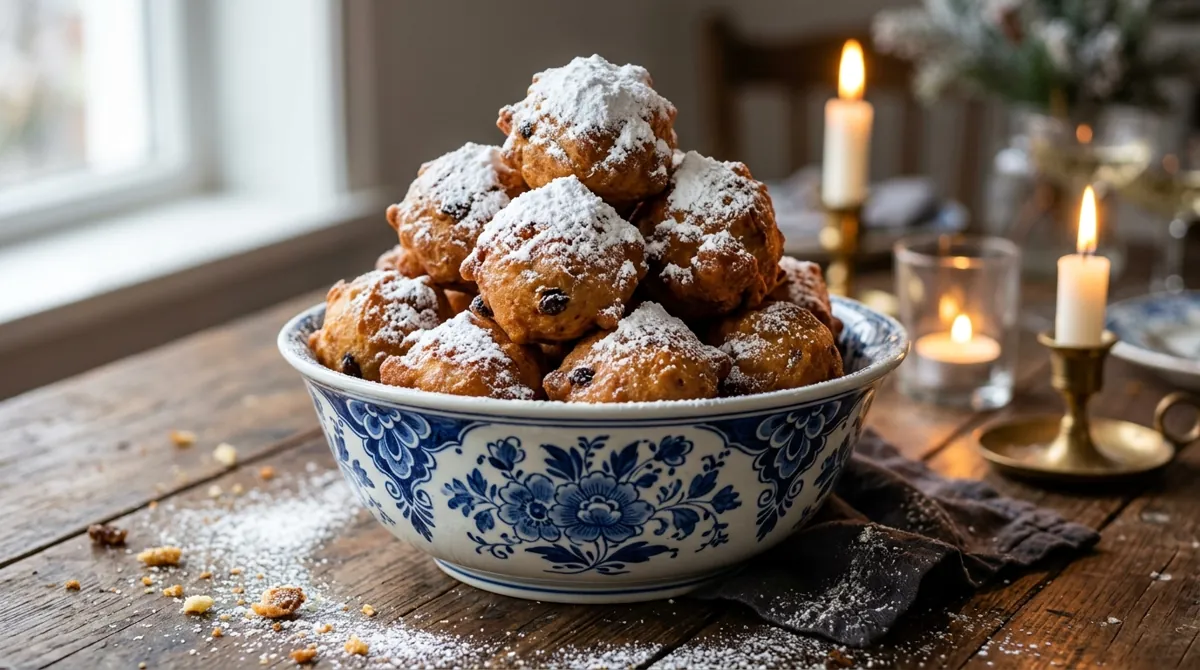
Dutch Oliebollen (New Year's Eve Doughnuts)
Scoops of soft yeast batter studded with raisins and currants, fried round and golden and buried in powdered sugar, the Dutch New Year's Eve treat and a cousin of the olykoeks the Dutch made in old New York.
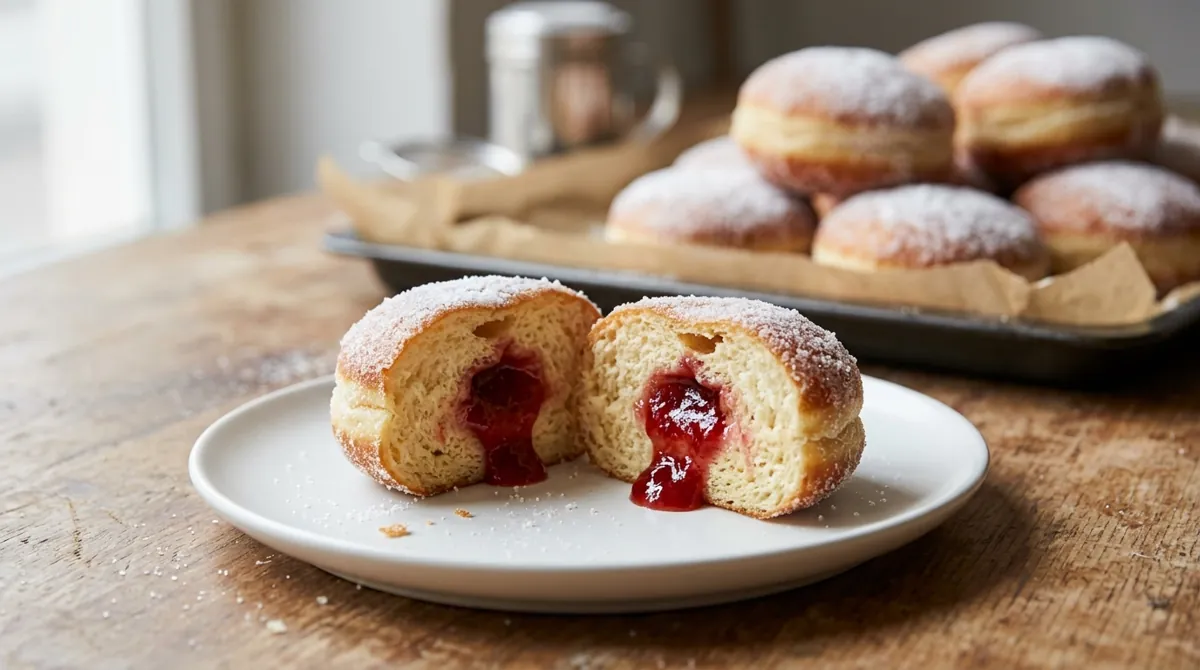
German Berliner (Jam-Filled Krapfen)
Soft balls of butter-and-egg yeast dough fried with their pale "collar", rolled in sugar and piped full of jam: the German jelly doughnut, called Berliner, Pfannkuchen, Krapfen or Kreppel depending on where you buy it.
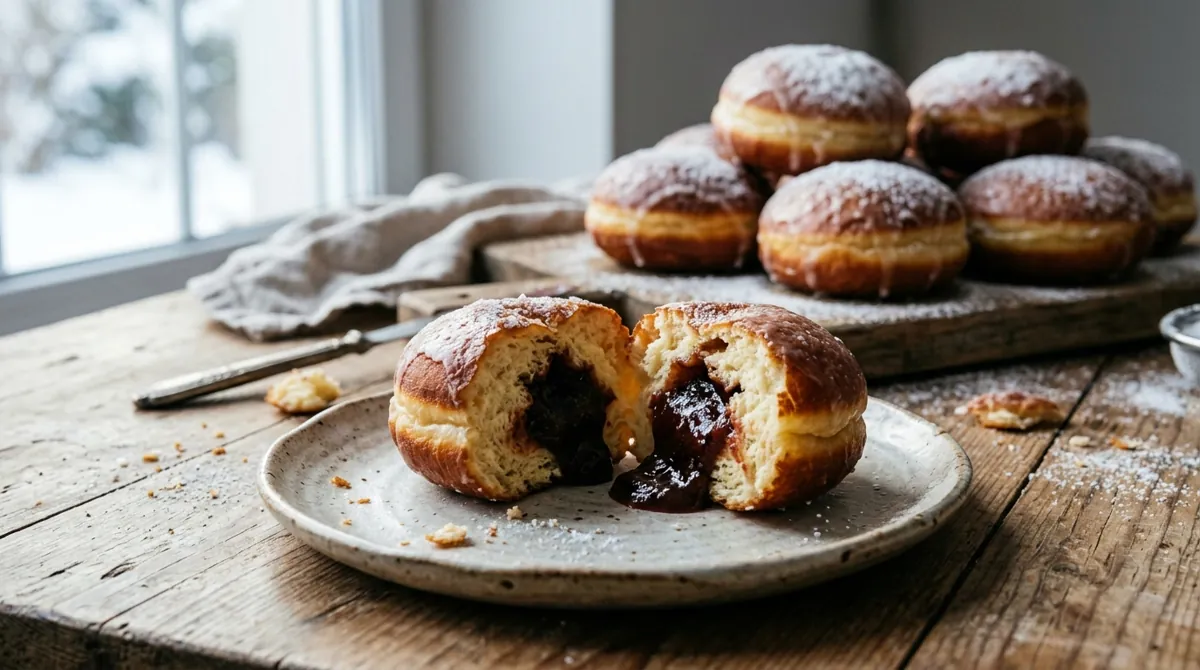
Polish Pączki (Fat Thursday Doughnuts)
Extra-rich jelly doughnuts made with egg yolks, butter and vanilla, fried deep mahogany, tossed in powdered sugar and filled with plum, rose petal or raspberry jam for Fat Thursday.
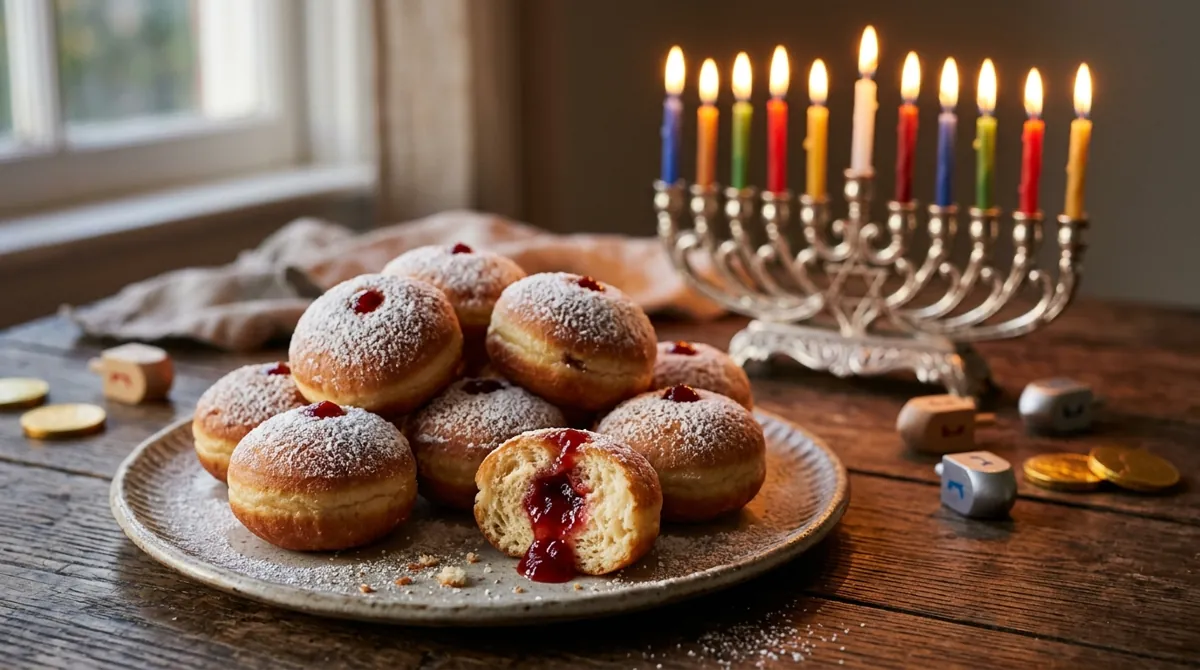
Israeli Sufganiyot (Hanukkah Jelly Doughnuts)
Small yeast doughnuts scented with cinnamon, fried hot and fast for Hanukkah, filled with a spoonful of berry or plum preserves and rolled in sugar, from Joan Nathan's 1979 holiday cookbook.
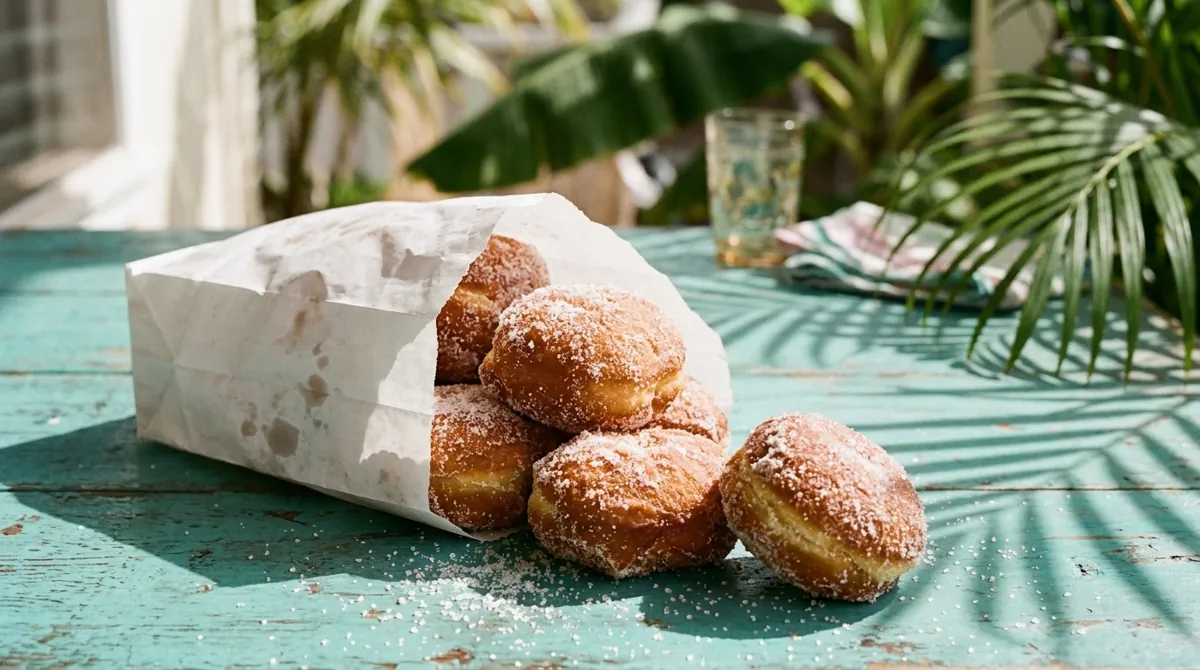
Portuguese Malasadas (and Hawaii's Malasada Day)
Hole-less yeast doughnuts made with bread flour, milk and eggs, patted into disks, fried golden and tossed in sugar while hot: the Portuguese Shrove Tuesday treat that became Hawaii's Malasada Day.
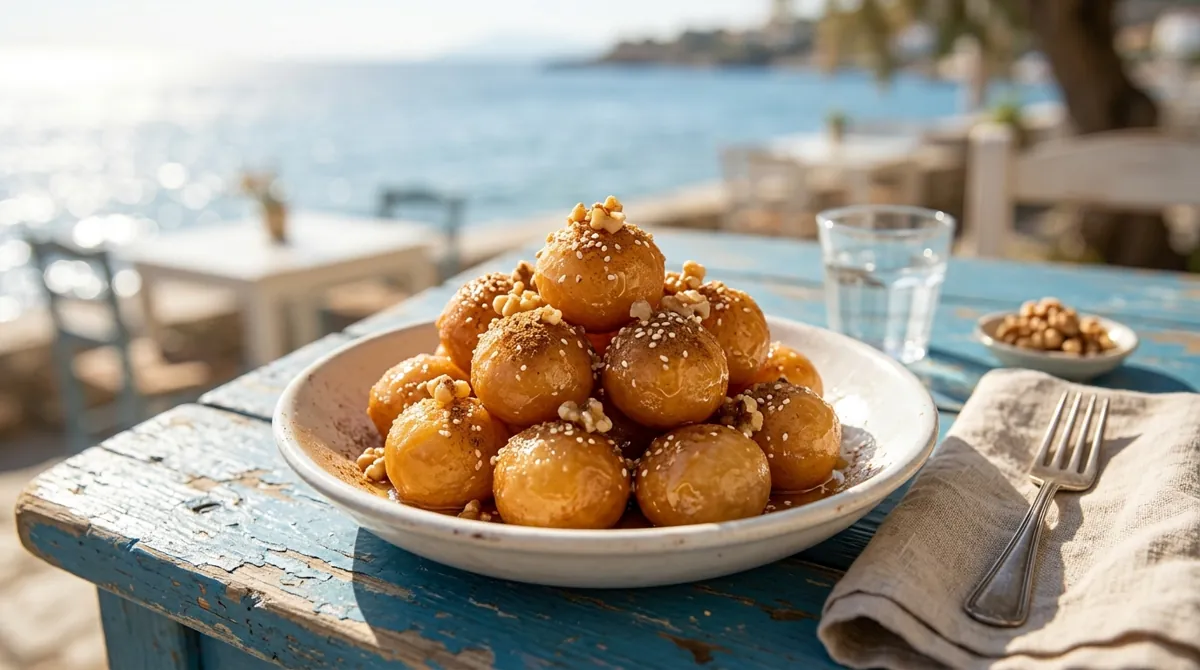
Greek Loukoumades (Honey Doughnut Puffs)
Spoonfuls of a bubbly yeast batter fried into crisp golden puffs, dropped into cold honey syrup and showered with walnuts, cinnamon and sesame, Greece's favorite street-food sweet.
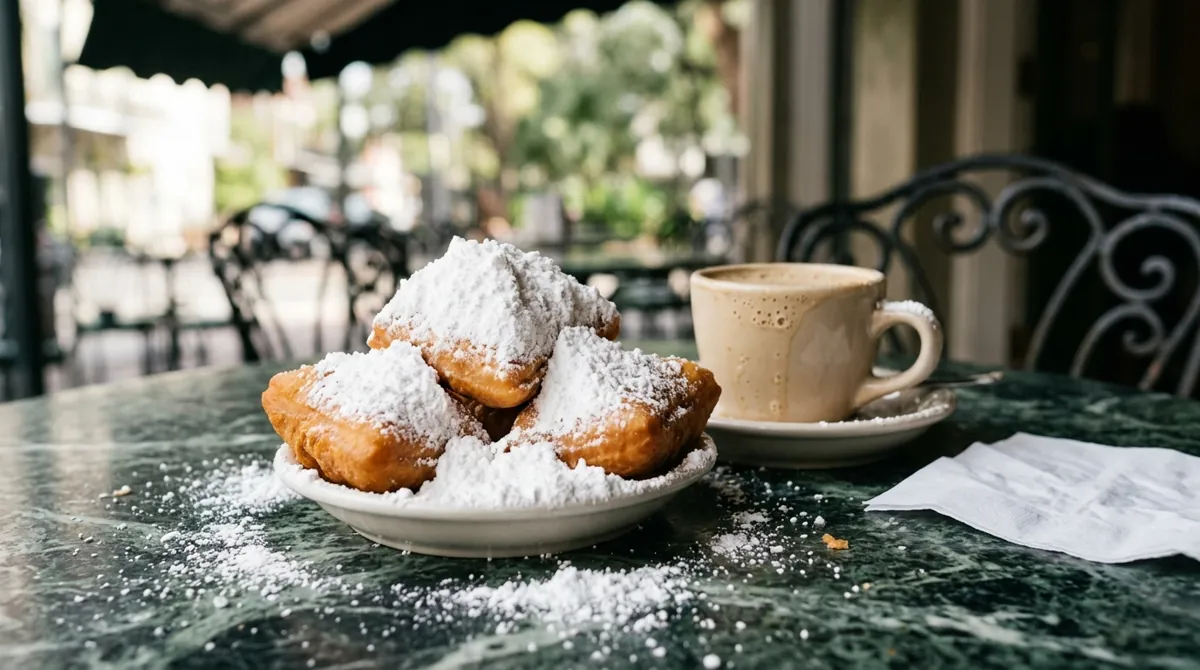
New Orleans Beignets
Squares of a very wet, eggy yeast dough fried until they balloon, then buried in powdered sugar, the French Quarter coffee-stand doughnut, made at home.
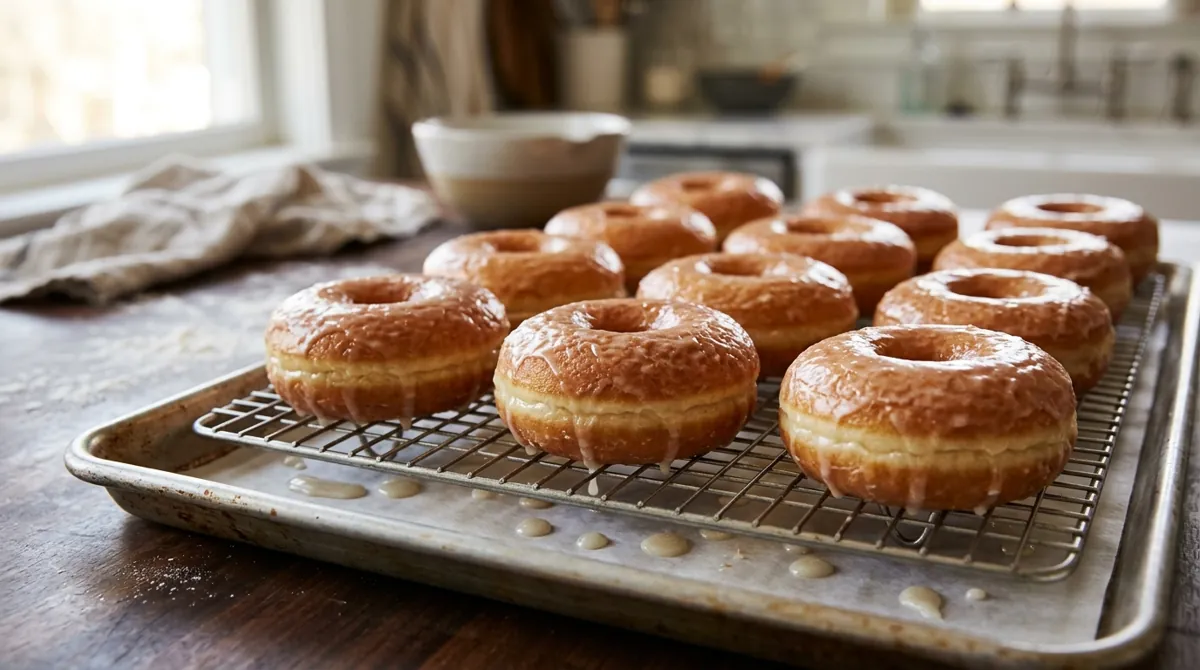
Classic Yeast-Raised Glazed Doughnuts
Tall, airy ring doughnuts from a buttery dough that rests overnight in the fridge, proofed in a steamy oven, fried golden and dipped in a sheer vanilla glaze that sets matte and crackly.
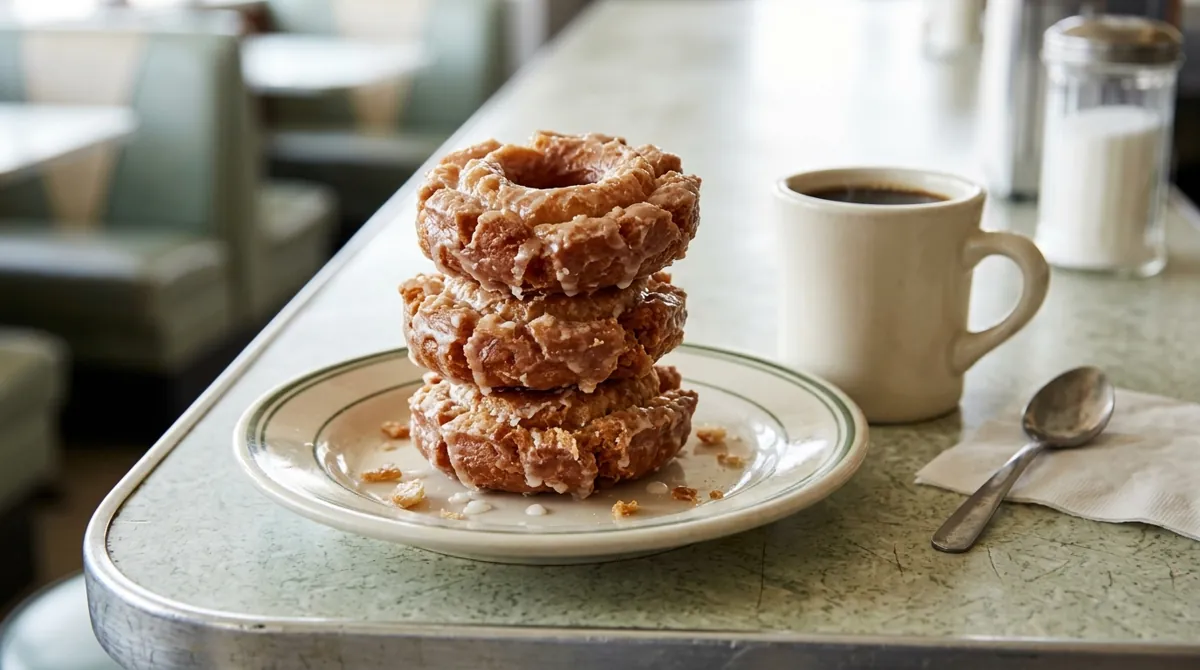
Old-Fashioned Sour Cream Doughnuts
Tangy sour cream and buttermilk cake doughnuts, chilled, cut and fried until craggy and crisp at the edges, then dipped in a thin vanilla glaze that settles into every crack.
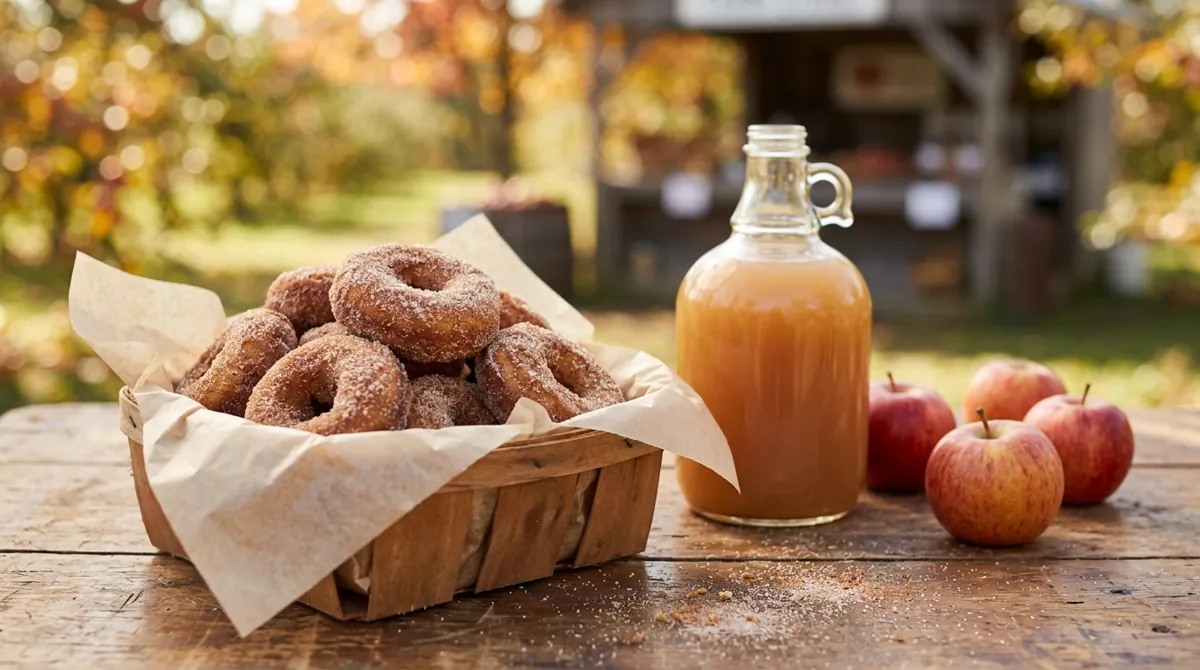
Apple Cider Doughnuts
Tender cake doughnuts flavored with apple, buttermilk, cinnamon and nutmeg, fried in two minutes and tossed in cinnamon sugar, the fall orchard and cider-mill classic made at home.
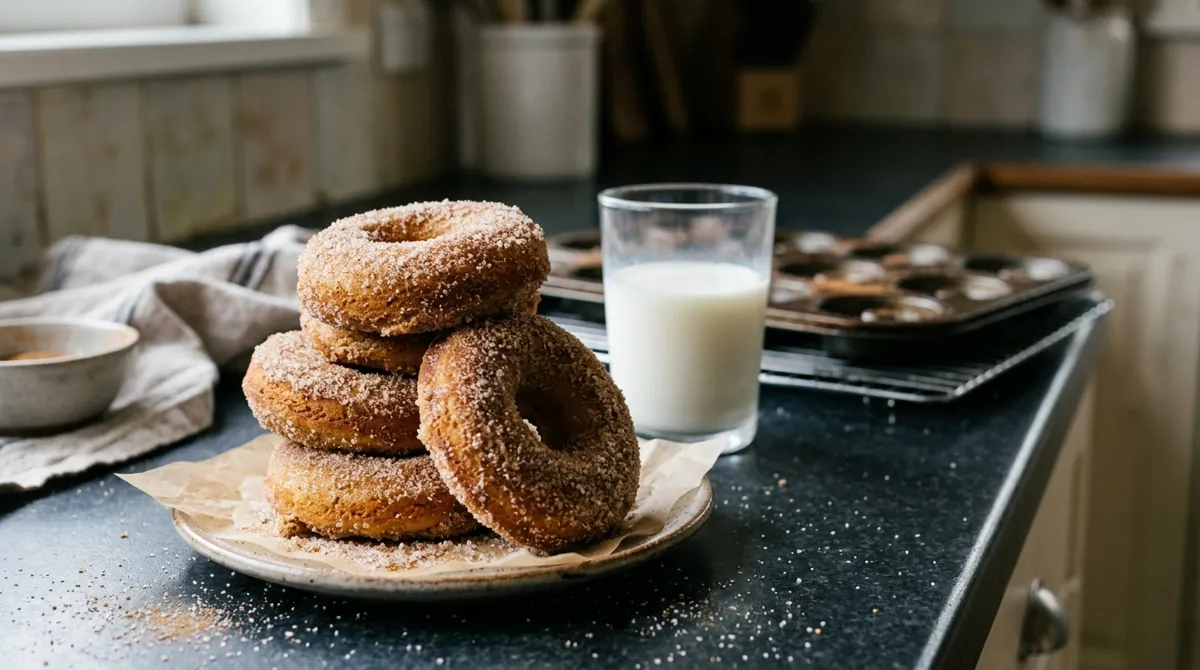
Baked Weeknight Doughnuts (Cinnamon Sugar)
Tender nutmeg cake doughnuts baked in a doughnut pan in 10 minutes and shaken in cinnamon sugar while warm: no yeast, no frying, about half an hour start to finish.
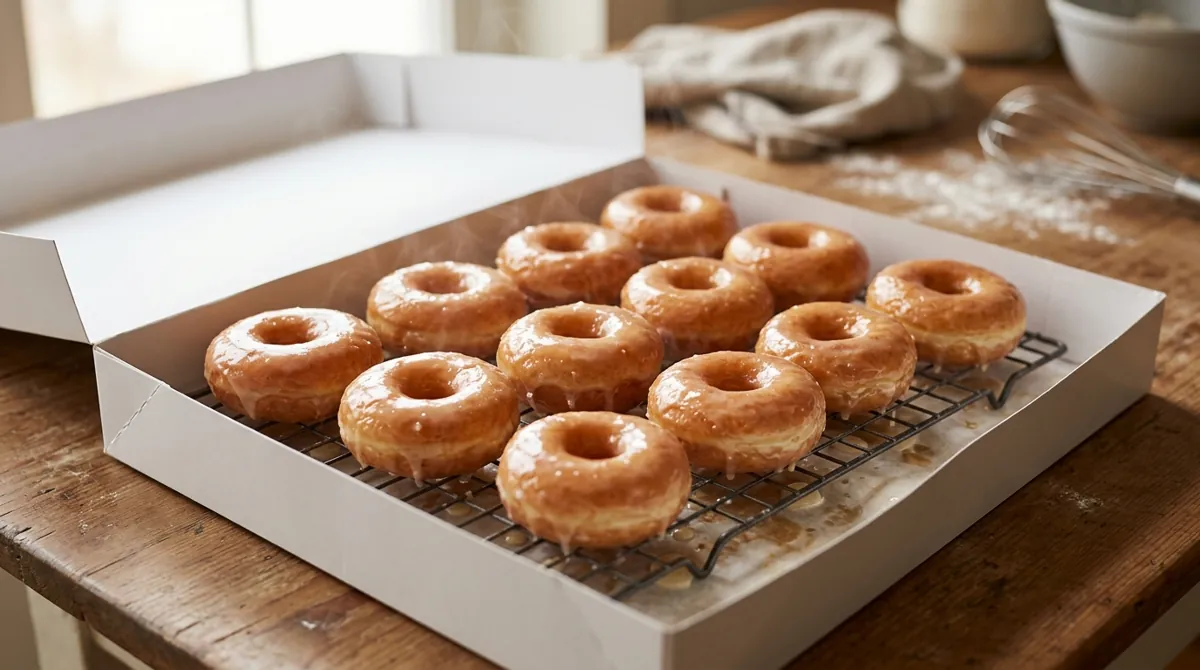
Hot Glazed Doughnuts, Inspired by Krispy Kreme
Light, fluffy yeast rings made with shortening, fried in shortening and dipped while warm in a thin, warm glaze of powdered sugar, milk and corn syrup, a home take on the famous hot glazed doughnut. Inspired by, not official.
Meatballs of the World

Italian-American Meatballs
Big, tender meatballs braised for an hour in red sauce over spaghetti. The one most Americans grew up with.

Pallottine (Abruzzo Meatballs)
Tiny meatballs, smaller than a marble, tossed right through square spaghetti alla chitarra. No bread at all.

Swedish Meatballs (Köttbullar)
Small, soft meatballs browned in butter, in a cream sauce made from the same pan, with lingonberry jam on the plate.

Danish Frikadeller
Pork meatballs shaped with a spoon and fried slowly in butter, crusty outside and soft in the middle.

Königsberger Klopse
German meatballs that are never fried: poached, then served in a creamy white sauce with capers.

Spanish Albóndigas in Almond Saffron Sauce
The tapas bar classic: small meatballs in a golden sauce thickened with fried almonds and bread.

Mexican Albóndigas with Chipotle and Mint
Soft meatballs with rice and fresh mint inside, simmered in a smoky tomato and chipotle broth.

Izgara Köfte (Turkish Grilled Meatballs)
Small, flat meatballs kneaded hard, rested cold, and charred on a hot grill pan.

Lion's Head Meatballs
Big, soft pork meatballs, stirred into a sticky paste, fried to set, then braised in a savory sauce.

Chicken Tsukune
Japan's chicken meatball: kneaded sticky, grilled on skewers, glazed with sweet soy tare, dipped in egg yolk.