
Classic Yeast-Raised Glazed Doughnuts
Tall, airy ring doughnuts from a buttery dough that rests overnight in the fridge, proofed in a steamy oven, fried golden and dipped in a sheer vanilla glaze that sets matte and crackly.
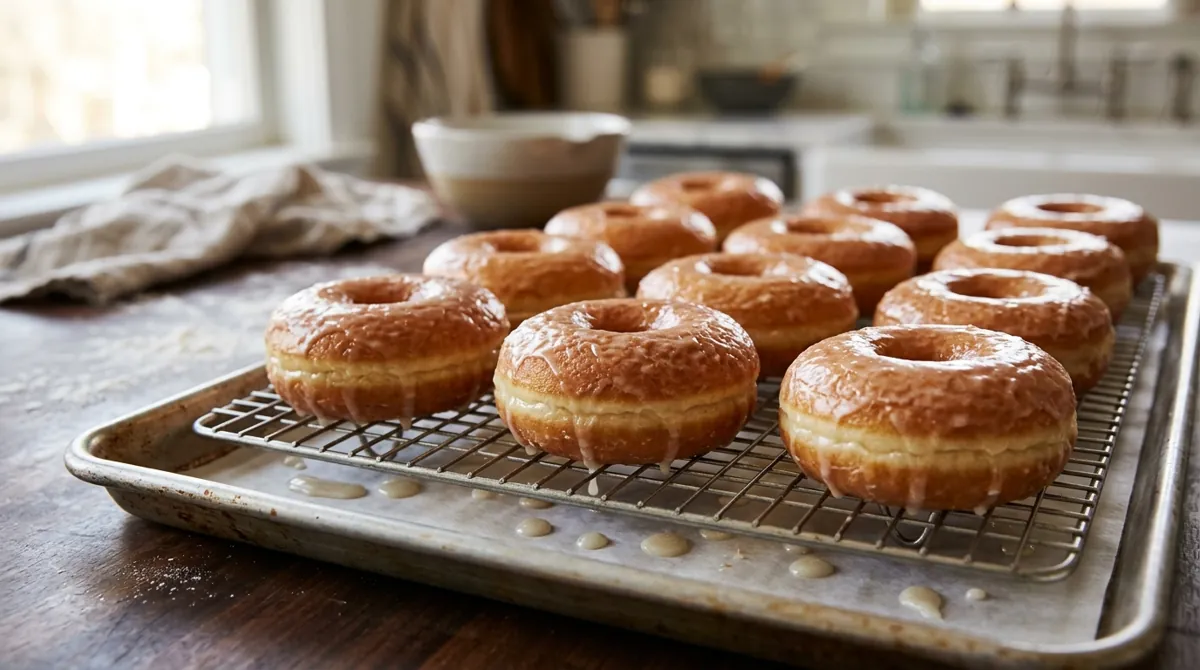
The American ring doughnut has a famous origin story: Wikipedia says Hanson Gregory claimed he invented the hole in 1847, at 16, aboard a lime-trading ship, punching out the doughy middle with the ship's tin pepper box because he disliked raw centers, and that Smithsonian Magazine credits his mother, Elizabeth Gregory, with a spiced fried dough she sent with him. Other historians doubt it; the hole is DISPUTED (see Rules). The doughnut's place in American life was sealed by World War I: the Salvation Army sent volunteer women to France who fried doughnuts for American soldiers, and in 1938 the Salvation Army's Chicago branch made the first Friday in June National Doughnut Day to honor these "Doughnut Lassies" and raise money during the Depression (NPR, June 7, 2013:). The spelling "donut" first appears in print in 1900, and Wikipedia says John T. Edge credits a doughnut-machine company with popularizing it in the 1920s.
🇺🇸 This one is American
Tall, airy ring doughnuts from a buttery dough that rests overnight in the fridge, proofed in a steamy oven, fried golden and dipped in a sheer vanilla glaze that sets matte and crackly.
🇳🇱 The original
The ancestor is Dutch: oliebollen, balls of yeast dough studded with currants and raisins, fried in oil and dusted with powdered sugar, which settlers brought to New Amsterdam as olykoeks. See the Dutch Oliebollen (New Year's Eve Doughnuts) recipe.
🗳️ Glazed or old-fashioned? Vote: Glazed vs Old-fashioned →
📖 What's wrong with this picture?: Are Beignets Doughnuts? What the French Word Really Means → 📖 Origin story: What Are Sufganiyot? Why Jelly Doughnuts Mean Hanukkah →
Why it works the kitchen science
Cold overnight dough
A long, cold rest builds flavor, and the chilled, firm dough is much easier to roll and cut cleanly in the morning (ATK).
A steam proof
The pan of boiling water in a closed oven makes a warm, humid box, so the doughnuts rise fast without drying or forming a skin (ATK).
Step by step
- Step 1
Day one: stir the flour, sugar and yeast in a stand mixer bowl; add the milk and egg and stir until moistened. Mix with the dough hook on medium-low about 2 minutes, then cover and rest 20 minutes.
- Step 2
Add the salt and mix on medium-low 5 to 7 minutes, until smooth and elastic. With the mixer running, add the butter a few pieces at a time, then mix 7 to 13 minutes more, until fully absorbed. Shape into a ball in a greased bowl, cover, leave 1 hour at room temperature, then refrigerate overnight (up to 48 hours).
- Step 3
Day two: put a loaf pan on the lowest oven rack. Press the cold dough into an 8-inch square, then roll it into a 10 by 13-inch rectangle, 1/2 inch thick. Cut 12 rounds with a floured 3-inch cutter and the centers with a 1-inch cutter. Set them on a greased, parchment-lined sheet on the middle rack.
- Step 4
Pour 1 cup of boiling water into the loaf pan, close the oven (off) and proof 45 to 60 minutes, until the doughnuts are 50 percent taller and spring back very slowly when pressed with a knuckle. Whisk the glaze ingredients smooth.
- Step 5
About 20 minutes before they are ready, heat 1 1/2 inches of oil in a large Dutch oven over medium-low to 360°F. Fry 4 doughnuts 1 to 1 1/2 minutes per side, until golden, holding the oil between 350°F and 365°F. Drain on a paper-towel-lined rack; return the oil to 360°F between batches. Fry the holes together about 2 minutes, stirring.
- Step 6
Cool at least 5 minutes. Dip each doughnut and hole in the glaze on both sides, let the excess drip off and set them on a rack.
- Step 7
Let stand 15 to 30 minutes, until the glaze is matte and dry to the touch.
Classic Yeast-Raised Glazed Doughnuts
Serves 12 (one doughnut and one hole each) · 12 doughnuts and 12 doughnut holes · 13 hr 10 min total
Dough
- 4 1/2 cups (638 g) all-purpose flour
- 1/2 cup (99 g) sugar
- 1 tsp instant or rapid-rise yeast
- 1 1/2 cups milk
- 1 large egg
- 1 1/2 tsp table salt
- 8 tbsp (114 g) unsalted butter, cut into 1/2-inch pieces and softened
Frying
- 2 quarts vegetable oil
Glaze
- 3 1/4 cups (369 g) confectioners' sugar
- 1/2 cup hot water
- Pinch of table salt
Method
- Day one: stir the flour, sugar and yeast in a stand mixer bowl; add the milk and egg and stir until moistened. Mix with the dough hook on medium-low about 2 minutes, then cover and rest 20 minutes.
- Add the salt and mix on medium-low 5 to 7 minutes, until smooth and elastic. With the mixer running, add the butter a few pieces at a time, then mix 7 to 13 minutes more, until fully absorbed. Shape into a ball in a greased bowl, cover, leave 1 hour at room temperature, then refrigerate overnight (up to 48 hours).
- Day two: put a loaf pan on the lowest oven rack. Press the cold dough into an 8-inch square, then roll it into a 10 by 13-inch rectangle, 1/2 inch thick. Cut 12 rounds with a floured 3-inch cutter and the centers with a 1-inch cutter. Set them on a greased, parchment-lined sheet on the middle rack.
- Pour 1 cup of boiling water into the loaf pan, close the oven (off) and proof 45 to 60 minutes, until the doughnuts are 50 percent taller and spring back very slowly when pressed with a knuckle. Whisk the glaze ingredients smooth.
- About 20 minutes before they are ready, heat 1 1/2 inches of oil in a large Dutch oven over medium-low to 360°F. Fry 4 doughnuts 1 to 1 1/2 minutes per side, until golden, holding the oil between 350°F and 365°F. Drain on a paper-towel-lined rack; return the oil to 360°F between batches. Fry the holes together about 2 minutes, stirring.
- Cool at least 5 minutes. Dip each doughnut and hole in the glaze on both sides, let the excess drip off and set them on a rack.
- Let stand 15 to 30 minutes, until the glaze is matte and dry to the touch.
Adapted from America's Test Kitchen (Cook's Illustrated), "Yeasted Doughnuts" by Annie Petito (March 10, 2020), as written for 12. The share of glaze and oil that ends up on the doughnuts is our estimate. America's Test Kitchen. Ingredient list follows the source; the method is in our own words.
All sources (3)
Tips
- The knuckle test matters more than the clock: underproofed doughnuts are dense; overproofed ones collapse in the oil.
- Slide each doughnut in with both hands, close to the oil, so it does not deflate.
- ATK offers raspberry and chocolate frosting versions of the same dough.
The rules people argue about
What the sources agree on, what they don't, and what is just a good story.
- Hanson Gregory invented the hole in 1847. Disputed: it is his own claim, honored by bakers (Wikipedia); food writer Michael Krondl suggests the shape came from ring-shaped jumble cookies, and Linda Civitello writes that the hole simply helped doughnuts cook faster (both via Wikipedia).
- Doughnut Lassies fried doughnuts in soldiers' helmets. Folklore: repeated in popular accounts; sources differ on the pans they used.
- National Doughnut Day honors the Salvation Army. Documented (NPR, 2013).
- "Donut" is a modern marketing spelling. Documented in part: it appears in print in 1900 and was rare until the 1950s; the machine-company story is John T. Edge's claim (Wikipedia).
Every other doughnut
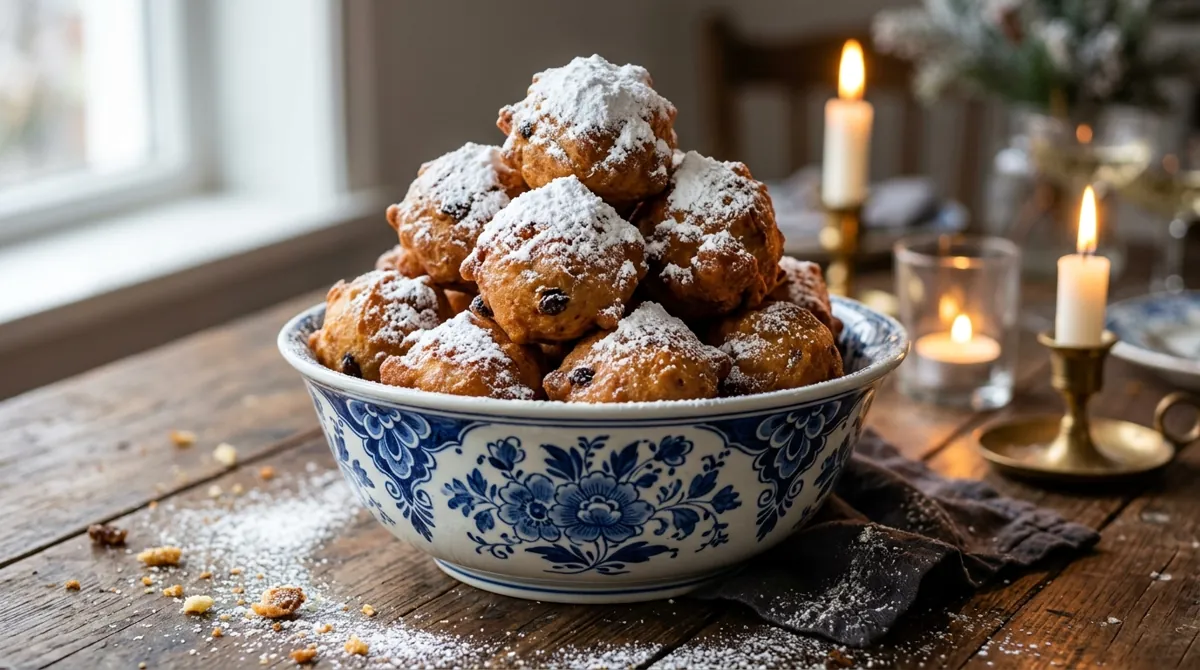
Dutch Oliebollen (New Year's Eve Doughnuts)
Scoops of soft yeast batter studded with raisins and currants, fried round and golden and buried in powdered sugar, the Dutch New Year's Eve treat and a cousin of the olykoeks the Dutch made in old New York.
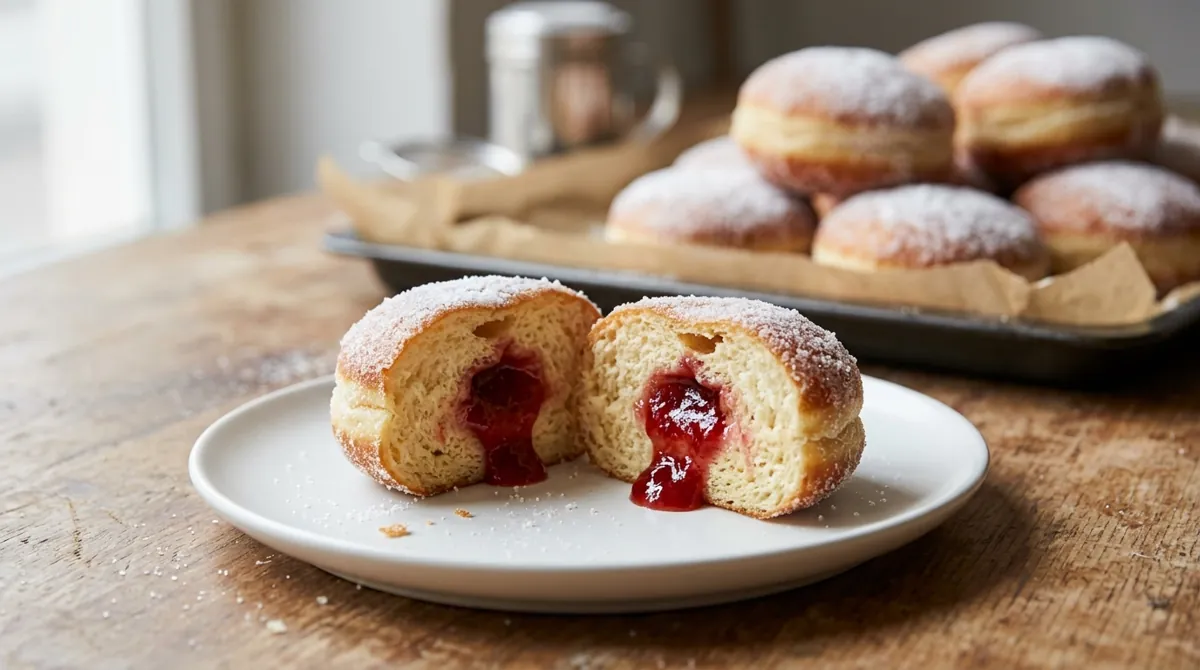
German Berliner (Jam-Filled Krapfen)
Soft balls of butter-and-egg yeast dough fried with their pale "collar", rolled in sugar and piped full of jam: the German jelly doughnut, called Berliner, Pfannkuchen, Krapfen or Kreppel depending on where you buy it.
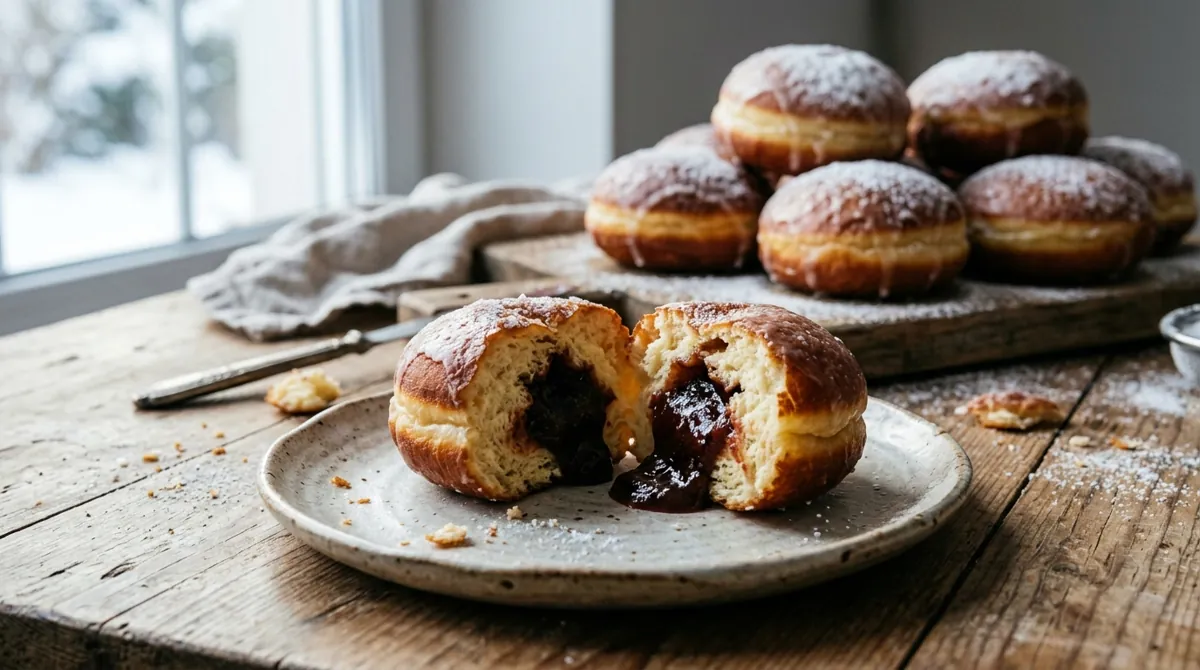
Polish Pączki (Fat Thursday Doughnuts)
Extra-rich jelly doughnuts made with egg yolks, butter and vanilla, fried deep mahogany, tossed in powdered sugar and filled with plum, rose petal or raspberry jam for Fat Thursday.
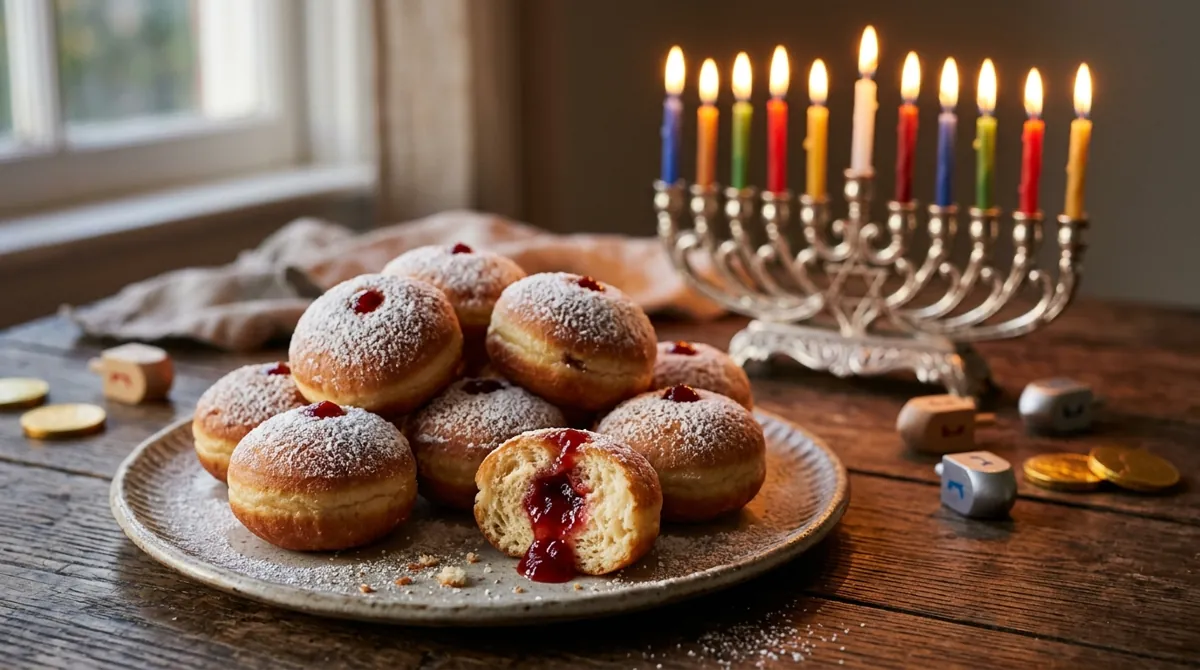
Israeli Sufganiyot (Hanukkah Jelly Doughnuts)
Small yeast doughnuts scented with cinnamon, fried hot and fast for Hanukkah, filled with a spoonful of berry or plum preserves and rolled in sugar, from Joan Nathan's 1979 holiday cookbook.
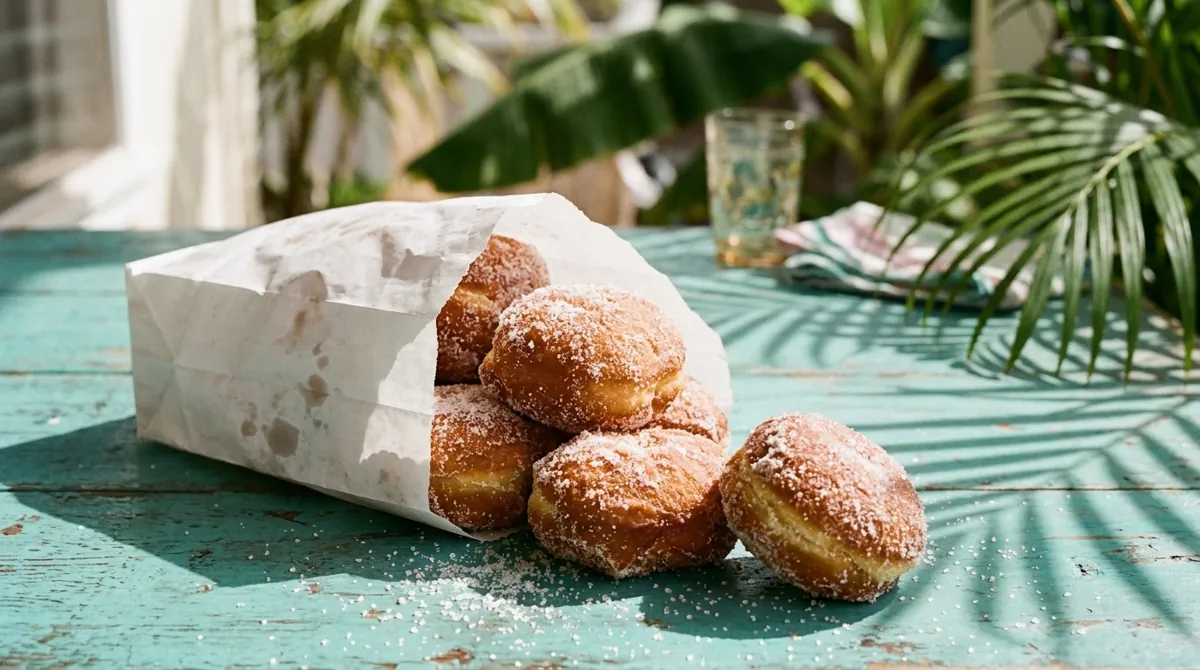
Portuguese Malasadas (and Hawaii's Malasada Day)
Hole-less yeast doughnuts made with bread flour, milk and eggs, patted into disks, fried golden and tossed in sugar while hot: the Portuguese Shrove Tuesday treat that became Hawaii's Malasada Day.
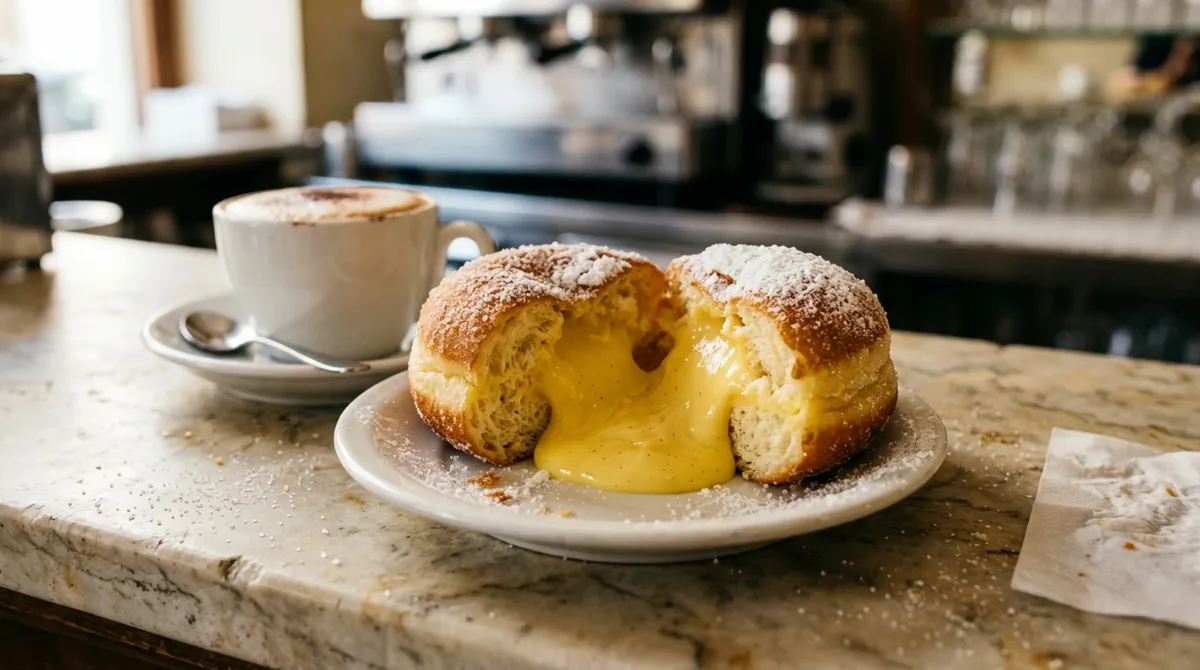
Tuscan Bomboloni alla Crema (Custard Doughnuts)
Big, cloud-soft Italian doughnuts made from a folded yeast dough, fried slow and pale gold, filled with lemon-and-vanilla pastry cream and dusted with powdered sugar, the way Tuscan bakeries and beach carts sell them.
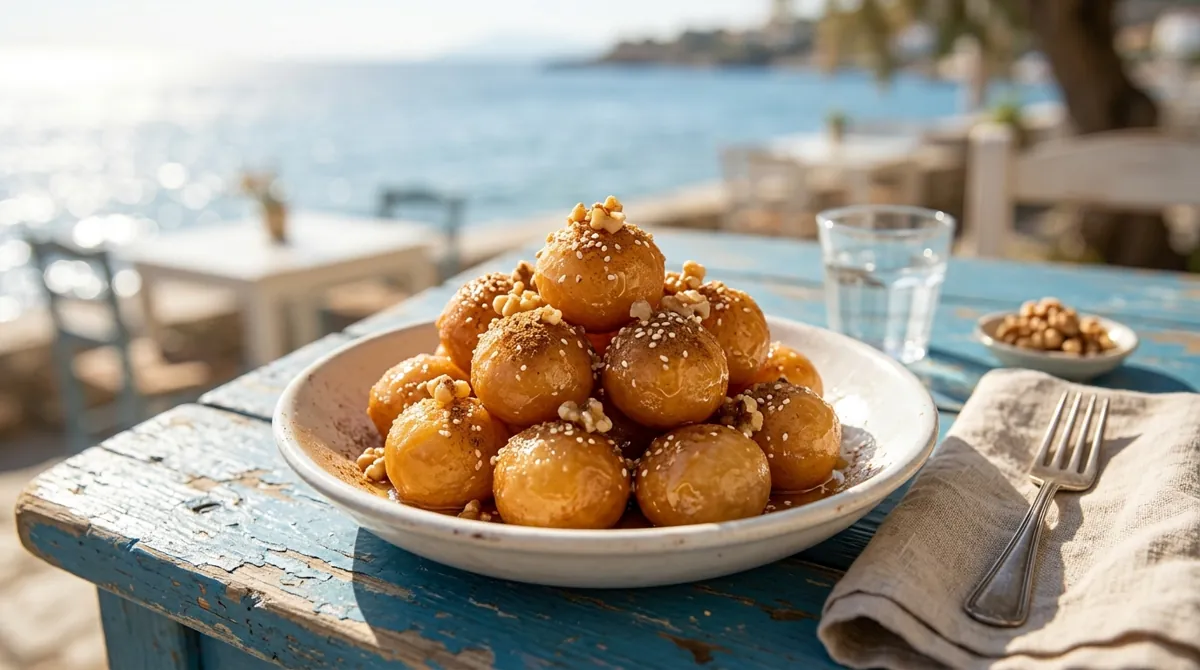
Greek Loukoumades (Honey Doughnut Puffs)
Spoonfuls of a bubbly yeast batter fried into crisp golden puffs, dropped into cold honey syrup and showered with walnuts, cinnamon and sesame, Greece's favorite street-food sweet.
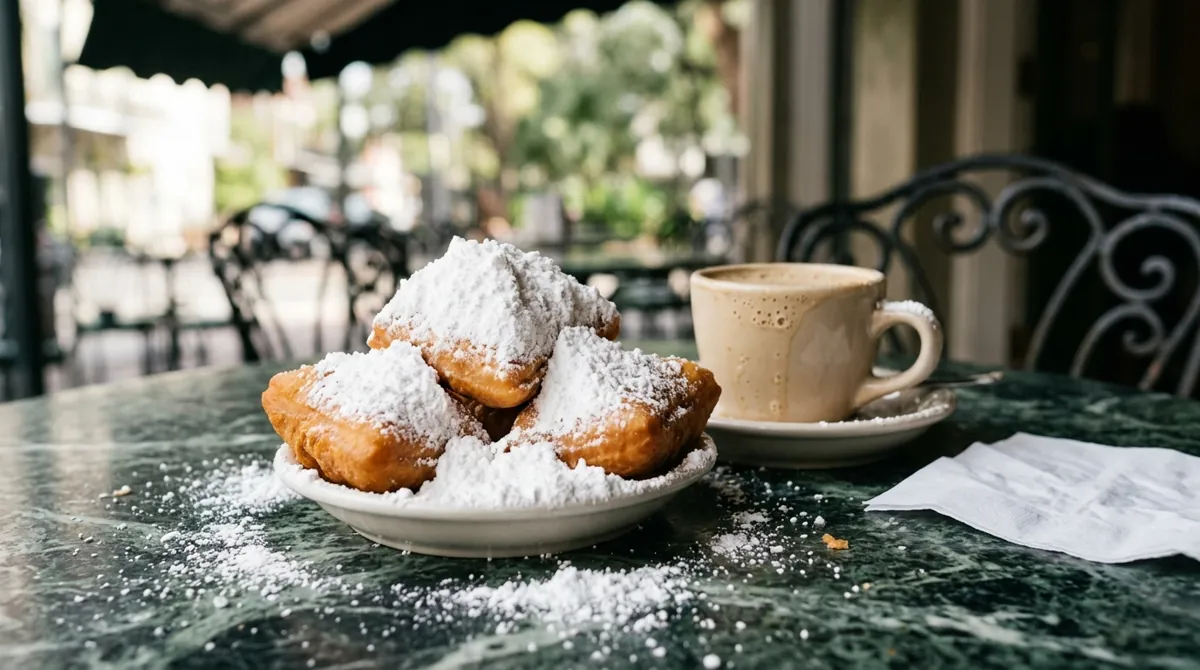
New Orleans Beignets
Squares of a very wet, eggy yeast dough fried until they balloon, then buried in powdered sugar, the French Quarter coffee-stand doughnut, made at home.
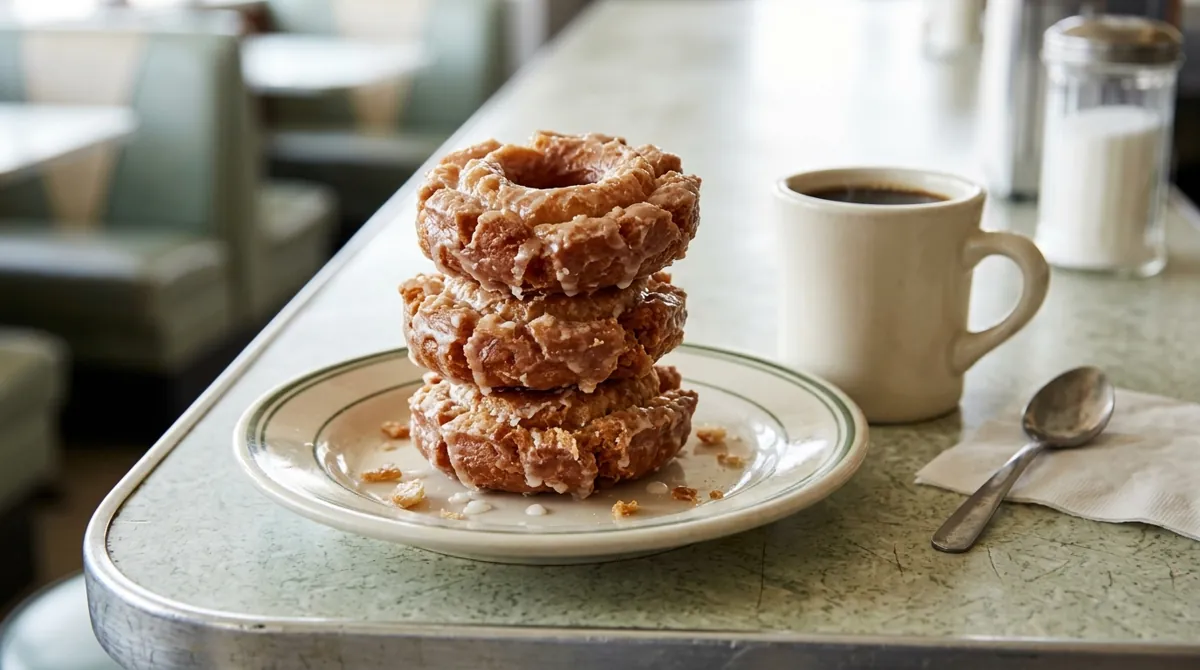
Old-Fashioned Sour Cream Doughnuts
Tangy sour cream and buttermilk cake doughnuts, chilled, cut and fried until craggy and crisp at the edges, then dipped in a thin vanilla glaze that settles into every crack.
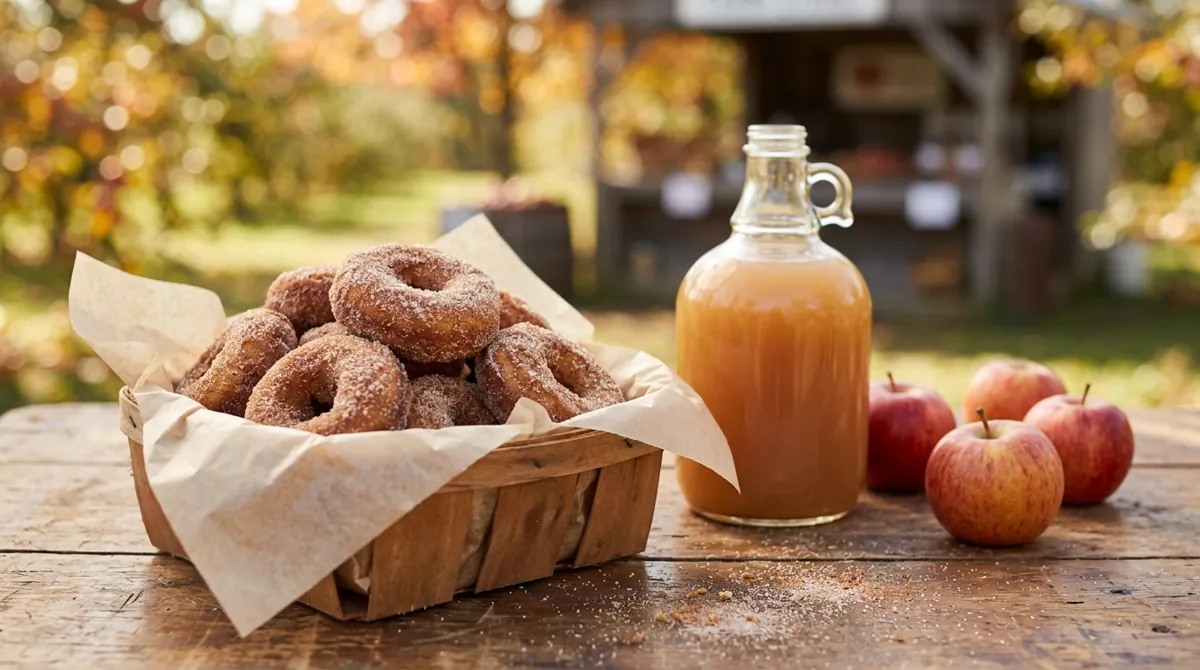
Apple Cider Doughnuts
Tender cake doughnuts flavored with apple, buttermilk, cinnamon and nutmeg, fried in two minutes and tossed in cinnamon sugar, the fall orchard and cider-mill classic made at home.
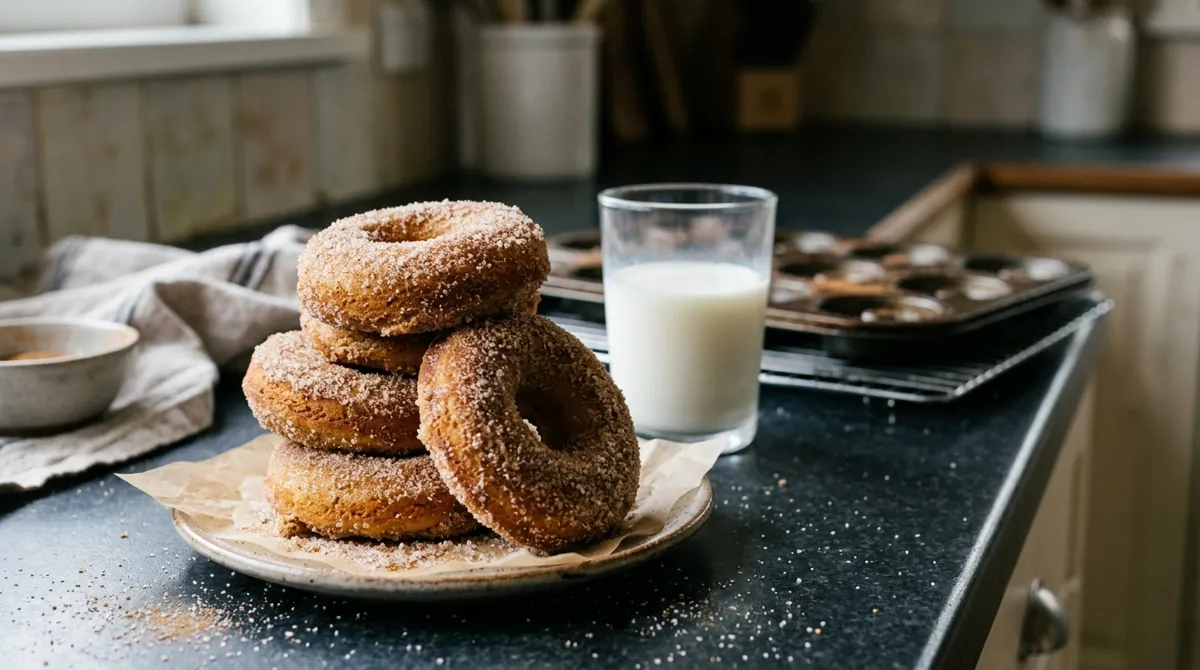
Baked Weeknight Doughnuts (Cinnamon Sugar)
Tender nutmeg cake doughnuts baked in a doughnut pan in 10 minutes and shaken in cinnamon sugar while warm: no yeast, no frying, about half an hour start to finish.
Hot Glazed Doughnuts, Inspired by Krispy Kreme
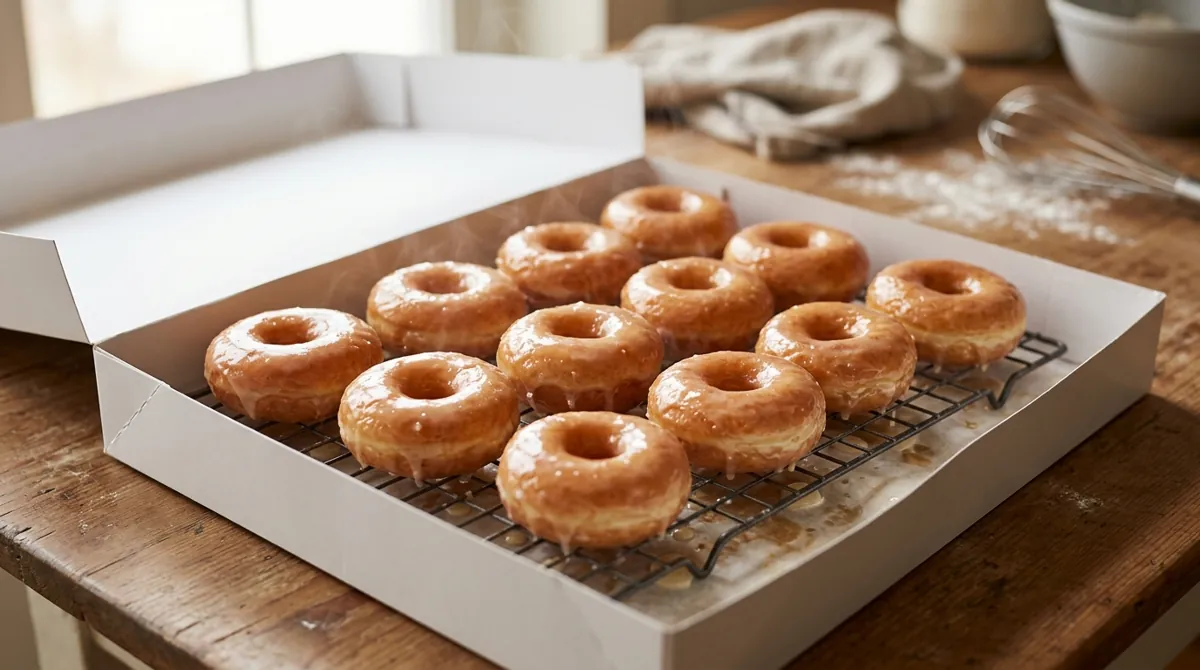
Light, fluffy yeast rings made with shortening, fried in shortening and dipped while warm in a thin, warm glaze of powdered sugar, milk and corn syrup, a home take on the famous hot glazed doughnut. Inspired by, not official.
Meatballs of the World

Italian-American Meatballs
Big, tender meatballs braised for an hour in red sauce over spaghetti. The one most Americans grew up with.

Pallottine (Abruzzo Meatballs)
Tiny meatballs, smaller than a marble, tossed right through square spaghetti alla chitarra. No bread at all.

Swedish Meatballs (Köttbullar)
Small, soft meatballs browned in butter, in a cream sauce made from the same pan, with lingonberry jam on the plate.

Danish Frikadeller
Pork meatballs shaped with a spoon and fried slowly in butter, crusty outside and soft in the middle.

Königsberger Klopse
German meatballs that are never fried: poached, then served in a creamy white sauce with capers.

Spanish Albóndigas in Almond Saffron Sauce
The tapas bar classic: small meatballs in a golden sauce thickened with fried almonds and bread.

Mexican Albóndigas with Chipotle and Mint
Soft meatballs with rice and fresh mint inside, simmered in a smoky tomato and chipotle broth.

Izgara Köfte (Turkish Grilled Meatballs)
Small, flat meatballs kneaded hard, rested cold, and charred on a hot grill pan.

Lion's Head Meatballs
Big, soft pork meatballs, stirred into a sticky paste, fried to set, then braised in a savory sauce.

Chicken Tsukune
Japan's chicken meatball: kneaded sticky, grilled on skewers, glazed with sweet soy tare, dipped in egg yolk.