
Portuguese Malasadas (and Hawaii's Malasada Day)
Hole-less yeast doughnuts made with bread flour, milk and eggs, patted into disks, fried golden and tossed in sugar while hot: the Portuguese Shrove Tuesday treat that became Hawaii's Malasada Day.
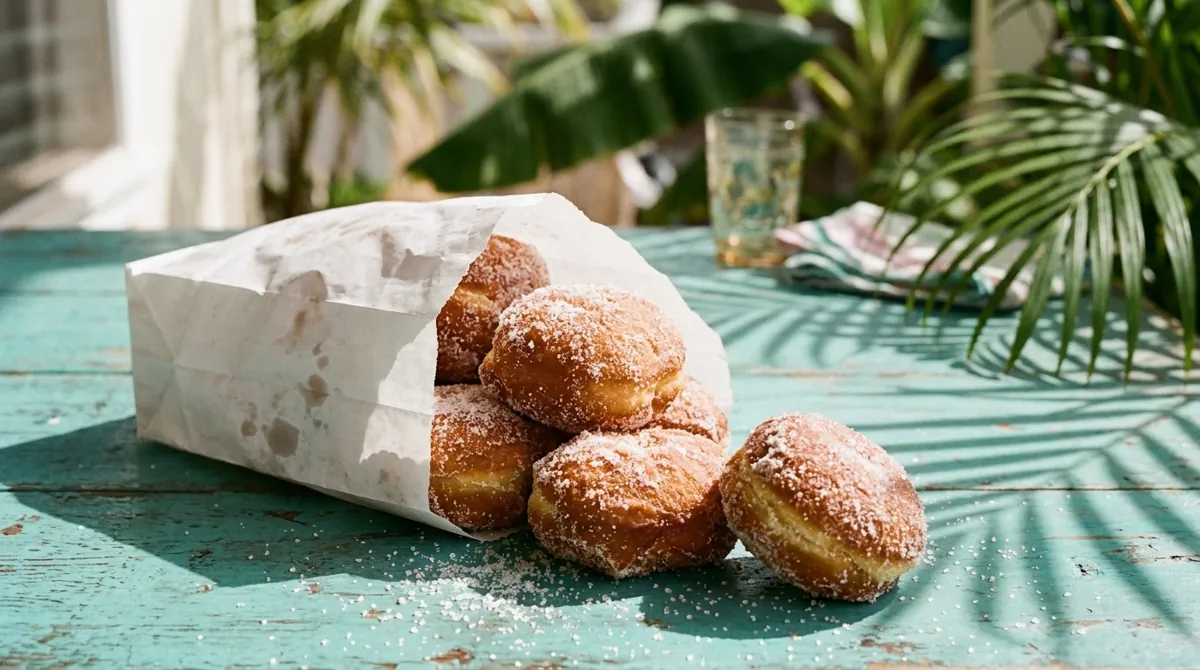
Malasadas are Portuguese fried doughnuts without a hole. Wikipedia describes them as a Madeiran sweet, probably descended from the filhós of mainland Portugal and the 16th-century sugar industry, once made in convents to use up lard and sugar before Lent; it spread across the Atlantic islands to Brazil. Portuguese laborers from Madeira and the Azores came to Hawaii's sugar plantations from the 1870s. Leonard's Bakery tells its own family's version: in June 1882 the ship Monarch brought Arsenio and Amelia DoRego from São Miguel in the Azores to Maui to work the cane fields; their grandson Leonard worked at Snowflake Bakery in Honolulu and opened Leonard's Bakery in 1952; soon after, his mother suggested making malasadas for Shrove Tuesday, a Portuguese tradition, and although the bakers worried they were "too ethnic," they were a hit. HAWAIʻI Magazine says Leonard's helped popularize them and that in Hawaii Mardi Gras is often called Malasada Day (Grace Maeda, February 16, 2026:). Portuguese communities in Fall River and New Bedford, Massachusetts, fry them at their festivals too (Wikipedia).
📖 What's wrong with this picture?: Are Beignets Doughnuts? What the French Word Really Means →
Why it works the kitchen science
A sticky dough you never roll
Patting the wet dough into disks with oiled hands keeps all the gas in it, so the malasadas puff high and stay soft and chewy inside (ATK made the dough slightly firmer than traditional so home cooks can handle it).
Milk and butter
Whole milk adds sweetness and helps browning, and the butter gives the crust its rich, golden crunch (ATK).
Step by step
- Step 1
Whisk the flour, 1/4 cup sugar, yeast and salt in a stand mixer bowl. In another bowl whisk the milk, eggs and melted butter, then add them to the flour. Mix with the dough hook on low about 2 minutes, then knead on medium about 8 minutes, until smooth, shiny and sticky (it will not clear the bowl).
- Step 2
Scrape into a greased bowl, cover and let rise at room temperature 1 1/2 to 2 hours, until doubled.
- Step 3
Brush a rimmed baking sheet with 1 tbsp oil. Turn the dough onto it, press it down gently and divide into 12 pieces. With oiled hands, pat each into a disk 3 1/2 inches across and 3/8 inch thick.
- Step 4
Cover and let rise 30 to 45 minutes, until puffy.
- Step 5
Heat the 2 quarts of oil (about 1 1/2 inches deep) in a large Dutch oven to 350°F. Fry 4 disks at a time about 3 minutes, flipping halfway, until golden brown, keeping the oil between 325°F and 350°F.
- Step 6
Drain on a wire rack, then toss each one in the 1 cup of sugar while still hot. Return the oil to 350°F for each batch and serve right away.
Portuguese Malasadas (and Hawaii's Malasada Day)
Serves 12 (one malasada each) · 12 malasadas · 3 hr 15 min total
Dough
- 2 1/4 cups (350 g) bread flour
- 1/4 cup (50 g) sugar
- 2 1/4 tsp instant or rapid-rise yeast
- 1/2 tsp salt
- 3/4 cup whole milk
- 2 large eggs
- 2 tbsp unsalted butter, melted and cooled
Frying and finishing
- 1 tbsp vegetable oil, for the baking sheet, plus 2 quarts for frying
- 1 cup sugar, for coating
Method
- Whisk the flour, 1/4 cup sugar, yeast and salt in a stand mixer bowl. In another bowl whisk the milk, eggs and melted butter, then add them to the flour. Mix with the dough hook on low about 2 minutes, then knead on medium about 8 minutes, until smooth, shiny and sticky (it will not clear the bowl).
- Scrape into a greased bowl, cover and let rise at room temperature 1 1/2 to 2 hours, until doubled.
- Brush a rimmed baking sheet with 1 tbsp oil. Turn the dough onto it, press it down gently and divide into 12 pieces. With oiled hands, pat each into a disk 3 1/2 inches across and 3/8 inch thick.
- Cover and let rise 30 to 45 minutes, until puffy.
- Heat the 2 quarts of oil (about 1 1/2 inches deep) in a large Dutch oven to 350°F. Fry 4 disks at a time about 3 minutes, flipping halfway, until golden brown, keeping the oil between 325°F and 350°F.
- Drain on a wire rack, then toss each one in the 1 cup of sugar while still hot. Return the oil to 350°F for each batch and serve right away.
Adapted from America's Test Kitchen, "Malasadas" by Alli Berkey (April 22, 2018), as written for 12. Leonard's recipe is a family secret; this is a home version, not theirs. The clinging sugar is our estimate. America's Test Kitchen. Ingredient list follows the source; the method is in our own words.
Tips
- Hawaiian bakeries fill malasadas with Portuguese custard, coconut, chocolate, lilikoi (passion fruit), guava and more (Wikipedia); pipe in custard or jam through the side like a Berliner.
- Wikipedia notes that in Portugal they are often coated in sugar and cinnamon or served with molasses; add 1 tsp cinnamon to the coating sugar if you like.
- They are best within minutes of frying.
The rules people argue about
What the sources agree on, what they don't, and what is just a good story.
- Malasadas come from Madeira. Disputed: Wikipedia calls them a Madeiran doughnut, but Hawaii's best-known malasada family came from São Miguel in the Azores, and Hawaii's Portuguese settlers came from both islands.
- The name means "badly baked". Disputed: Wikipedia gives "mal" plus "assada" ("bad" and "roasted", for the shapeless dough) and a Madeiran food guide reads it as undercooked dough; neither is proven.
- Leonard's brought malasadas to Hawaii. Disputed: Leonard's says the appetite for malasadas in Hawaii was born there, but Portuguese families had been in Hawaii since the 1870s; HAWAIʻI Magazine says the bakery "helped popularize" them.
- Fat Tuesday is Malasada Day in Hawaii. Documented (HAWAIʻI Magazine; Wikipedia).
- A malasada has no hole. Documented (ATK; Wikipedia).
Every other doughnut
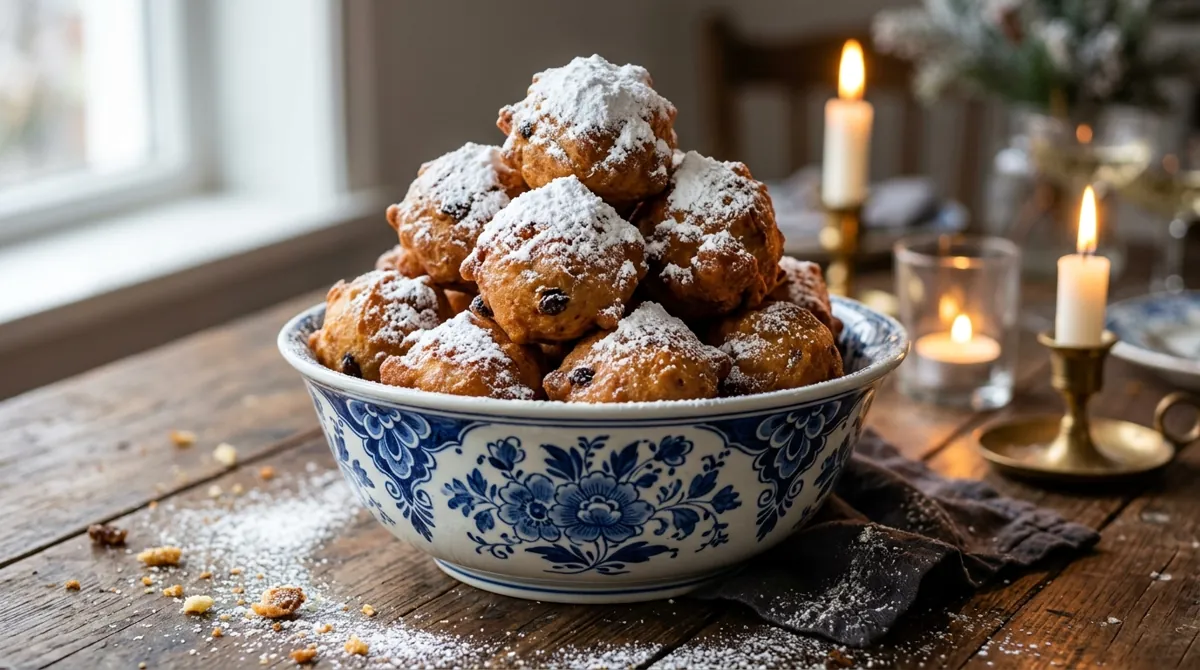
Dutch Oliebollen (New Year's Eve Doughnuts)
Scoops of soft yeast batter studded with raisins and currants, fried round and golden and buried in powdered sugar, the Dutch New Year's Eve treat and a cousin of the olykoeks the Dutch made in old New York.
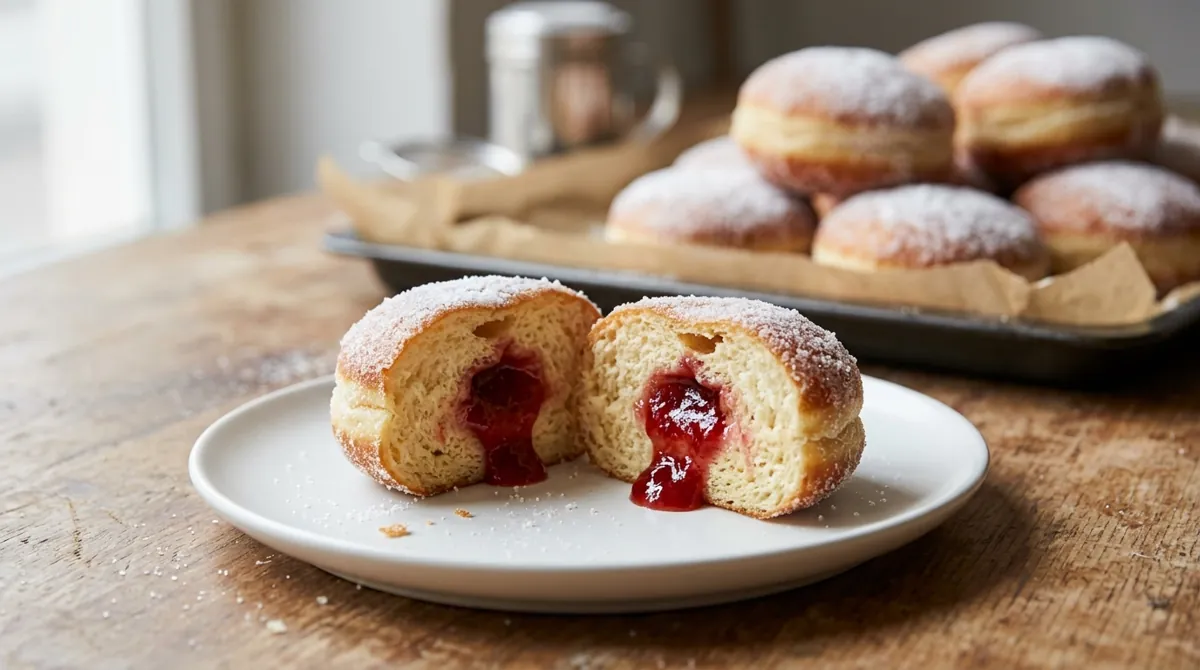
German Berliner (Jam-Filled Krapfen)
Soft balls of butter-and-egg yeast dough fried with their pale "collar", rolled in sugar and piped full of jam: the German jelly doughnut, called Berliner, Pfannkuchen, Krapfen or Kreppel depending on where you buy it.
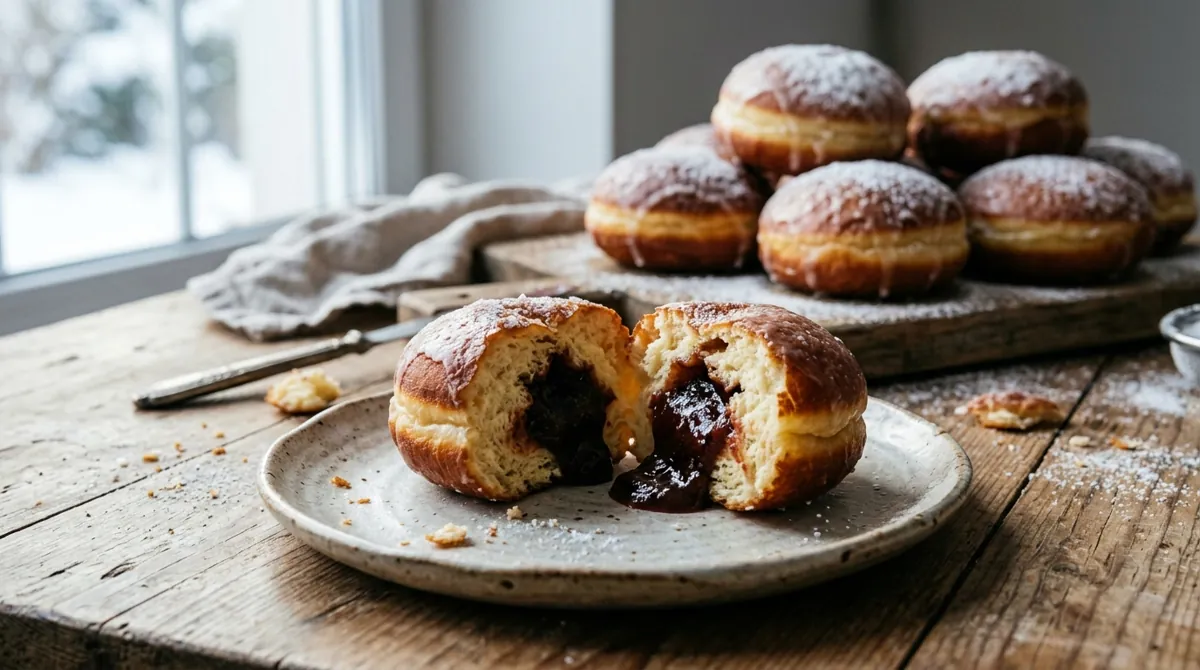
Polish Pączki (Fat Thursday Doughnuts)
Extra-rich jelly doughnuts made with egg yolks, butter and vanilla, fried deep mahogany, tossed in powdered sugar and filled with plum, rose petal or raspberry jam for Fat Thursday.
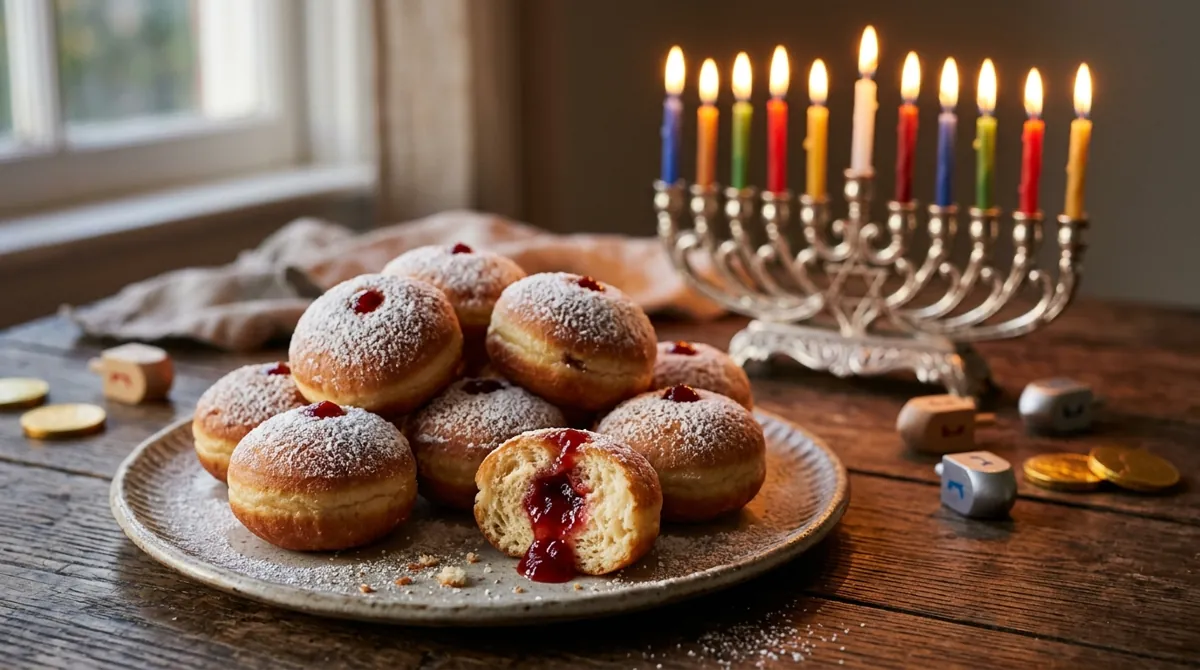
Israeli Sufganiyot (Hanukkah Jelly Doughnuts)
Small yeast doughnuts scented with cinnamon, fried hot and fast for Hanukkah, filled with a spoonful of berry or plum preserves and rolled in sugar, from Joan Nathan's 1979 holiday cookbook.
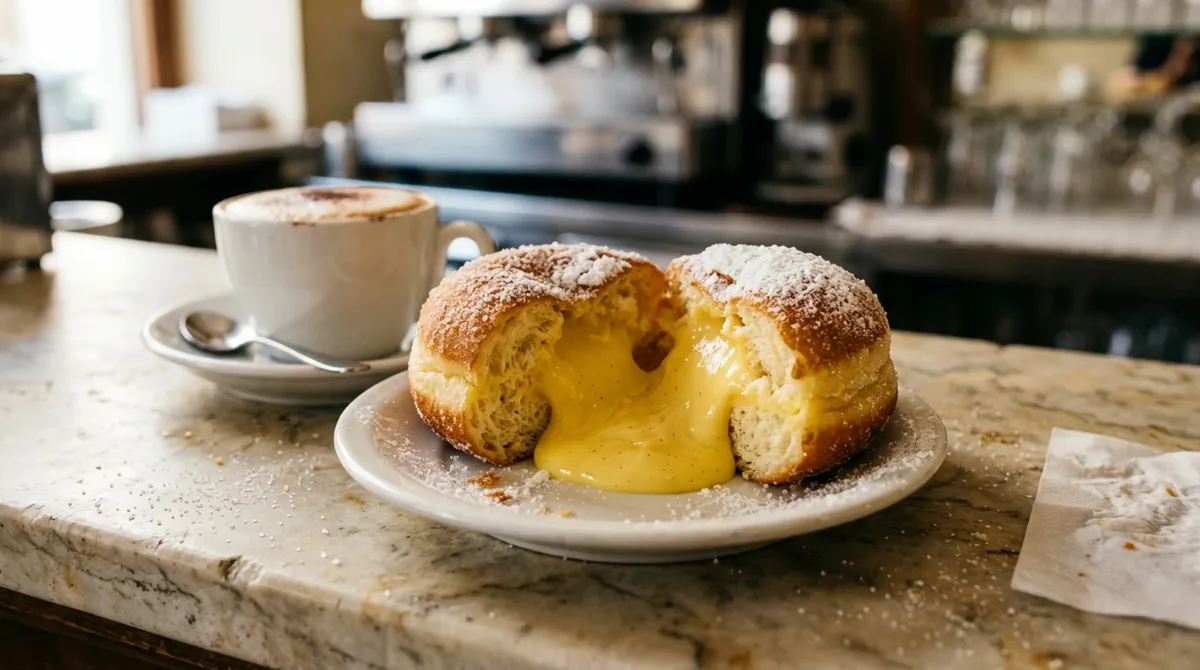
Tuscan Bomboloni alla Crema (Custard Doughnuts)
Big, cloud-soft Italian doughnuts made from a folded yeast dough, fried slow and pale gold, filled with lemon-and-vanilla pastry cream and dusted with powdered sugar, the way Tuscan bakeries and beach carts sell them.
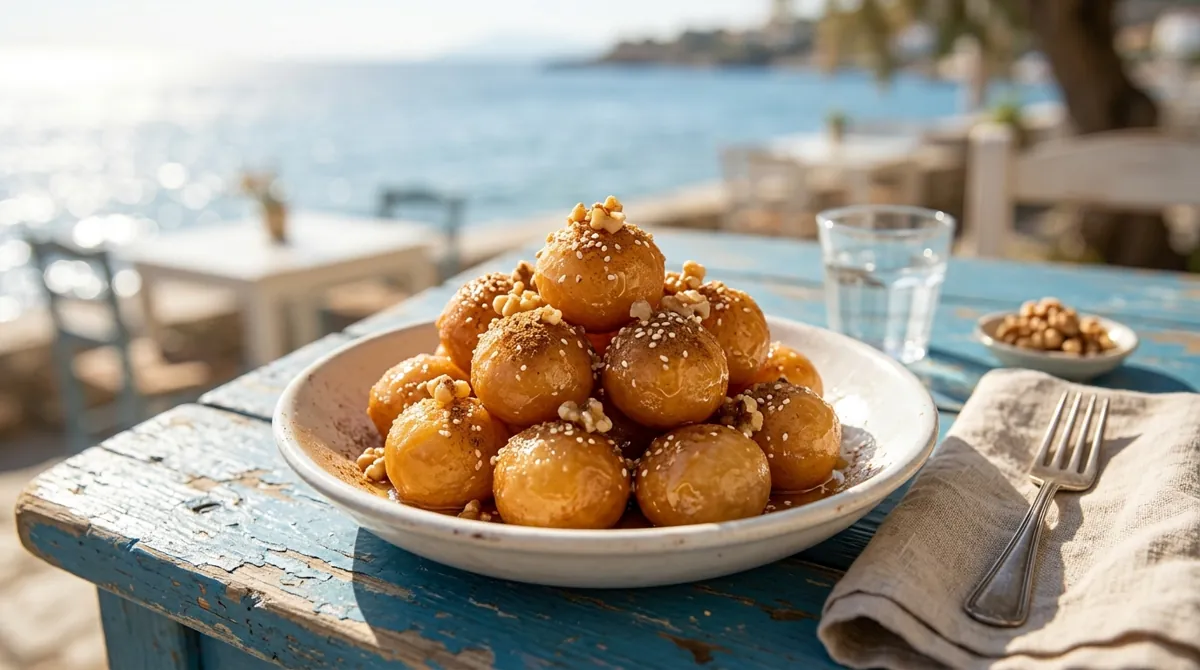
Greek Loukoumades (Honey Doughnut Puffs)
Spoonfuls of a bubbly yeast batter fried into crisp golden puffs, dropped into cold honey syrup and showered with walnuts, cinnamon and sesame, Greece's favorite street-food sweet.
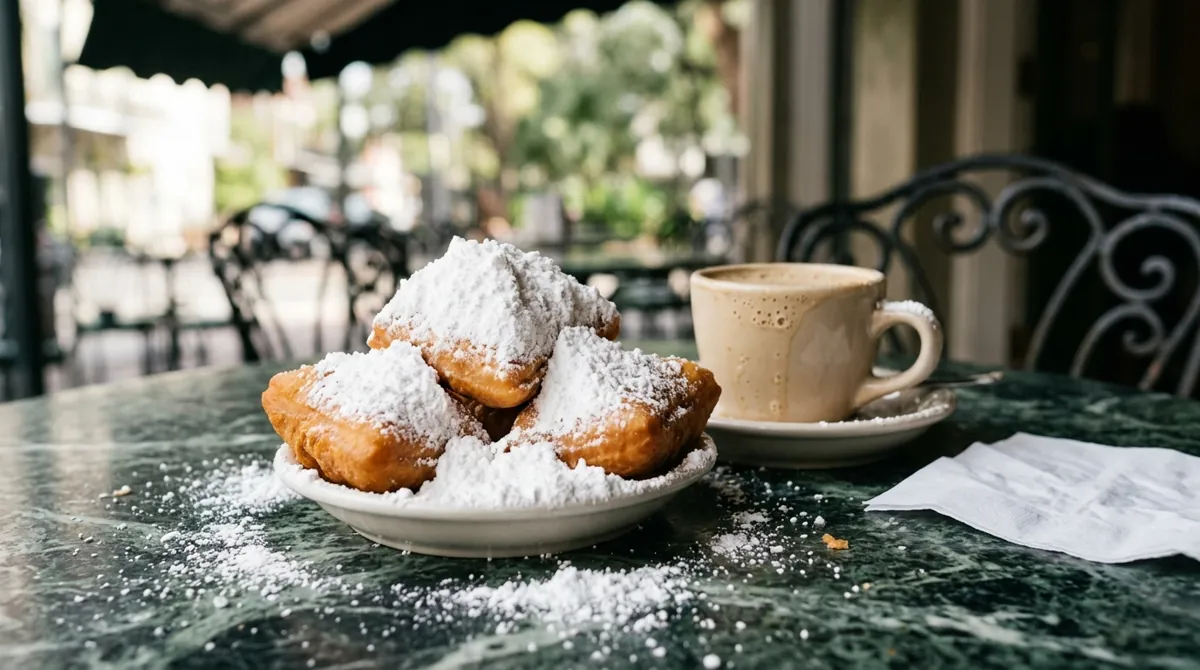
New Orleans Beignets
Squares of a very wet, eggy yeast dough fried until they balloon, then buried in powdered sugar, the French Quarter coffee-stand doughnut, made at home.
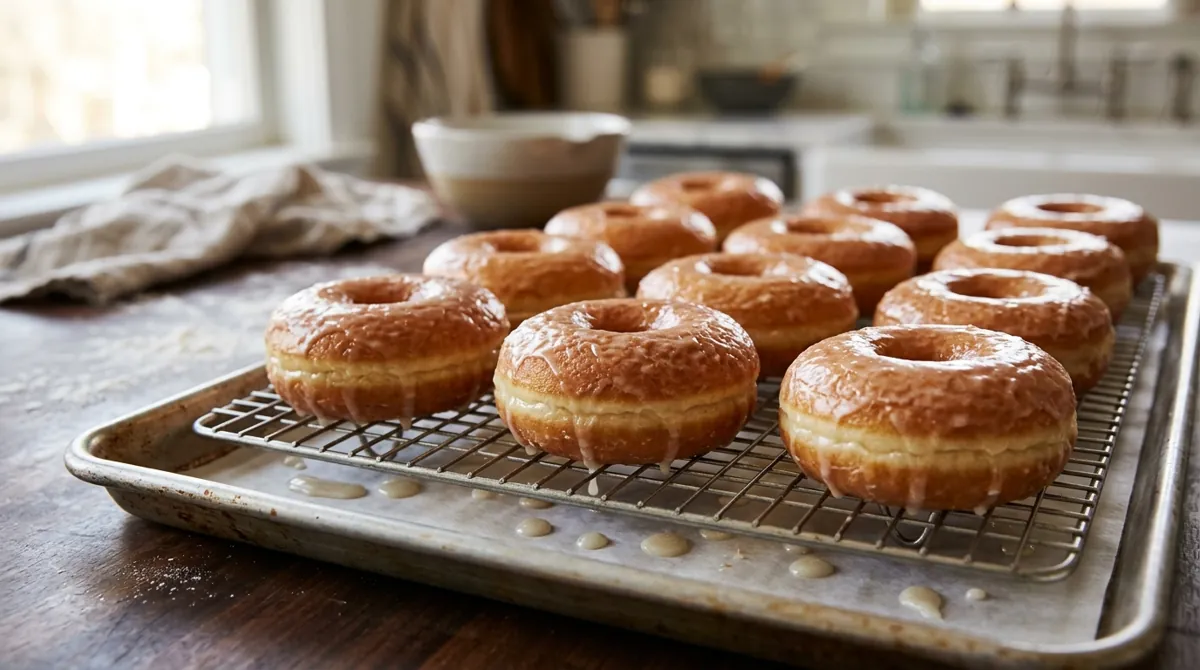
Classic Yeast-Raised Glazed Doughnuts
Tall, airy ring doughnuts from a buttery dough that rests overnight in the fridge, proofed in a steamy oven, fried golden and dipped in a sheer vanilla glaze that sets matte and crackly.
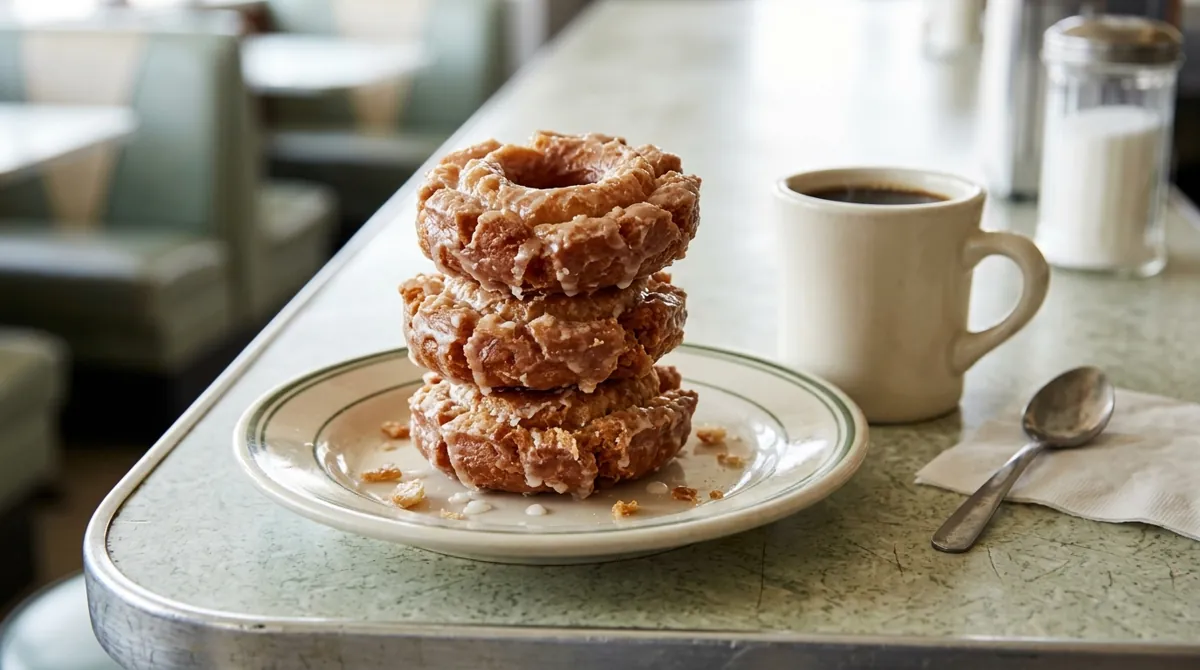
Old-Fashioned Sour Cream Doughnuts
Tangy sour cream and buttermilk cake doughnuts, chilled, cut and fried until craggy and crisp at the edges, then dipped in a thin vanilla glaze that settles into every crack.
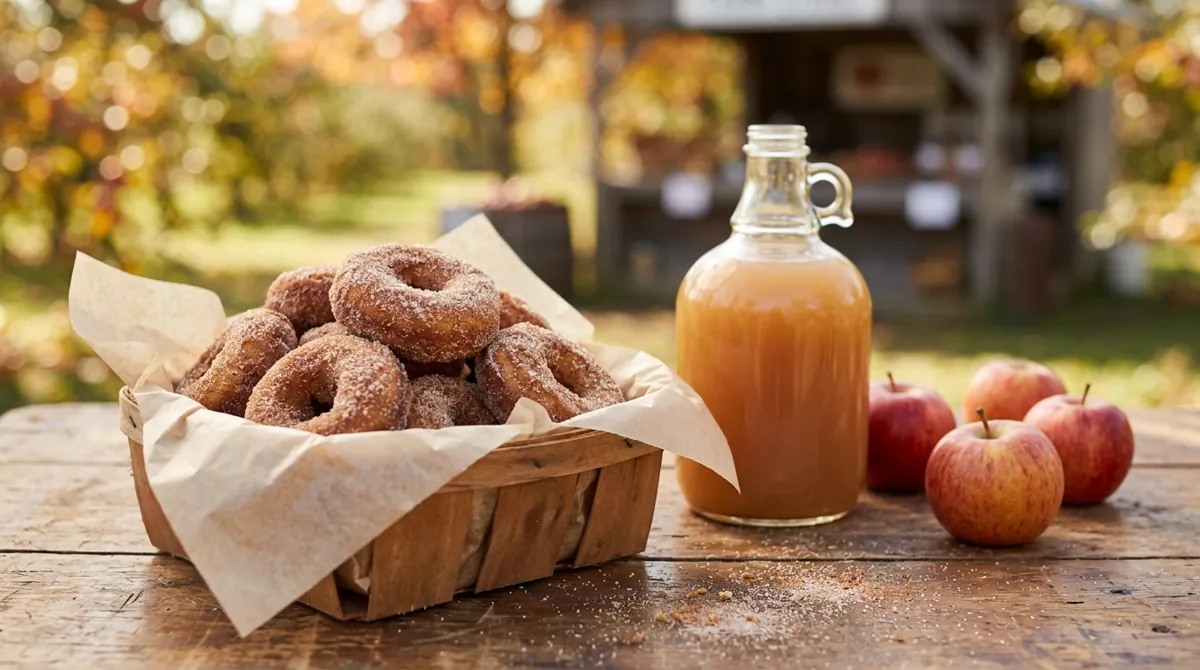
Apple Cider Doughnuts
Tender cake doughnuts flavored with apple, buttermilk, cinnamon and nutmeg, fried in two minutes and tossed in cinnamon sugar, the fall orchard and cider-mill classic made at home.
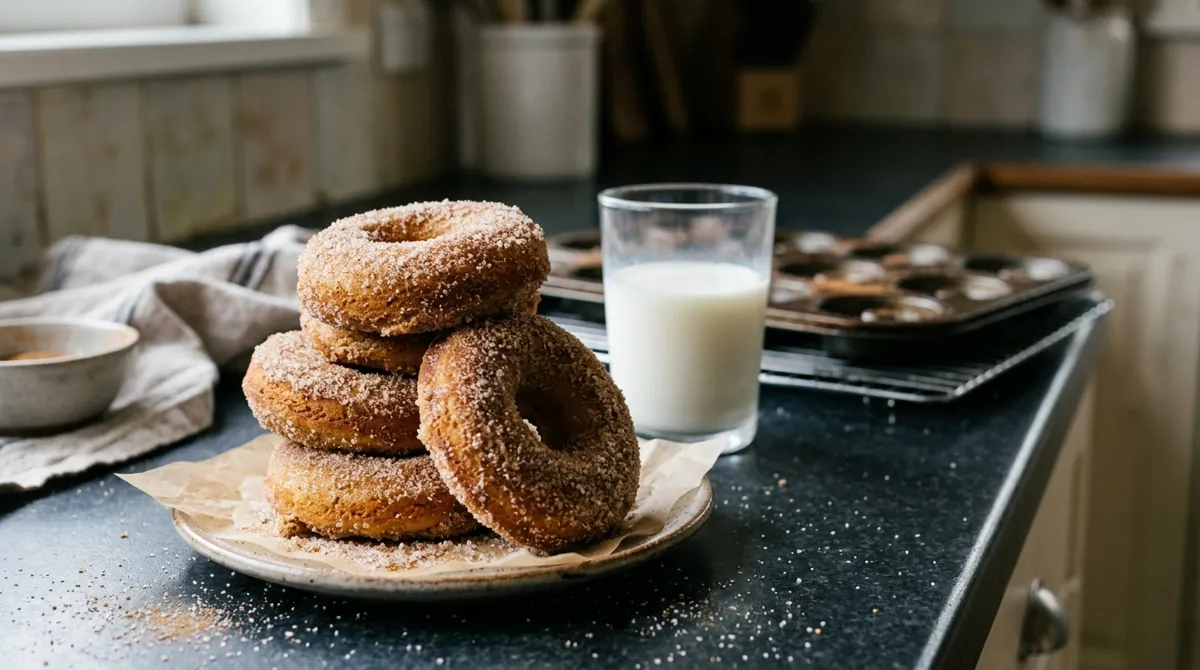
Baked Weeknight Doughnuts (Cinnamon Sugar)
Tender nutmeg cake doughnuts baked in a doughnut pan in 10 minutes and shaken in cinnamon sugar while warm: no yeast, no frying, about half an hour start to finish.
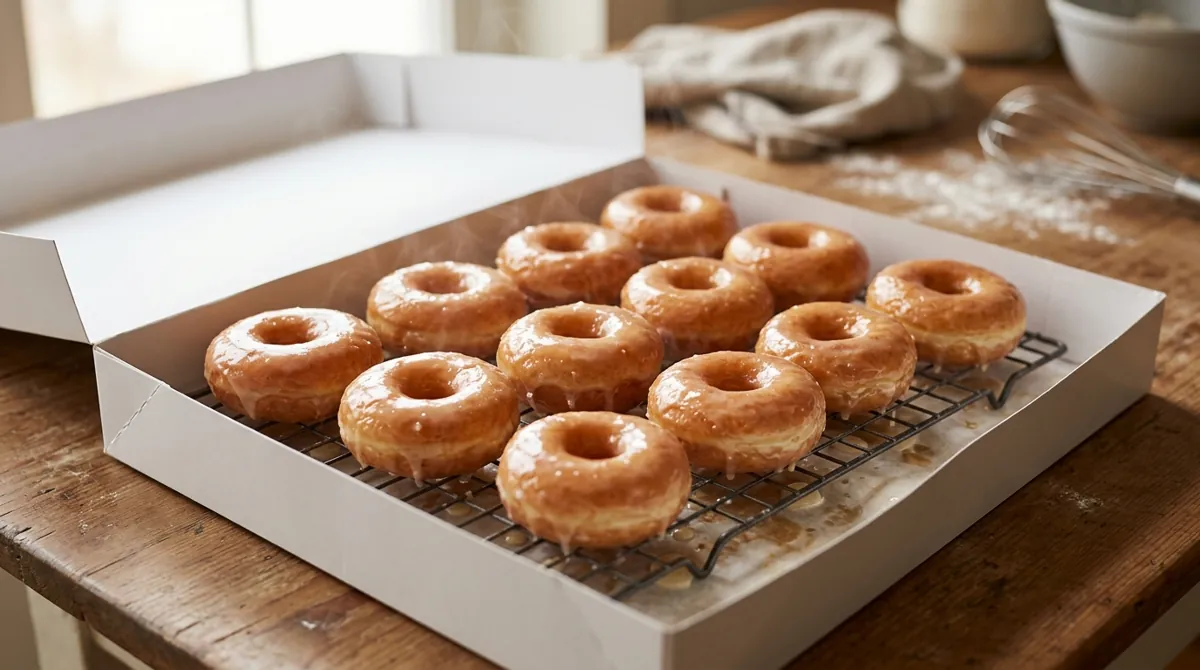
Hot Glazed Doughnuts, Inspired by Krispy Kreme
Light, fluffy yeast rings made with shortening, fried in shortening and dipped while warm in a thin, warm glaze of powdered sugar, milk and corn syrup, a home take on the famous hot glazed doughnut. Inspired by, not official.
Meatballs of the World

Italian-American Meatballs
Big, tender meatballs braised for an hour in red sauce over spaghetti. The one most Americans grew up with.

Pallottine (Abruzzo Meatballs)
Tiny meatballs, smaller than a marble, tossed right through square spaghetti alla chitarra. No bread at all.

Swedish Meatballs (Köttbullar)
Small, soft meatballs browned in butter, in a cream sauce made from the same pan, with lingonberry jam on the plate.

Danish Frikadeller
Pork meatballs shaped with a spoon and fried slowly in butter, crusty outside and soft in the middle.

Königsberger Klopse
German meatballs that are never fried: poached, then served in a creamy white sauce with capers.

Spanish Albóndigas in Almond Saffron Sauce
The tapas bar classic: small meatballs in a golden sauce thickened with fried almonds and bread.

Mexican Albóndigas with Chipotle and Mint
Soft meatballs with rice and fresh mint inside, simmered in a smoky tomato and chipotle broth.

Izgara Köfte (Turkish Grilled Meatballs)
Small, flat meatballs kneaded hard, rested cold, and charred on a hot grill pan.

Lion's Head Meatballs
Big, soft pork meatballs, stirred into a sticky paste, fried to set, then braised in a savory sauce.

Chicken Tsukune
Japan's chicken meatball: kneaded sticky, grilled on skewers, glazed with sweet soy tare, dipped in egg yolk.